Practical information Nepal
This section brings together practical information we provide every week to travelers from our Kathmandu offices. You'll find the exact visa on arrival procedures at Tribhuvan Airport (30 USD for 15 days, 50 USD for 30 days, cash payment), recommended vaccinations according to the regions you visit, and in particular attention to malaria in the Terai if you descend to Chitwan or Bardia. Budget-wise, plan for an average of 70 to 120 euros per day and per person excluding international flights for a trip in comfortable lodges, meals and English-speaking guide included. The Nepalese rupee exchanges at around 145 NPR to one euro, and card withdrawals are possible in Kathmandu, Pokhara and main towns but not at altitude. Nirmala and our team guide you on climate according to the region: the monsoon from June to mid-September limits treks to rain shadow areas like Mustang, while winter (December-February) remains favorable at medium altitude but freezing above 4,000 meters. For transport, we generally combine domestic flights (Lukla, Pokhara, Jomsom), private cars with drivers on main roads, and mountain trekking. The country is globally safe, but altitude remains the real concern: we systematically build in acclimatization stages and provide a pulse oximeter on altitude treks.
Plan your trip by theme
Explore our practical guides organized by category to quickly find the information you need.

Before You Go
Visa on arrival or e-visa, passport valid for 6 months, identity photos, insurance with altitude repatriation, trekking permit.
4 articles
Budget Currency
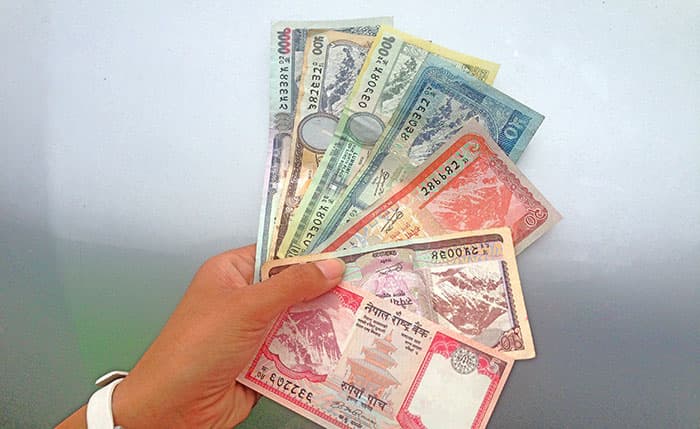
Nepalese rupee, indicative rate 145 NPR per 1 euro, daily budget per person, ATMs, tips for guides and porters.
1 article
Climate Season
Dry season from October to May, monsoon from June to mid-September, significant variations between tropical Terai and high mountains.
1 article
Transports
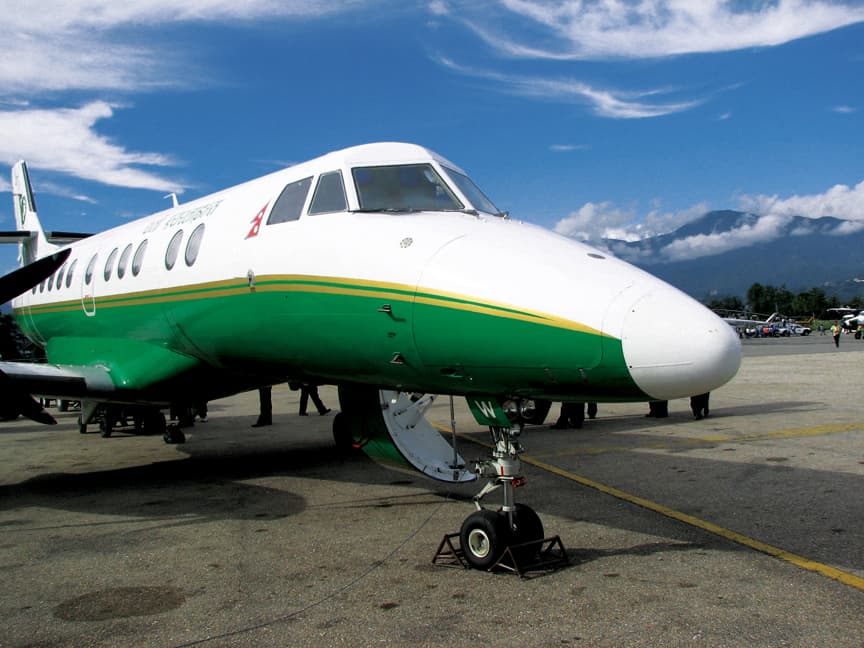
Domestic flights to Lukla and Pokhara, cars with drivers, tourist buses, mountain trekking, real road conditions.
3 articles
Culture
Namaste greetings, temple dress codes, photography and monasteries, dal bhat meals, Hindu and Buddhist festivals.
3 articles
Useful Tips
Acute mountain sickness, filtered water, 230V electricity, Ncell SIM cards, trekking connectivity, advice from our team in Kathmandu.
5 articlesAll practical guides
Search and filter among 17 articles
17 of 17 results
Frequently asked questions
The answers to the most frequently asked questions from our travellers.
Yes, a tourist visa is mandatory for French, Belgian, Swiss and Canadian nationals. You can obtain it directly upon arrival at Tribhuvan International Airport in Kathmandu, or at land border crossings with India. Official rates are USD 30 for 15 days, USD 50 for 30 days, and USD 125 for 90 days, payable in cash (USD, euros or rupees). Bring a recent passport photo. The e-visa via the official Nepal Department of Immigration website saves time upon arrival. Your passport must be valid for at least 6 months after your entry date and have a blank page.
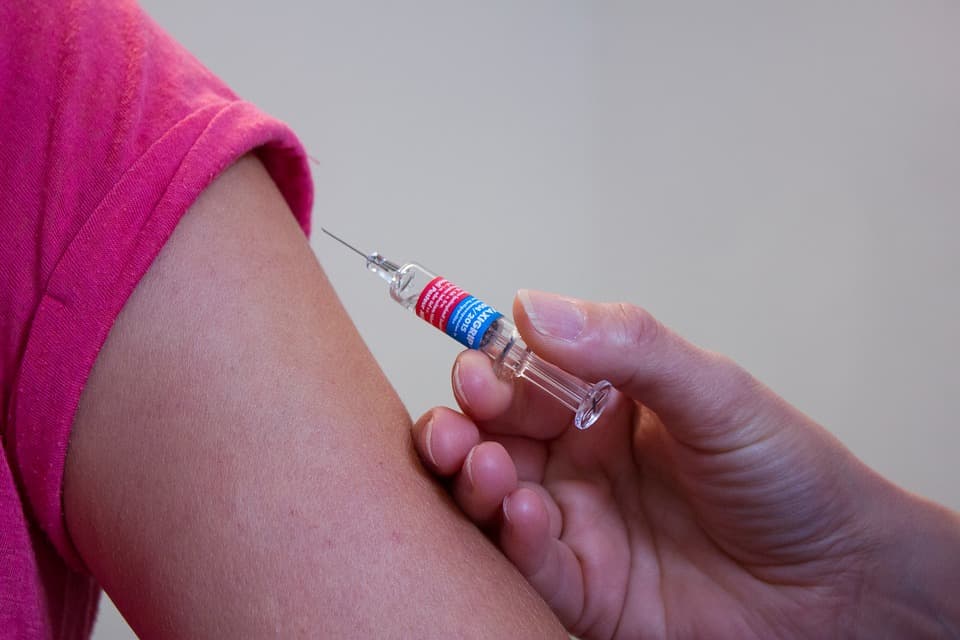
No vaccine is mandatory except yellow fever if you are arriving from an endemic country. We recommend being up to date on DTP-pertussis, hepatitis A, and depending on the duration and type of trip, hepatitis B, typhoid, rabies and Japanese encephalitis. Malaria exists in certain areas of the Terai, particularly around Chitwan and Bardia: antimalarial prophylaxis can be discussed with your doctor. Dengue also circulates in the lowlands. At altitude, the infectious risk decreases but acute mountain sickness becomes the central concern. Consult an international vaccination centre at least 6 weeks before departure.
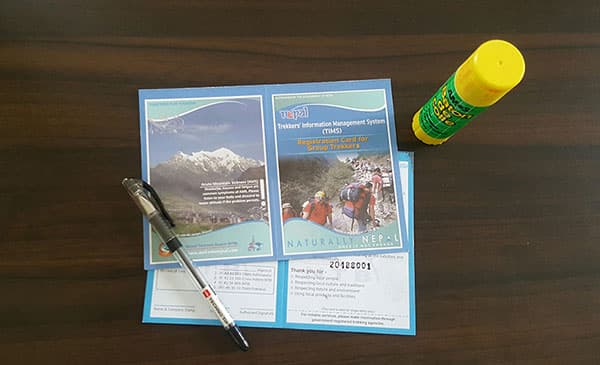
Excluding international flights, expect between 70 and 120 euros per day and per person for an organized trip in a double room, with an English-speaking guide, private transfers, comfortable accommodations (3-star hotels in cities, selected lodges on treks) and all meals in the mountains. Independent travelers in simple lodges can go down to 40-50 euros per day. Additional costs to plan for: trek permits (ACAP 30 USD, TIMS 20 USD, Mustang 500 USD), domestic flights (180-220 USD for Kathmandu-Lukla), tips (approximately 5-8 USD per day for the guide, 4-5 USD for the porter). A beer costs around 4 euros, a dal bhat in a lodge 5 to 8 euros depending on altitude.
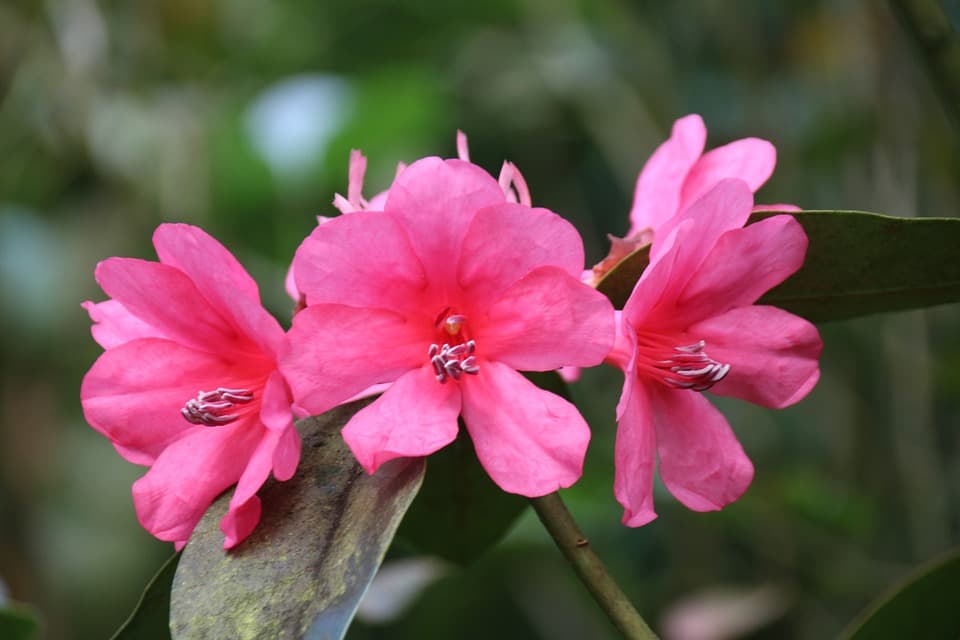
Two main windows: October-November offers the clearest skies after the monsoon, with excellent visibility of the peaks and pleasant temperatures at average altitude (15-20°C in Kathmandu). March-April is the second peak season, marked by rhododendron blooms between 2,500 and 3,500 meters. December to February remains possible at low and mid altitude but nights are cold (-10 to -15°C above 4,000 meters) and some passes close. The monsoon from mid-June to mid-September severely limits classic treks, but opens access to Mustang and Dolpo, located in a rain shadow.
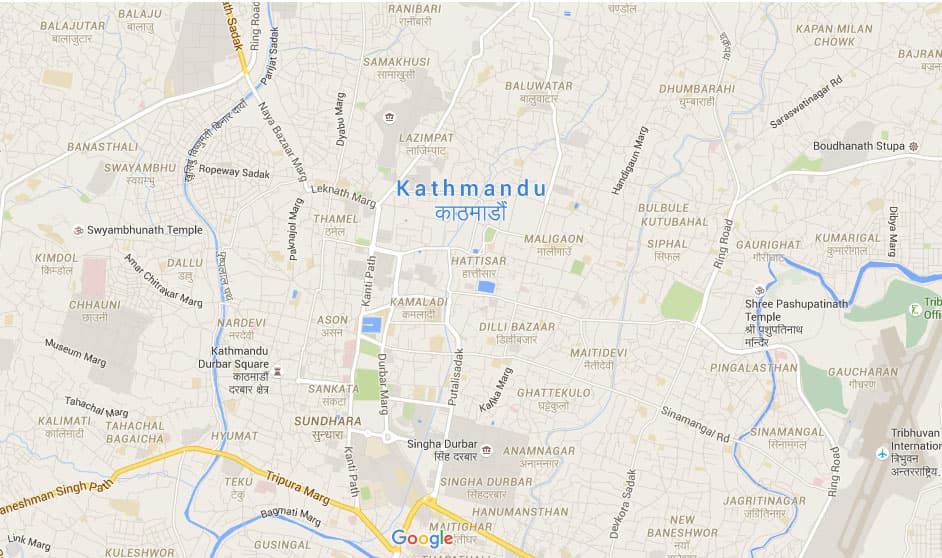
Distances may appear short on the map, but mountain roads significantly slow down travel times: Katmandu-Pokhara is 200 km and takes 6 to 7 hours by private vehicle. We typically combine domestic flights for long-distance or high-altitude routes (Lukla, Jomsom, Bharatpur for Chitwan) with chauffeur-driven vehicles on main roads. Flights to Lukla are weather-dependent and may be delayed, so we always build in a buffer in our itineraries. In the mountains, travel is on foot, accompanied by an English-speaking guide and porters (typically one porter for two trekkers). Tourist buses serve Pokhara and Chitwan at reasonable rates.
Nepal is generally safe for travelers. Minor crime is limited to pickpockets in tourist areas of Thamel and around the stupas, with no notable aggression. Political demonstrations can occasionally disrupt traffic in Kathmandu, with no direct risk to visitors. The real area of concern remains altitude: we build acclimatization stops, provide a pulse oximeter on high-altitude treks, and work with guides trained in acute mountain sickness. The post-monsoon season sometimes presents degraded trails, and certain remote areas of Upper Dolpo require special permits. Our team in Kathmandu ensures daily monitoring during your stay.
Ready to travel to in Nepal?
Discover our tailor-made itineraries, designed by our local team. Each route adapts to your pace, your preferences and your travel season.
See our toursWe use cookies to improve your experience and measure our site's audience. You can choose what you accept. Learn more.