Nepal's Climate
Nepal's climate is remarkably stable and follows a seasonal pattern that makes it accessible year-round. However, if your visit centers on trekking and summit climbing, it's wise to choose a season when peaks are clearly visible—a challenge during the summer months, June through September, when monsoon rains dominate.
Seasons in Nepal
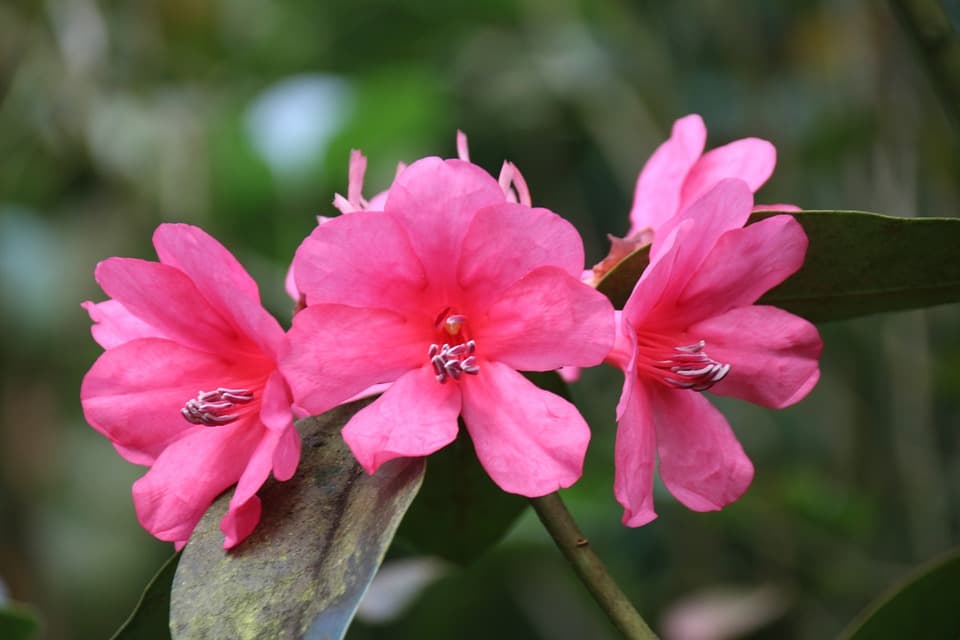
From March to mid-May, spring brings near-perfect trekking conditions. Temperatures can be crisp early in the season, but you'll be rewarded with the blooming rhododendron forests lining the trails, under abundant sunshine that delivers sweeping views across valleys and peaks.
From June to September, summer brings the monsoon season. Clouds blanket the sky, torrential rains drench the country, and leeches and mosquitoes proliferate. Trekking becomes risky—even hazardous—due to dramatically increased landslide potential from waterlogged slopes and flash-flood threats on certain trail sections.
The period from mid-September through November, autumn, is the ideal window for taking a trip to Nepal. With monsoon rains behind you, vegetation emerges in vibrant green, and summer's warmth has melted alpine snow, opening high passes. Visibility is typically superb.
Between December and February, winter delivers dry, sunny weather—yet high-altitude conditions become severe. Temperatures render many trekking routes impassable, and numerous lodges close seasonally. While conditions might seem suited to skiing in the world's highest mountains, Nepal has no dedicated ski resorts to date.
Nepal's Climate Zones
Temperature varies significantly with altitude. The tropical to subtropical climate spanning the Terai through Kathmandu Valley offers mild temperatures year-round, typically between 5°C and 30°C.
In valleys and low-mountain zones, expect a temperate climate ranging from 0°C to 25°C. Higher elevations shift toward tundra, then polar conditions. Above 3,000 meters, don't anticipate temperatures exceeding 15°C.
Remember, the Himalayas, increasingly affected by climate change, and mountains in general can shift dramatically and unexpectedly. Conditions may differ substantially from forecasts. Never assume stability—prepare thoroughly and remain adaptable.