Vaccinations and Health in Nepal
Vaccines for Nepal
While no vaccines are mandatory to enter Nepal, the country remains economically developing and lacks modern medical infrastructure to treat certain illnesses. It's wise to prepare yourself to avoid complications that could potentially necessitate medical evacuation. Here is a list of recommended vaccinations:
- Diphtheria-Tetanus-Poliomyelitis (DTP), and Measles-Mumps-Rubella for children,
- BCG against tuberculosis,
- Typhoid fever,
- Hepatitis A and B,
- Meningitis A, C, Y and W135,
- Rabies in rural areas,
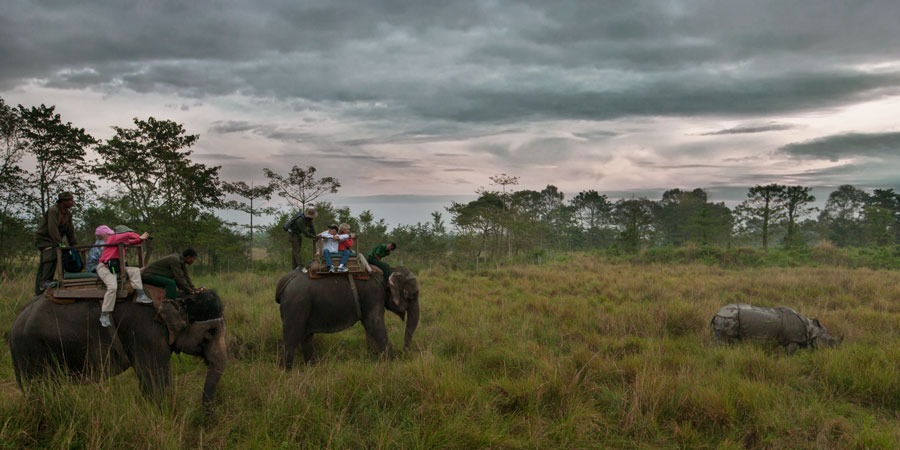
- Japanese encephalitis in the Terai jungle (Chitwan National Park).
Your Medical Kit
A blister, a sprained ankle during a trek, an infection or altitude sickness... so many minor issues that can make your journey challenging. Here's a list of essentials to pack in your medical kit to make the most of your Nepal adventure:
- Anti-diarrheal medication and a laxative,
- Mosquito repellent,
- Soothing cream for insect bites or plant-related irritation,
- Sunscreen and after-sun cream (Biafine),
- Clear disinfectant,
- Sterile compresses and various bandages,
- Blister plasters,
- Elastic and breathable bandages,
- Paracetamol,
- Throat lozenges,
- Eye drops for dry eyes,
- Water purification tablets...
Practical Advice
One of the biggest health risks in Nepal stems from tap water. Exercise caution whenever consuming raw vegetables, drinking fruit juices or lassis (often diluted with water) or consuming ice.
For your Nepal trip to unfold as smoothly as possible, it's prudent to follow these basic rules:
- Protect yourself from mosquitoes, particularly in the Terai region (long clothing, repellents, etc.) as there are risks of malaria and dengue in these areas,
- Avoid contact with animals, dead or alive, including stray dogs,
- Don't walk barefoot on wet surfaces,
- Wash your hands regularly with an alcohol-based solution,
- Peel fruits and vegetables, or rinse them with safe water before eating,
- Avoid raw foods, ice or uncooked vegetables,
- Always check for a seal on your water bottles,
- Take precautions to prevent HIV and sexually transmitted infections.
Altitude Sickness
Altitude sickness, also called acute mountain sickness or AMS, manifests through nausea, loss of balance, vomiting, headaches, loss of appetite and severe fatigue. It often appears in people unaccustomed to altitude, during prolonged stays above 2,000 meters, and is fairly common during treks in Nepal.
If you experience any of these symptoms during your ascent, don't ignore it. Indeed, altitude sickness can lead to loss of consciousness, coma or even death. Your guide will know what to do if you experience it.
There are nonetheless simple solutions to relieve it: take a painkiller and rest until the symptoms pass, breathe using an oxygen bottle, or if that doesn't work, turn back and descend a few hundred meters.
If you plan to climb above 3,000 meters, be sure to acclimatize regularly: when you undertake a stage involving an ascent of more than 600 meters, spend a day at that altitude to adjust before continuing your trek.