Who Can Undertake a Trek in the Annapurna?
The Annapurna. Hikers from around the world regard it as a premier trekking destination.
The Annapurna. Hikers from around the world regard it as a premier trekking destination. Situated in the Himalayas north of Pokhara, this mountain massif harbors one of the world's highest peaks. The Annapurna also impresses through the diversity of its landscapes. But who can undertake a trek in the Annapurna? We'll tell you more about the different types and difficulty levels of treks in this sanctuary…
One of the World's Most Beautiful Treks
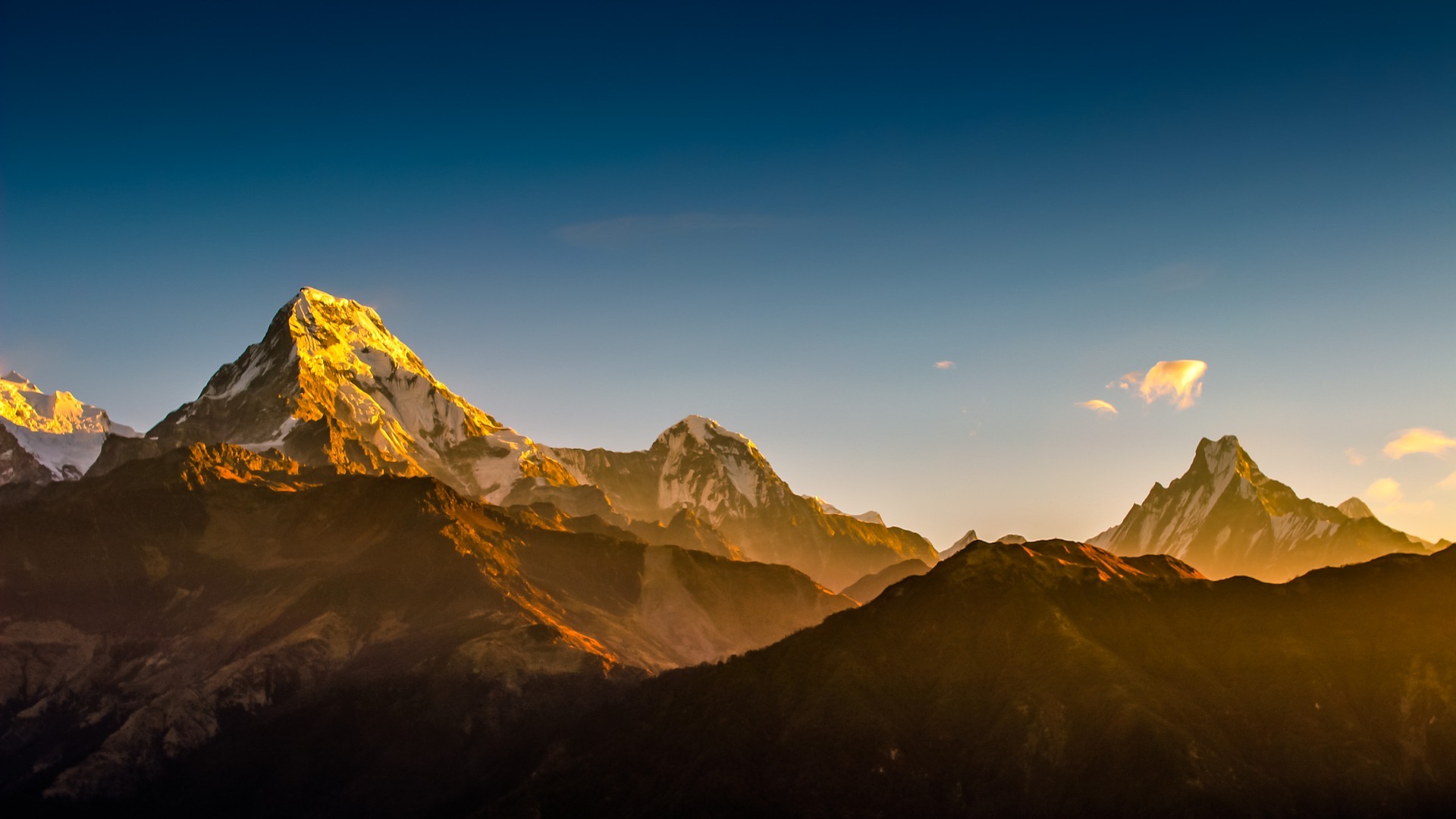
The Annapurna is a mountain massif located in the Himalayas in Népal whose name has traveled the globe. It captures the imagination of many alpinists because it boasts the 10th highest peak in the world: Annapurna I at 8,091 meters above sea level. Not to mention the other summits exceeding 6,000 meters in altitude such as Annapurna II (7,864m), Annapurna III (7,577m), Annapurna IV (7,525m), Gangapurna (7,455m), and Annapurna South (7,219m).
Beyond its sublime passes and eternally snow-capped peaks, the Annapurna captivates trekkers through its multitude of ecosystems and the traditions of local communities that one discovers and encounters throughout the journey. The landscapes alternate between pine forests, valleys dotted with rhododendrons, vertiginous cliffs, orchards of all kinds, small villages with Tibetan or ethnic influences, glaciers of azure blue, majestic waterfalls, terraced rice paddies… As for wildlife, you may spot the Himalayan wolf, domestic yaks, or the legendary snow leopard…
A Trek for Every Hiker!
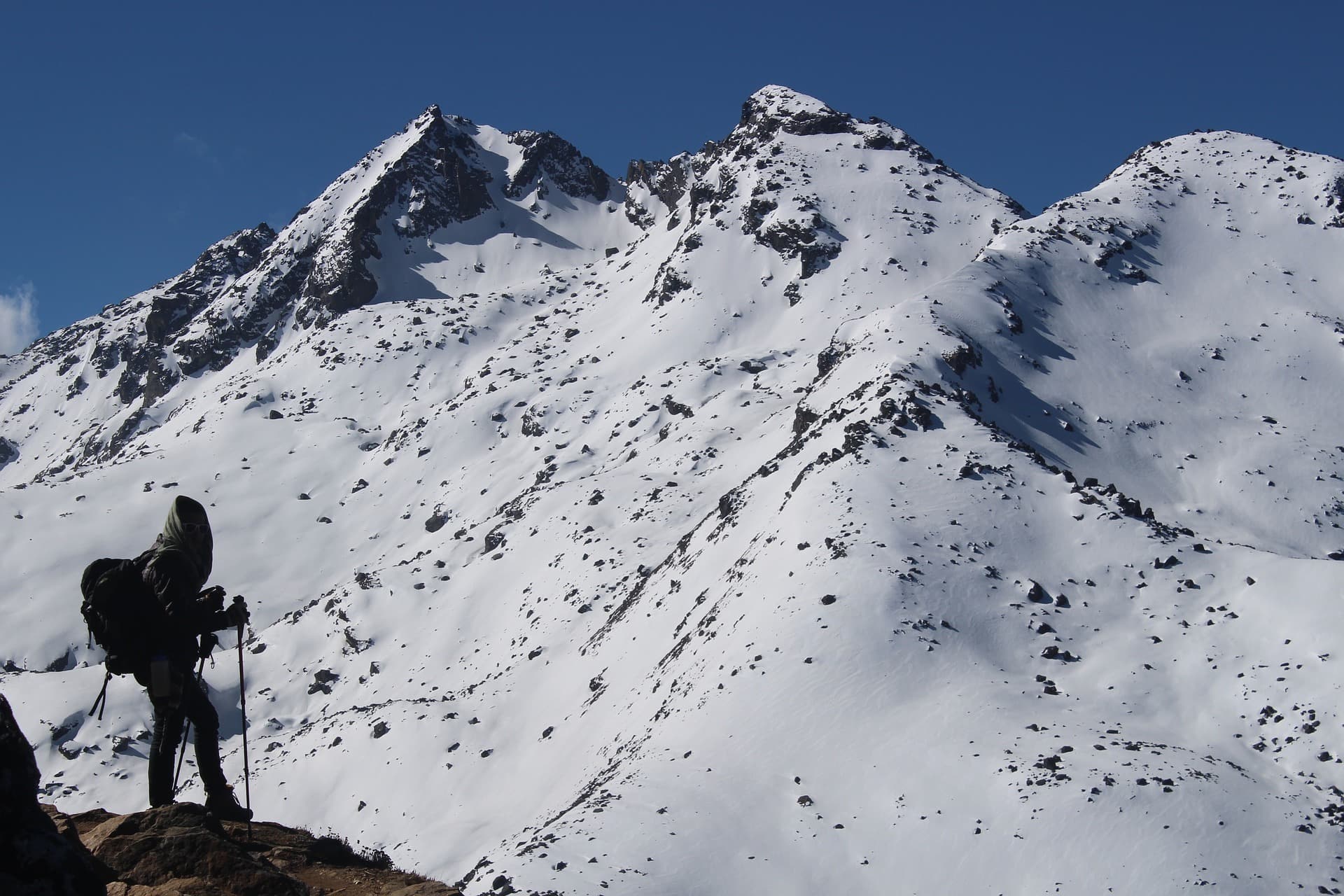
Since numerous high peaks dot the Annapurna, you're surely wondering what type of hiker can explore this mountain massif! Rest assured, the Annapurna offers trekking trails suited to both casual enthusiasts and seasoned trekkers. While the Annapurna Circuit spans 200km, connecting the two main departure and arrival towns , there are also shorter or express trails that provide a comprehensive overview of this massif's landscapes. You can plan a trek lasting a few days or several weeks, depending entirely on your motivation and fitness level.
For beginners and those wary of high altitude, there are treks tailored to inexperienced hikers. This includes the trek to Poon Hill, Mardi Himal and the trek to Kopra! And for those wanting to take the plunge while ensuring a touch of comfort, explore the option of Comfortable Trekking in the Annapurnas. In any case, these routes are ideal for easing into the experience. Acclimatization happens gradually as you respect altitude gains, allowing you to set out without fear of altitude sickness and oxygen deprivation.
As for intermediate hikers, you can head to the sanctuary at the Annapurna Base Camp. Finally, the most experienced trekkers should not miss the opportunity to tackle the challenge of the 7 passes while exploring the unexplored valley of Naar Phu through to the mythical Thorong La pass over 20 days !
In any case, don't hesitate to consult your doctor or undergo a fitness test before departure. Even though the Annapurna doesn't always require prior alpinism experience, solid endurance levels and physical preparation are always recommended.
Frequently asked questions
The fitness level required depends on your chosen trek. For introductory treks like Poon Hill or Mardi Himal, a solid baseline fitness level is sufficient. For more demanding itineraries like the 7 passes or Annapurna Base Camp, prior training and good endurance are essential. In any case, consult your doctor before departure.
Several treks within the Annapurna massif are accessible to beginners: the Poon Hill trek, the Mardi Himal trek, and the Kopra trek. These itineraries allow you to ease into Himalayan trekking gradually, with progressive acclimatization and adapted daily stages.
The Annapurna Circuit covers approximately 200 km and connects the two main departure and arrival towns. Its duration typically ranges from 15 to 21 days depending on your pace and chosen variations. Shorter options exist for exploring the massif in just a few days.
To access the Annapurna sanctuary, two permits are generally required: the TIMS (Trekkers' Information Management System) and the ACAP (Annapurna Conservation Area Permit). These documents can be obtained in Kathmandu or Pokhara before departure. Fees may vary, so check with the relevant authorities or your travel agency.
The two best periods for trekking in the Annapurna are spring (March to May), with rhododendron blooms, and autumn (September to November), offering clear skies and favorable weather conditions. The monsoon season (June-August) is discouraged due to heavy rainfall and risk of landslides.
It is technically possible to trek certain routes in the Annapurna independently, as the main trails are well-marked. However, hiring a local guide is strongly recommended for more challenging itineraries like the 7 passes, for safety reasons, terrain knowledge, and logistical support.