Where to Watch a Sunrise in Nepal?
Have you ever dreamed of the sun rising over mountains, offering you a sumptuous view of the valley and snow-capped peaks? A moment of unimaginable beauty that will leave you breathless.
Have you ever dreamed of the sun rising over mountains, offering you a sumptuous view of the valley and snow-capped peaks? A moment of unimaginable beauty that will leave you breathless as the morning's serenity envelops you. Witnessing such a postcard-perfect landscape is possible in Nepal! So, what are the most promising places to observe a sunrise?
Nagarkot
Located in the Kathmandu Valley, the village of Nagarkot sits atop a hill (2195m) facing a dozen Himalayan peaks. You can observe them by taking one of the many hiking trails or simply admire the sunrise over the snow-capped mountains from your hotel. Also enjoy the pure, fresh air just an hour from the capital.
Sarangkot
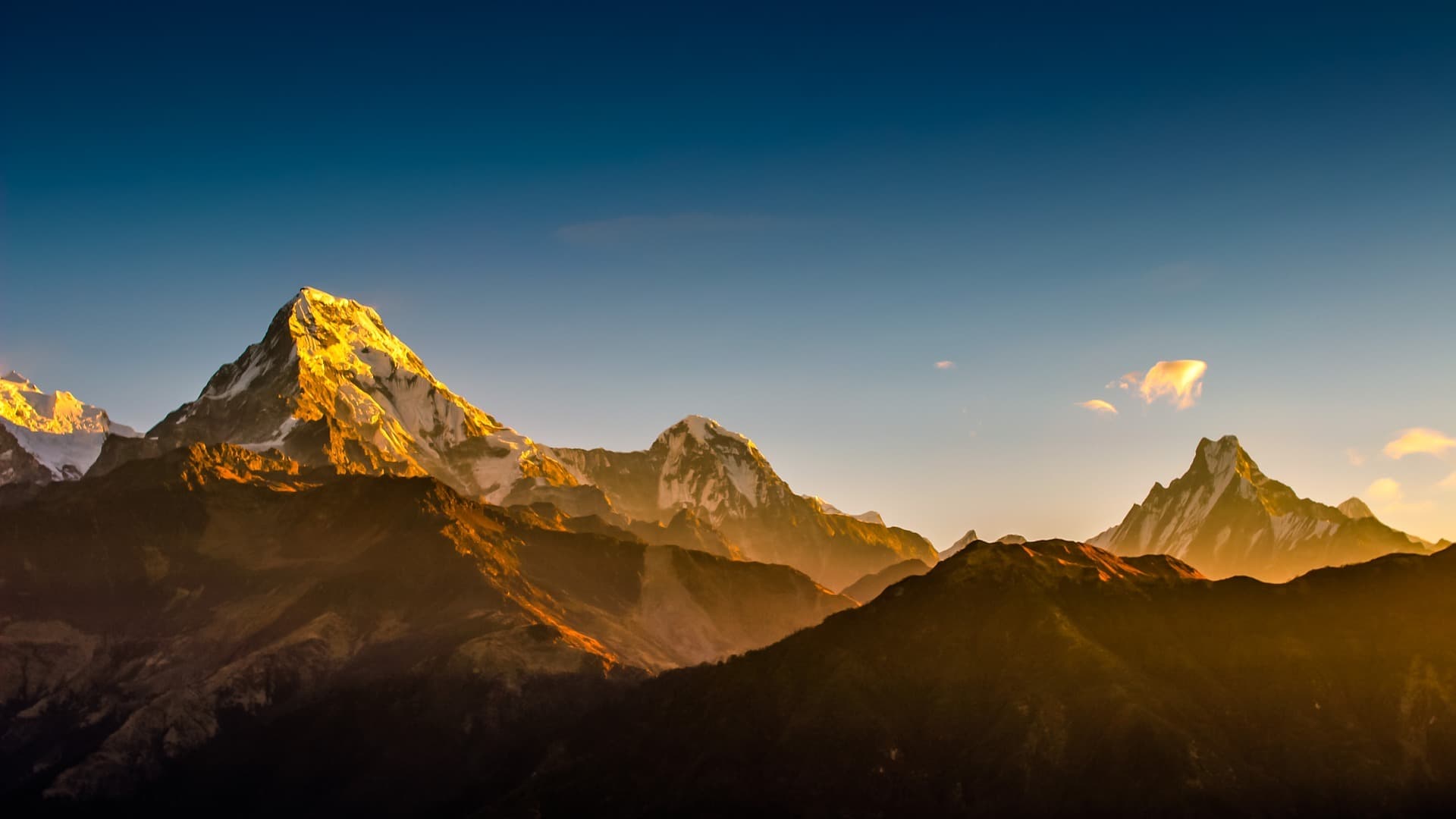
Just twenty minutes from the shores of Pokhara Lake, Sarangkot is a privileged vantage point to see the immense Annapurna peaks slowly emerge from the darkness. Closer to the mountains than Nagarkot's viewpoint, Sarangkot offers you a magnificent sunrise over peaks such as Annapurna II, Dhaulagiri, and Machhapuchhre in front of you, as well as the valley and lake behind you.

Deurali
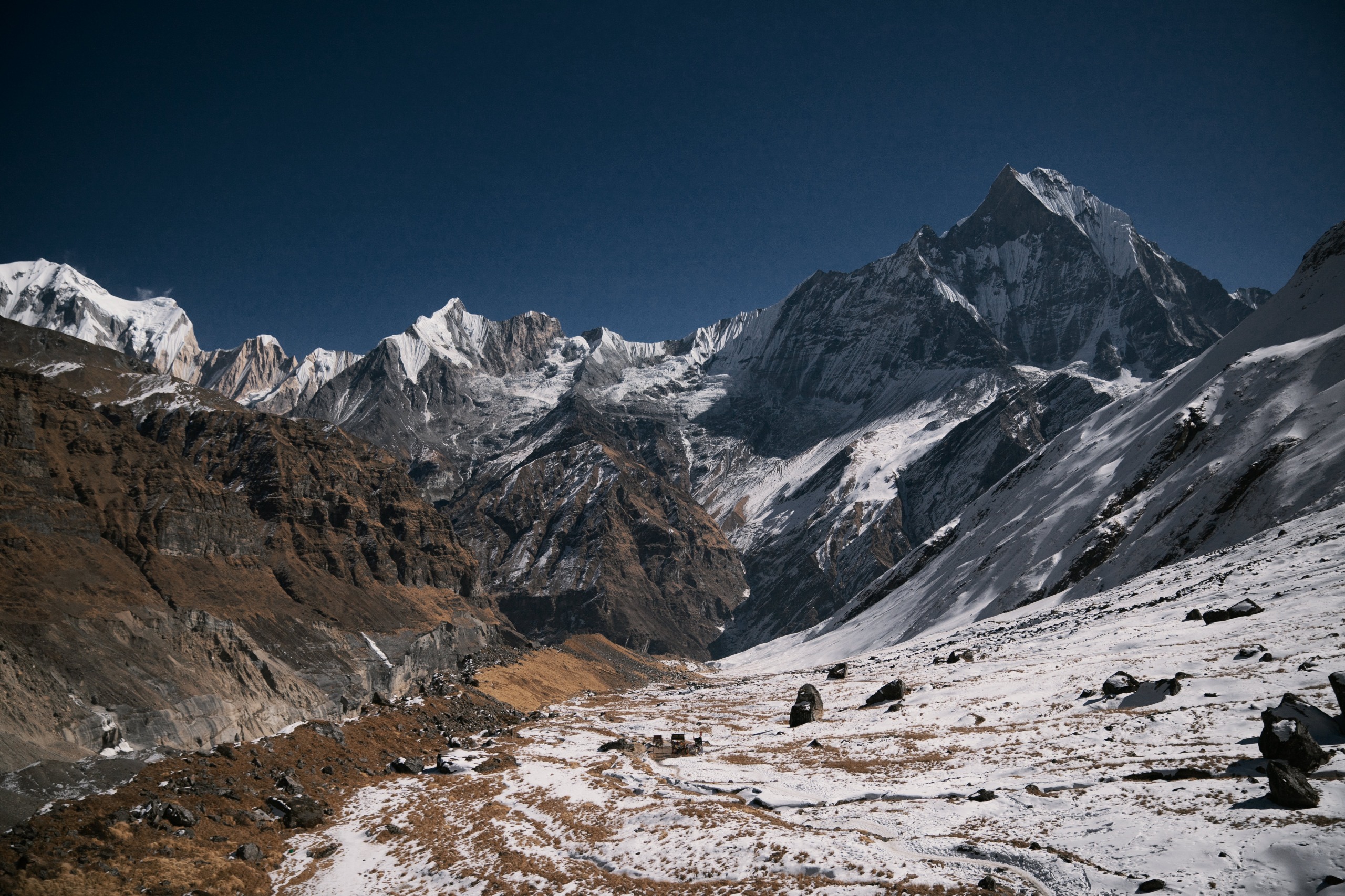
Easily accessible from Pokhara by car and then on foot, Deurali is the first stage of the Mardi Himal trek, but you can also visit solely to admire the sunrise over the mountains. A less frequented trail, enjoy the calm and solitude while witnessing South Annapurna and Machhapuchhre gleaming in the morning light.
Kopra Danda
The final stage of the Kopra trek (3600m), you'll need to walk for 4 to 5 days to enjoy the breathtaking panorama this hill offers. Dhaulagiri and Annapurna I dominate this scene as a blazing sun rises before you.
Poon Hill
Want to do a few days of trekking? Head to Poon Hill—this hill located across from Annapurna I, Annapurna South, Gangapurna, Nilgiri, and Hiunchuli. At a height of 3200 m, you'll admire the red reflections of the sun detaching from mountains that seem so near. A sunrise you've earned, as Poon Hill is only accessible on foot. You'll spend the night in Ghorepani the day before and wake early to arrive in time for the first light of dawn.

Gokyo Ri
Located in the Khumbu region and on the trek to the Gokyo Lakes—you'll need to wake early and climb for 1.5 hours to the summit of Gokyo Ri to enjoy the sunrise. A privileged viewpoint of Everest and other peaks in the region, you won't forget this incredible moment.
A Few Tips
Don't forget to bring sunglasses to protect your eyes.
Wear warm clothing as it's typically cold before sunrise.
Plan ahead as most locations require anywhere from a few minutes to several hours of driving or walking.
Frequently asked questions
The best time to enjoy a sunrise over the Himalayas is the dry season, particularly October to November after the monsoon, and March to April in spring. The sky is then clear and snow-capped peaks shine beautifully in the morning light.
Yes, some sites require permits. For Poon Hill, you need an ACAP (Annapurna Conservation Area Permit) and a TIMS. For Gokyo Ri, in the Khumbu region, a Sagarmatha National Park entry permit is required. Check before you depart.
Nagarkot is the most accessible spot from Kathmandu (about 1 hour by car). You can admire the sunrise over a dozen Himalayan peaks directly from your hotel without needing to hike.
The trek to reach Poon Hill typically takes 4 to 5 days from Nayapul, near Pokhara. You'll spend the night in Ghorepani, the village situated just below, and make the climb to the 3200 m summit early in the morning to see the sunrise.
Remember to pack warm clothing (cold can be intense before dawn at altitude), sunglasses to protect your eyes from UV rays in the mountains, a headlamp for the climb in darkness, and water. A camera or tripod is recommended to capture the moment.