Complete Nepal Guide
Nepal spans 800 kilometers from east to west, between the Indo-Gangetic plains and the Tibetan border. In a single day's drive, you pass from rice paddies at 200 meters altitude to the foothills of Manaslu at 8,000 meters. This geographic compression explains the diversity of our itineraries: we regularly combine the Kathmandu Valley, the Pokhara Hills, Chitwan National Park, and trekking in the Annapurnas or the Khumbu region.
The country speaks 123 languages and is home to both medieval Hindu temples in Bhaktapur, Buddhist stupas in Bodnath, and Tamang or Gurung villages in high-altitude valleys. As for wildlife, the Terai still harbors around 750 Indian rhinoceroses and nearly 350 Bengal tigers, observable on elephant back or by jeep from the lodges in Sauraha. Hiking enthusiasts can choose between the classics (Annapurna Base Camp in 10 days, Manaslu Circuit in 14 days) and more off-the-beaten-path areas like Mustang or Dolpo.
To properly plan your trip, allow a minimum of 12 days to combine culture and a short trek, or 18 to 21 days if you aim for a high-altitude trek with proper acclimatization. Nirmala and our team in Kathmandu adjust each itinerary according to your pace and the season.
The regions of Nepal
Each region has its own personality: climate, landscapes, pace of life and ways of traveling. Our local team helps you choose the combination that suits you.
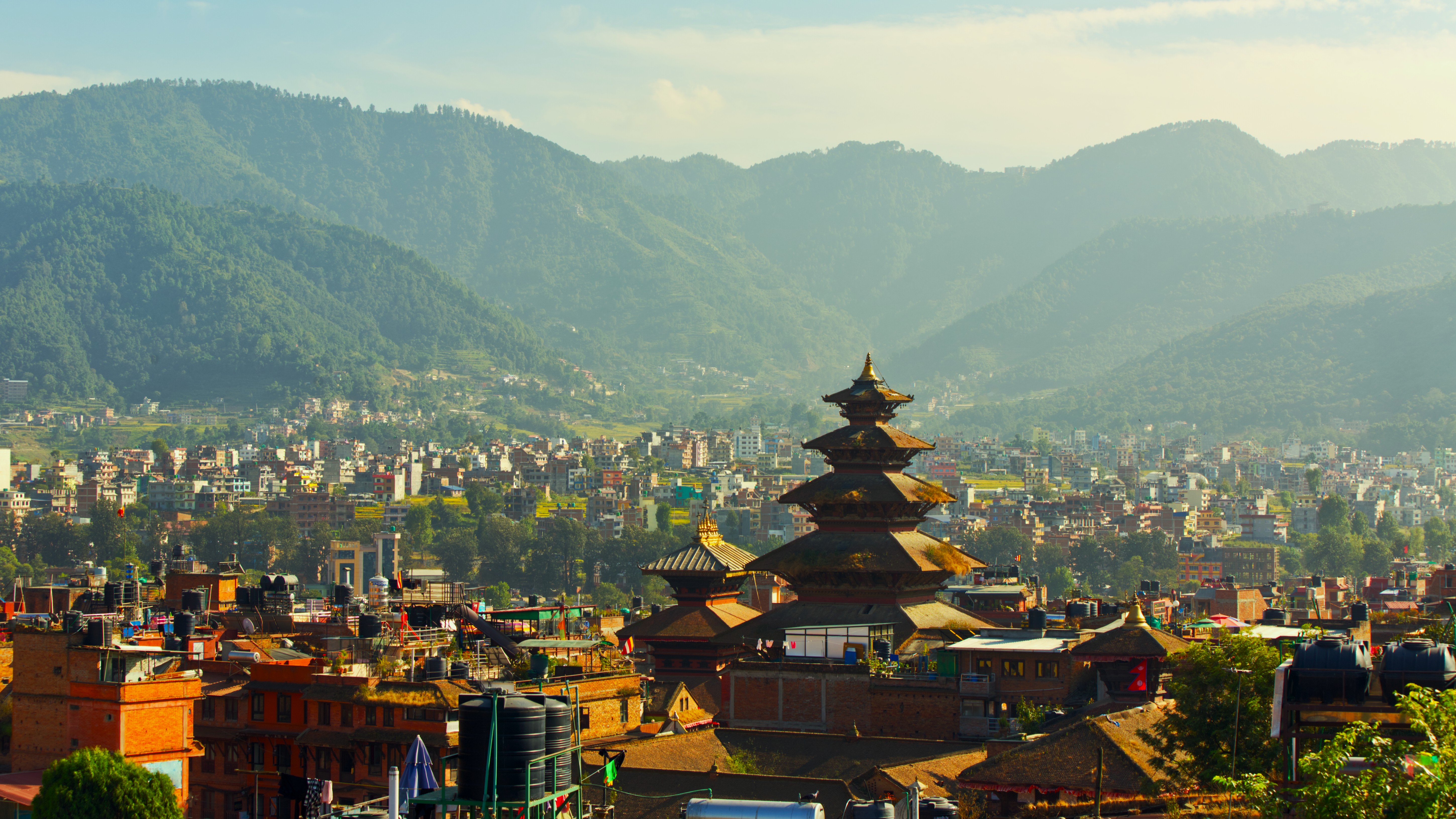
Kathmandu Valley
The valley concentrates seven UNESCO-listed sites over 30 kilometres: the Durbar squares of Kathmandu, Patan and Bhaktapur, the stupas of Swayambhunath and Bodnath, the Pashupatinath temple on the banks of the Bagmati. At 1,400 metres altitude, the climate remains mild year-round, with cool mornings in winter (around 5°C in January). We recommend a minimum of three nights to explore Patan and Bhaktapur without rushing, including a visit to a Newar bronze foundry or thangka workshop. The Thamel streets concentrate trekking agencies and equipment shops, useful if you need to complete your gear before heading to the mountains.
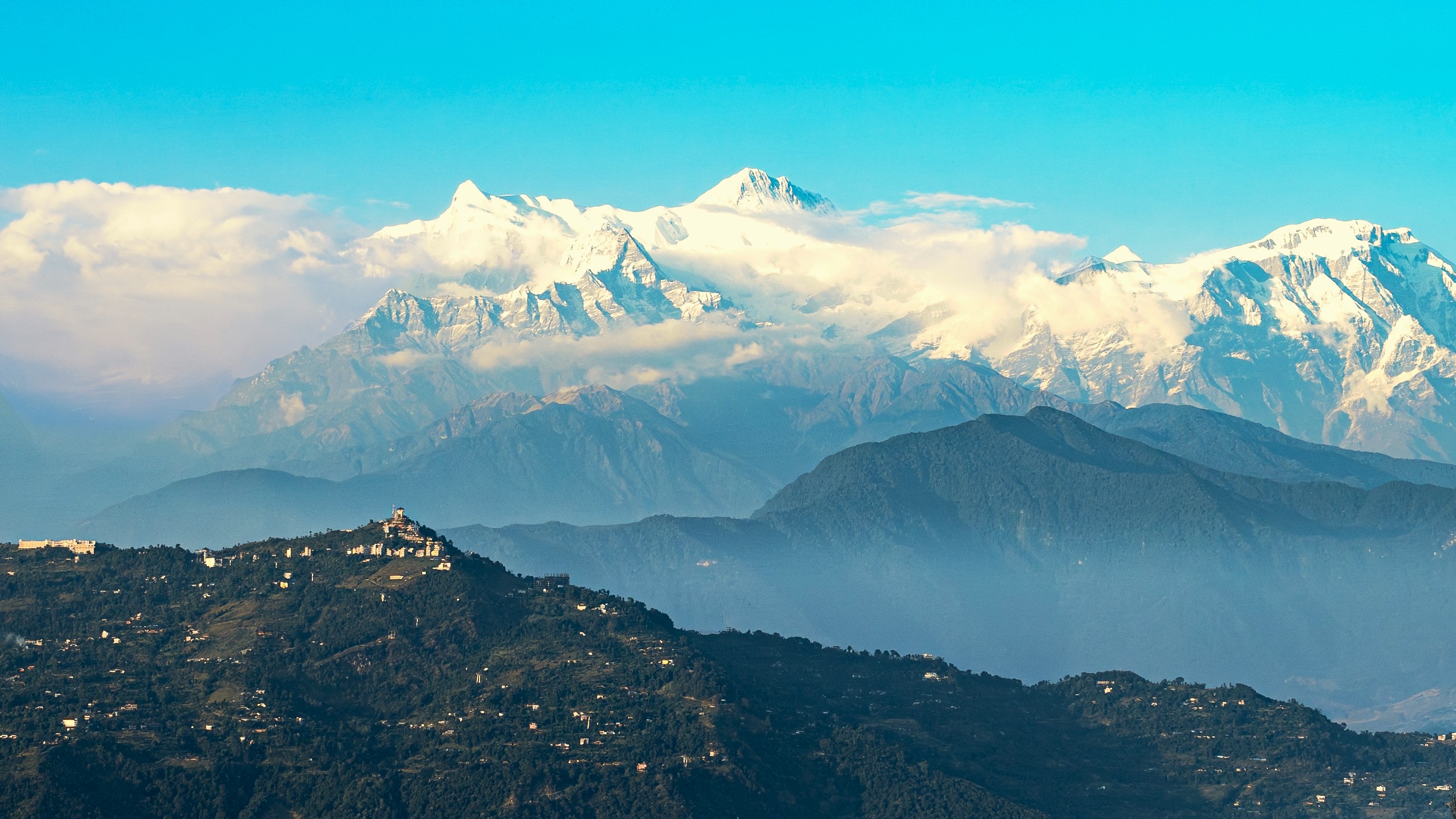
Annapurnas and Pokhara
Pokhara stretches along Phewa Lake at 820 meters, facing the Annapurnas massif and Machapuchare, which peaks at 6,993 meters. The city serves as a base for most treks: Annapurna Sanctuary in 10 to 12 days, Mardi Himal in 5 days, Ghorepani-Poon Hill in 4 days for less experienced hikers. The trails cross Gurung and Magar villages such as Ghandruk or Chhomrong, with overnight stays in family lodges. The best weather windows are in October-November and March-April, when rhododendrons bloom between 2,500 and 3,500 meters. We also organize shorter stays with scenic flights over the mountain range.
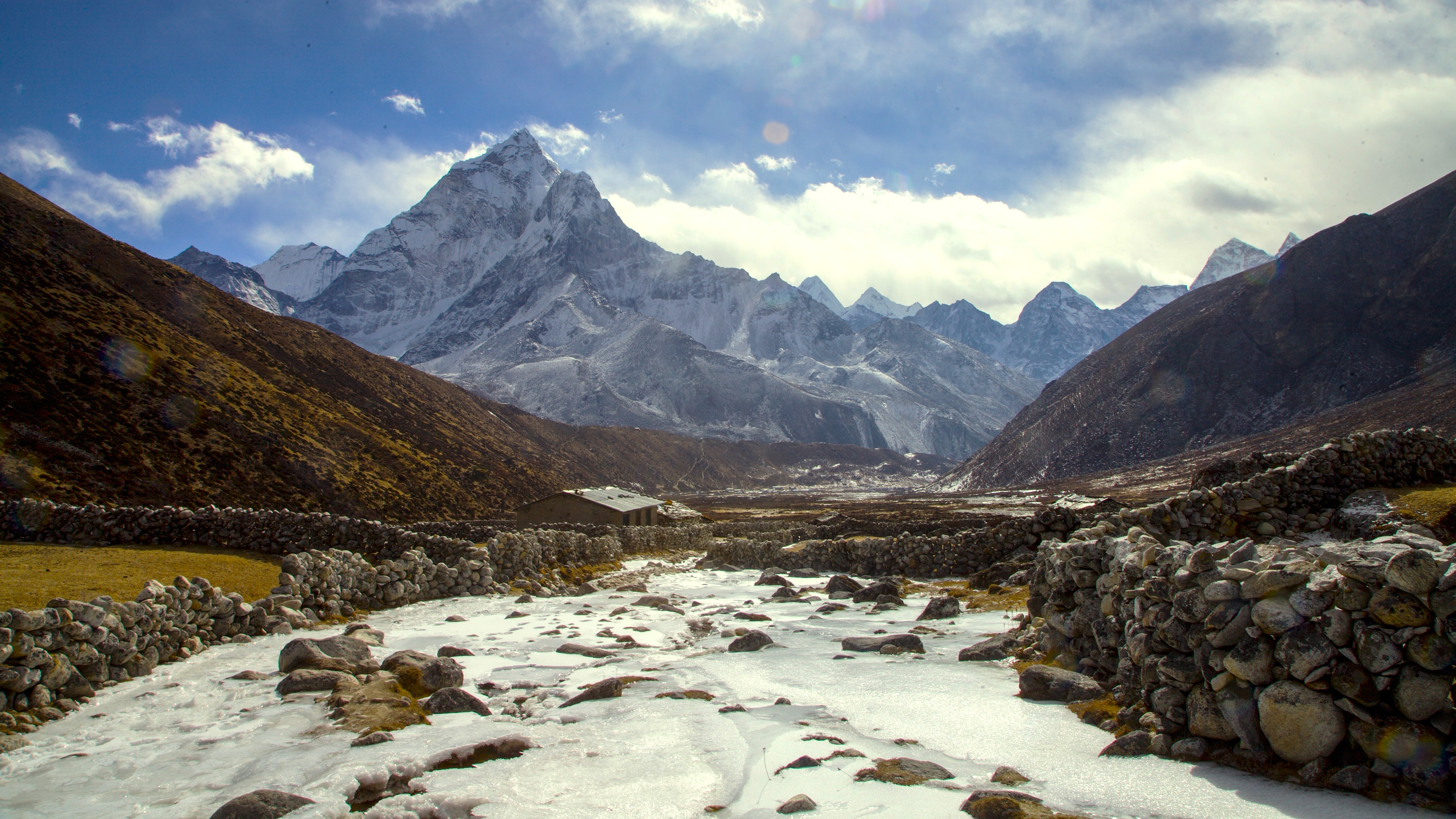
Khumbu and Everest Region
The Khumbu is sherpa country, accessible from Lukla airstrip at 2,860 meters after a 35-minute flight from Kathmandu. The classic trek to Everest Base Camp takes 12 to 14 days round trip, passing through Namche Bazaar (3,440 m), Tengboche monastery, then a gradual ascent to 5,364 meters. Acclimatization is key to success: we systematically plan two days in Namche and one in Dingboche. Night temperatures drop to -15°C at high altitude, even during the favorable season. For those not wishing to reach Base Camp, the Gokyo Ri trek offers equivalent views with less demanding elevation gain.
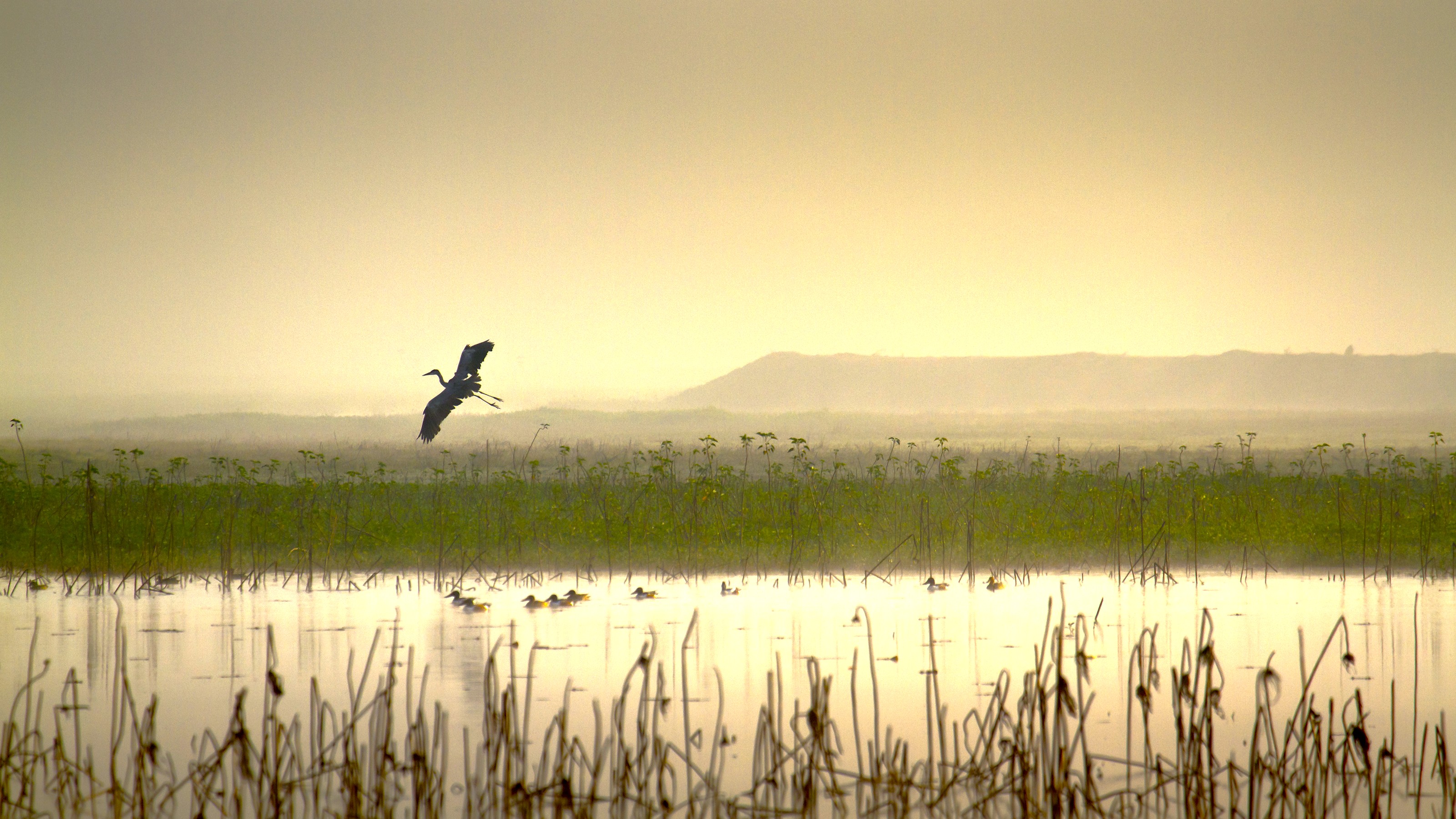
Terai and Chitwan
The Terai plains border India and concentrate the country's wildlife. Chitwan National Park, 950 km² of sal forest and elephant grasslands, is home to one-horned rhinoceros, gharials, sloth bears and Bengal tigers, more elusive. We work with lodges in Sauraha and Meghauli for stays of two to three nights, combining jeep safari, guided walks and boat rides on the Rapti River. The altitude drops to 150 meters, the climate remains warm (28-35°C much of the year), with high humidity from June to September. Bardia Park, further west, suits travelers seeking fewer crowds and better chances of spotting tigers.
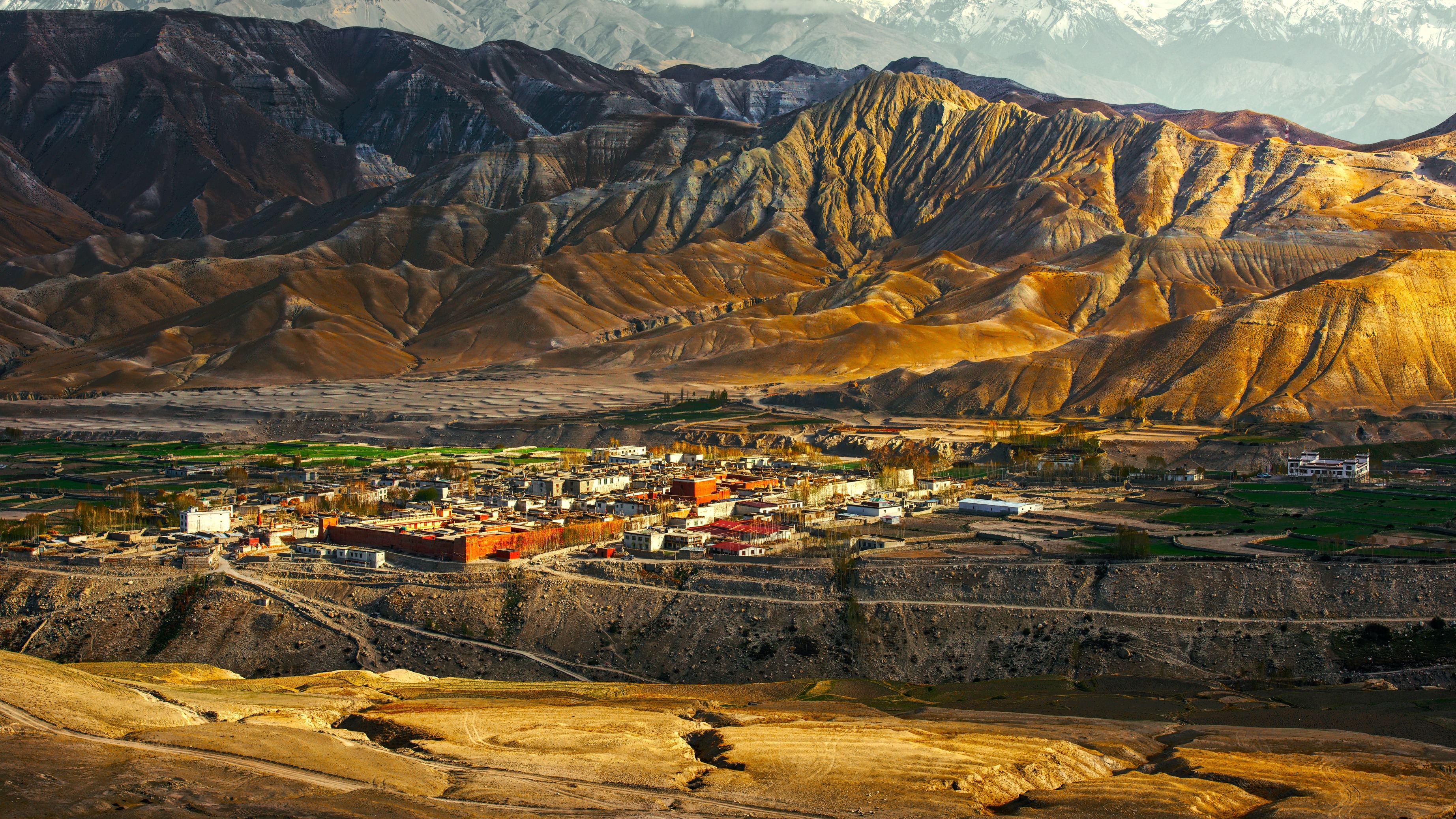
Mustang and High Plateaus
The ancient kingdom of Mustang stretches north of the Annapurnas, in the rain shadow of the Himalayas. The landscape recalls Tibet: ochre cliffs, fortified villages like Lo Manthang at 3,840 meters, Tibetan monasteries from the 15th century. Access requires a special permit at 500 USD for 10 days, which we obtain from Kathmandu. The dry climate allows travel there in summer (June-August), a period excluded elsewhere due to the monsoon. The trek takes 10 to 12 days from Jomsom, with accommodation in traditional Thakali houses. This region suits travelers already familiar with Nepal or seeking a cultural high-altitude itinerary without major technical difficulty.
Explore by theme
Unique experiences tailored to every traveler.
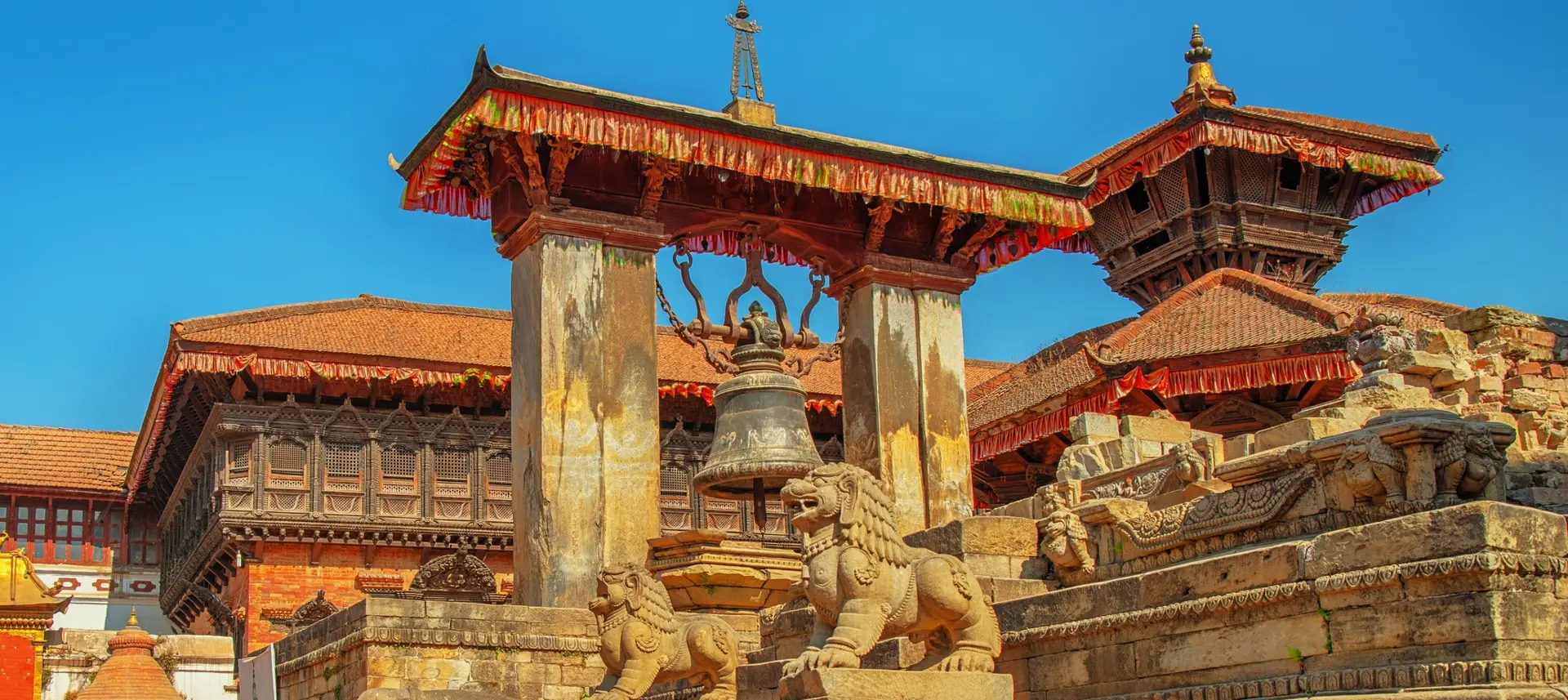
Culture & Heritage
Temples, musées, sites historiques
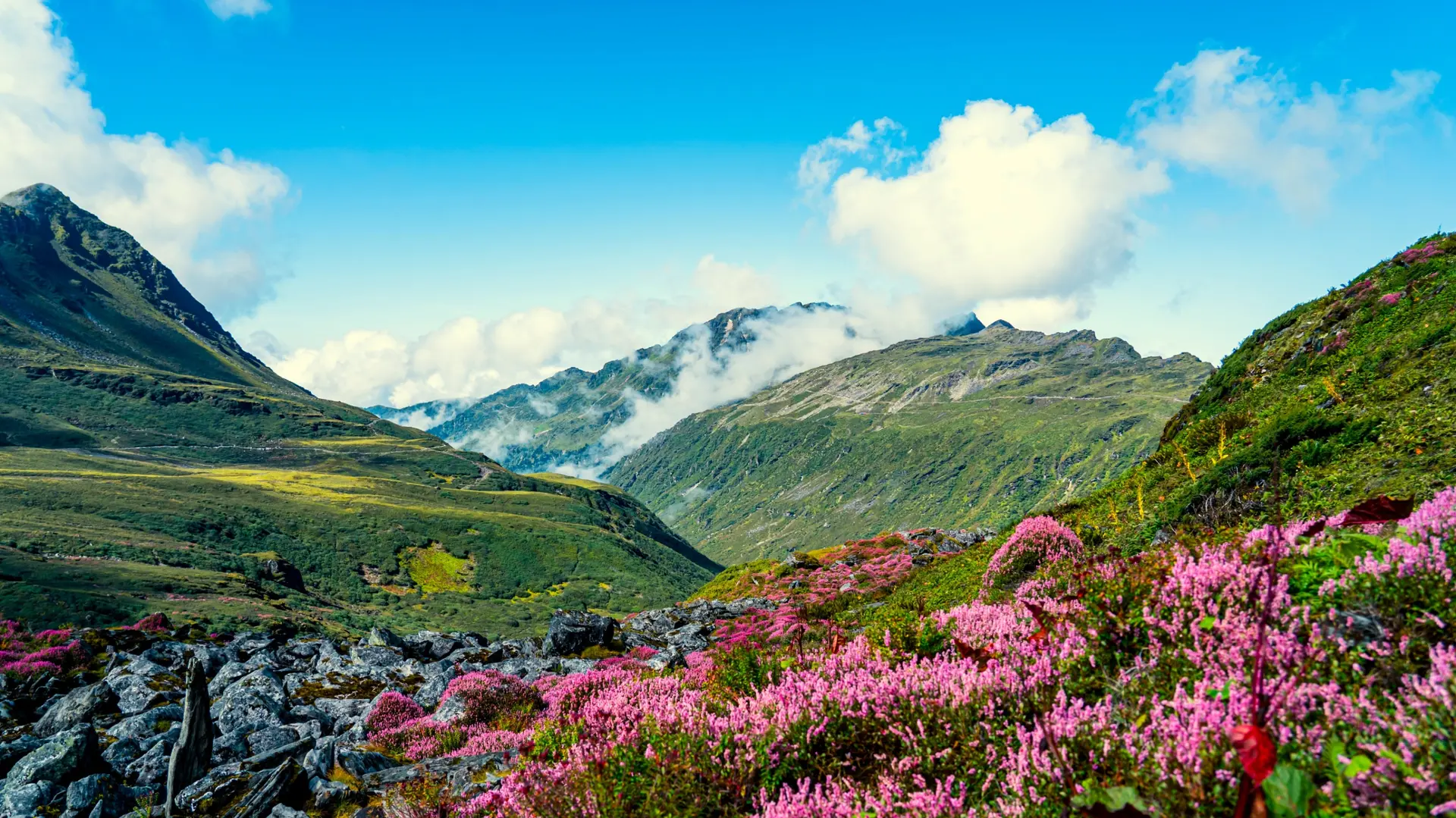
Nature & Landscapes
Parcs nationaux, montagnes, forêts
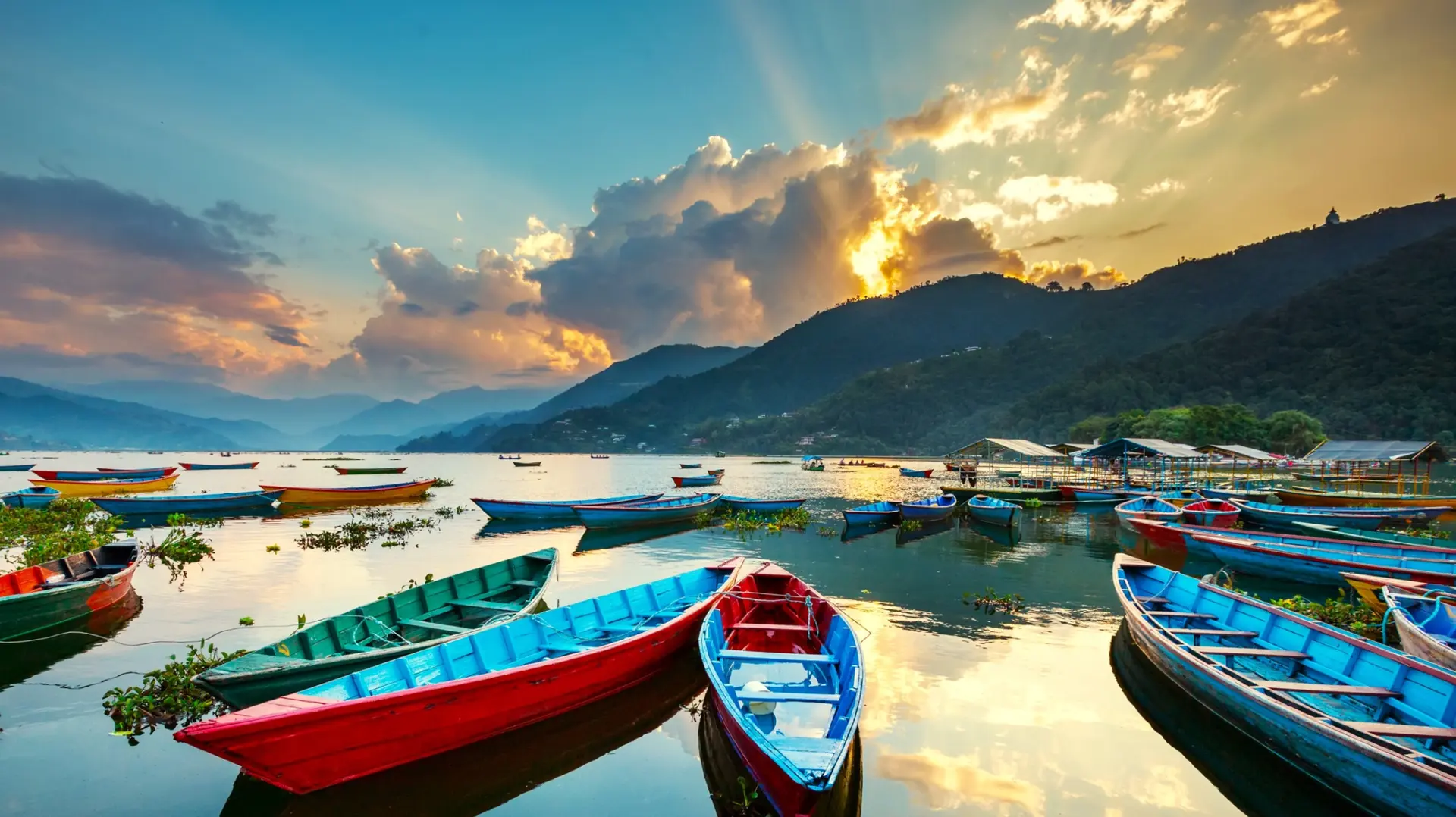
Sea & Beaches
Littoral, îles, sports nautiques
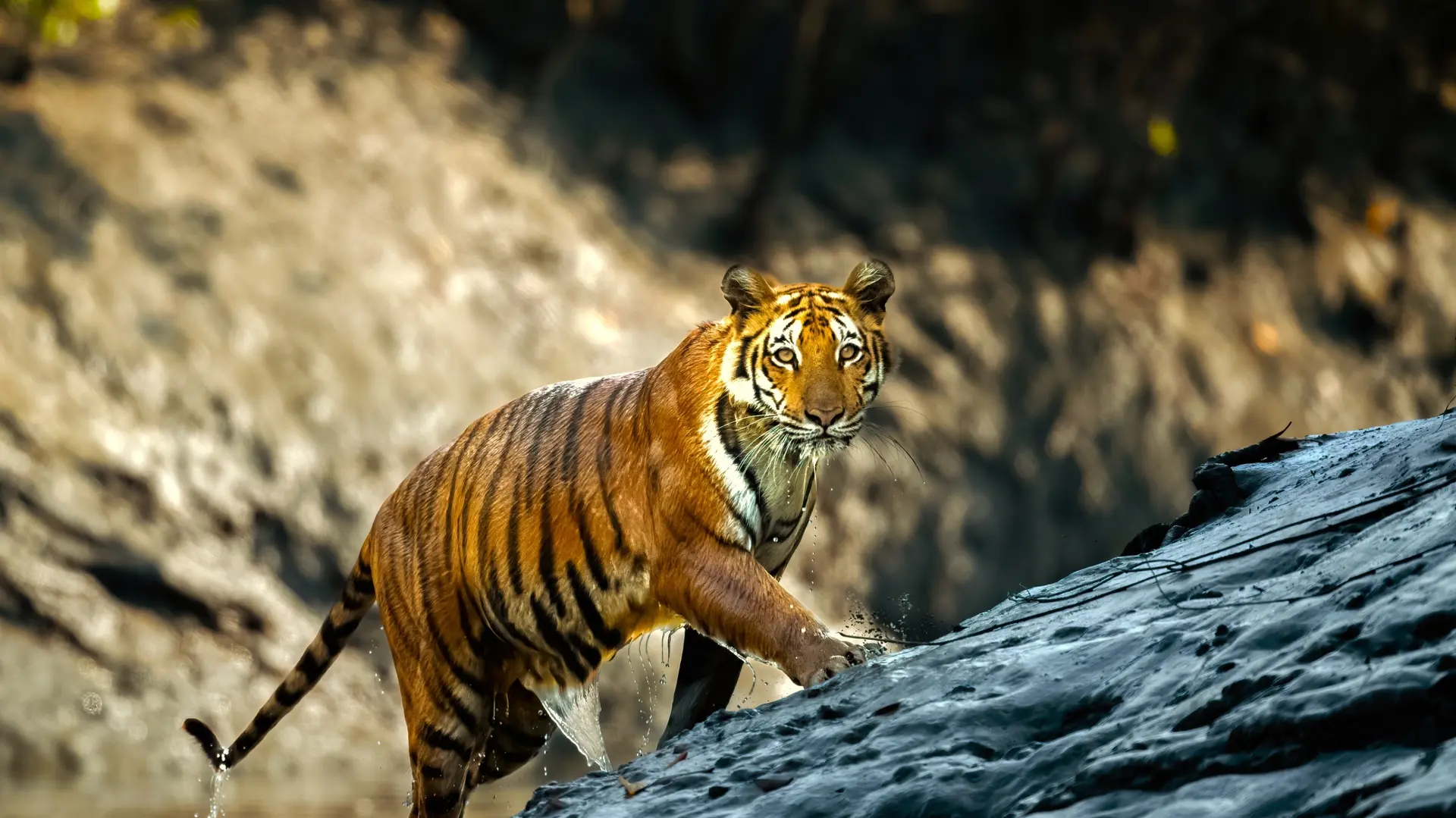
Wildlife & Biodiversity
Observation animale, sanctuaires, réserves
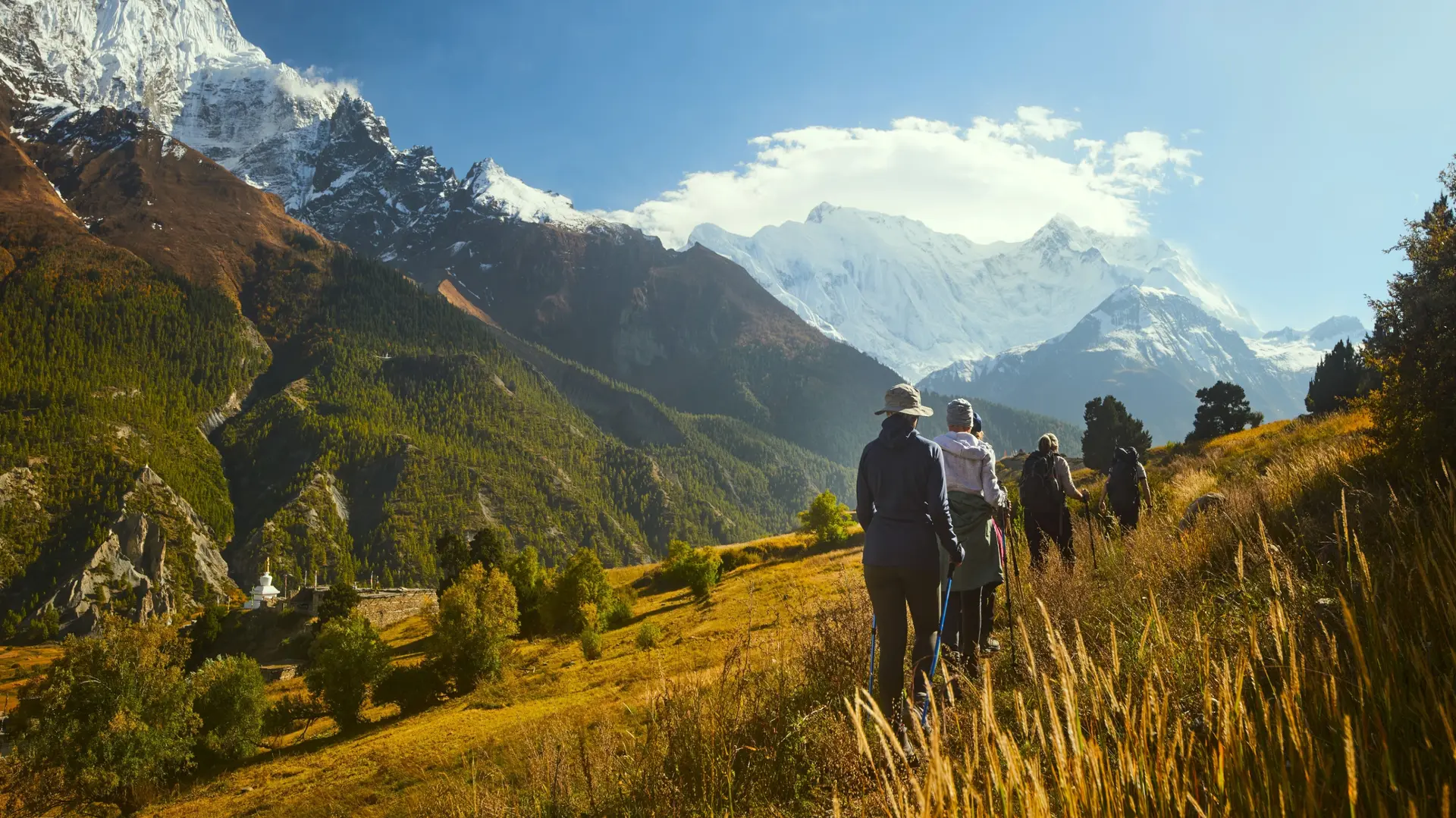
Activities & Adventure
Trek, kayak, escalade, sports outdoor
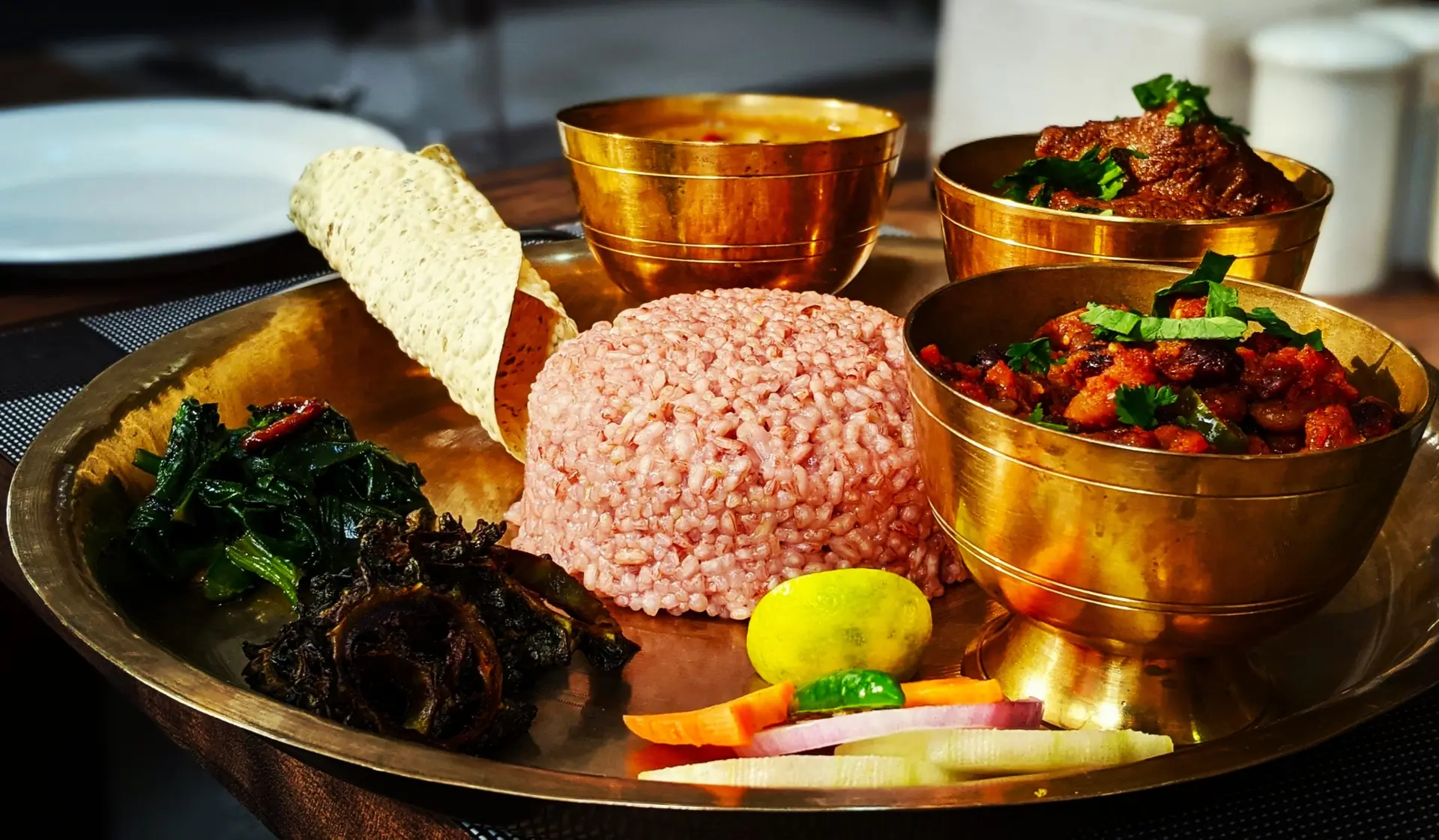
Gastronomy
Cuisine locale, marchés, cours de cuisine
We use cookies to improve your experience and measure our site's audience. You can choose what you accept. Learn more.