In the footsteps of Pasang Lhamu Sherpa: a solidarity trek to Everest for the empowerment of Nepalese women
Trekking to Everest Base Camp is one of those experiences that marks a lifetime. But some expeditions go far beyond the simple physical challenge.
Trekking to Everest Base Camp is one of those experiences that marks a lifetime. But some expeditions go far beyond the simple physical challenge. Such is the case with the Everest Base Camp trek, a unique adventure in Nepal that invites you to walk in the footsteps of Pasang Lhamu Sherpa, the first Nepalese woman to reach the summit of Everest.
Organized for the second consecutive year by the Pasang Lhamu Foundation, in partnership with local agency Bluesheep Journeys, this solidarity trek allows you to experience the mythic Everest adventure while supporting a training program dedicated to Nepalese women. Accessible to anyone in good physical condition with no technical mountaineering skills, this 17-day trek will take place in May 2026 in the heart of the legendary Khumbu region.
To better understand the story behind this adventure and what it truly changes on the ground, we spoke with Dawa Futi Sherpa, daughter of Pasang Lhamu Sherpa and president of the foundation that continues her legacy today.
🏔 The Everest Base Camp trek at a glance
Duration | 17 days (May 14–30, 2026) |
Maximum altitude | Base Camp: 5,364 m — Kala Pattar: 5,545 m |
Daily walking | 5 to 7 hours per day on average |
Guide | Ang Dorje Sherpa, brother of Pasang Lhamu Sherpa |
Required level | Good physical condition — no technical mountaineering skills needed |
Solidarity impact | Training for 10 Nepalese women in mountain leadership |
Everest Base Camp trek: living a solidarity adventure in the footsteps of Pasang Lhamu Sherpa
Before heading out on the Himalayan trails, you must understand what makes the Everest Base Camp trek so special. Because behind this adventure lies a powerful story—that of Pasang Lhamu Sherpa—and an committed project that extends her legacy far beyond the summits.
Who was Pasang Lhamu Sherpa?
| From the Khumbu region, at the heart of the Nepalese Himalayas, Pasang Lhamu Sherpa came from the Sherpa community, historically linked to high-altitude expeditions. Born in 1961, she grew up in an environment where summits were part of daily life, yet mountaineering remained, at that time, an almost exclusively male domain. Nothing seemed to predestine her for history. And yet, in 1993, she achieved an unprecedented feat: she became the first Nepalese woman to reach the summit of Mount Everest. But for her, the stakes went far beyond sporting performance. At a time when women were virtually absent from expeditions, her ambition was clear: to open the way and prove that Nepalese women also deserved their place on the world's highest summits. |

My mother believed deeply that women were capable of anything if given the opportunity. Her dream was not simply to climb Everest, but to prove that Nepalese women could stand at the top of the world, just like men.
— Dawa Futi Sherpa, President of the Pasang Lhamu Foundation
Yet her ascent would remain inseparable from a tragedy: she lost her life during the descent. But far from extinguishing her message, this event would give it an even stronger impact. Her story has since far surpassed a simple mountaineering achievement, becoming a lasting symbol of courage, determination, and empowerment.
🎬 A film to discover her story — The biographical documentary Pasang: In the Shadow of Everest traces her journey, her struggle, and her legacy, helping to better understand the impact of her ascent on Nepalese society.
Why did her ascent mark a turning point in Nepal?
Pasang Lhamu Sherpa's ascent marks far more than a historic first. It fundamentally shifts the place of women in the mountaineering world in Nepal. Before 1993, Himalayan expeditions were almost exclusively male. By reaching Everest's summit, she opened a door and, most importantly, made possible what was not yet possible.
Dawa Futi Sherpa confirms this: "Today, we see many strong Nepalese women who are mountaineers and guides, and I believe her courage contributed to opening this path."
But this recognition now extends beyond the mountaineering world. In Nepal, she became a true national hero: a statue was erected in her honor in Kathmandu, her name was given to a road as well as an entire region, the Khumbu Pasang Lhamu, and she was decorated posthumously with several distinctions, including the country's highest civilian honor.
But beyond the symbols, her legacy is most visible in people's minds. More than thirty years after her ascent, her journey continues to inspire a new generation of Nepalese women to aim higher, claim their space, and redefine what is possible.
Why was this solidarity trek created to support Nepalese women?

Rather than let this story remain in the past, Dawa Futi Sherpa made a choice: to give it tangible continuity. Now president of the Pasang Lhamu Foundation, she works to transform her mother's legacy into sustainable actions, directly rooted in mountain communities.
Because the mountains should offer opportunities to local women, not just to visitors. By linking this trek to a training and leadership program for women, each participant becomes an agent in creating opportunities for those who wish to work professionally in mountains.
— Dawa Futi Sherpa
This awareness gave birth to the solidarity Everest Base Camp trek. The idea: to offer an experience that goes beyond simply contemplating summits, but also allows you to take action, concretely. Indeed, each participation has a direct impact: the trek's proceeds are returned to a training program for Nepalese women wishing to work in trekking and mountaineering.

Dawa Futi Sherpa clarifies: "We focus on programs that create long-term opportunities. This includes scholarships for children in remote mountain communities as well as initiatives that support local livelihoods. Our goal is not just to honor her story, but to create tangible and lasting change."
Everest Base Camp trek: how does the experience unfold concretely?
What does a typical day of trekking look like?
Each day of the trek follows a regular rhythm, designed to progress steadily while allowing your body time to adapt to the altitude.
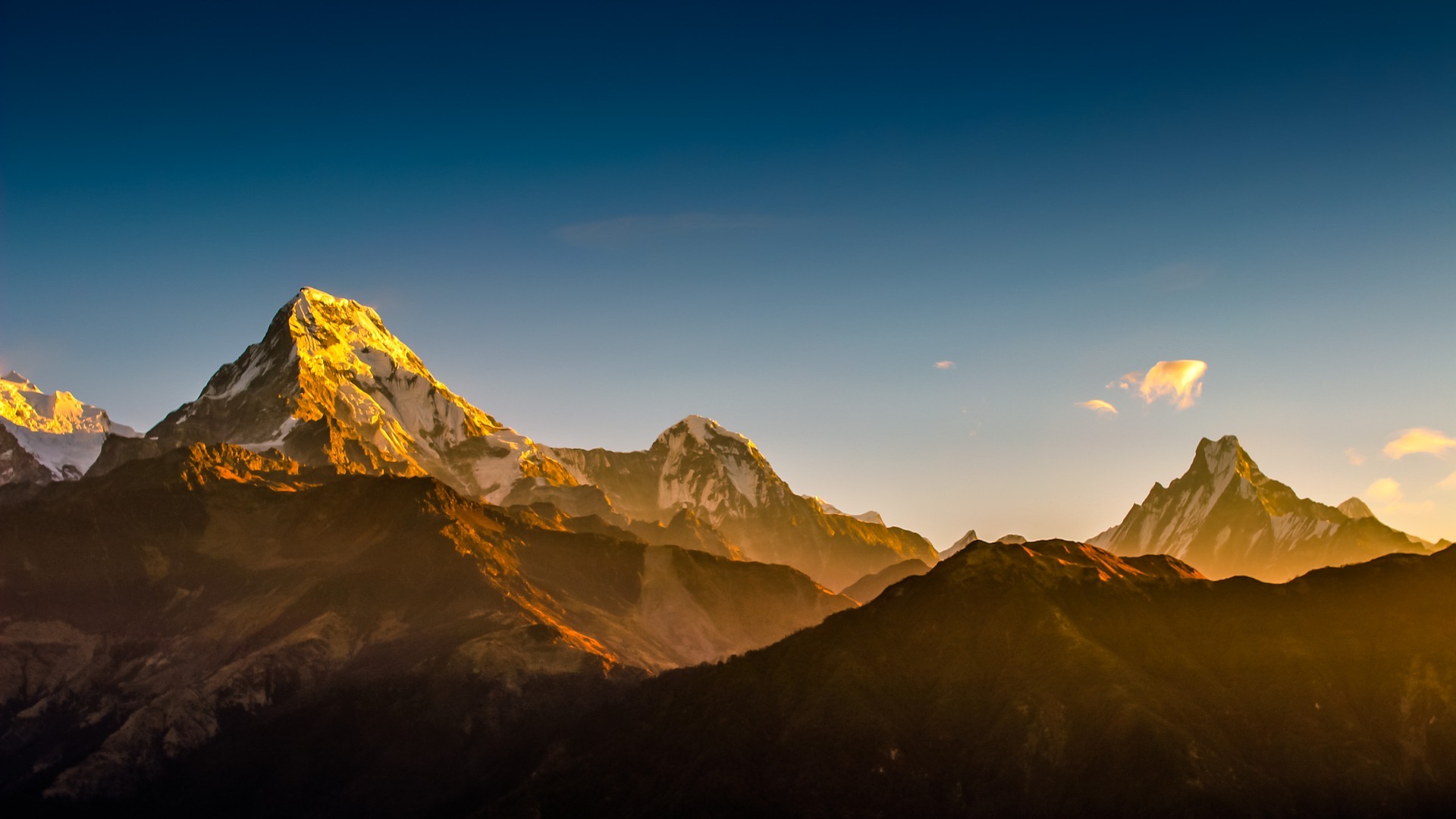
At daybreak, the air is still fresh in the Khumbu valleys. The day begins around breakfast at the lodge before lacing up your hiking boots and hitting the trail, usually around 8 a.m. Quickly, the path opens onto spectacular landscapes: steep valleys, suspension bridges, perched villages, and, as a backdrop, the mythic peaks of the Himalayas.
After approximately three hours of morning hiking, a lunch break is taken in a village along the trail. A simple, yet precious moment to regain strength and observe local life through encounters. In the afternoon, hiking resumes for two to three additional hours, until you reach the lodge for the night.
As Dawa Futi Sherpa notes, "participants typically arrive in mid-afternoon, which leaves time to rest, explore the village, or attend brief briefings before dinner." These quieter moments are very much part of the experience and give the trek a profoundly human dimension.
What level is required to participate?
Contrary to what you might think, trekking to Everest Base Camp requires no technical mountaineering skills. However, it does demand good physical condition and genuine motivation. "The trek is designed for people in good physical condition who enjoy hiking. Technical mountaineering skills are not necessary, but you must be comfortable walking several hours a day," clarifies Dawa Futi Sherpa.
Concretely, participants walk an average of 5 to 7 hours daily, on accessible but sometimes demanding mountain trails, with progressive elevation gain.
One of the main challenges remains altitude. The itinerary leads to Everest Base Camp at 5,364 meters, with a peak at Kala Pattar at 5,545 meters. To limit altitude-related risks, the trek was designed with several acclimatization days, particularly in key villages like Namche Bazaar or Dingboche.
💡 Deliberately cautious pace — "The pace is deliberately cautious so that participants can reach Base Camp safely and in good condition."
Where do you sleep during the trek? Between comfortable lodges and local teahouses
Throughout the trek, travelers alternate between two types of accommodations, designed to balance comfort with local immersion. "Participants stay in a mix of Mountain Lodges of Nepal and traditional teahouses. The MLN lodges offer a high level of comfort and consistent service, while teahouses provide a more authentic local experience," explains Dawa Futi Sherpa.
Concretely, lodges provide a certain level of comfort after several hours of hiking (pleasant rooms, varied meals, warm atmosphere…) while teahouses allow you to get closer to the daily life of the region's inhabitants. Evenings become a genuine experience: sharing a warm meal, exchanging stories with locals, listening to mountain tales, or simply enjoying the silence of the summits.
Why does having Pasang Lhamu's brother as your guide make all the difference?
The Everest Base Camp Trek is guided by Ang Dorje Sherpa, brother of Pasang Lhamu Sherpa, a presence that gives the experience a profoundly human and intimate dimension.
The fact that my uncle, Ang Dorje Sherpa, guides the trek makes the experience particularly special. He brings not only his mountaineering experience, but also personal stories about my mother and the beginnings of Everest expeditions.
— Dawa Futi Sherpa
Through his stories, what trekkers discover is not merely the landscapes, but a living memory of the Himalayas and the early great expeditions. A rare access to a family history and culture that few travelers can approach in this way.
Dawa Futi Sherpa emphasizes: "The support team, guides, and porters also play an essential role throughout the trek. They are the backbone of Himalayan expeditions. Their knowledge of the terrain, culture, and mountains is invaluable."
What are the most memorable moments of the trek for visitors?
Hiking through the Khumbu region, at the heart of the Himalayas, is about far more than moving from one stage to the next: it is immersing yourself in the story of Pasang Lhamu Sherpa, right where her dreams took root.
Certain moments particularly mark people's spirits. This is notably the case during a visit to the gallery dedicated to her in Lukla, the Pasang Lhamu Memorial Gallery. A powerful place, often charged with emotion, that creates "a personal and emotional connection to her life and journey, giving participants the opportunity to understand her determination, the challenges she faced, and the historic ascent that changed the perception of women in mountaineering in Nepal."
But the experience extends beyond a single location. It builds throughout the trek, at the rhythm of the landscapes and altitude. Because here, each trail, each summit, tells part of her story. "Simply being in the Khumbu region creates a powerful connection to her story. It is this landscape that shaped her dreams and her courage."
Gradually, surrounded by the mountains she loved, participants grasp the strength of her journey. Her story ceases to be a distant narrative and becomes something tangible, almost intimate. "At that moment, her story becomes more than a historical account: it becomes something very real and profoundly human."
A trek that changes lives: how your journey concretely supports Nepalese women
As Dawa Futi Sherpa stresses, "each participant becomes an agent in creating opportunities" since by participating in this trek, travelers directly contribute to funding training programs that open new professional prospects.
How many women will be trained thanks to the trek?
Unlike many solidarity initiatives whose impact remains difficult to measure, this Everest Base Camp trek is part of a concrete and transparent approach.
The 2026 edition will finance the training of 10 Nepalese women, selected to join a leadership program directly tied to the trek.
But beyond this figure, a genuine dynamic is taking shape. The goal: to give them the means to become the future leaders of trekking and mountaineering in Nepal. "This program aims to provide them with the skills, confidence, and mentorship necessary to become the future leaders of the sector," clarifies Dawa Futi Sherpa.
A mission she carries out daily through the foundation: "as president of the Pasang Lhamu Foundation, my role is to ensure her legacy continues through concrete actions: supporting education, empowering women in the mountains, and creating opportunities that did not exist during her lifetime."
Participating in this trek is therefore far more than living a personal adventure: it is directly contributing to opening the way for a new generation of women in the mountains.
🌿 Spotlight on the Pasang Lhamu Foundation
Inspired by the historic achievements of Pasang Lhamu Sherpa, the foundation focuses its actions on:
Empowering women in mountaineering and adventure sports
Training and skills development for young women from mountain communities
Scholarships and support programs for disadvantaged girls
Community development initiatives in remote Himalayan regions
Promoting safety, professionalism, and equal opportunity in the adventure tourism industry
Foundation's official website →
What concrete skills and career opportunities will they benefit from?

Far from symbolic approaches, the program supported by this trek rests on concrete learning, directly applicable in the field. "Participants will develop practical leadership and professional skills for working in the mountains, including risk management, communication, group management, and decision-making in expedition environments."
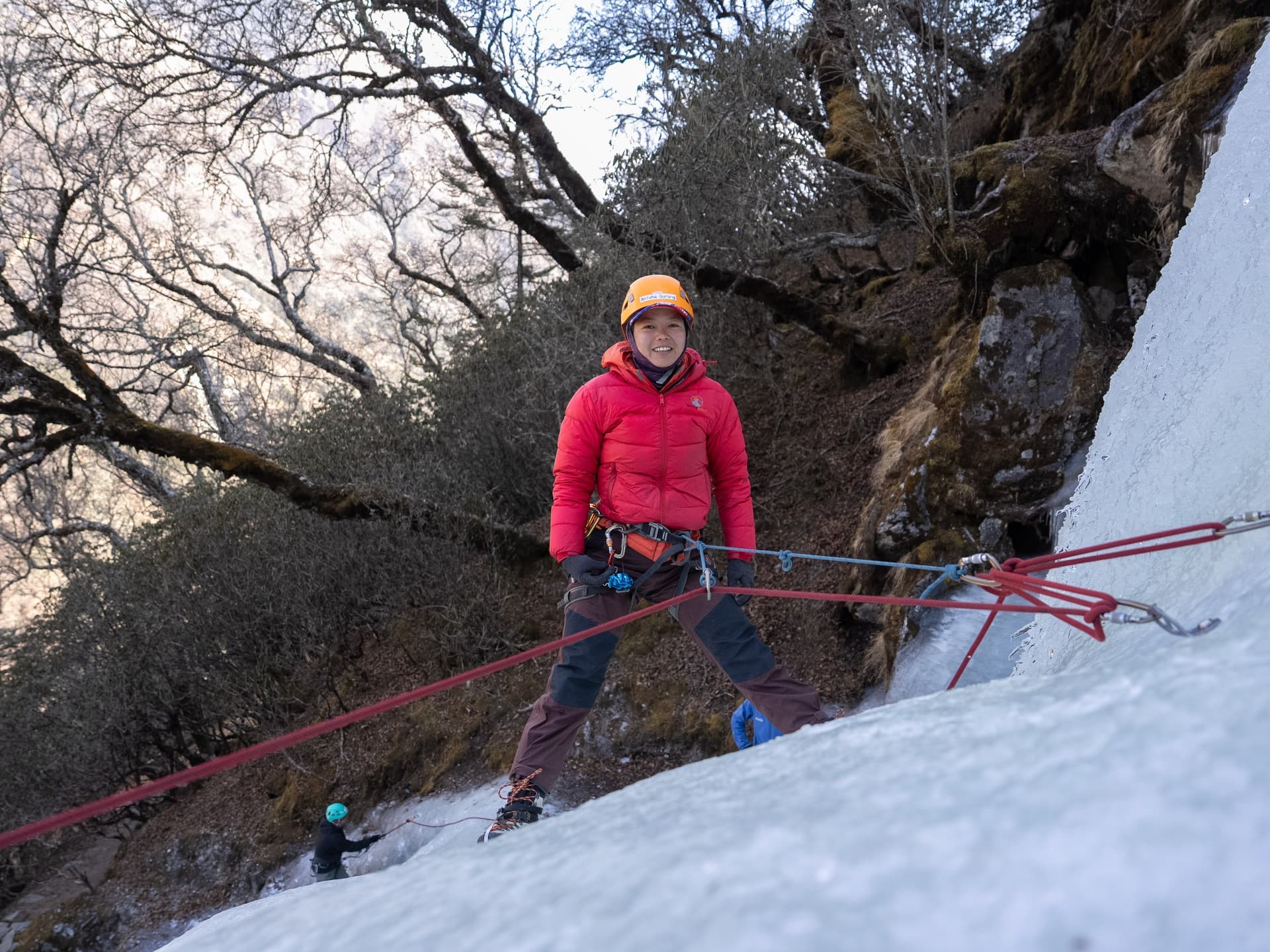
Through hands-on exercises and direct learning in real situations, participants gain genuine field experience: organizing an expedition, coordinating a group, making decisions in real conditions.
Beyond technical aspects, the training also integrates key dimensions for building a sustainable career: public speaking, financial literacy, career planning, and mentoring from experienced mountaineers. And above all, this program was designed to create genuine career pathways. "It is designed to give women the skills, experience, and mentorship needed to pursue careers as trekking guides, expedition leaders, and in other roles in the sector."
The goal is clear: to open real professional opportunities in a key sector of the Nepalese economy. For many, this means accessing financial independence for the first time, but also becoming "role models in their own communities."
And if your trek to Everest could open the way for other women?

By walking in the footsteps of Pasang Lhamu Sherpa, travelers do more than relive a page of history: they participate in writing the next chapter. More than thirty years after her ascent, her message continues to resonate through those who, today, train to become guides, leaders, and key figures in the mountaineering world.
This trek embodies precisely this idea: transforming a personal experience into collective impact.
On one side, travelers from around the world facing a mythic challenge.
On the other, Nepalese women gaining access to new opportunities, financial independence, and a place they did not have before.
And at the intersection of the two: a journey that takes on its full meaning. Because here, reaching the summit is not just about going higher. It is also about enabling others to get there.
Ready to live an experience that goes beyond a simple trek?
Contact the Bluesheep Journeys teams, our English-speaking local agency in Nepal, to learn more about this unique adventure, ask your questions, and build your expedition alongside the Pasang Lhamu Sherpa Foundation.
One thing is certain: you will not return with only images of the Himalayas, but with the feeling of having participated, at your own level, in something greater.
Frequently asked questions
The Everest Base Camp solidarity trek requires no technical mountaineering skills. It is accessible to anyone in good physical condition, accustomed to hiking several hours daily. Participants walk an average of 5 to 7 hours daily on mountain trails with progressive elevation gain. Acclimatization days are scheduled at key stages such as Namche Bazaar and Dingboche to minimize altitude-related risks.
The 2026 edition of the Everest Base Camp solidarity trek will finance the training of 10 Nepalese women, selected to join a mountain leadership program. This program provides them with practical skills (risk management, group coordination, expedition decision-making) as well as support in public speaking, financial management, and mentoring, so they can become trekking guides, expedition leaders, or hold other key roles in Nepal's adventure tourism sector.
The trek is guided by Ang Dorje Sherpa, brother of Pasang Lhamu Sherpa, the first Nepalese woman to reach Everest's summit in 1993. His presence gives the experience a unique and intimate dimension: he shares personal stories about his sister and the early days of Himalayan expeditions, offering participants rare access to a living memory of the Himalayas.
The Everest Base Camp solidarity trek 2026 takes place from May 14 to 30, 2026, for a total of 17 days. It is organized in the heart of the Khumbu region, in the Nepalese Himalayas, by the Pasang Lhamu Foundation in partnership with local English-speaking agency Bluesheep Journeys.
The trek leads to Everest Base Camp at 5,364 meters altitude, with a peak at Kala Pattar summit at 5,545 meters. To enable all participants to reach these altitudes safely, the itinerary includes several acclimatization days at a deliberately cautious pace.
Throughout the trek, participants alternate between two types of accommodations: Mountain Lodges of Nepal (MLN), which offer a high level of comfort with pleasant rooms and varied meals, and traditional teahouses that allow immersion in local life and authentic exchanges with inhabitants of the Khumbu region.