Top 10 Tourist Sites in Bhutan
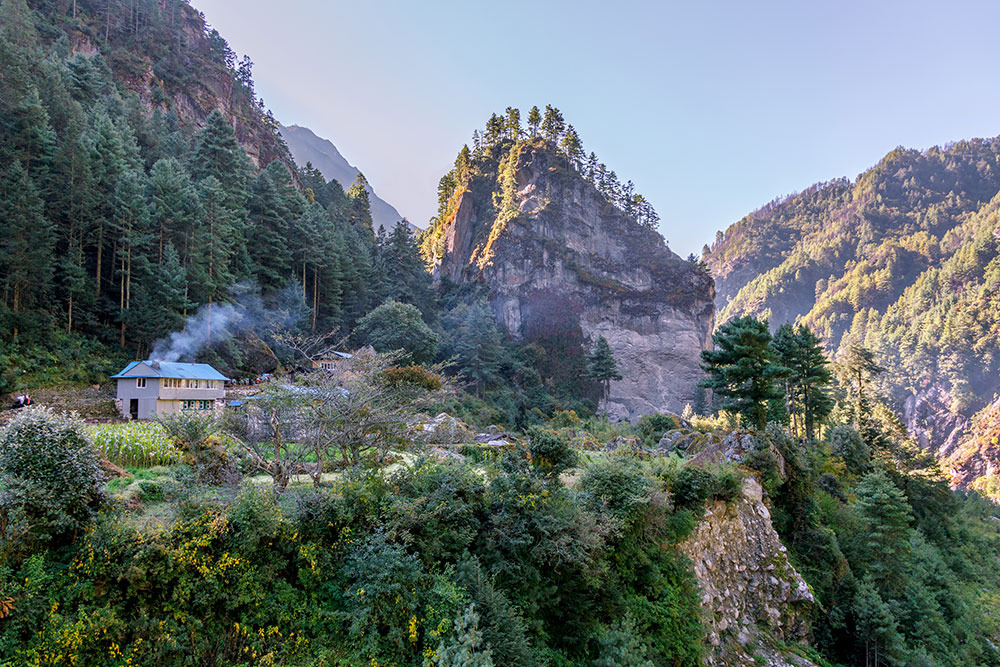
Nestled between China and India, and situated in the heart of the Himalayas, Bhutan is a small kingdom that remains little-known and rarely visited by Western tourists.
Nestled between China and India, and situated in the heart of the Himalayas, Bhutan is a small kingdom that remains little-known and rarely visited by Western tourists. At $250 per day all-inclusive, it is a destination reserved for affluent travelers. This price reflects the government's commitment to preserving the country's authenticity, culture and traditions away from the negative effects of mass tourism.
Bhutan is also known as a pioneer in environmental protection. With forest coverage exceeding 70%, 100% renewable electricity production and 95% organic agriculture, it is today the only country globally with a negative carbon footprint. Beyond its environmental leadership, the kingdom is considered the safest country in continental Asia and ranks 26th in corruption levels, just one place behind France. We present you with a top 10 of the most renowned and interesting tourist sites to experience during your next stay in Bhutan:
Thimphu:
Thimphu is the capital city of the country. Located at 2,350 meters altitude, it is the 3rd highest capital in the world after Addis Ababa in Ethiopia. Due to its geographical location, it is also one of the few capitals without an airport—travelers are obliged to land in Paro, the country's second city. What makes this city attractive is its tranquility and authenticity. With 75,000 inhabitants, it resembles more of a vast village than a capital: police officers functioning as traffic lights, a complete absence of begging (begging is considered the ultimate shame in Bhutan, so no one starves as people are solidary, and the government provides numerous 100% free public services including education and healthcare). The city is marked by several events: in September, for example, the three-day festival "Thimphu Theschu" is organized. Bhutanese people don traditional multicolored costumes and pay homage to an ancient guru named Rimpoché through dances and various chants. The city is also home to a Dzong—a kind of fortress that houses administration and clergy. But one unmissable attraction is visiting the Buddha Dordenma statue. At 51 meters high, this Buddha statue ranks as the 23rd largest statue in the world. This immense Buddhist monument is covered in gilded bronze and gold. Inside the statue, a temple has been erected and houses thousands of small golden Buddha figurines. 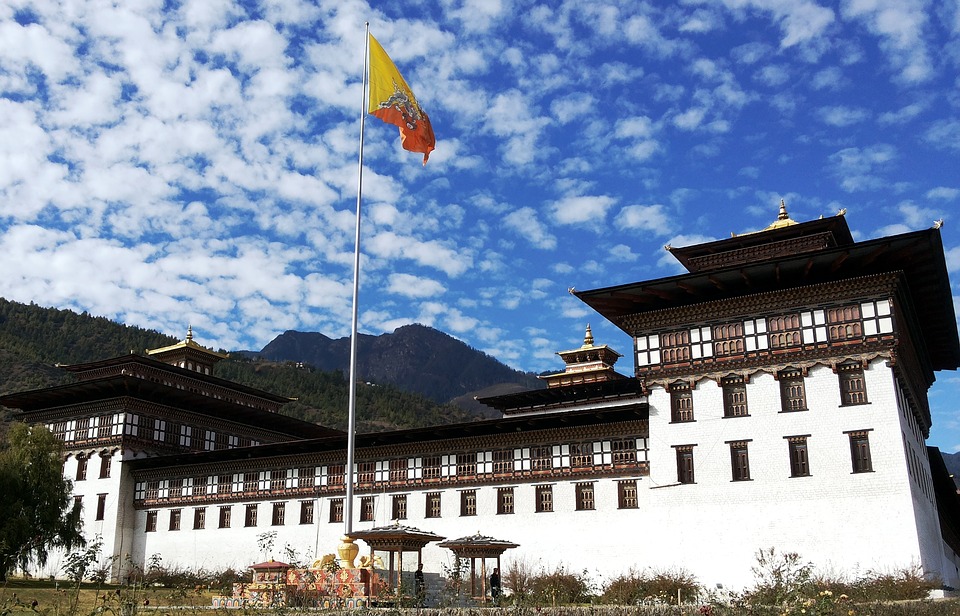
Paro
Paro is the kingdom's second city and is also home to its only international airport. For the most popular tourist sites, head to the National Museum and the Dzong that overlooks the city. Also visit the local market and taste the famous yak cheese. Attend archery competitions as well—a very popular sport in Bhutan. 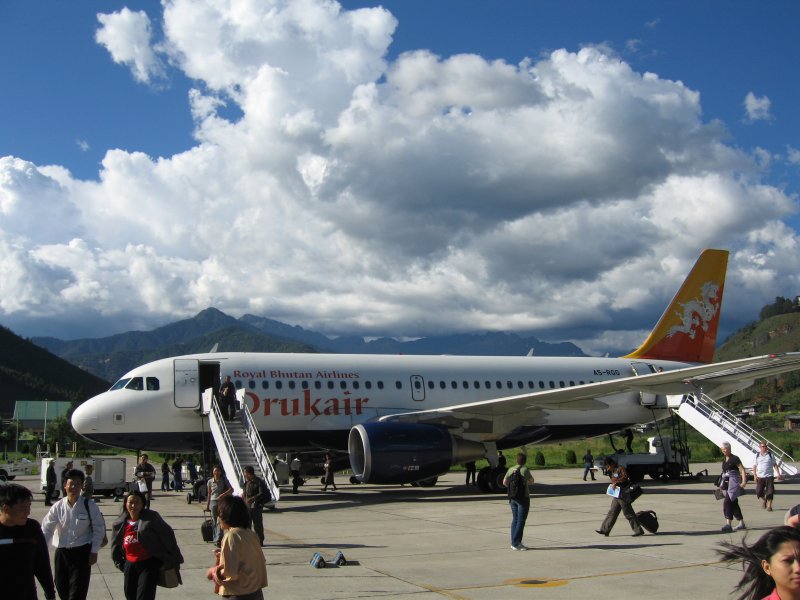
Punakha (city)
The former capital of Bhutan, it is located 3 hours by car from the current capital, Thimphu. 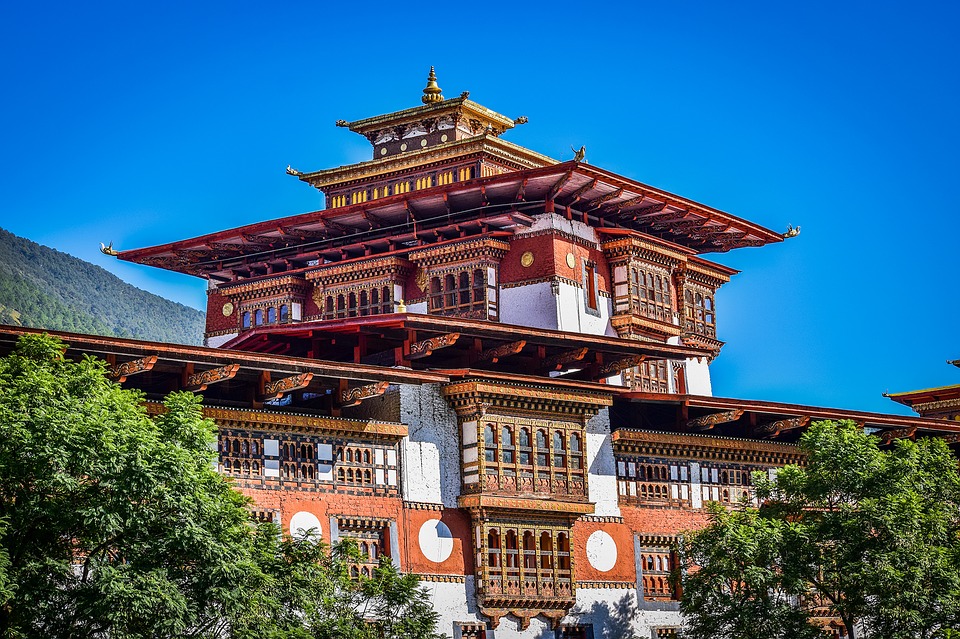
Dochula
Dochula is a pass located at 3,100 meters altitude. One of its special points of interest is its vantage point overlooking Mount Gankhar Puensum (the world's highest unclimbed peak, standing at 7,570 meters). The Dochula pass is a sacred site where Bhutanese go to pray. 108 small chortens have been built and are dedicated to Bhutanese victims killed in terrorist attacks by Indian militants in the early 21st century. The pass is also surrounded by the vast Jigme Dorji National Park (4,316 km²). 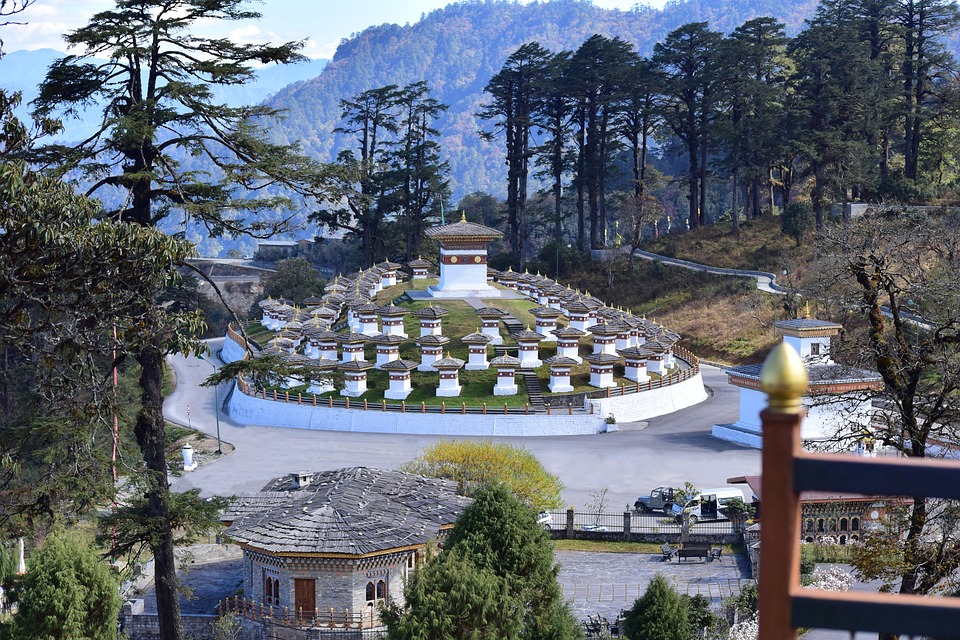
Chele-La Pass
Chele-La is a pass located at 3,988 meters altitude. The pass separates Paro Valley from Haa Valley. The pass's appeal lies in the extraordinary views of Mount Jomolhari (7,326 meters), and also, if the sky is very clear, of Kangchenjunga (8,586 meters), the 3rd highest peak in the world located on the Indo-Nepalese border. 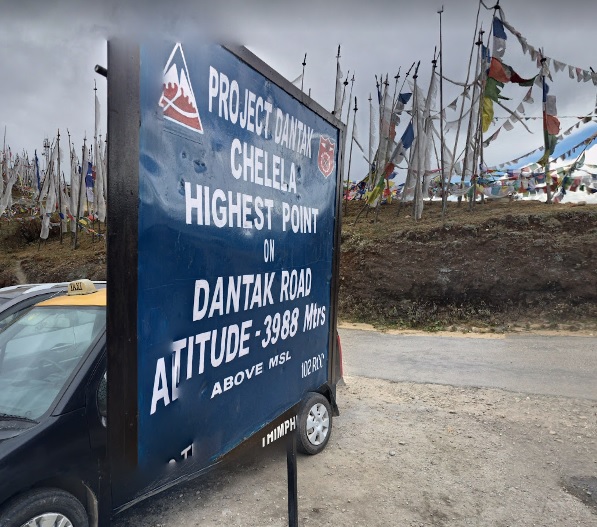
Taktshang Monastery
Taktshang, or "tiger's lair," is the most famous Buddhist monastery in Bhutan. It perches on a cliff at 3,120 meters altitude, approximately 700 meters above Paro Valley. Taktshang Monastery comprises seven temples, all of which can be visited. Access to the monastery is by foot or donkey. At 300 meters from the monastery, there is a hermitage where a monk typically isolates themselves for 3 years with no contact. 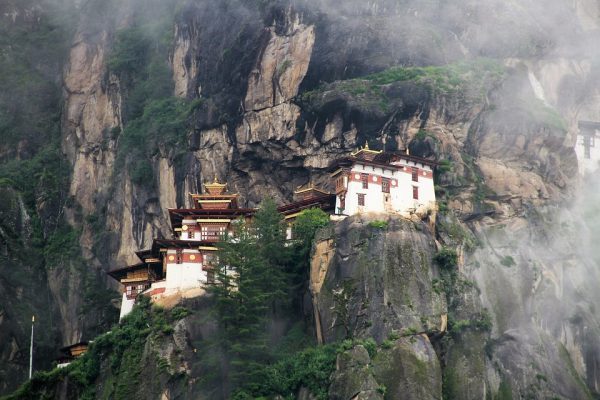
Phajoding
A monastery visible from Thimphu, it lies on the famous "Dragon Trek" route connecting Paro to the capital. The Buddhist monastery is nestled above 3,500 meters altitude and offers incredible views of the kingdom's eastern peaks and the Dochula pass.
Dodena Monastery
Just 2 hours on foot from the capital, you'll find Dodena Monastery. Situated deep in the forest, it is a place rarely frequented by trekkers. The perfect compromise is to spend the evening chatting with the monks and sleep in one of the guesthouses.
Jele Dzong
Located 7 hours round-trip hike from Paro, the Dzong today houses a museum. It also offers incredible views of Mount Jomolhari (7,326 meters) and the mountains that form the border with Tibet. The site also features an archery range and is surrounded by a forest of pines and rhododendrons. 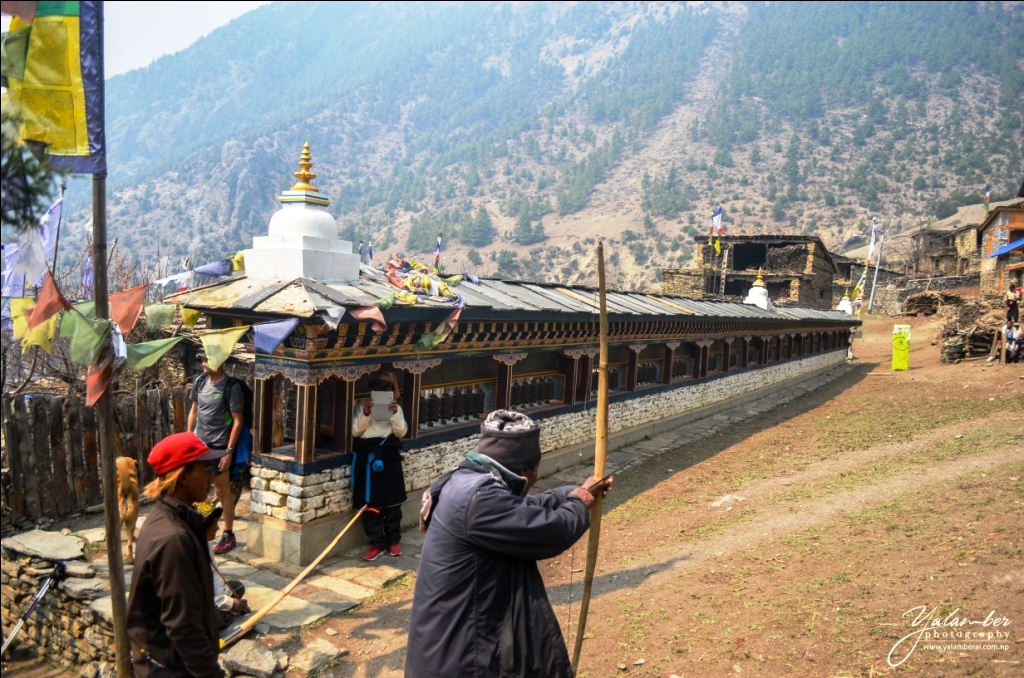
National Parks
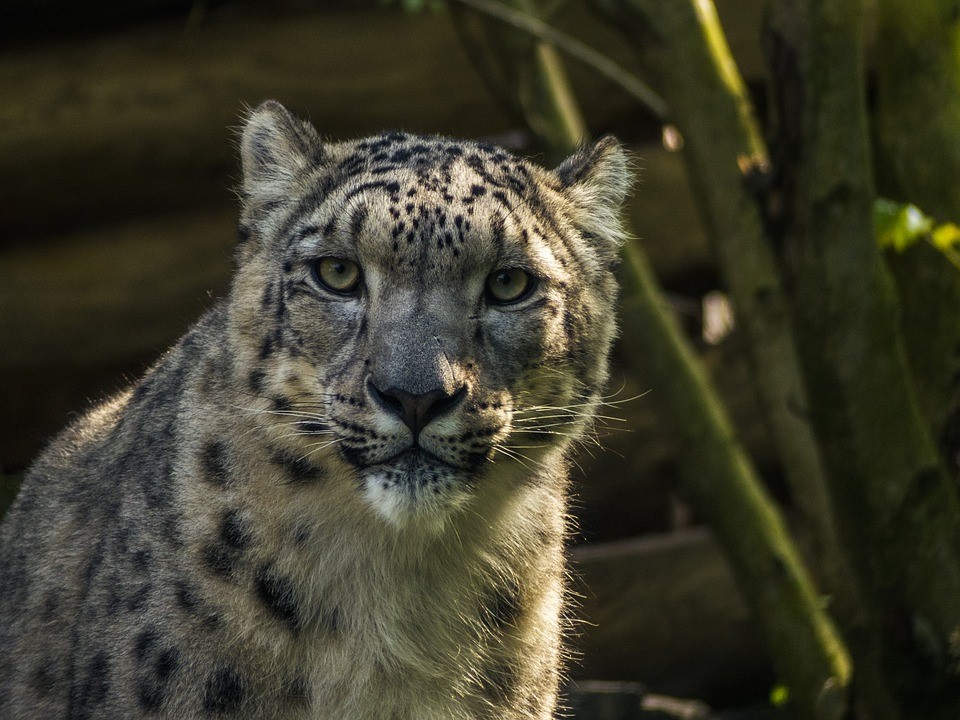
Bhutan is home to numerous conservation areas and natural reserves (around a dozen in total). The country has enshrined in its constitution a minimum of 60% of territory that must be protected, and 40% is already designated. The remaining 20% is also protected but not yet sanctuarized. These protected areas are all connected by ecological corridors, allowing wildlife to move freely between different protected zones. The parks host extremely rich and varied fauna and flora. Notable species include the Bengal tiger, snow leopard, gharial, clouded leopard, and wild water buffalo. This incredible biodiversity is explained by the country's immense conservation efforts, but above all by its geographical situation. The country possesses a multitude of different ecosystems ranging from wetlands and marshes in the south to the Himalayan mountains. The most well-known national parks are: -Jigme Dorji National Park -Jigme Singye Wangchuck National Park -Phrumsengla National Park -Royal Manas National Park -Royal Botanical Park, Lampelri -Wangchuck Centennial National Park 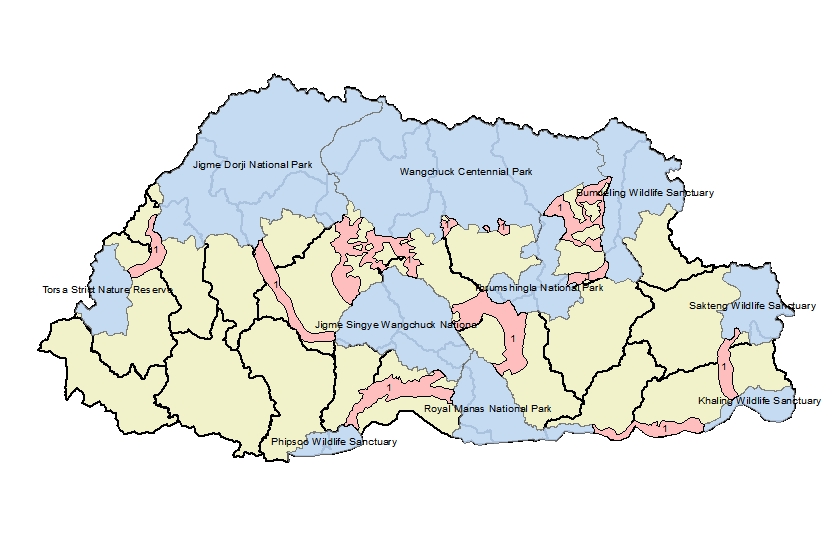 Voyage-nepal.com also organizes your stay in Bhutan! So what are you waiting for?
Frequently asked questions
Bhutan imposes a daily tariff of $250 per person, including accommodation, meals, guide and local transportation. This all-inclusive rate is mandatory for all foreign tourists and aims to preserve the country's authenticity by limiting mass tourism.
The best times to visit Bhutan are spring (March to May) and autumn (September to November), which offer clear skies ideal for admiring Himalayan peaks from passes like Chele-La and Dochula, and optimal conditions for trekking.
There are no direct flights from France. Travelers arrive at Paro Airport, Bhutan's only international airport, typically via a stopover in Bangkok, Delhi, Kathmandu or Singapore. The capital, Thimphu, has no airport.
A Dzong is a fortified citadel typical of Bhutanese architecture. It houses both local government administration and the Buddhist clergy. Examples can be found in Thimphu and Paro, where they constitute unmissable tourist sites.
Taktshang Monastery, perched at 3,120 meters altitude, is accessible on foot or by donkey. The climb from Paro Valley represents approximately 700 meters of elevation gain and requires good physical fitness. The hike typically takes 2 to 3 hours one way.
Yes, Bhutan is considered the safest country in Asia. The absence of begging, low crime rates and social cohesion make it a very secure destination. The country also ranks 26th globally in terms of low corruption.