Nepal's Wildlife Fauna
From the remains of refined civilizations to mountain ranges caressing endless snowy skies, this was long what visitors sought in Nepal.
From the remains of refined civilizations to mountain ranges caressing endless snowy skies, this was long what visitors sought in Nepal. Just a few years ago, Kathmandu airport's tarmac welcomed as many commercial flights as Indian or United Nations cargo planes laden with humanitarian aid. But over the past decade, the country has chosen to develop an untapped heritage treasure: its wildlife.
A multitude of ecosystems
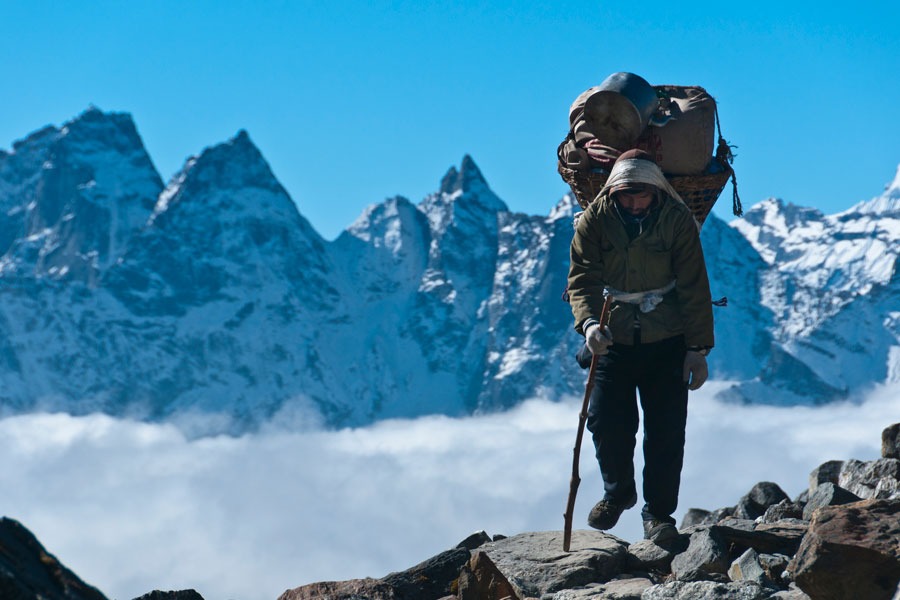
Within this small nation where borders are defined by the unique topography of the Himalayan high peaks, lies one of Asia's greatest faunal diversities. The country now boasts around twenty protected areas, including 3 wildlife reserves and 10 national parks. These cover 19% of Nepalese territory—a drop in the ocean compared to its Bhutanese neighbor, where 60% is protected. Yet research has identified more than 1,300 species of mammals, birds and reptiles—4% of all species on Earth across a territory representing just 0.1% of the planet's surface. This remarkable biodiversity stems from ecosystem variety: to the south, the Terai plains where savanna, marshland and tropical forests intermingle; to the east, the Trans-Himalaya with its vast, desert-like mountainous region; to the north, the great Himalaya with countless peaks exceeding 5,000 meters battling jet-stream forces; and finally the central Hills, home to the Kathmandu Valley and zones conducive to human activity.
Face to face with Nepal's wilderness
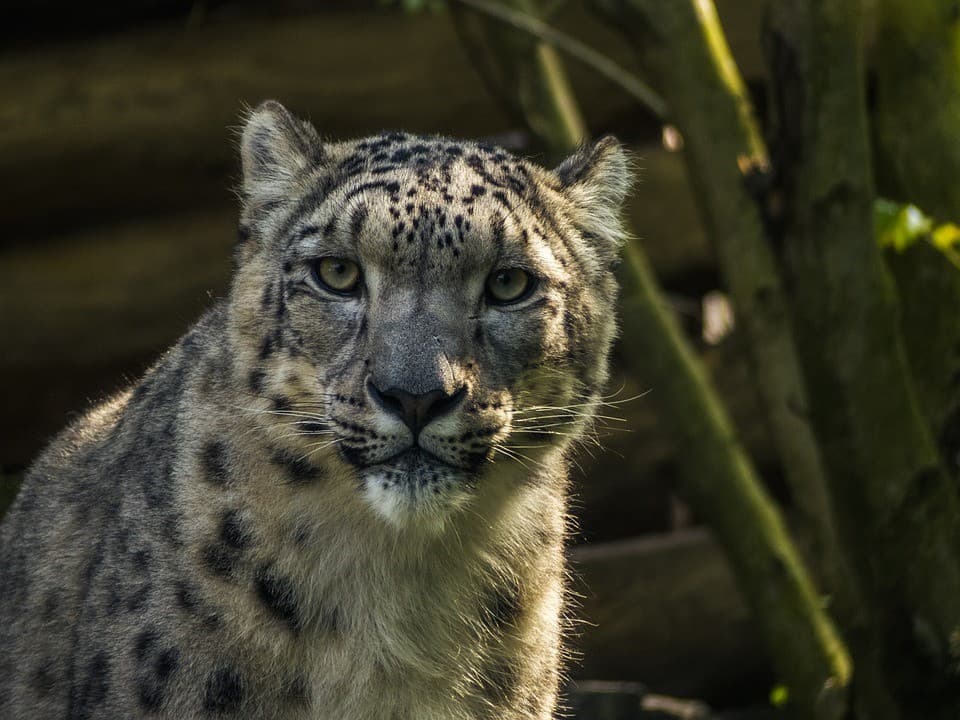
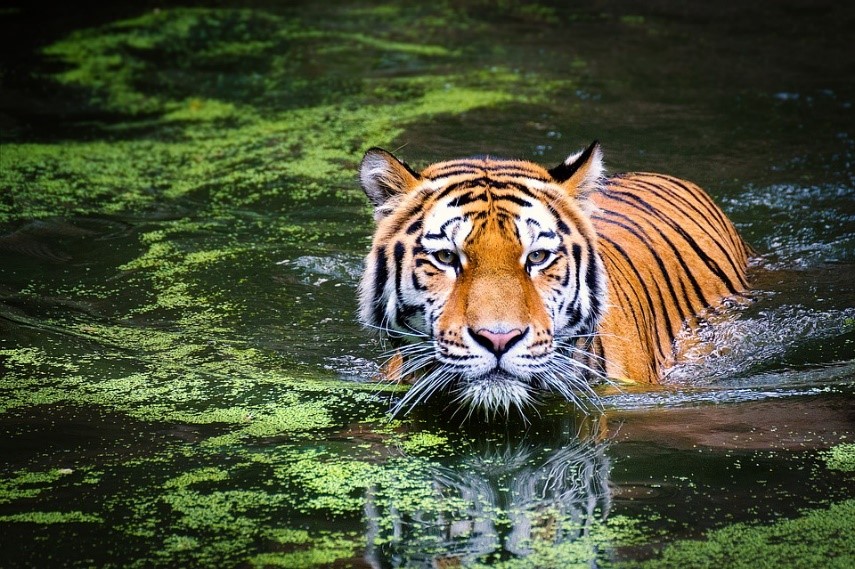 For adventurers, head to Chitwan National Park in the country's south. Nestled within lush forest, expeditions lead you on the trail of the Bengal tiger. Still rare today, you'll likely encounter one-horned rhinoceroses and may catch the reptilian gaze of the gharial. To increase your chances of spotting these animals, we recommend hiring a local guide and avoiding the well-known elephant-back excursions. In the Northeast, Langtang National Park challenges the Himalaya's highest peaks. With nearly 18 ecosystems spanning from eternal snows of high Himalayan mountains to tropical forests, the park harbors the red panda, Himalayan tahrs, and the snow leopard. In the northwest, visit Shey Phoksundo National Park. Nepal's largest park, set within predominantly mountainous landscape, hosts numerous predators including the Asian black bear, Indian leopard and grey wolf. In the center, within the Dhorpatan Hunting Reserve, it's possible to spot the renowned snow leopard.
A threatened biodiversity
Just 25% of the territory is forested. Its Himalayan neighbor Bhutan boasts forest coverage close to 70%. The latter's stability and adoption of an environmental constitution enabled preservation of numerous regional endemic species already lost in Nepal. Deforestation in Nepal triggers increased landslides, accelerated desertification and declining biodiversity. The State invests in reforestation programs, but these efforts remain insufficient, prioritizing economic over sustainable development. 
Illegal hunting represents one of Nepal's greatest challenges. Used in traditional Chinese medicine as an aphrodisiac, various feline species—snow leopard, Indian leopard, Himalayan lynx—all face poaching. Nepal, praised by experts and ecologists, has implemented effective surveillance measures for wildlife preservation.
The most remarkable efforts have saved the one-horned rhinoceros, with only one killed illegally every two years.
Poor waste and wastewater management harm waterways, directly affecting food chains and local populations.
Finally, Nepal's population growth poses major environmental challenges: ecological fragmentation from habitat reduction through chaotic urban sprawl and ever-increasing road construction disperses populations of the same species. This results in declining genetic diversity. The future of fauna and flora depends on resources mobilized by authorities. But at stake is not merely biodiversity—also tourism influence and thus GDP.
Frequently asked questions
Nepal harbors exceptional wildlife. In Chitwan National Park, you can observe the Bengal tiger, one-horned rhinoceros and gharial. In the mountains, Langtang Park welcomes the snow leopard, red panda and Himalayan tahrs. Shey Phoksundo Park is home to the Asian black bear, Indian leopard and grey wolf.
The best season for observing wildlife in the Terai plains (Chitwan Park) is the dry season, October through April. Sparser vegetation facilitates sightings. For Himalayan fauna like snow leopards, winter (December-February) is ideal as animals descend to more accessible altitudes.
Nepal boasts 10 national parks, 3 wildlife reserves and other protected areas, totaling roughly 19% of national territory. Among the most celebrated are Chitwan, Langtang and Shey Phoksundo National Parks, each hosting unique ecosystems and species.
Nepal strives to develop responsible ecotourism. It's recommended to favor walking or jeep safaris with a local guide rather than elephant-back excursions, criticized for animal welfare impacts. The country has further implemented effective anti-poaching surveillance measures, praised by conservation experts.
Nepalese biodiversity faces multiple major threats: deforestation (only 25% of territory is forested), poaching linked to wildlife trafficking for traditional Chinese medicine, poor waste management polluting waterways, and habitat fragmentation from urban sprawl and road construction.