Nepal, Tibet or Bhutan? Which destination to choose?
In the heart of the Himalayas, these 3 countries (or provinces) are culturally very close yet vastly distant geographically, economically and politically.
In the heart of the Himalayas, these 3 countries (or provinces) are culturally very close yet vastly distant geographically, economically and politically. Between Bhutan, a kingdom closed unto itself that has preserved its traditions; Népal, a country whose population is considered the most welcoming in the world; and Tibet, home to the Dalai Lama, it's difficult to choose. We've made the decision for you.
Price:
It's one of the top 3 travel criteria. And the least expensive destination remains Népal. Travel agencies, dining, accommodation, public transport—prices are incredibly affordable. Be warned, though: taxis, for example, tend to multiply prices by 5 if you're a tourist. As for 5-star hotels, prices are more or less the same as in Europe. It's worth noting that the cost of living for a student in Kathmandu is still higher than for that same Belgian student in Slovakia, Ukraine or Hungary. The most expensive destination is Bhutan: tourists must pay approximately $250 per day. Even though everything is included (accommodation, car, guide...), it draws a rather affluent clientele. Tibet's tariffs fall somewhere between the two.
Flights:
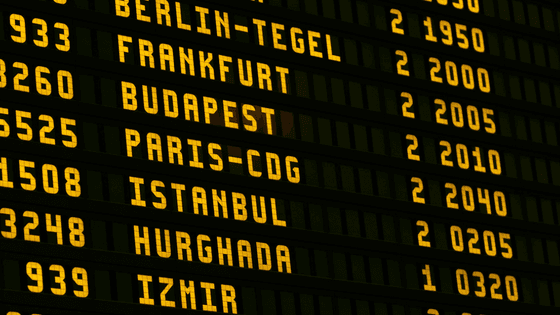
The simplest option is Népal. No airline offers direct flights to these 3 destinations. From Brussels, Geneva or Paris heading to Kathmandu (Népal), there's a minimum of 1 stopover. You can find flights with short connections. With Qatar Airways, you can find flights with transits of 50 minutes in Doha. To reach Bhutan's sole international airport, Paro, or Lhassa airport in Tibet, it's a far more complex undertaking. To reach Lhassa, it's generally 2 stopovers. You can reach Paro from India, Népal or even Thailand. But since it's impossible to enter Bhutan without going through a travel agency, it's more difficult.
Visa :
In terms of price, Bhutan wins with a visa issued for $20 in Paro. Next comes Népal with rates starting at $25 for 15 days, $40 for 30 days and $100 for 3 months. It's possible to obtain your visa at Kathmandu airport. The most difficult, and by far, is Tibet. The rules change every 6 months. To visit Tibet, you need a Chinese visa issued only from your country's embassy. Then you must complete all administrative procedures to obtain a Tibet entry permit. For Tibet, the ideal and easiest approach is to contact your travel agency.
Landscapes:
Chinese wealth allows Tibet to rank at the top in terms of infrastructure and safety. The same applies to Bhutan, a luxury destination. The roads in these locations are clean and paved, electricity problems are non-existent, and the environment is well protected against poaching and deforestation. In terms of safety, Tibet and Bhutan are equal: with a significant military presence and the widespread installation of CCTV over recent years, even in rural areas, the only assault you might face in Tibet is from police if you violate the law. Bhutan has no CCTV, just a very well-educated population. Népal has at least as many spectacular landscapes, with 8 of the world's 14 mountains over 8,000 meters located on its territory. But the country's Achilles' heel concerns its relationship with the environment. Cities lack sewer systems, waste is dumped directly into nature, and it's nearly impossible to walk 5 minutes without seeing litter on the ground, even at 4,000 meters altitude in the middle of nowhere. In contrast to Bhutan and Népal, the Tibet province has far more arid landscapes. Vast plains swept by wind and scorched by sun 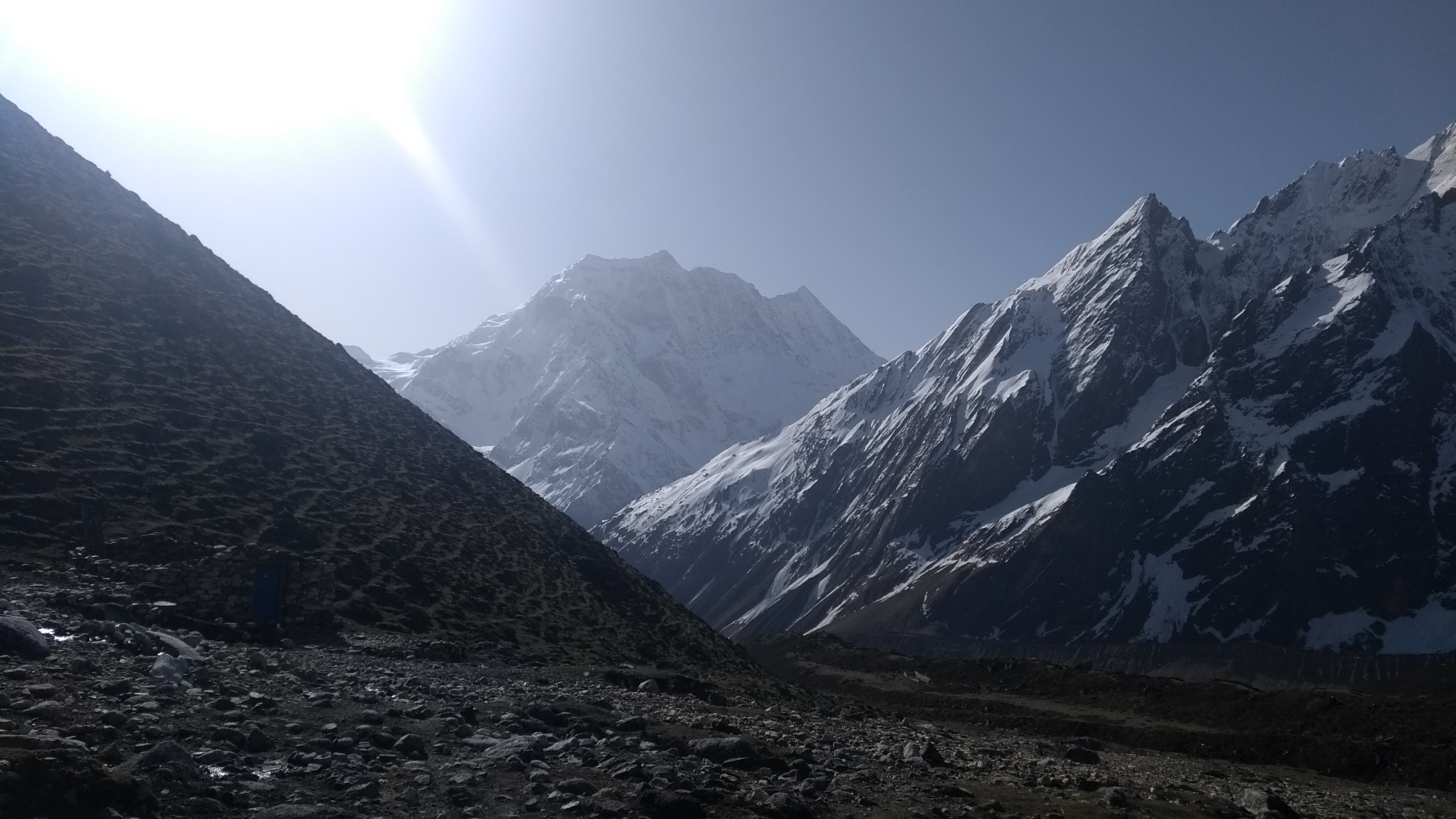
Activities:
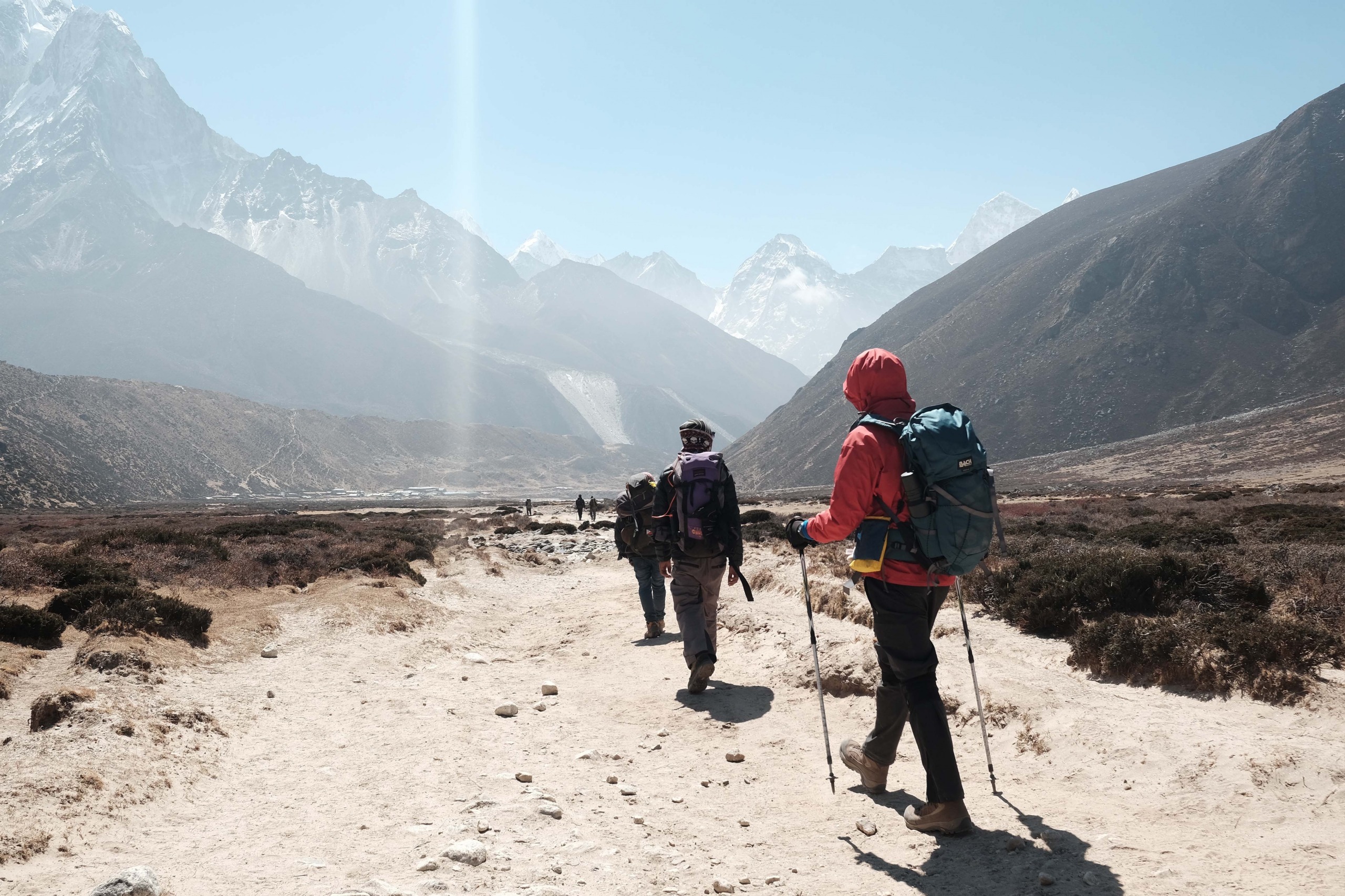
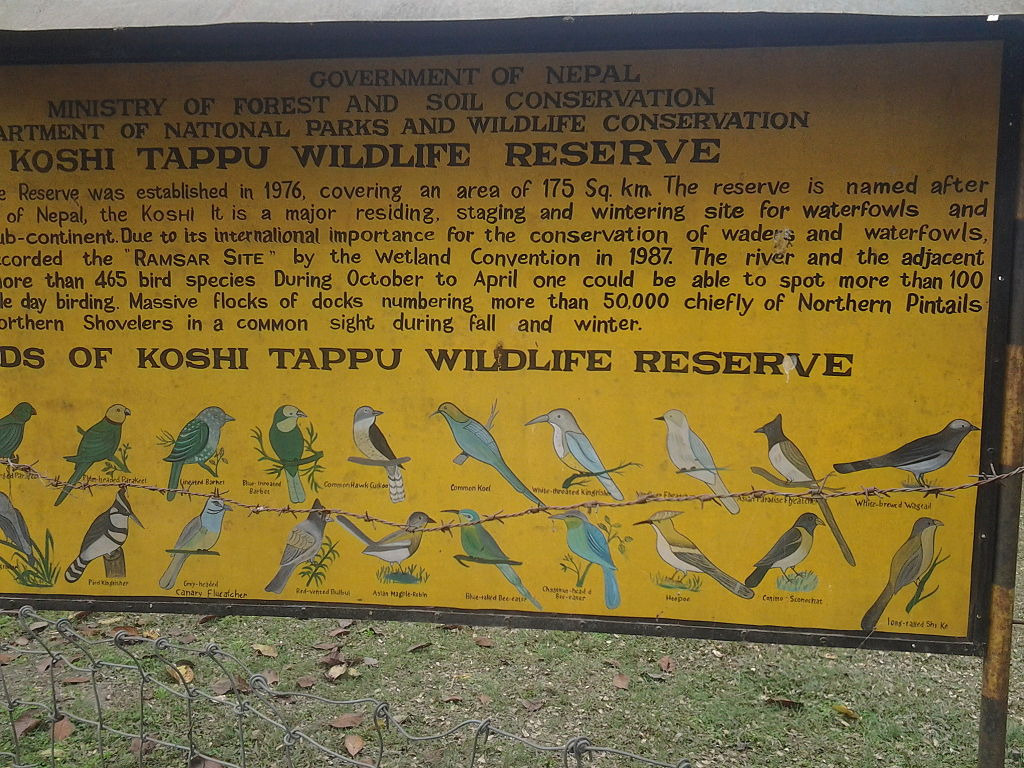
Népal offers a vast range of easily accessible activities. Its neighbors offer them too, but at a higher price. Népal and Bhutan both have wetlands in the south. This is the opportunity to undertake safaris, traverse marshlands by boat, activities impossible in Tibet. Nevertheless, Népal is preferable for all these activities because you can organize them on the fly yourself. In Bhutan, you cannot travel in rural areas without an escort. This can create organizational challenges when planning sports activities, for example. 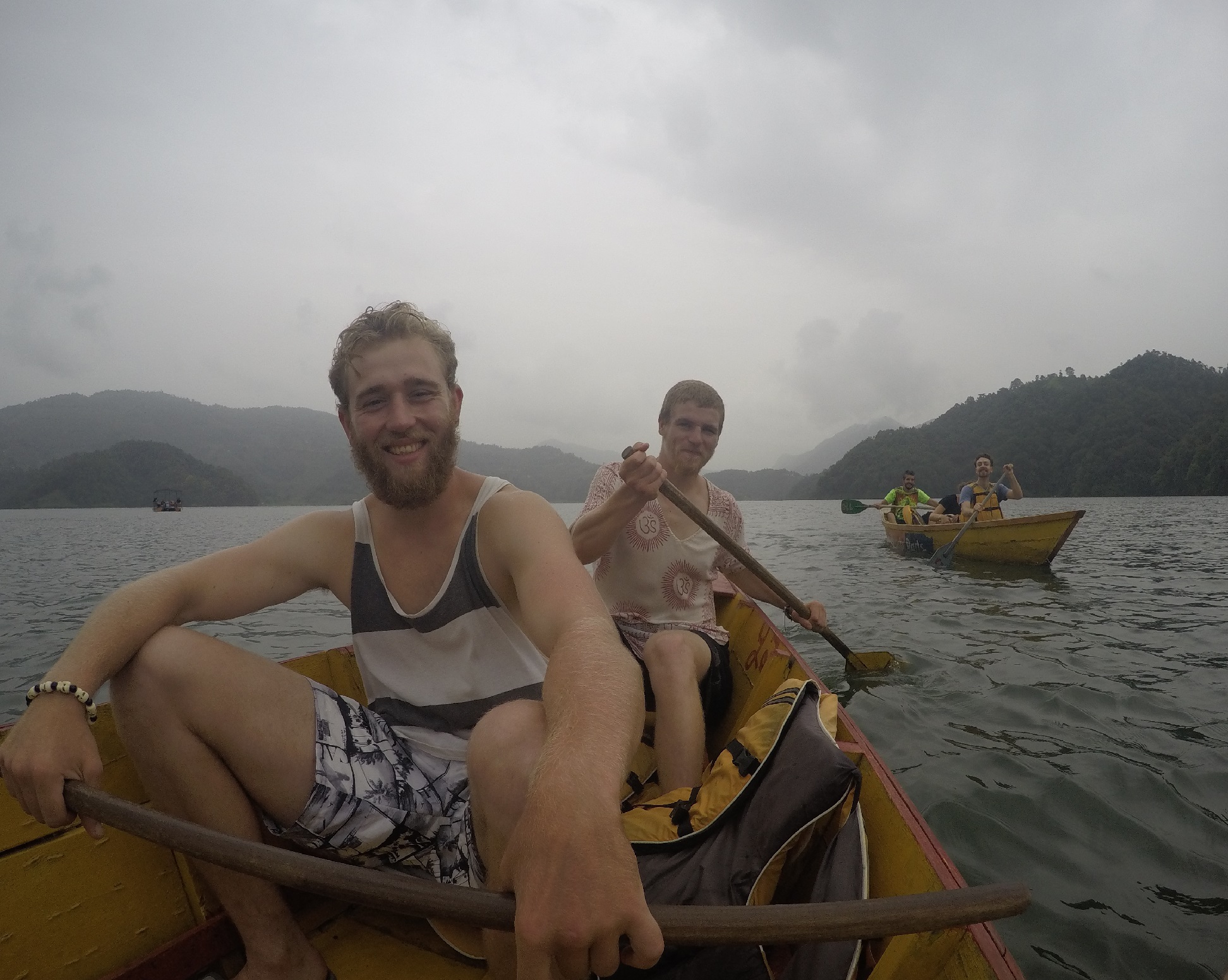
Culture:
In terms of religion, Tibet and Bhutan are Buddhist while Népal is predominantly Hindu. In Népal, the north is heavily influenced by Tibetan culture. You'll find all sorts of religious buildings amid the Himalayan mountains. But for a complete immersion in the Buddhist universe, head to Bhutan. Buddhism is the state religion and the country's isolation, combined with measures imposed by authorities, obligate most inhabitants to dress traditionally and participate in rites and ceremonies. For the foreign tourist, it's a paradise of picturesque imagery! Tibet is equally proud of its Buddhist values, but pressure from the Chinese government limits the application of those values. Example: it's forbidden to speak about or possess a photograph of the Dalai Lama. Népal is deeply religious as well. A multitude of religions and beliefs coexist peacefully. Thus you have dozens of religious festivals from different religions that punctuate the Népalese calendar. 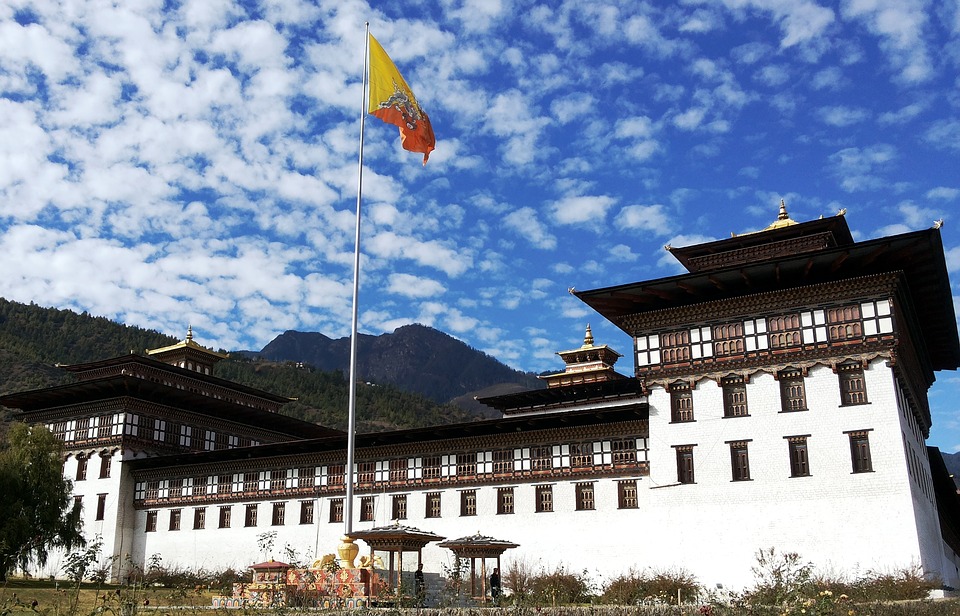 In conclusion, each destination has its own unique appeal. If your travel budget is generous, we'd recommend Bhutan. If it's your first time in Asia, Népal is a must. For a spiritual journey, let yourself drift toward Tibet.
Frequently asked questions
Népal is the most affordable of the three destinations. The daily budget is very flexible depending on your travel style. Bhutan is the most expensive with a mandatory package of approximately $250 per day including accommodation, transport and guide. Tibet falls somewhere in between.
Yes, access to Tibet requires two documents: a Chinese visa, obtained from the Chinese embassy in your country, and a specific Tibet entry permit. Rules change frequently; it's highly recommended to go through a specialized travel agency.
No, it's mandatory to travel in Bhutan with an authorized travel agency. You cannot explore the countryside independently, and entry to the country cannot happen without having pre-booked a package including guide, accommodation and transport.
Népal is the ideal destination for a first discovery of Asia. More accessible, less costly, with a population renowned for its hospitality, and offering varied activities (trekking, safari, culture), it makes a perfect introduction to the Asian continent.
No, Bhutan is a luxury destination. The mandatory daily package is approximately $250 per person, including accommodation, guide and transport. It primarily targets affluent travelers seeking an exclusive and preserved experience.