Sacred Buddhist Sites of Nepal and Their Legends
While Nepalis are predominantly Hindu, Buddhism represents approximately 10% of the population.
While Nepalis are predominantly Hindu, Buddhism represents approximately 10% of the population. You will see many monks in the cities, particularly near the country's major Buddhist edifices. The Buddhist imprint in Nepal is very present and respected, with legend saying that the Buddha himself was born in the Lumbini region before going on to establish his religion in India.
Bluesheep invites you to discover the sacred sites of Buddhism in Nepal…
Lumbini
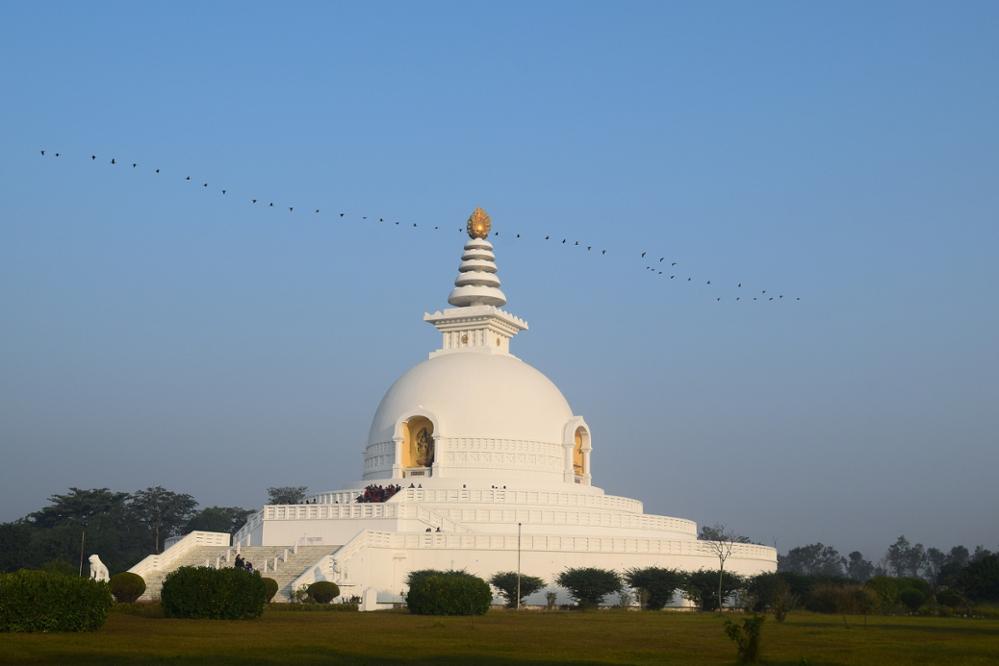
Historically speaking, Siddhartha Gautama, the Buddha, was born in 623 B.C. in the renowned gardens of Lumbini, a small town located in southwestern Nepal. His mother gave birth to him on the road to Kapilavastu, the capital of the clan to which the family belonged.
The legend surrounding his birth, which is very famous, recounts that his mother conceived him in a dream, penetrated in her heart by a white elephant with six tusks. She then gave birth to him in a sacred forest, suspended from a tree branch, while Brahminic deities rained down hundreds of flower petals upon her. Barely born, the child is said to have risen up, turned toward the four cardinal directions, and taken seven steps northward: the Universe would then have belonged to him.
The site of Lumbini is one of the four holy places of Buddhism. As such, it is a pilgrimage site that has been frequented for over a millennium! Today inscribed on the UNESCO World Heritage list for its incredible historical and cultural value, it is imbued with a particular atmosphere that will move you, believer or not.
NamoBuddha
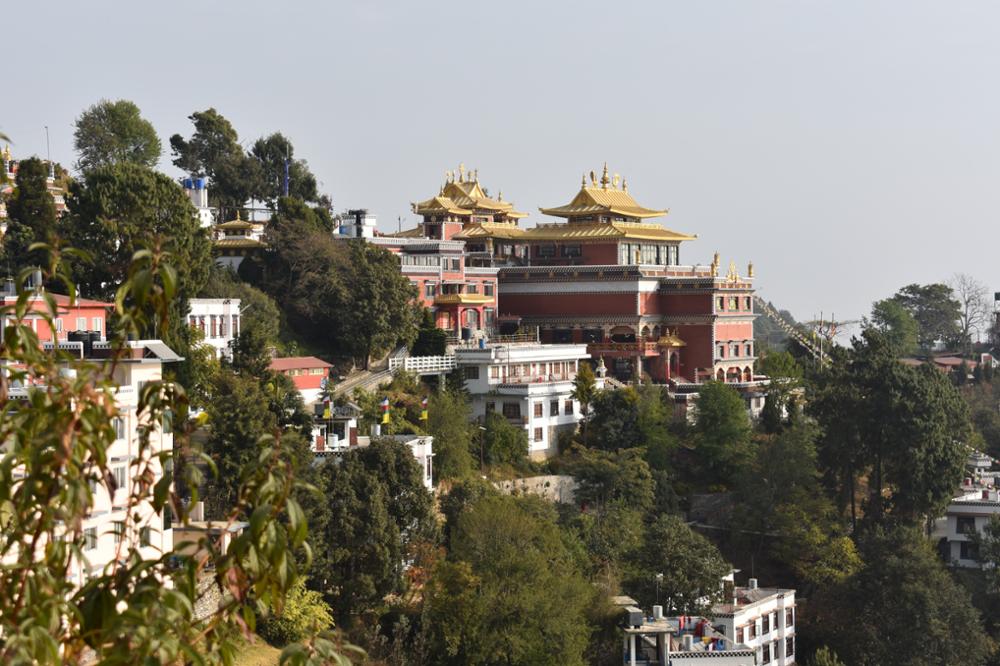
Located east of the Kathmandu valley, the NamoBuddha site is accessible by car or after a trek through the Nepali countryside.
Legend has it that millennia ago, a prince came to this place. While walking in the forest, he discovered a tigress and her cubs. They were starving and the tigress was too weak to move. The prince first thought of killing an animal to feed them but could not resolve himself to take one life to save another. He then decided on the greatest sacrifice possible: to offer his body to save them. The tigress accepted his offering and devoured him entirely. His parents had a stupa built where they placed the bones of their beloved son.
3000 years later, Gautam Buddha is said to have visited the village before circumambulating the stupa three times and declaring that he was the reincarnation of Prince Mahasatwo.
A magnificent monastery stands today in this sacred place, along with two caves.
Pharping
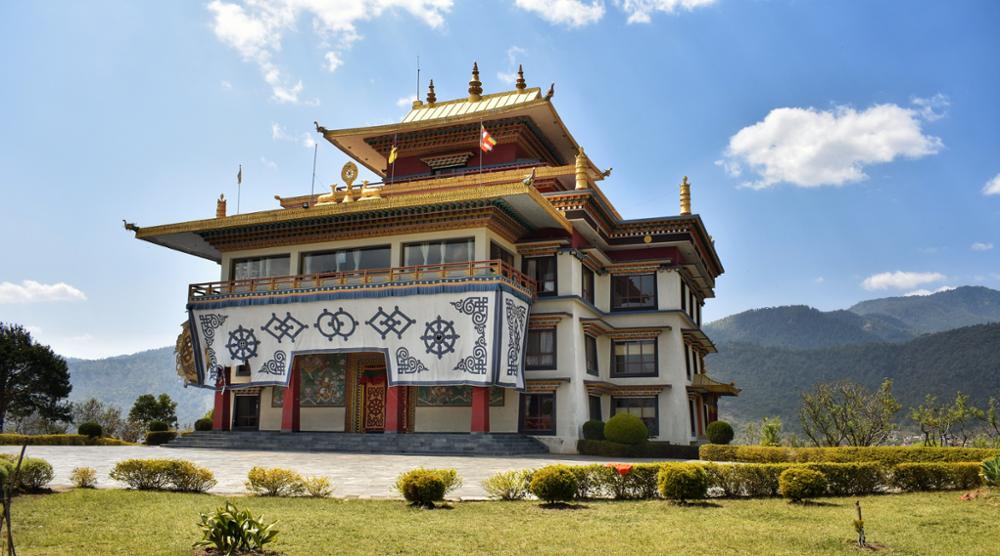
Pharping is a town located a few kilometers south of Kathmandu where the sacred site of Yangleshö is located and is known as the place where the second Buddha, Guru Padmasambhava, is said to have attained enlightenment.
There are two caves blessed by the guru: the Asura cave and the Yangleshö cave.
According to legend, the goddess Dakshinkali was devouring her followers in the region. The villagers brought their sorrows to Padmasambhava, nicknamed the "realizer". He managed to subdue the goddess and, as a final act of mercy, asked her to choose between perishing and sustaining herself only through animal sacrifices. The goddess is said to have chosen the latter option, and her tamer built a temple at the foot of the mountains between the confluences of two rivers, which still exists today.
It was after resolving many problems and attaining enlightenment in the Pharping cave that he traveled to Tibet, where he is known as Guru Rinpoche.
Today Pharping has several monasteries, temples, and retreat centers that you can visit. Bluesheep also offers you the opportunity to stay within a monastery, exchange with monks, participate in their ceremonies, and learn yoga there.
Boudhanath
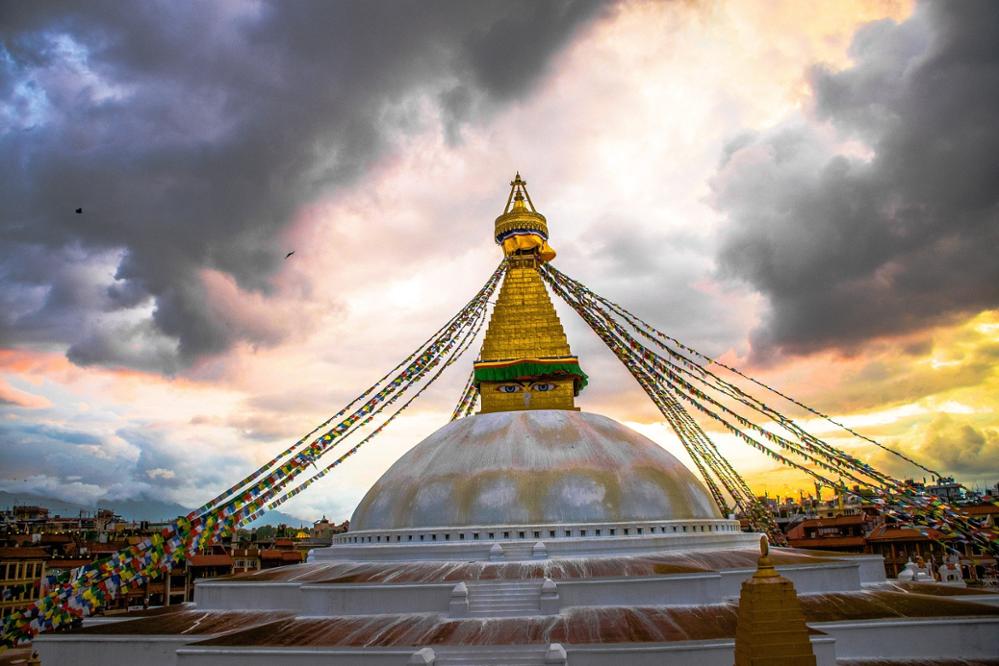
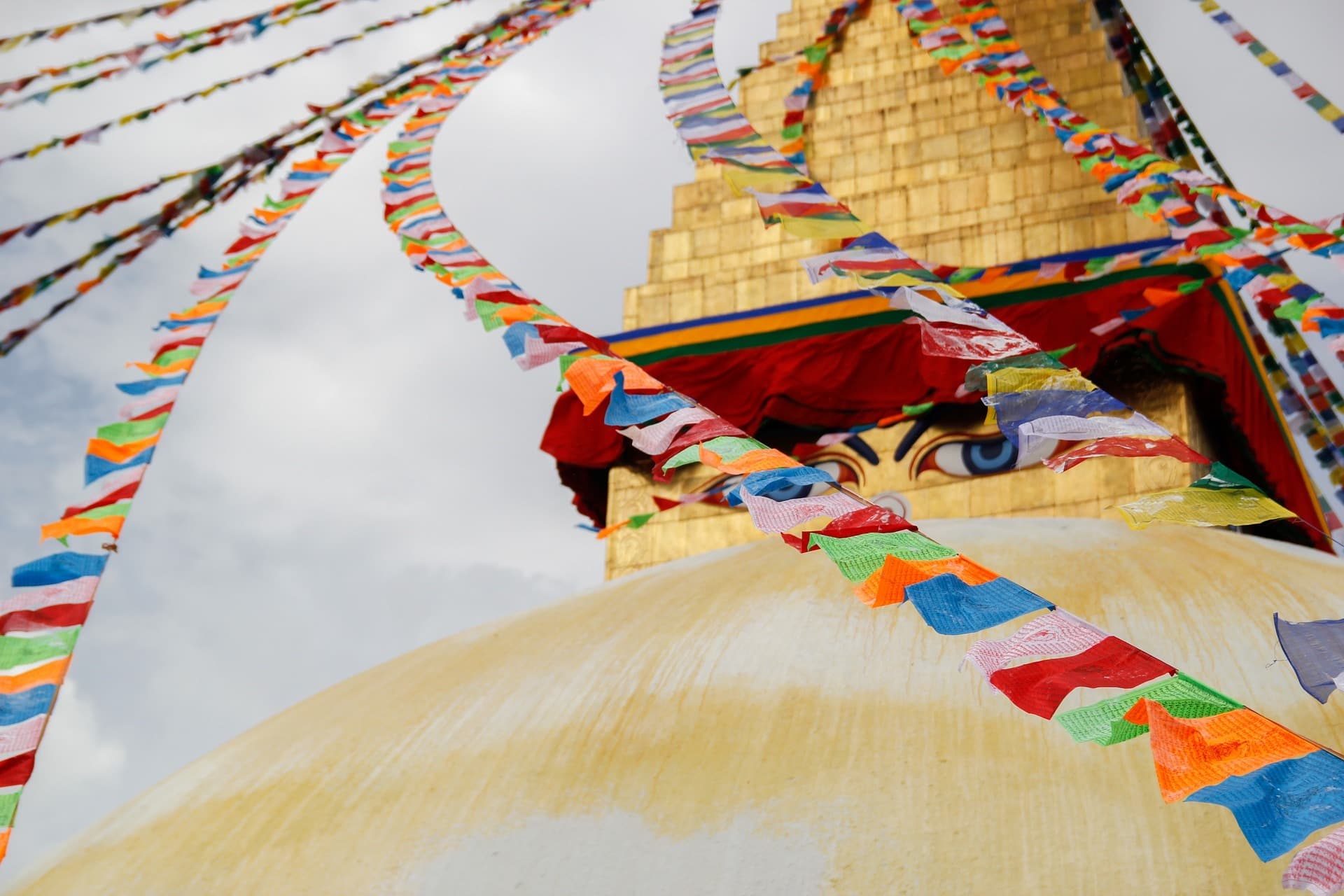
The Boudhanath monastery is the largest in Nepal. It is located east of Kathmandu.
It is one of the most important pilgrimage sites in the world for the Buddhist religion. This stupa is listed on the UNESCO World Heritage cultural sites. After the Chinese invasion in 1959, thousands of Tibetans came to this incredible place and revitalized the stupa.
According to legend, King Vikramaditya, after consulting with astrologers, ordered that a Dhunge Dhara, that is, a unique water fountain in Nepal, be built in the palace courtyard. Unfortunately, no sign of the promised water appeared. The astrologers suggested performing a human sacrifice of the most virtuous person in the kingdom. The king then decided to sacrifice himself. During the sacrifice, his head, severed by his son, flew to a place near the temple Sankhu Bajrayogini.
The prince, filled with remorse, is said to have sought help from the goddess, who told him to make a rooster fly and build a stupa where it landed: the Boudhanath Stupa.
Swayambhunath
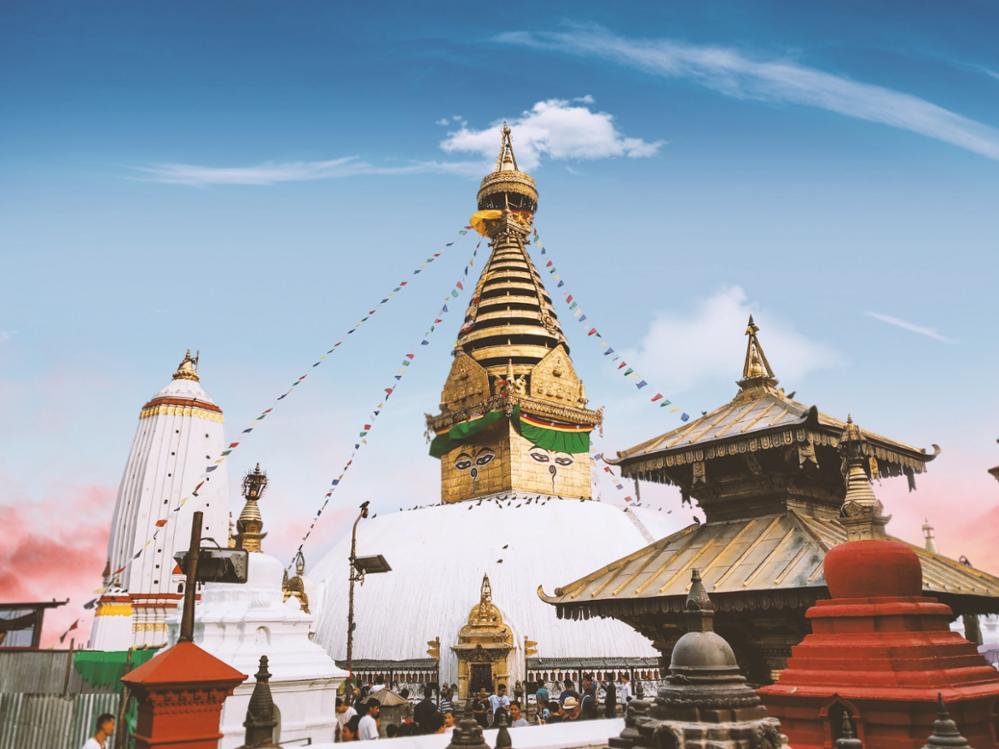
Legend has it that Swayambhu was born from a lotus flower that bloomed in the middle of the lake that once covered the Kathmandu valley. The stupa rose then in the middle of the lake on a hill that was impossible to access.
Buddha, when he visited the place, declared that whoever is touched by the wind passing through the stupa is liberated from the cycle of existence. Still according to legend, the lake was later drained by a Buddhist monk and the stupa became accessible to all.
Also called Monkey Temple due to the hundreds of monkeys inhabiting the hill, the stupa is located west of Kathmandu and dates from the 5th century. Today a UNESCO site, Bluesheep offers you the opportunity to visit it with a monk in order to understand the very particular atmosphere of the place.
Frequently asked questions
Buddha Siddhartha Gautama was born in 623 B.C. in Lumbini, a town located in southwestern Nepal. This site is today inscribed on the UNESCO World Heritage list and is one of the four holy places of Buddhism. It is accessible from Kathmandu by domestic flight or bus, and welcomes pilgrims from around the world throughout the year.
Around Kathmandu, the most emblematic Buddhist sites are the Boudhanath stupa (the largest in Nepal, UNESCO-listed), Swayambhunath or 'Monkey Temple' west of the city, as well as NamoBuddha east of the valley and Pharping to the south, all accessible by car or on foot for trekkers.
Boudhanath is the largest stupa in Nepal, located east of Kathmandu. It is particularly linked to the Tibetan community since the 1959 exile. Swayambhunath, nicknamed the 'Monkey Temple', perches on a hill west of Kathmandu and is said to date from the 5th century. Both sites are UNESCO-listed and offer very different atmospheres: Boudhanath is more lively and cosmopolitan, Swayambhunath more panoramic and contemplative.
Yes, it is entirely possible to participate in Buddhist ceremonies in Nepal, particularly in Pharping where several monasteries, temples, and retreat centers open their doors to visitors. Some tour operators offer stays that include a night in a monastery, exchanges with monks, and initiation to yoga or meditation.
Most of Nepal's Buddhist sites such as Boudhanath, Swayambhunath, or Lumbini are accessible year-round. The best time to visit them remains October-November (post-monsoon, clear skies) and March-April (spring, festivals). The monsoon season (June-September) can make certain accesses like NamoBuddha more difficult, particularly for treks.