The Pangolin, Nepal's Endangered Symbol
Among the four Asian pangolin species, two species—the Chinese pangolin Manis pentadactyla and the Indian pangolin Manis crassicaudata—are found in Nepal.
Among the four Asian pangolin species, two species—the Chinese pangolin Manis pentadactyla and the Indian pangolin Manis crassicaudata—are found in Nepal.
Living Fossils
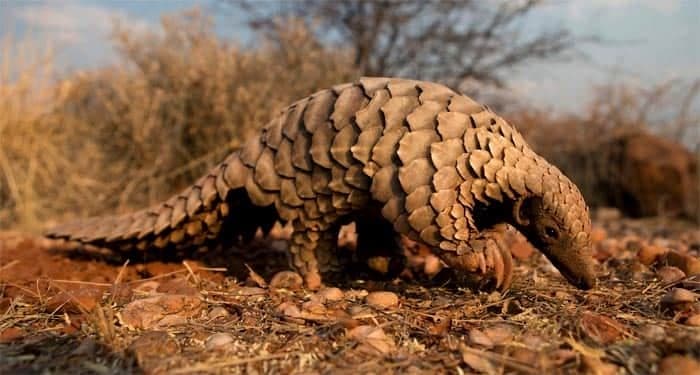
Pangolins are solitary, primarily nocturnal animals whose bodies are covered in scales and that feed on insects, particularly ants and termites. Beyond their scales, they are equipped with powerful claws for digging burrows and long sticky tongues to collect insects. They play a vital role in regulating insect populations and creating burrows that aerate the soil. As a defense mechanism, when confronted with a threat, they typically curl their bodies inward and cover their heads and limbs entirely. Unfortunately, this technique proves ineffective against humans… Yet they have survived on Earth for over 80 million years!
A Species in Peril
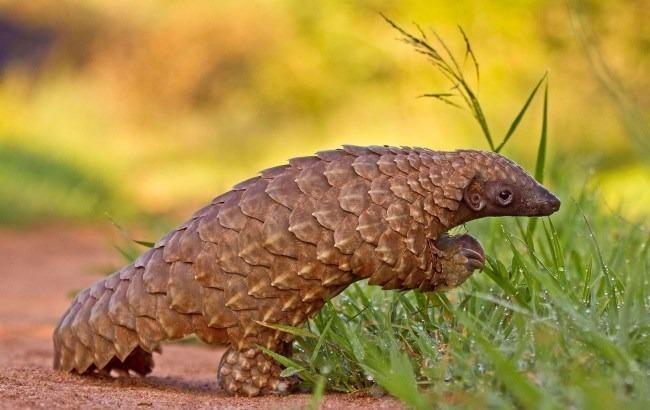
The two pangolin species living in Nepal are now critically endangered. The government has placed them on the list of protected species, yet poaching of this species continues, and illegal trade in pangolin scales actually increased by nearly 800% between 2009 and 2015. These scales are highly sought after in China and sell for exorbitant prices, pushing more and more people to hunt this small animal: 20% of illegal wildlife trade involves the pangolin.
Pangolin scales and blood have been ingredients in traditional Chinese medicine for thousands of years, and today stuffed pangolins are sold as souvenirs. Certain parts of their bodies are also used to make ornaments and even bulletproof vests.
What Can Be Done?
Nepal has already proven that community-based anti-poaching operations within protected areas can succeed through the efforts of local populations and the government: particularly for species such as the rhinoceros, tiger, and elephant. Nepal has fought poaching so effectively that no one-horned rhinoceros, an endangered species, has been harmed for over two years.
Rarely in the headlines, the disappearance of this small animal must become a pressing issue, and populations must understand its importance. Last year, the Nepali government prepared a comprehensive action plan for pangolin conservation, and we hope this plan will succeed…
Frequently asked questions
Two pangolin species are present in Nepal: the Chinese pangolin (Manis pentadactyla) and the Indian pangolin (Manis crassicaudata). Both are listed as critically endangered according to the IUCN Red List.
The pangolin is hunted primarily for its scales and blood, which are highly prized in traditional Chinese medicine for thousands of years. Its scales are also used to make ornaments and bulletproof vests. Illegal trade in pangolin scales increased by nearly 800% between 2009 and 2015.
Yes, the Nepali government has placed pangolins on the list of protected species and has developed a national action plan for their conservation. Building on its success in combating poaching of rhinoceros, tiger, and elephant, Nepal relies on community-based programs to try to preserve this species.
The pangolin plays a vital ecological role: it regulates insect populations (ants, termites) and its burrows aerate the soil, promoting land fertility. Its disappearance would have a significant impact on Nepal's forest ecosystems.
As a traveler, you can contribute by not purchasing any pangolin-based products (scales, stuffed figurines), by supporting local wildlife protection organizations, and by raising awareness among those around you about this species' critical situation.