Nepal Festivals
If you wish to participate in local festivals, this festival list will help you choose the best dates for your Nepal trip.
If you wish to participate in local festivals, this festival list will help you choose the best dates for your Nepal trip. If you'd like, you can also let us know if you're interested in attending a local wedding. An experience that will undoubtedly make your journey unforgettable!
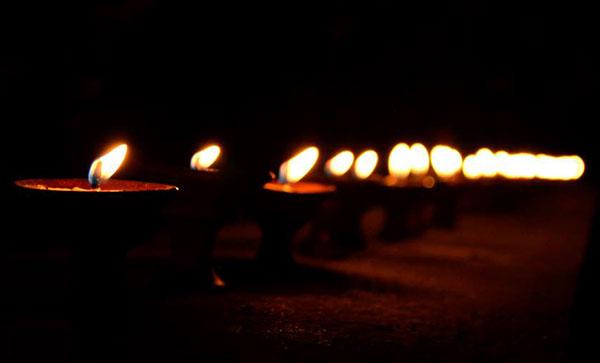
January: The Losar festival is celebrated over three days, starting with the Tibetan New Year. During this festival, many monasteries in Népal and Tibet celebrate the new year with colorful rituals. February: Maha Shivaratri is the festival celebrating the Hindu deity Shiva, god of destruction and change. During this festival, sâdhus (holy men) visit Shiva's temple to celebrate his day. It's the only day when cannabis is tolerated in Népal, but only for sâdhus! ;) March: Holi is a Hindu festival held at the spring equinox. This celebration of spring's arrival is known for its showers of colored powder, creating a colorful chaos in city streets. April: Bisket Jatra / Navabarsha is a unique festival celebrated in Bhakatpur on the first day of the Nepali calendar. The first month of this calendar is called Baishakh. A massive chariot is pulled by dozens of villagers through Khalna Tole street. This festival is highly important to Newari culture. May: Buddha Jayanti, Buddha's birthday, is celebrated on the full moon day of May. August: Janai Purnima is the sacred thread festival. On this day, Hindu men of Brahmin and Chettri ethnicities perform their annual change of Janai, a sacred thread they wear permanently and which symbolizes their faith in religion. All festival participants must wear this sacred thread around their wrists. August: Indra Jatra / Kumari Jatra: Indra Jatra is the festival celebrated in honor of the Hindu god Indra. Dancers wearing masks representing Hindu gods and demons fill the streets of Kathmandu's Durbar Square. Kumari Jatra involves the Kumari, the living goddess, and a chariot procession. September: Teej is the festival of married and unmarried women. During this festival, married women fast to honor the god Shiva and to bring a long, happy life to their husbands. Unmarried women dress in red and perform traditional dances and rituals that will bring them a good husband. 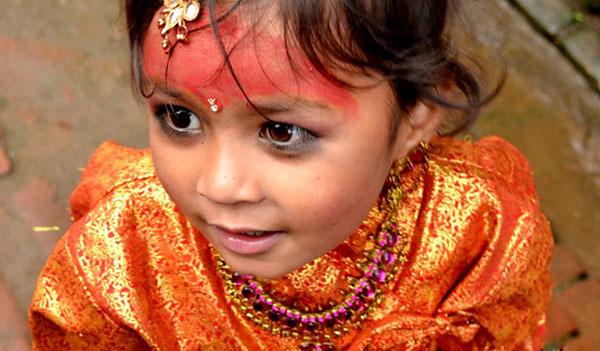 October: Dashain is a Hindu festival marking the goddess Durga's victory over evil. The festival unfolds over a week or more. People travel to their native villages during this period. Children fly kites and tikas ornament the foreheads of all family members. Venturing into the Nepali countryside during this time is ideal, with small villages brimming with festivals and life while Kathmandu empties of its population. November: Tihar, the festival of lights, comes after Dashain. Homes are decorated with candles, lanterns, and colorful garlands. Over 5 days, something different is honored with offerings and rituals. Crows are honored on the first day, dogs on the second, cows on the third. The fourth day sees the mountain honored, and cow dung is their worthy representative, thus covered with offerings. The final day celebrates the bonds between brothers and sisters.
  December: New Year's Eve on December 31st is not important in Nepali culture because the calendar used in Népal is quite different from that used in Western countries. Nevertheless, in the most tourist-heavy areas, increasingly significant celebrations take place, particularly in Pokhara, where many young people gather to celebrate the new year.
Frequently asked questions
October and November are ideal months to attend Népal's two largest festivals: Dashain and Tihar. Dashain, celebrating the goddess Durga's victory, lasts a week or more, while Tihar, the festival of lights, illuminates homes for 5 days. April (Bisket Jatra) and March (Holi) also offer beautiful cultural experiences.
Yes, Holi is celebrated in Népal in March, at the spring equinox. Like in India, this Hindu festival is known for its showers of colored powder in city streets. It's one of the most joyful festivals and accessible to foreign travelers.
Dashain is the most important Hindu festival in Népal. It takes place in October over a week or more and celebrates the goddess Durga's victory over evil. During this period, families gather in their native villages, children fly kites, and tikas (ritual marks) ornament the foreheads of every family member. It's an ideal time to discover the Nepali countryside, alive with celebrations and festivities.
Yes, Indra Jatra is celebrated in August in Kathmandu, notably on Durbar Square. Masked dancers representing Hindu gods and demons fill the streets. The festival also includes Kumari Jatra, a procession featuring the Kumari, Népal's living goddess. It's a fascinating event accessible to travelers.
Tihar is Népal's festival of lights, celebrated in November after Dashain. Over 5 days, homes and streets are decorated with candles, lanterns, and colorful garlands. Each day honors something different: crows, dogs, cows, the mountain, then the bonds between brothers and sisters. It's one of the country's most visually striking festivals.
Some travel agencies specializing in Népal offer their clients the opportunity to attend local weddings, with the family's consent. It's a unique cultural experience that offers an authentic glimpse into Nepali traditions. Don't hesitate to inquire with your agency before you depart.