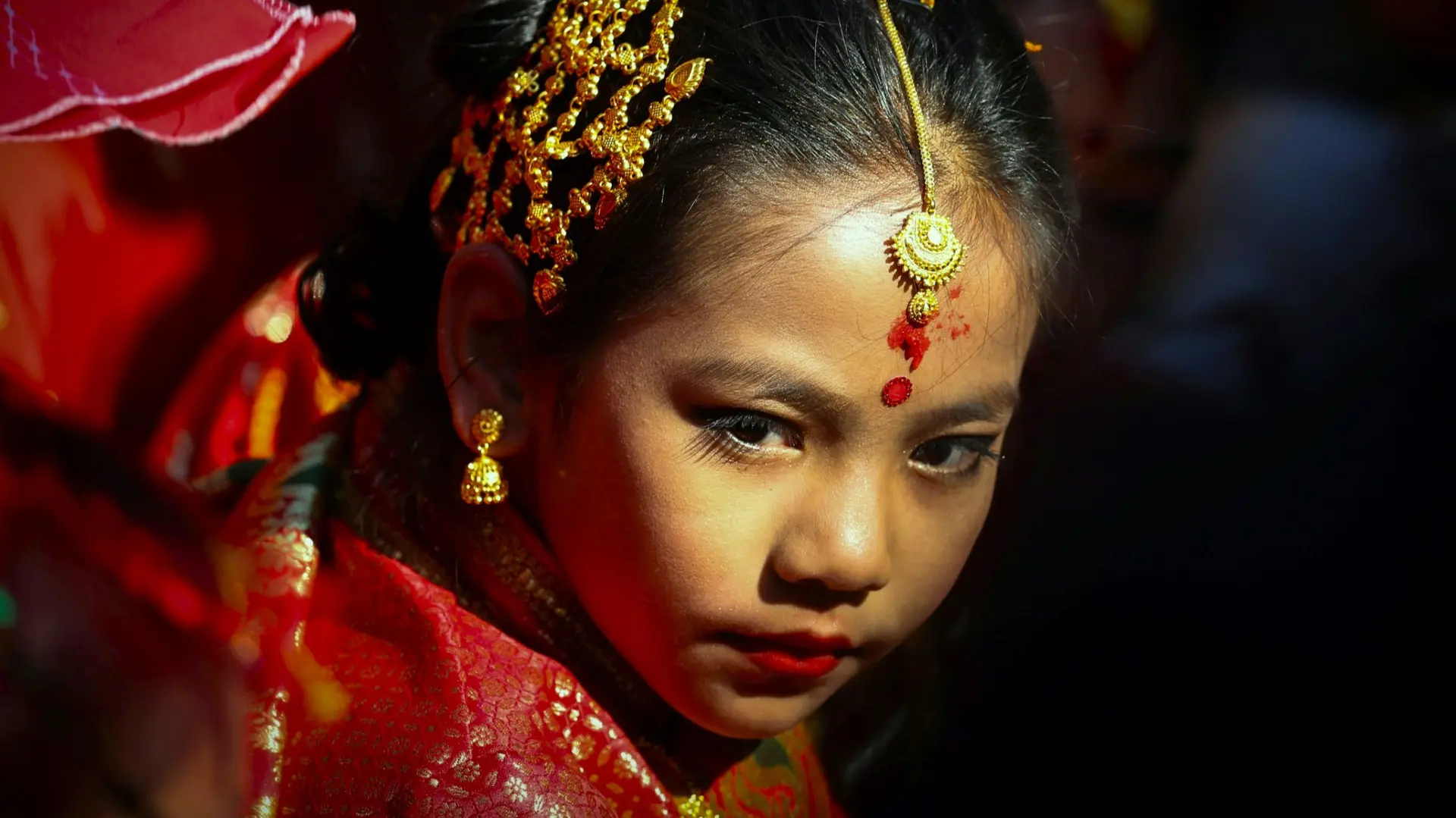
Culture & traditions
Temples, fêtes traditionnelles, arts martiaux et cuisine légendaire.
Choisir un voyage centré sur la culture et les traditions au Népal, c'est accepter de marcher au rythme des cloches du matin, des moulins à prières et des marchés de quartier. C'est aussi comprendre qu'ici, religion, artisanat et vie quotidienne ne se séparent jamais vraiment.
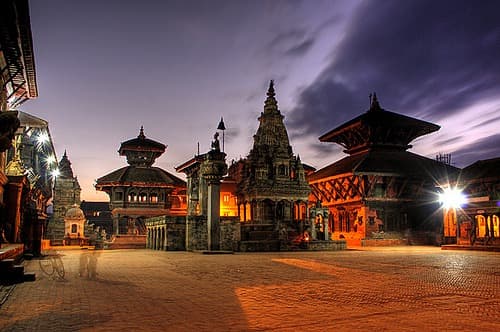
La vallée de Katmandou condense trois anciennes cités royales — Katmandou, Patan et Bhaktapur — où le patrimoine newar se lit dans chaque cour intérieure, chaque fenêtre sculptée, chaque temple pagode. Sept de ces ensembles sont inscrits au patrimoine mondial de l'UNESCO depuis 1979. Nos guides francophones aiment y entrer par les ruelles secondaires, là où les familles font sécher les piments et où les artisans frappent encore le cuivre à la main.
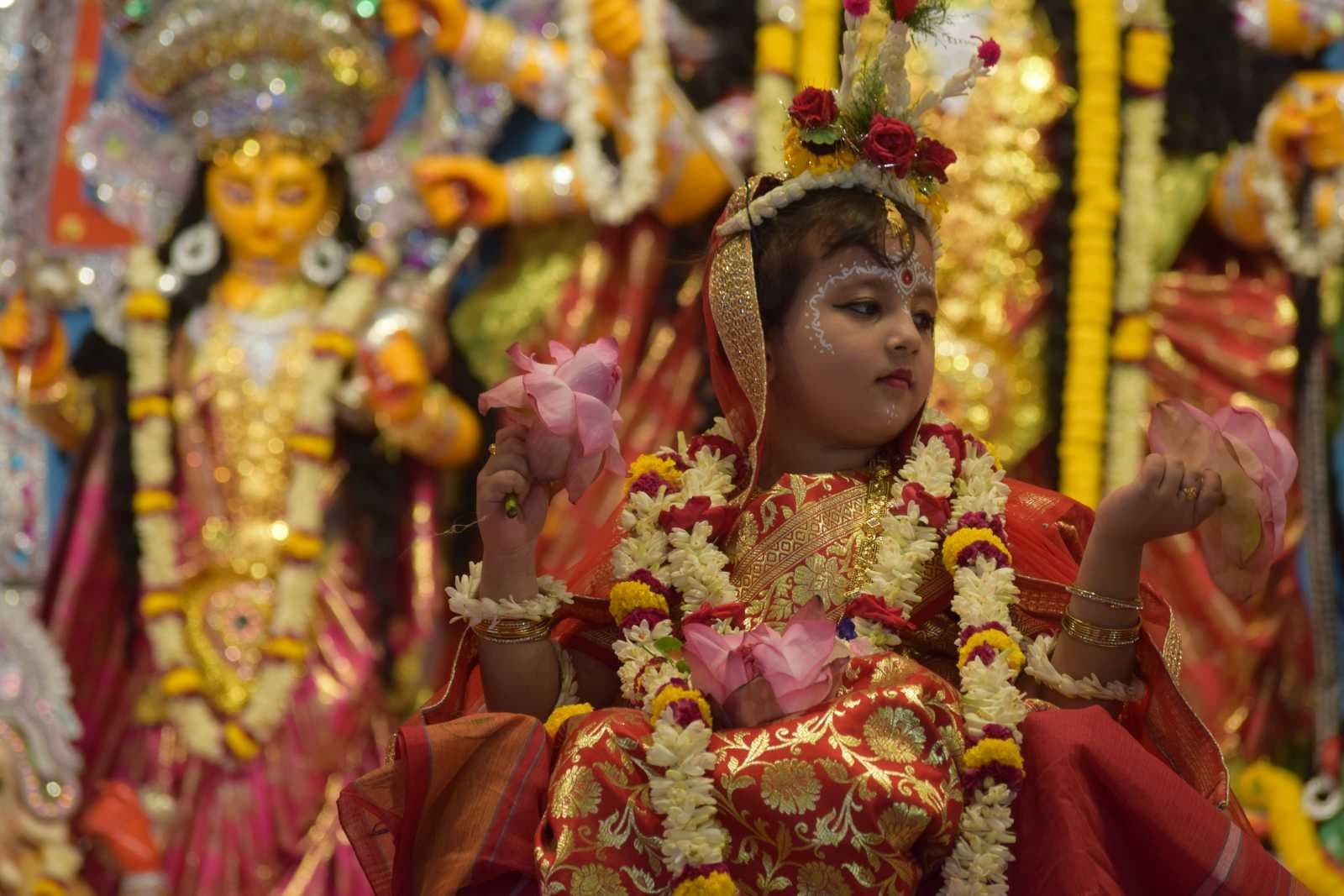
Le bouddhisme tibétain imprime sa marque dès qu'on monte vers Bodnath ou Swayambhunath, puis vers le Mustang et le Khumbu. L'hindouisme reste majoritaire dans les plaines et façonne le calendrier : Dashain en octobre, Tihar dix jours plus tard, Holi en mars.
Quelques expériences que nos circuits intègrent volontiers :
- nuit chez l'habitant en pays Tamang ou Gurung, autour du foyer commun ;
- visite d'un atelier de thangkas à Patan, avec un peintre formé en monastère ;
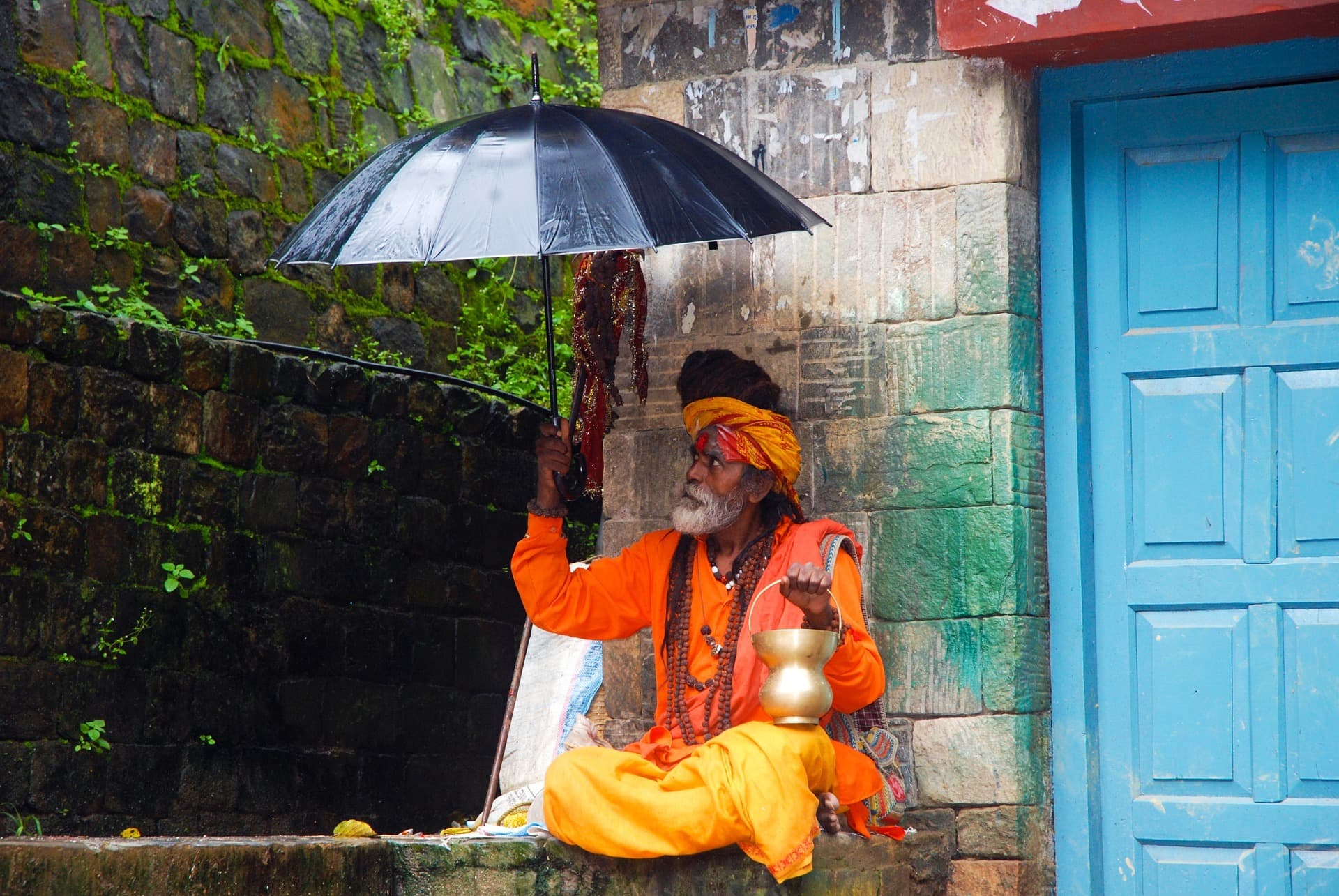
- cérémonie du matin (puja) sur les ghats de Pashupatinath ;
- rencontre avec une communauté Tharu près de Chitwan, dans le Teraï ;
- festival local, calé sur le calendrier lunaire népalais.
Sur place, notre équipe à Katmandou ajuste l'itinéraire selon vos centres d'intérêt — architecture, spiritualité, artisanat, fêtes — pour que la découverte culturelle du Népal reste vivante plutôt que muséale.
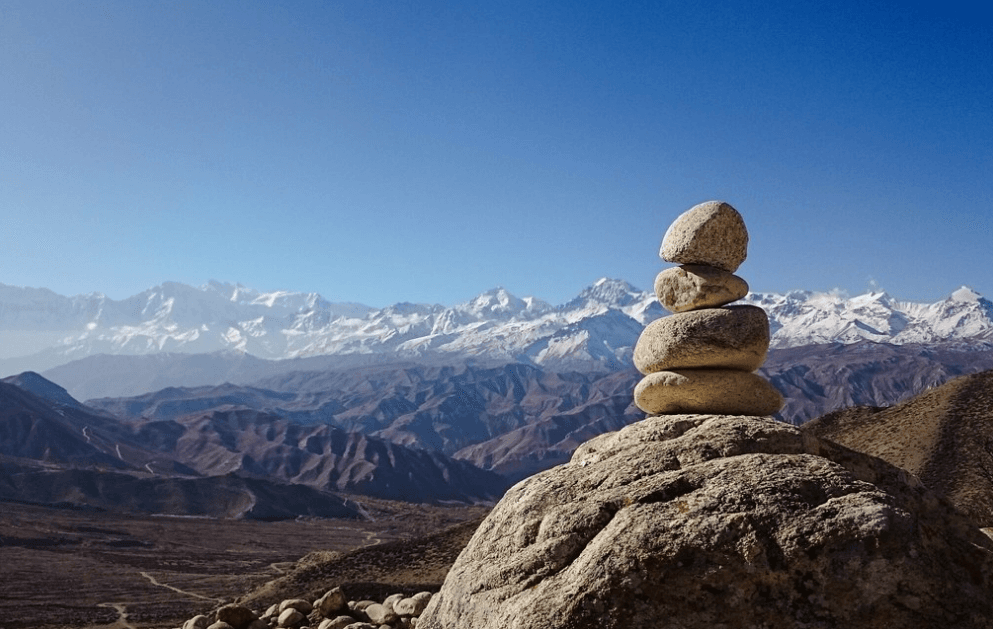
The Prehistoric Mysteries of Mustang
"We are politically Nepalese but naturally Tibetan." The adage of Jigme Singi Palbar Bista, last king of the Mustang kingdom, stripped of its monarchical status in 2008 and administratively attached to Nepal, describes a people fundamentally
Articles
Search and filter among 9 articles
9 of 9 results
Explore other themes


Ready to travel?
Our local experts create your bespoke journey. Tell us about your project, we handle the rest.
Create my tripWe use cookies to improve your experience and measure our site's audience. You can choose what you accept. Learn more.