Pashupatinath
Pashupatinath
Nepal's premier Hindu sanctuary, Pashupatinath rises with its golden pagoda above the Bagmati River, 5 km from Kathmandu. UNESCO-listed since 1979.
The temple of Pashupatinath, situated on the banks of the sacred Bagmati River, is one of the most venerated Hindu sanctuaries in Nepal. Listed as a UNESCO World Heritage site since 1979 as part of the "Kathmandu Valley" ensemble with six other sites, it stands 5 km west of central Kathmandu, near the airport. A major pilgrimage site dedicated to Shiva, it stands out for its pagoda architecture, funeral ghats, and intense religious atmosphere.
Why visit Pashupatinath
Pashupatinath brings together in one location three essential dimensions of Nepali Hindu culture: sacred architecture, Shaivite spirituality, and traditional funeral rites. The complex covers approximately 246 hectares and encompasses several hundred temples, sanctuaries, and monuments accumulated over centuries. Its ambiance is regularly compared to that of Varanasi in India, with its courtyards, funeral pyres, and religious life unfolding at water's edge. Sadhus, pilgrims, cattle roaming freely between temples, and the smoke from cremations compose a scene unlike any other attraction in the country.
History of the temple
The origins of Pashupatinath remain debated. According to one tradition, its construction is attributed to Licchavi king Shupupsa. A second theory traces its founding to the time of Pashupreksha from the Somadeva dynasty, around the 3rd century BCE. The current main building was erected in the 17th century by king Bhupatindra Malla, following the destruction of the previous temple by termites.
Over the centuries, other sanctuaries dedicated to Shiva were added within the enclosure and on the eastern bank of the Bagmati. By the late Middle Ages, several imitations of the temple had been constructed throughout the valley, notably in Bhaktapur and Lalitpur, testifying to its influence. The 2015 earthquake, which struck across Nepal, damaged certain structures within the complex but spared the main temple. Restoration work has been undertaken since to repair affected structures.
What to see in the complex
The main temple
The Pashupatinath temple, heart of the complex, is off-limits to non-Hindus. However, you can observe its architecture from the outside. It is a pagoda rising on a square platform approximately 23 meters high, with copper roofs and a gold-plated summit. Four doors covered in silver leaves mark its entrances, guarded by military personnel.
The wooden brackets and rafters are carved with divine representations: Shiva, Ganesh, Kumar, yoginis, as well as Hanuman, Rama, Sita, Lakshman, and other figures from the Ramayana. Facing the western door stands a large bronze statue of Nandi, the bull that serves as Shiva's mount. The inner sanctuary houses a one-meter lingam with four faces representing Pashupati, accompanied by images of Vishnu, Surya, Devi, and Ganesh.
Other sanctuaries and the Dharmashila
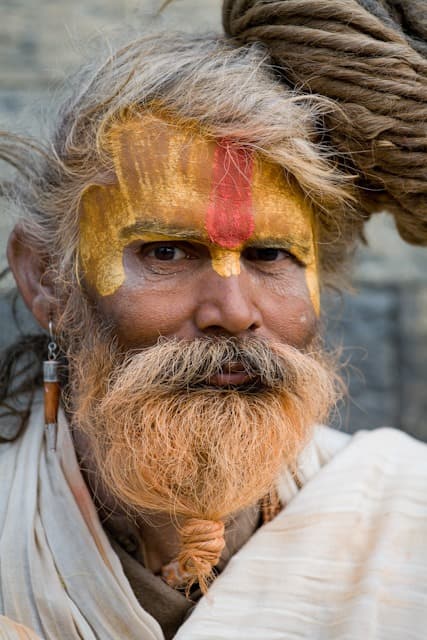
Beyond the central temple, look for the sanctuary dedicated to Vasuki and Brahma, as well as the Dharmashila, a sacred stone upon which certain oaths were sworn. The complex also contains meditation cells used by sadhus, some of whom accept being photographed in exchange for a small contribution.
The ghats and cremations
Stone steps called ghats descend to the Bagmati River. Cremations take place there daily according to Hindu rite. Social hierarchy is reflected in the location of the pyres: the higher the rank of the deceased, the closer the cremation takes place to the temple. Custom dictates that members of royal families are burned facing the temple. Observing ceremonies from the opposite bank is tolerated, provided you maintain a discreet and respectful demeanor.
Practical information
- Access to the main temple: reserved for Hindus. Other visitors have access to the rest of the complex.
- Entrance fee: a modest entrance fee is required from foreign visitors.
- Guide: English-speaking guides are available on-site; rates are negotiable.
- Attire: covering clothing recommended (shoulders and legs).
- Photographs: prohibited within the main temple enclosure and discouraged during cremations.
- Duration of visit: allow 1.5 to 3 hours to explore the complex and observe a ceremony.
When to visit Pashupatinath
The temple is open year-round, but visitor numbers and religious intensity vary depending on festivals. The most striking time is Maha Shivaratri, celebrated in February or March according to the lunar calendar: hundreds of thousands of pilgrims and sadhus converge on the sanctuary. Teej, in August-September, draws thousands of women dressed in red.
For a quieter visit, favor the months of October to December and March to May, periods when the valley climate is dry and pleasant. Early morning, around sunrise, is the best time to witness ablutions and the first ceremonies.
How to get there
The complex is located approximately 5 km east of central Kathmandu and in immediate proximity to Tribhuvan International Airport. From the tourist district of Thamel, allow 20 to 30 minutes by taxi depending on traffic. Taxis are negotiated at departure and remain an affordable mode of transport. Local buses also serve Pashupatinath from the center, but require some familiarity with Nepali transport systems.
What to see nearby
Pashupatinath is part of the UNESCO "Kathmandu Valley" ensemble. Several other sites from this ensemble can be visited on the same day or as part of a circuit:
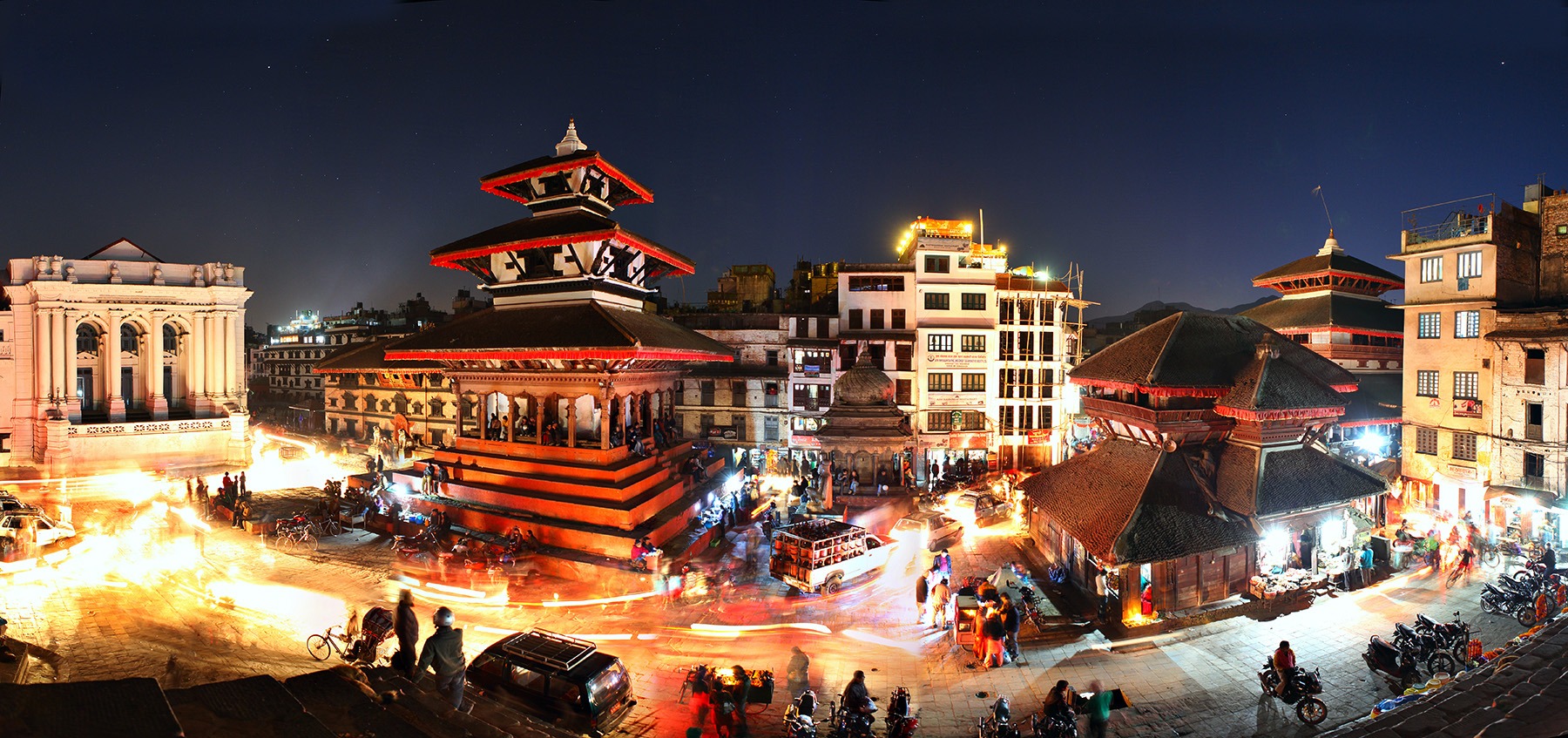
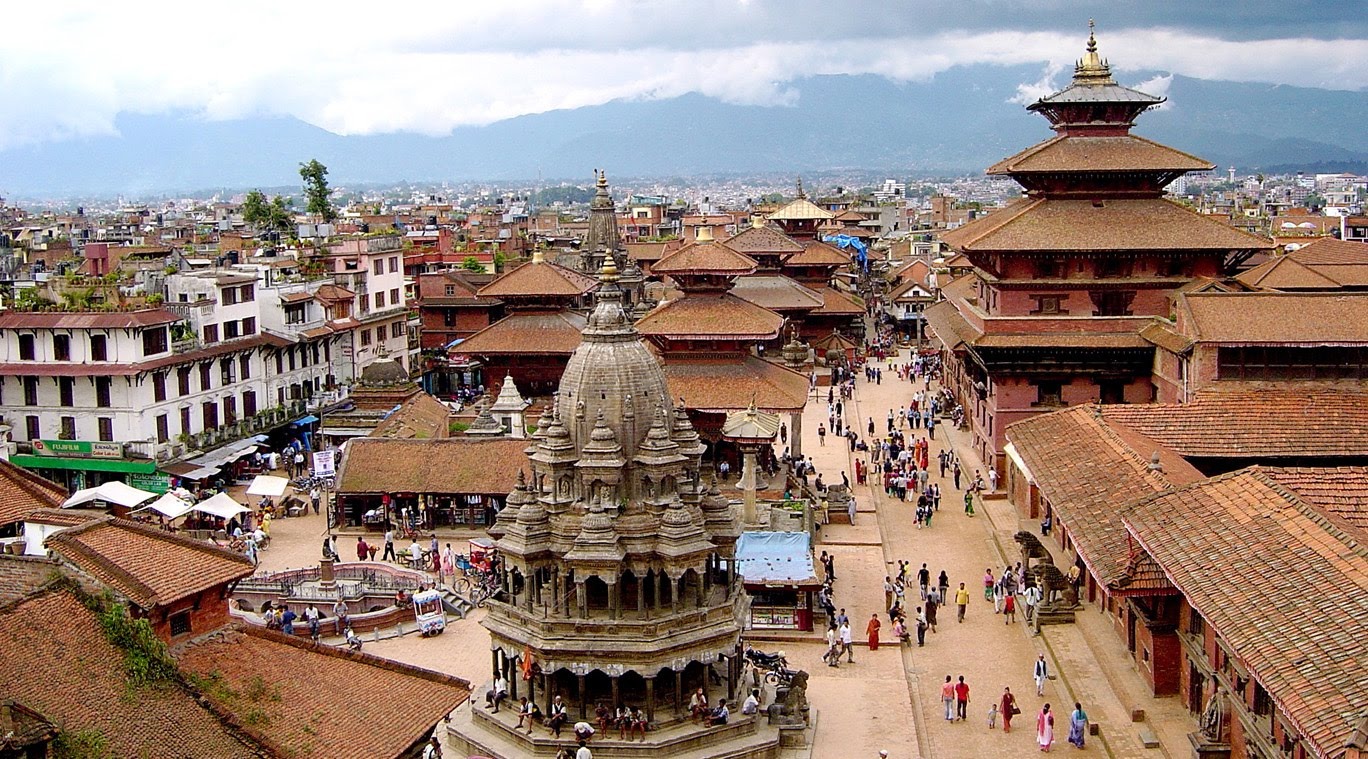
- Kathmandu Durbar Square: the historic royal plaza at the heart of the capital.
- Bhaktapur Durbar Square: a preserved Newar museum-town east of the valley.
- Changu Narayan: the country's oldest active Hindu temple.
- Kirtipur: an ancient Newar city perched high, still largely undiscovered.
Frequently asked questions
Frequently asked questions
No, the main temple is strictly reserved for Hindus. Other visitors can admire its architecture from the outside and access the rest of the complex, which extends across both banks of the Bagmati.
Yes, observation from the opposite bank is tolerated and is part of the visit. It is essential to remain silent, refrain from photographing the pyres, and respect the mourning of families present.
Allow approximately 1.5 to 3 hours to explore the complex, observe ceremonies, and visit secondary sanctuaries. During major festivals like Maha Shivaratri, plan for a half day.
Attire covering the shoulders and legs is recommended, out of respect for the sacred character of the site. Avoid beachwear or overly casual clothing.
The major festival is Maha Shivaratri, celebrated every year in February or March according to the Hindu lunar calendar. It attracts hundreds of thousands of pilgrims and sadhus from across South Asia.
Preparing your visit
Pashupatinath naturally integrates into a cultural circuit of the Kathmandu Valley. To build an itinerary suited to your interests and the length of your stay, consult our suggestions for travel in Nepal.
Nearby
Interested in this visit?
We can include it in your personalised itinerary.