Bungamati
Bungamati
A Newar village 6 km from Patan, Bungamati preserves its woodcraft traditions, temples, and pedestrian streets amid terraced rice paddies.
Bungamati (बुङगमती) is a Newar village in Lalitpur district, located 6 km from Patan and 10 km from Kathmandu. Surrounded by terraced rice paddies and mustard fields, this town of 5,720 inhabitants (2011 census) spans 3.89 km². It is known for its Rato Machhendranath temple, its woodcarving crafts, and its atmosphere largely free from the roar of engines.
Why visit Bungamati
Bungamati offers a striking contrast to the hustle of Kathmandu. The village preserves a traditional Newar way of life: artisans carving wood, women weaving carpets on their doorsteps, rice laid out to dry on the village paths themselves. No cars circulate through the village center; only motorcycles navigate the narrow lanes, making a stroll on foot particularly pleasant.
Its proximity to Patan makes it an ideal half-day excursion for those wishing to experience the rural and artisanal side of the Kathmandu Valley, far from the crowded tourist circuits.
History of Bungamati
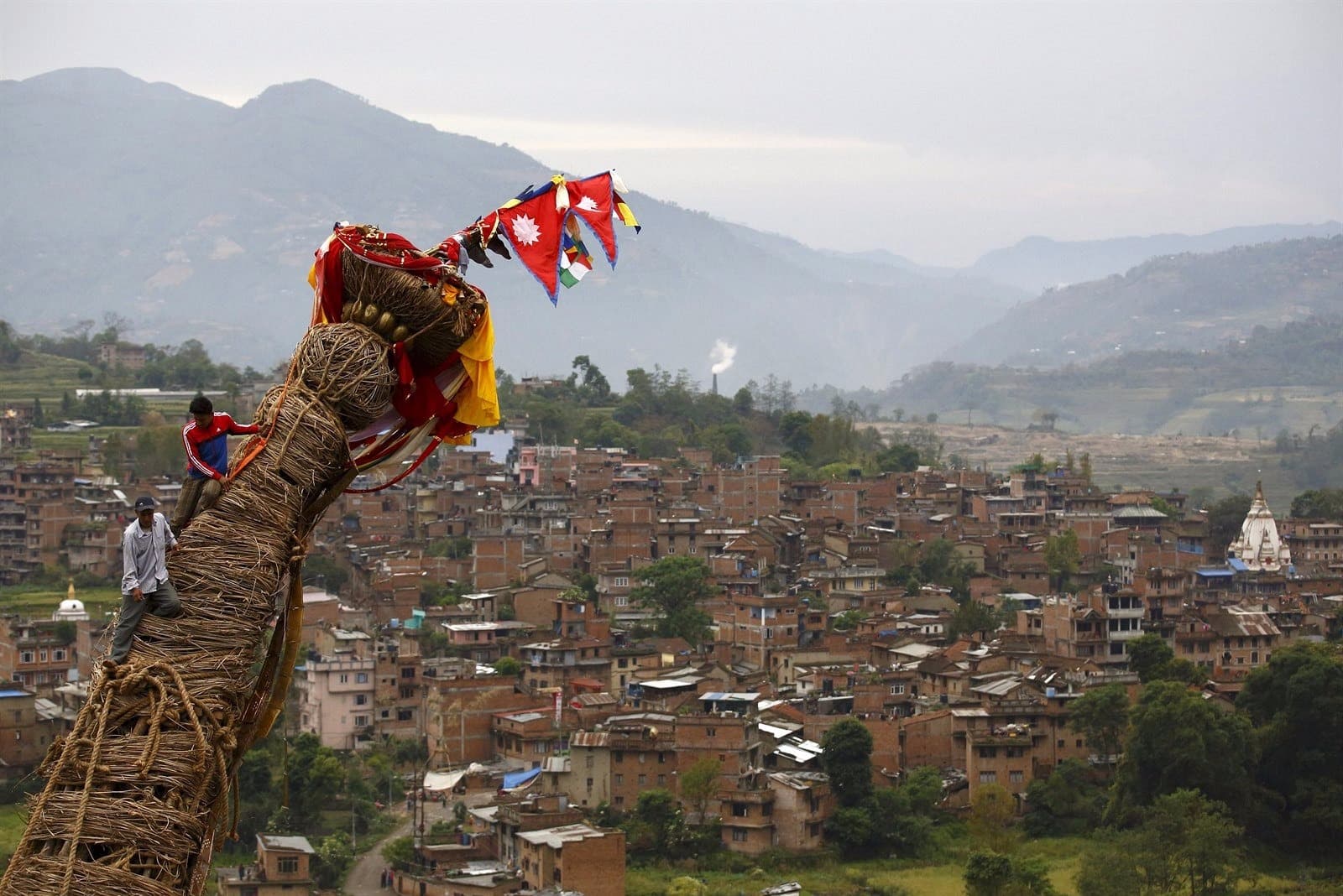
Local chronicles trace the village's origins to the 6th-7th century, under the name "Bugayumi." The town developed around the cult of Rato Machhendranath, the protective deity of the Kathmandu Valley, whose red statue resides here for part of the year before being moved to Patan during a major annual festival.
The earthquake of April 25, 2015 struck Bungamati hard: several monuments were damaged or reduced to ruins, including the central sanctuary. Reconstruction projects remain visible, blending traditional techniques (brick, carved wood) with international funding.
What to see and do in Bungamati
The Rato Machhendranath Temple
The religious heart of the village, this shikhara temple houses the red statue of Machhendranath, considered the guardian of the valley. The sanctuary was severely damaged in 2015 and is undergoing lengthy reconstruction. The plaza surrounding it remains the center of social life.
The Karya Binayak Temple
Situated on a slight rise between Bungamati and the neighboring village of Khokana, this temple dedicated to Ganesh offers an open panorama of the surrounding terraced rice paddies. It is one of the four major Binayak temples in the Kathmandu Valley.
Newar craftsmanship
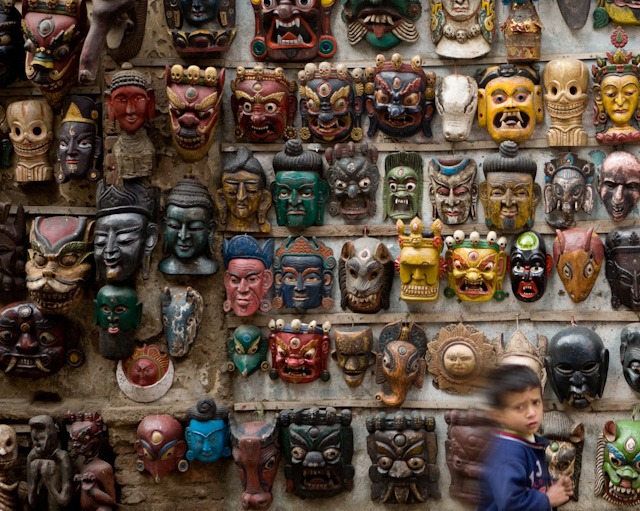
Bungamati is renowned for woodcarving: doors, windows, and statuettes emerge from family workshops. Several shops allow you to observe artisans at work. Carpet weaving and sewing also occupy a significant portion of the female population.
Scenes of daily life
Depending on the season, you will encounter large stretches of rice laid out to dry on the ground, women sorting grain, children playing between red brick houses. These scenes are an integral part of the experience.
When to visit Bungamati
The dry season, from October to March, remains the most comfortable period: clear skies, mild temperatures, and passable trails. The monsoon (June-September) turns the rice paddies green but makes the paths muddy and visibility unpredictable.
For travelers interested in festivals, the Rato Machhendranath procession, which sees the deity leave Bungamati for Patan, takes place in spring (April-May according to the lunar calendar). It is one of the most important religious events in the valley.
How to get to Bungamati
- From Patan: local buses serve Bungamati directly. Allow 30 to 45 minutes of travel time depending on traffic.
- From Kathmandu: taxi (45 min to 1 hour), bus with a connection in Patan, or bike for athletic travelers (10 km, hilly road).
- On foot: several hiking trails connect Bungamati to Patan, Khokana, or Pharping. A good option for combining several Newar villages in a single day.
Practical information
- Duration of visit: 1.5 to 3 hours depending on your interest in crafts.
- Traffic: village center is car-free; motorcycles only.
- Fees: village entry is free; modest temple access fees may apply.
- Combine with: Khokana, the neighboring village known for mustard oil, 15 minutes on foot away.
- Dress code: covered clothing for temples; suitable footwear (paved streets and sometimes muddy).
Nearby
Bungamati is part of a network of historic cities in the Kathmandu Valley. A well-organized day allows you to combine several sites:
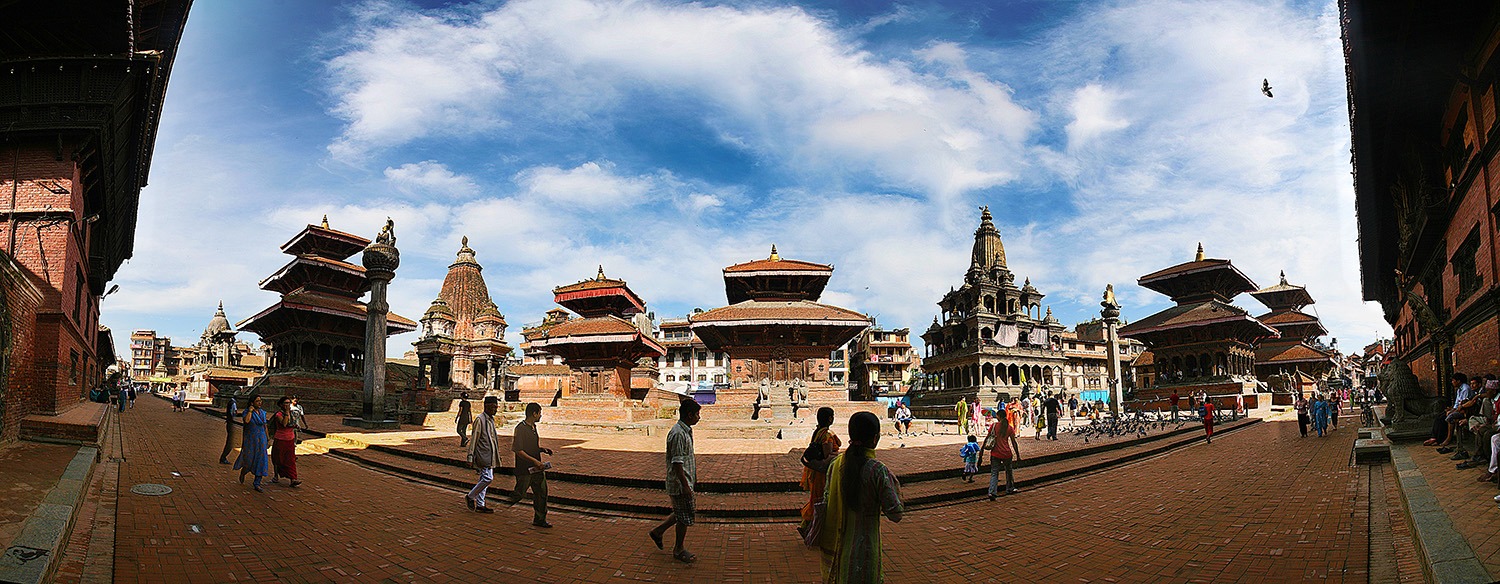
- Patan and its Durbar Square, 6 km away.
- Kirtipur, another hilltop Newar village, about ten kilometers away.
- Bhaktapur Durbar Square, the valley's third royal city.
- Changu Narayan, Nepal's oldest Hindu temple.
Frequently asked questions
Frequently asked questions
Include Bungamati in your trip
Bungamati is suited to a half-day excursion from Kathmandu or Patan, to be combined with other Newar villages in the valley. To build a custom itinerary including this rural stop, explore our trips to Nepal.
Nearby
Interested in this visit?
We can include it in your personalised itinerary.