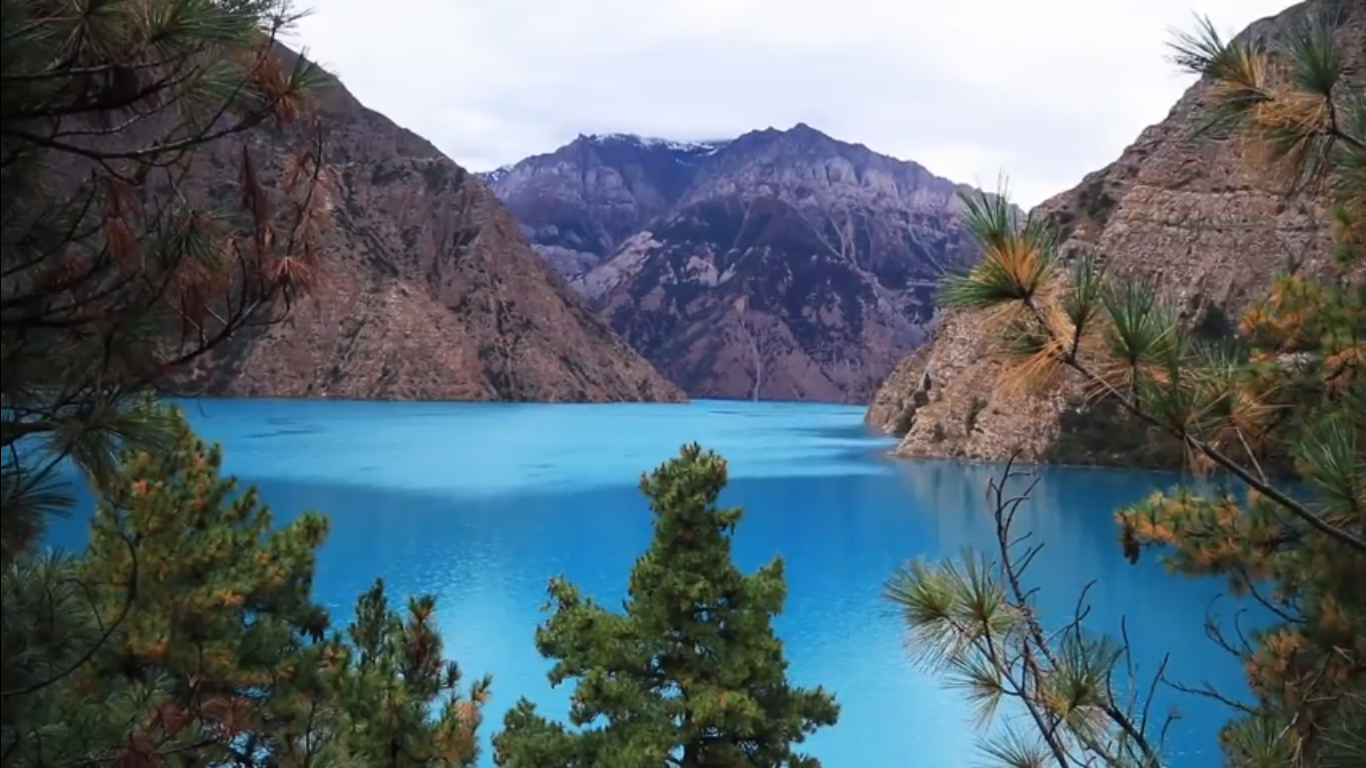
Koto
Koto, in Nepal's Mustang district, is a key stop on the northern Annapurna Circuit and the starting point for trekking into the Tibetan valleys of Naar and Phu.
Koto is a high-altitude village located in Mustang district, in northwestern Nepal, on the route leading toward Upper Mustang and Lo Manthang. Perched at the confluence of the Kali Gandaki and Naar Khola rivers, it marks the departure point for trekking into Naar and Phu, two remote valleys with Tibetan influence. The village houses a permit checkpoint, a Buddhist gompa, and stone architecture typical of the region.
Quick reference guide
- Required permits: ACAP (Annapurna Conservation Area Project) permit and restricted zone permit for Naar-Phu, to be obtained before arriving in Koto.
- Checkpoint: permit verification at the village entrance, mandatory for continuing toward Naar or Phu.
- Altitude: approximately 2,600 m — acclimatization recommended before climbing higher.
- Access: from Chame or Dharapani on foot, or from Besisahar by jeep to Chame then trek.
- Length of stay: one-night stop for most trekkers heading toward Naar-Phu or Upper Mustang.
What to see
The village is organized around stone houses with flat roofs, characteristic of architecture in the Kali Gandaki valley. A Tibetan Buddhist gompa rises above the dwellings. The confluence of the two rivers offers a striking mineral landscape, framed by ochre cliffs and snow-capped summits. Prayer wheels and prayer flags line the narrow streets.
History and context
Koto belongs to the Manang zone and sits on the cultural frontier between the Nepali world and the Tibetan sphere of influence. The Naar-Phu valley, accessible from Koto, remained closed to foreigners until 2002. Residents practice Vajrayana Buddhism close to Tibetan traditions, and yak herding remains a central activity.
Highlights of your visit
The Kali Gandaki–Naar Khola confluence
The meeting point of the two rivers, visible from the village, offers a landscape of deep gorges and high-altitude terraced fields. It's a distinctive geographical landmark on the northern Annapurna Circuit.
Koto Gompa
A small Tibetan Buddhist monastery, it houses murals and statues. Access is generally free; a donation is appreciated. The visit takes around twenty minutes.
Gateway to Naar and Phu
Koto is the last village before the split toward Naar and Phu valleys, designated a restricted zone. From here, the trek ascends a spectacular gorge toward quasi-Tibetan villages that remain relatively untouched by tourism.
Etiquette and visit guidelines
- Remove your shoes before entering the gompa.
- Walk around chortens and prayer wheels clockwise.
- Ask permission before photographing residents or the monastery interior.
- Present your permits at the checkpoint without waiting to be asked.
Photography tips
Morning light illuminates the ochre cliffs facing the village. The river confluence photographs well from the suspension bridge. Prayer flags with the summits as backdrop make a classic composition of the region.
Location and access
Koto lies in the upper Marsyangdi valley, Manang district, a few hours' walk north of Chame. The road from Besisahar reaches Chame; beyond that, access is on foot. The village is a stop on the northern Annapurna Circuit and the Naar-Phu trek.
In the area
- Chame — the district capital of Manang, departure point for jeeps and a service stop on the Annapurna Circuit.
- Pisang — a village downstream with a perched gompa and clear views of Annapurna II.
- Naar-Phu Valley — a restricted zone accessible from Koto, with Tibetan landscapes and isolated villages.
- Manang — the main acclimatization village on the Annapurna Circuit, a day's trek away.
Frequently asked questions
The ACAP (Annapurna Conservation Area Project) permit is mandatory for all trekkers. If you continue toward Naar or Phu, an additional restricted zone permit is required. These permits are obtained in Kathmandu or Pokhara before departure.
Koto lies on the northern variant of the circuit, between Dharapani and Chame. Most Annapurna Circuit trekkers pass through Koto or stop here for one night, especially those branching off toward Naar-Phu.
The ideal seasons are autumn (October-November) and spring (March-May). In winter, snow can block the passes above. The monsoon (June-September) makes trails slippery.
Koto has several tea houses offering simple lodging and meals suited to trekkers. The selection is limited; arriving early during peak season is advisable.
The gompa is generally open to visitors. Remove your shoes at the entrance and leave a donation if a monk is present. Check with your accommodation about opening hours for the day.
Want to discover this destination?
Our local advisors design your tailor-made trip.