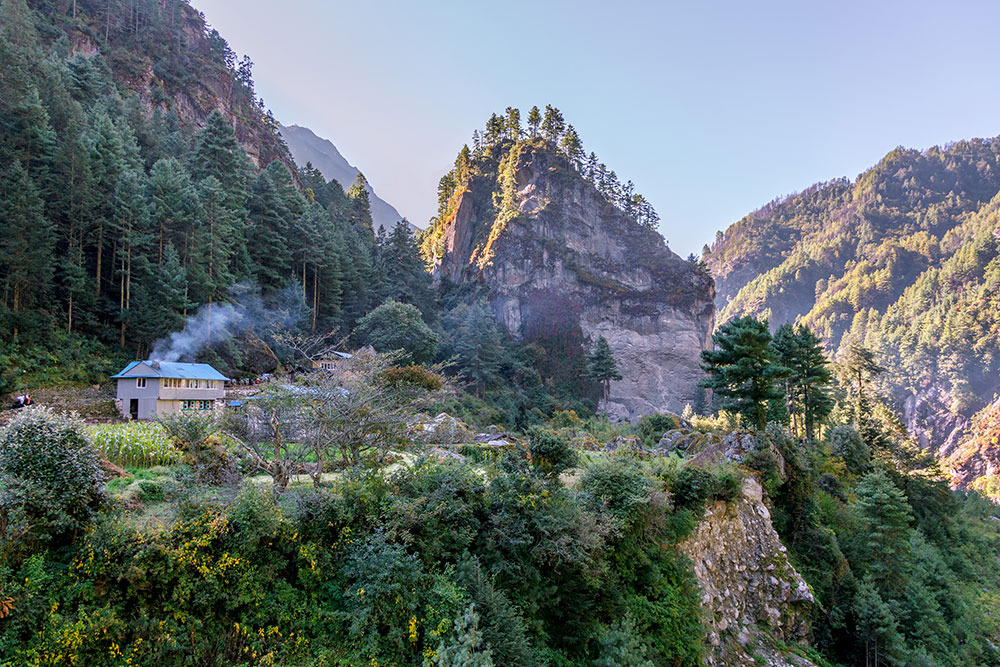
Tsarang
Tsarang is a fortified village in Upper Mustang (Nepal) at 3,500 meters elevation, featuring a ruined dzong and an active Tibetan Buddhist monastery with ancient frescoes. Once the capital of the Kingdom of Lo, it remains little-visited.
Tsarang — also spelled Charang — is a fortified village in Upper Mustang, perched at approximately 3,500 meters elevation in the Kali Gandaki valley. The former capital of the Kingdom of Lo before Lo Manthang, it preserves a ruined dzong (fortress), an active Tibetan Buddhist monastery, and rammed-earth architecture characteristic of the Tibetan plateau. The village remains relatively unvisited despite its rich history.
Quick Practical Information
- Required Permits: Upper Mustang Restricted Area Permit (RAP) + ACAP permit — must be obtained before departure, not available on-site.
- Access: Flight Pokhara–Jomsom, then trekking or jeep to Lo Manthang; Tsarang lies on the trail between Ghami and Lo Manthang.
- Recommended Duration: half a day to explore the village, monastery, and dzong ruins.
- Dress Code: Cover shoulders and knees when entering the monastery.
- Season: March–November; the trail is often impassable in winter.
What to See
Tsarang's dzong dominates the village from an ochre ridge. Its collapsed rammed-earth walls bear witness to an era when the town controlled caravan trade between Tibet and the Indian plains. The Buddhist monastery, still active, houses ancient murals and Buddha statues. The flat-roofed houses, stacked along the cliff face, form a cohesive architectural ensemble rarely altered by mass tourism.
History and Context
Tsarang was one of the first capitals of the Kingdom of Lo, founded in the 14th century. When Lo Manthang became the permanent capital, Tsarang retained its religious significance. Upper Mustang remained a semi-autonomous kingdom under Nepali sovereignty until 2008, preserving virtually intact Tibetan culture and language. Geographic isolation — reinforced by restricted-zone status established in 1992 — limited external influences.
Highlights of Your Visit
The Ruined Dzong
The fortress offers panoramic views over eroded cliffs and terraced barley fields. The ascent from the village takes just a few minutes on foot. No tourist infrastructure has been developed here: the experience remains raw and silent.
Tsarang Monastery
Monks of the Sakya school officiate regularly. The interior frescoes, dating back several centuries, depict tantric deities and mandalas with pigments still vibrant. A symbolic donation to the monastery collection is appreciated.
Rammed-Earth Architecture
The white and ochre houses, built without cement mortar, exemplify Tibetan construction expertise. Narrow alleys, prayer wheels, and chortens (stupas) dot the village across a few hundred meters.
Etiquette and Visiting Rules
- Remove your shoes before entering the monastery.
- Circumambulate chortens and prayer wheels clockwise.
- Ask permission before photographing monks or locals.
- Avoid gestures or attire deemed disrespectful in an active place of worship.
Photography Tips
Morning light illuminates the ochre cliffs and dzong walls from the east. Late afternoon casts warm tones on the white houses, creating particularly sharp definition. Drones are subject to strict regulations in Nepal: verify permissions before any flights.
Location and Access
Tsarang is located in Mustang District, between Ghami and Lo Manthang, on the main Upper Mustang trail. From Jomsom (accessible by flight from Pokhara), plan several days of trekking or one day by 4×4 jeep depending on trail conditions. Accessibility for people with mobility issues is very limited due to mountainous terrain and unarranged alleys.
Nearby Attractions
- Lo Manthang — the fortified capital of the Kingdom of Lo, a few hours' walk north, with royal palace and monasteries.
- Ghami — village featuring an extensive mani wall (stones carved with mantras) and a monastery, a common stopping point on the circuit.
- Chhoser — troglodyte cliffs with ancient caves and cliff dwellings.
- Jomsom — gateway to Mustang, with airport and basic services.
Frequently asked questions
Yes. Upper Mustang is a restricted zone: you must obtain a Restricted Area Permit (RAP) and an ACAP permit before departure. These permits cannot be purchased on-site.
March to November. Spring (April–May) and autumn (September–October) offer the best weather and visibility. In winter, the trail is often closed by snow.
Yes, if traveling by jeep. Tsarang fits naturally as a stop between Ghami and Lo Manthang. On foot, plan an extra night.
Basic teahouses (trek lodges) exist in the village, but options remain very limited. Most visitors stay in Lo Manthang and visit Tsarang as a day trip.
Generally yes, with a symbolic donation or entry fee. Always ask permission from monks present before photographing frescoes and statues.
Want to discover this destination?
Our local advisors design your tailor-made trip.