Bhutan
Bhutan
A Buddhist kingdom nestled in the Himalayas, Bhutan cultivates rare tourism and Gross National Happiness. Visas, treks, monasteries: everything you need to prepare your journey.
Capital: Thimphu
Population: 760,000 inhabitants
Currency: Ngultrum (BTN)
Phone Code: +975
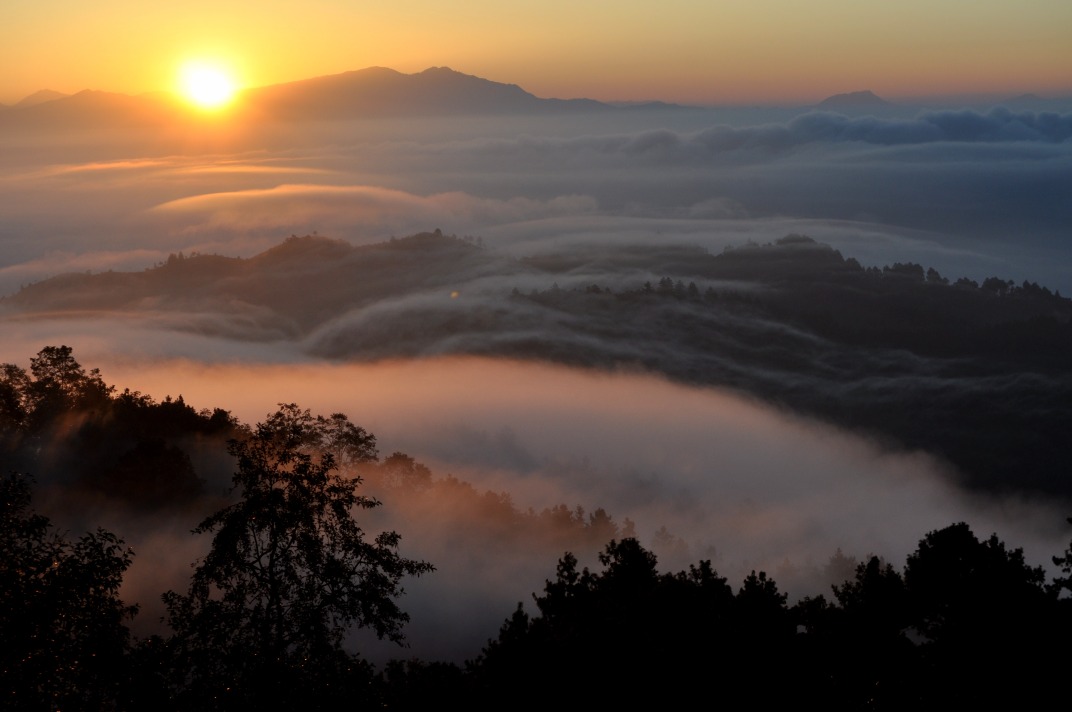
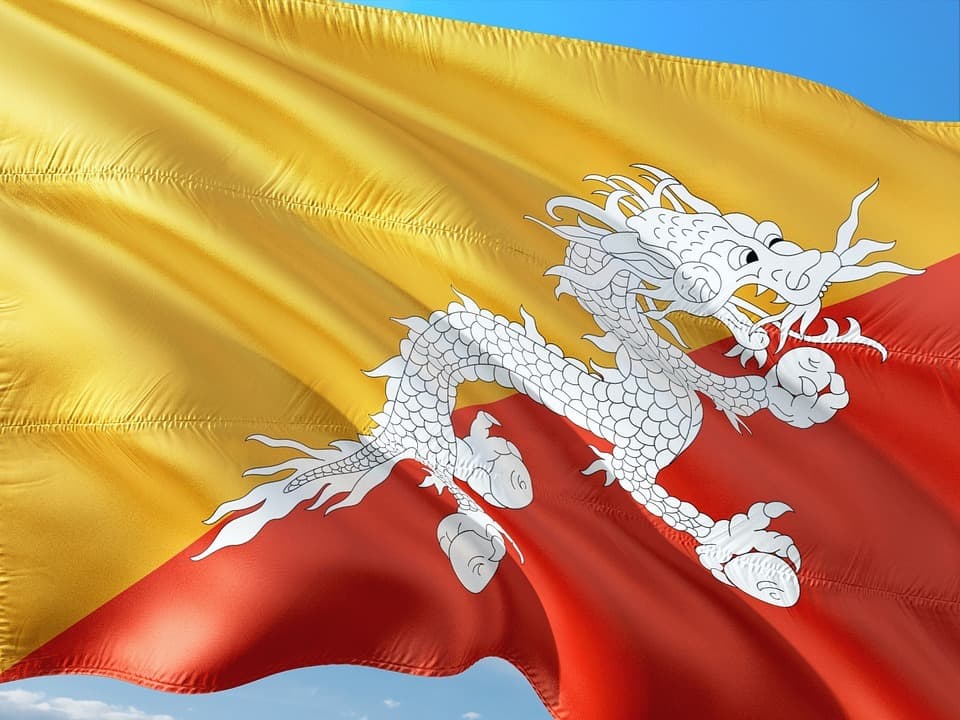
The Kingdom of Bhutan is a small landlocked country between China and India, deep within the Himalayas. It is known as one of the world's greenest countries and for its unique happiness index, Gross National Happiness (GNH).
Information:
Bhutan is a politically very closed country. Fewer than 100,000 foreign travelers visited last year. This is due to the extremely high prices set by the government: $250 per day. This threshold blocks mass tourism, concentrating instead a luxury travel market in the country. By limiting mass tourism, the government aims to preserve traditions and protect the environment. The country is indeed a pioneer in sustainable development, with 70% of its territory still covered in forests, 100% organic agriculture, and 100% renewable electricity production. The nation has enshrined in its constitution a minimum of 60% protected areas and is the only country in the world with a negative carbon footprint.
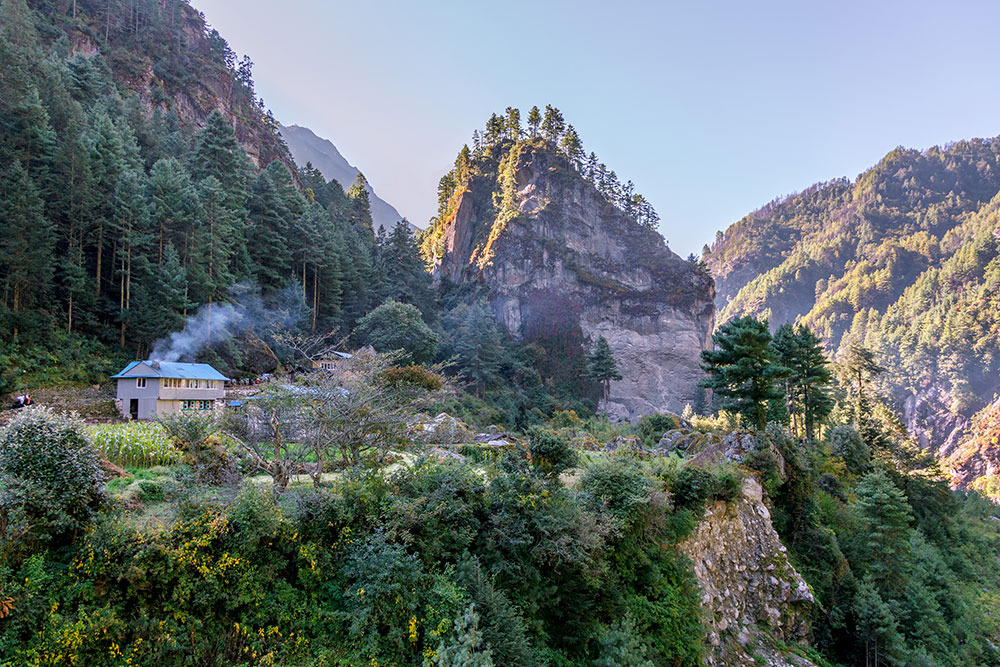
Compared to neighboring countries like Népal and India, villages remain remarkably authentic and clean, with virtually no litter along the trails.
Geographically, more than 50% of the land lies above 3,000 meters, 20% covered by glaciers and eternal snow. From the southern foothills to the great Himalayas lies the inner Himalaya—a labyrinth of ridges with wide mountain valleys that transition southward into fertile plains.
Permanent snow begins above 5,000 meters.
Tourist Sites
Dochula
Dochula is a mountain pass at 3,100 meters elevation. Its particular appeal lies in its observation point overlooking Gankhar Puensum (the world's highest unclimbed peak, standing at 7,570 meters).
The Dochula pass is a sacred site. Bhutanese visit to pray here. 108 small chortens have been built and dedicated to Bhutanese victims killed in terrorist attacks by Indian militants in the early 2000s.
The pass is further surrounded by the vast Jigme Dorji National Park (4,316 km²).
Chele-La Pass
Chele-La is a mountain pass at 3,988 meters. It separates the Paro valley from the Haa valley. The pass's appeal lies in extraordinary views of Mount Jomolhari (7,326 meters) and, on exceptionally clear days, the Kanchenjunga (8,586 meters)—the world's third-highest peak, straddling the Indo-Nepalese border.
Punakha (Town)
Bhutan's former capital, located 3 hours by car from the current capital, Thimphu.
Thimphu
Situated at 2,350 meters elevation, this is the nation's capital.
The city hosts numerous events: In September, for instance, the three-day "Thimphu Tsechu" festival takes place. Participants dress in vibrant traditional costumes and honor Guru Rinpoche through various dances. Within the city, you must visit Thimphu Dzong—a fortress-like structure housing government and religious administration.
You absolutely must also see the massive Buddha Dordenma statue. Standing 51 meters tall, it ranks as the world's 23rd-largest statue. This enormous Buddha is covered in gilded bronze and gold. Within the statue, a temple has been erected containing thousands of small golden Buddha statues.
Paro
Paro is the kingdom's second city and home to its only international airport. For the most popular tourist sites, head to the national museum and the Dzong overlooking the city.
Visit the local town market and taste the famous yak cheese. Also witness archery competitions, a hugely popular sport in Bhutan.
Taktshang Monastery
Taktshang, or "Tiger's Den," is Bhutan's most famous Buddhist monastery. It clings to a cliff face at 3,120 meters, roughly 700 meters above the Paro valley.
Taktshang comprises seven temples, all visitable. Access is by foot or on horseback. About 300 meters from the monastery stands a hermitage where monks typically isolate themselves for three years with no outside contact.
Phajoding
This monastery is visible from the capital. It sits on the "Dragon Trek" connecting Paro to Thimphu. Located at over 3,500 meters, it offers splendid views of the kingdom's eastern peaks and the Dochula pass.
Dodena Monastery
Nestled in dense forest and just a two-hour walk from the capital lies Dodena Monastery. This is a little-visited area, and the ideal experience is spending the evening with monks and overnight in one of the guest houses.
Jele Dzong
Located at a seven-hour round-trip hike from Paro, this dzong now houses a museum. It offers incredible views of Mount Jomolhari (7,326 meters) and the mountains forming the border with Tibet.
The site also features an archery range and is surrounded by forests of pine and rhododendron.
Activities
Visit National Parks: The country has numerous exceptionally well-preserved and protected national parks, interconnected via ecological corridors allowing wildlife to move freely between them. Notable parks include Manas National Park, Jigme Dorji National Park, and Thrumshingla National Park. These protected zones are crucial for the survival of snow leopards, Bengal tigers, Ganges dolphins, wild water buffalo, gharials, golden langurs, and red pandas.
Rafting: Bhutan's waterways are exceptionally clean compared to neighboring India, and the landscapes they traverse are magical. Consult your guide about a rafting adventure into pristine nature.
Archery: One of the country's most popular sports. Try your hand at one of the many specialized clubs.
Weather and Climate
In the narrow southern plains band, in cities like Gelephu and Phuentsholing, the climate is subtropical, with mild winters and hot springs from March to May.
Above 2,000 meters, as in the capital (2,200 meters), average temperatures range from about 5°C in January to 20°C from June to August.
From June to mid-October, monsoon season brings torrential rains and stifling heat. The best times to visit Bhutan's mountainous regions are the shoulder seasons, particularly March and April, and from mid-October to mid-November.
Entry Requirements
Unless you are Indian, you MUST arrange your trip through a local or international travel agency.
Step 1:
The country has set a minimum daily package of $250 per person for groups of more than three. For two people, it's $280/day per person, rising to $290 for solo travelers. Prices may increase in the future.
This rate includes accommodation in a minimum 3-star hotel, a mandatory guide, a vehicle (4WD or minibus depending on group size), meals, and entry to all tourist zones. Only tips, certain sporting activities, and beverages are excluded.
25% reduction for students under 25 and 50% for those under 12. Free for children under five.
Step 2
You receive an accreditation letter for your visa. It will be issued in Paro. Passport must be valid for at least 6 months.
Health Precautions and Safety
Standard European vaccinations must be current. If staying in mountains, no additional vaccines are necessary.
For your health, avoid tap water. In case of medical issues, the country covers 100% of hospital expenses.
As for crime, it's Asia's safest country, so there's nothing to worry about!
Want to discover this destination?
Our local advisors design your tailor-made trip.