Langtang
Langtang
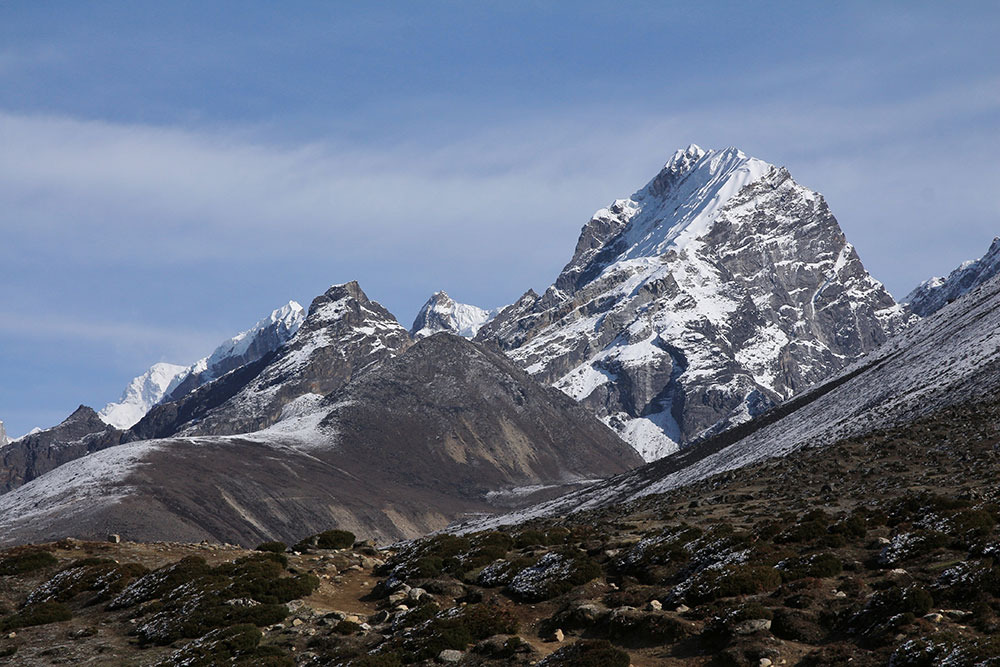
Located 50 km north of Kathmandu, Langtang Valley offers one of Nepal's most accessible treks, winding through forests, yak pastures, and Himalayan peaks.
Situated 50 km north of Kathmandu, Langtang Valley was among Nepal's most popular trekking regions before the earthquake of April 25, 2015. An avalanche of ice and rock buried the main village, killing approximately 300 people. Today, the valley is rebuilding and welcoming walkers again on a high-altitude route that crosses forests, yak pastures, and high Himalayan passes.
Why visit Langtang
The Langtang Valley trek remains one of the most accessible from Kathmandu: no internal flights, a trailhead reachable by bus or jeep, and a route that climbs gradually to over 4,000 meters. The valley is also less crowded than the Annapurna or Everest regions, making it an excellent choice for those seeking immersion in Tibetan Buddhist culture without the tourist pressure of the major classics.
Trekking in Langtang also means directly supporting residents who returned to settle after the disaster: lodges, yak farms, and village shops largely depend on this passing economy.
A valley marked by the 2015 earthquake
Langtang National Park was established in 1976. It covers approximately 1,710 km² and hosts several tiered ecosystems, from subtropical forests to high-altitude pastures. Wildlife includes emblematic Himalayan species such as the snow leopard and the red panda, rarely observed but well-established in the territory.
Before April 25, 2015, the village of Langtang had 150 houses, 55 tourist lodges, and 435 officially registered Nepali residents. The local population, about 800 people of Tibetan Buddhist origin, lived mainly from tourism by welcoming trekkers coming up the valley. Overlooked by glaciated slopes, the village was struck by an avalanche triggered by the earthquake: only about ten houses remained standing. The death toll is estimated at approximately 300, but exact figures remained unknown as of 2018, with several bodies unable to be identified.
Since then, lodges, schools, and trails have been gradually rebuilt through international aid and the return of displaced families. The valley has not recovered its pre-2015 appearance, and a memorial reminds visitors of the event.
What to see and do
The Langtang Valley trek
The classic itinerary departs from Syabrubesi (1,500 m) and follows the Langtang Khola river up to Kyanjin Gompa (3,870 m). Allow 6 to 8 days of walking round-trip depending on acclimatization and optional ascents. From Kyanjin Gompa, two panoramic peaks can be climbed in a day: Kyanjin Ri (4,770 m) and Tserko Ri (4,985 m), both offering views of Langtang Lirung (7,234 m).
Kyanjin Gompa monastery
This Buddhist monastery, at the upper end of the valley, still functions and forms the spiritual heart of the territory. A small traditional cheese factory, inherited from a Swiss project, produces yak cheese here.
Pastoral life and landscapes
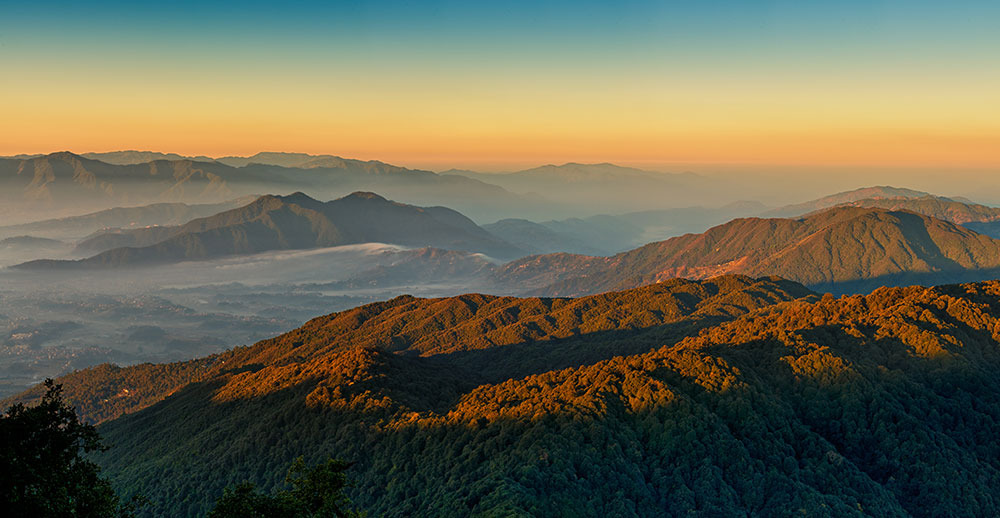
Throughout the trek, you'll cross terraced fields, forests of rhododendrons and pines, and pastures where yak herds graze. The memorial site of the former village of Langtang, on the trek route, marks the avalanche zone.
The Gosaikunda extension
Trekkers with more time continue to the sacred lakes of Gosaikunda, a Hindu and Buddhist pilgrimage site located above 4,300 m, accessible via the Laurebina La pass.
When to go
Two seasons are recommended for the trek:
- October-November: clear skies after the monsoon, cool but stable temperatures, maximum visibility of the peaks.
- March-April: rhododendron blooms in the lower valley, longer days, slightly fewer visitors.
The monsoon (June to September) brings leeches, muddy trails, and low clouds. Winter (December to February) remains passable up to Kyanjin Gompa, but several high-altitude lodges close and passes are sometimes snow-covered.
How to get there
The starting point of the trek is Syabrubesi, approximately 7 to 9 hours by road from Kathmandu via Trishuli and Dhunche. Several options:
- Local bus: early departure from Machhapokhari in Kathmandu, the most economical solution.
- Shared or private jeep: faster and more comfortable on this winding mountain road.
- Organized transfer via an agency, usually included in trek packages.
The road is rough and subject to landslides during the rainy season.
Practical information
- Permits required: Langtang National Park entry and TIMS card, payable in Kathmandu or at the park entrance.
- Level: moderate-difficulty trek, non-technical, but real altitude (acclimatization essential above 3,500 m).
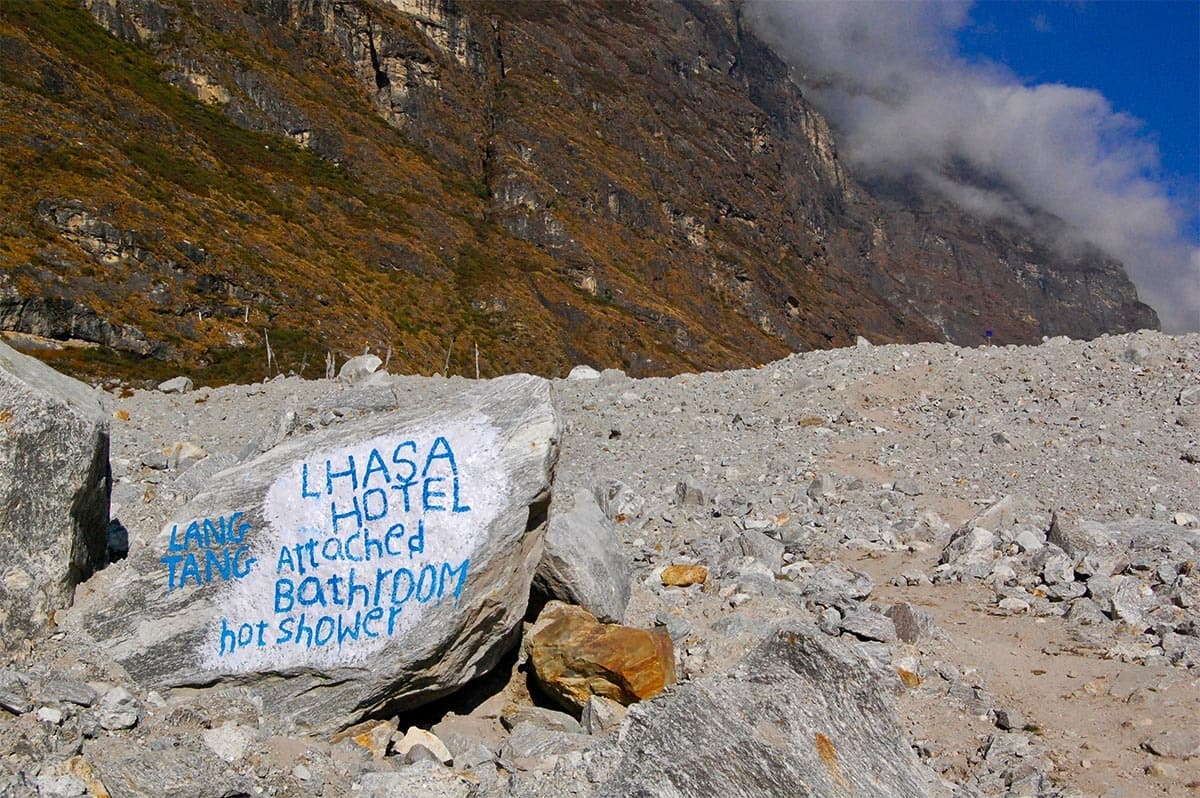
- Accommodation: lodges (teahouses) throughout the route, basic comfort, moderate rates for rooms and meals.
- Guide and porter: since 2023, foreign trekkers in Nepal are required to be accompanied by a registered guide in national park areas, including Langtang.
- Equipment: sleeping bag rated for -10°C, insulated hiking boots, layered clothing, altitude first-aid kit.
Nearby attractions to combine
Before or after the trek, several sites in the Kathmandu Valley are worth a detour:
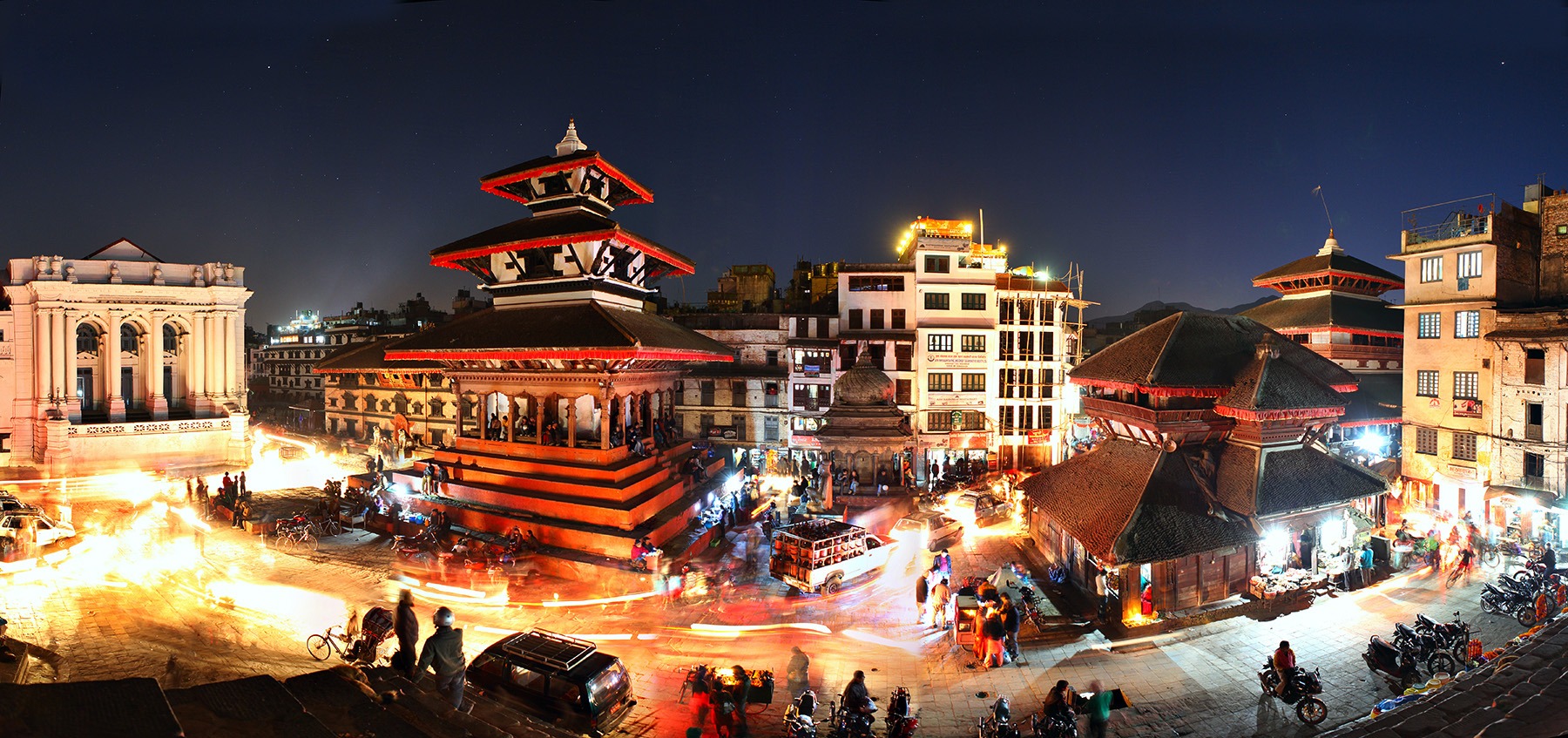
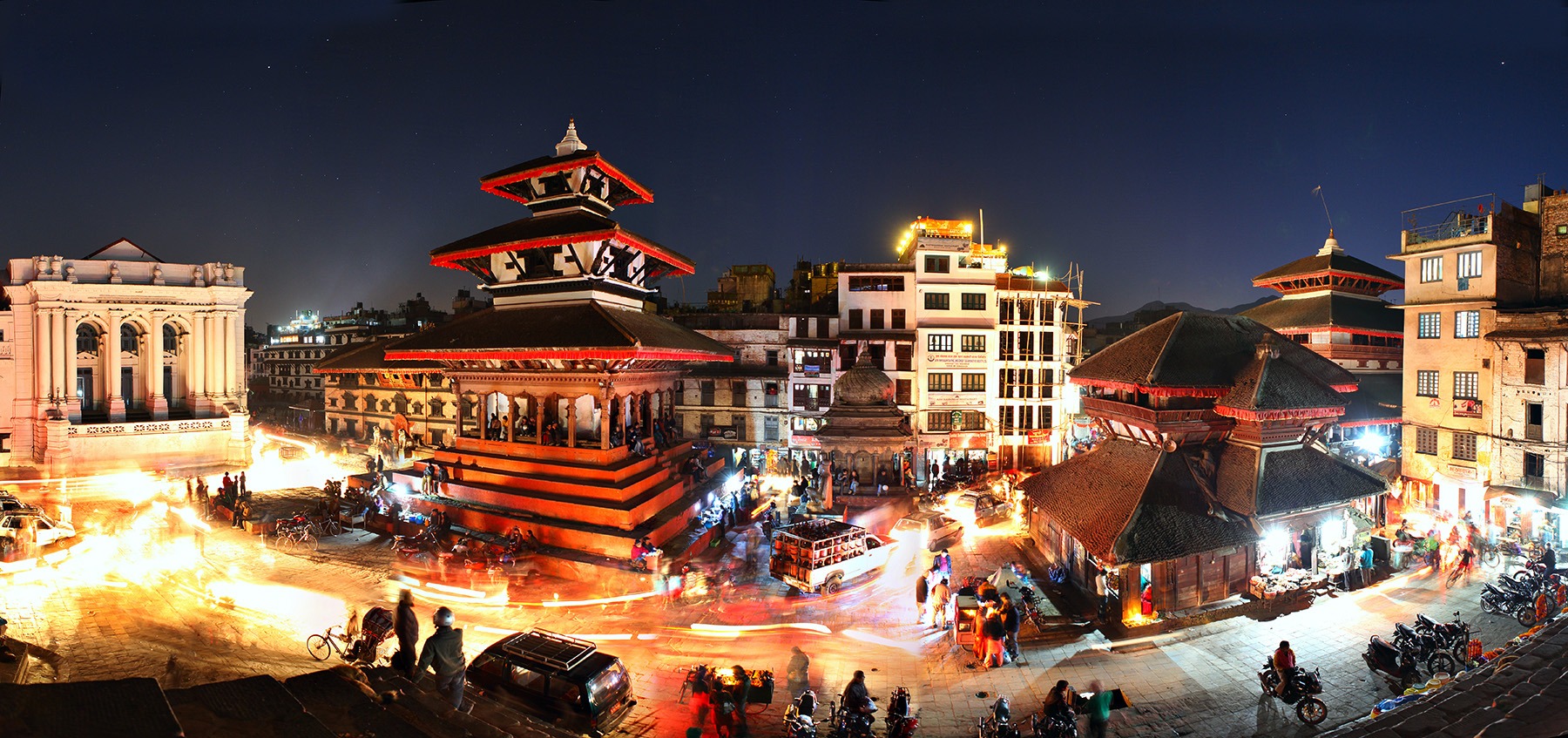
- Kathmandu Durbar Square, the former royal center of the capital.
- Bhaktapur Durbar Square, a preserved Newar city.
- Changu Narayan, Nepal's oldest Hindu temple.
- Kirtipur, a hilltop town with traditional atmosphere.
Frequently asked questions
Frequently asked questions
Yes, provided you have a good general fitness level. The trail presents no technical difficulty, but it climbs steadily to nearly 5,000 m on optional ascents. Progressive walking and acclimatization days are essential.
Allow 6 to 8 days of walking for the Syabrubesi - Kyanjin Gompa round-trip, and 10 to 14 days adding the Gosaikunda lakes extension.
Yes. The site of the old village of Langtang remains visible on the trek route, with a memorial dedicated to the victims. Several hamlets have been rebuilt elsewhere or higher up the slope.
Since April 2023, the Nepali government requires a registered guide for any foreign trekker in national park areas, including Langtang.
October-November offers the most stable conditions, with clear skies. March-April is also favorable, with rhododendron blooms in the lower valley.
Prepare your trek to Langtang
To include Langtang Valley in a custom itinerary in Nepal, explore our Nepal trips on Nomadays: our local teams design the trek according to your level, duration, and cultural stops in the Kathmandu Valley.
Nearby
Interested in this visit?
We can include it in your personalised itinerary.