Annapurna
Annapurna
An iconic massif of the Nepalese Himalayas, Annapurna stands at 8091 m and is home to one of Asia's most-trekked routes around its peaks exceeding 7000 metres.
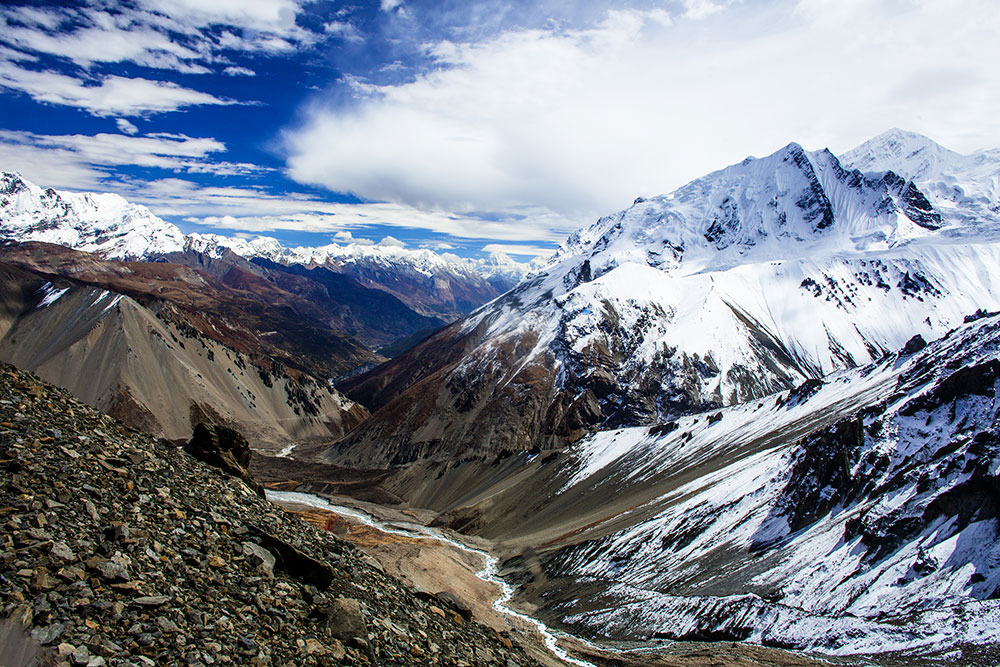
The Annapurna massif unfolds a chain of towering Himalayan summits in central Nepal, dominated by Annapurna I which rises to 8091 metres, the world's tenth-highest peak. A protected nature reserve and home to one of Asia's most-trekked routes, the region has attracted trekkers and mountaineers since opening to tourism.
Why visit Annapurna
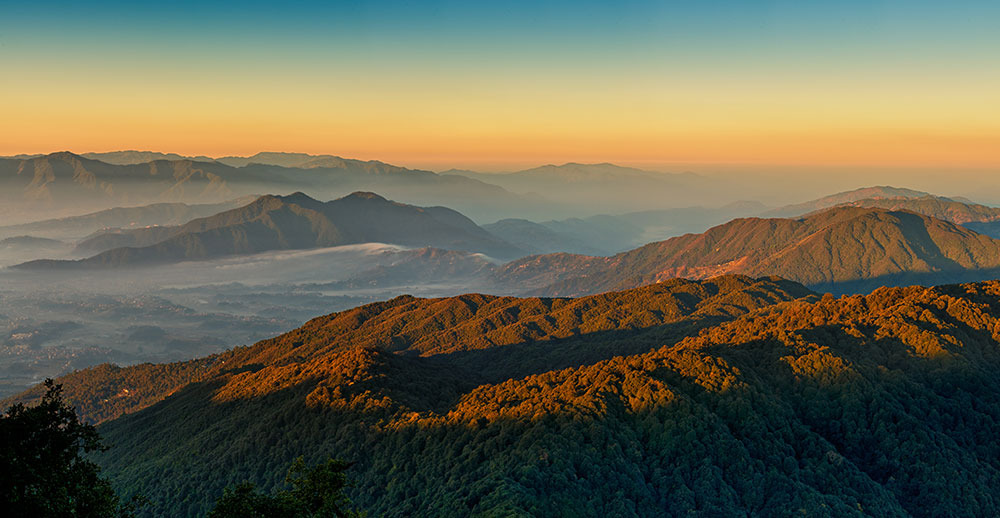
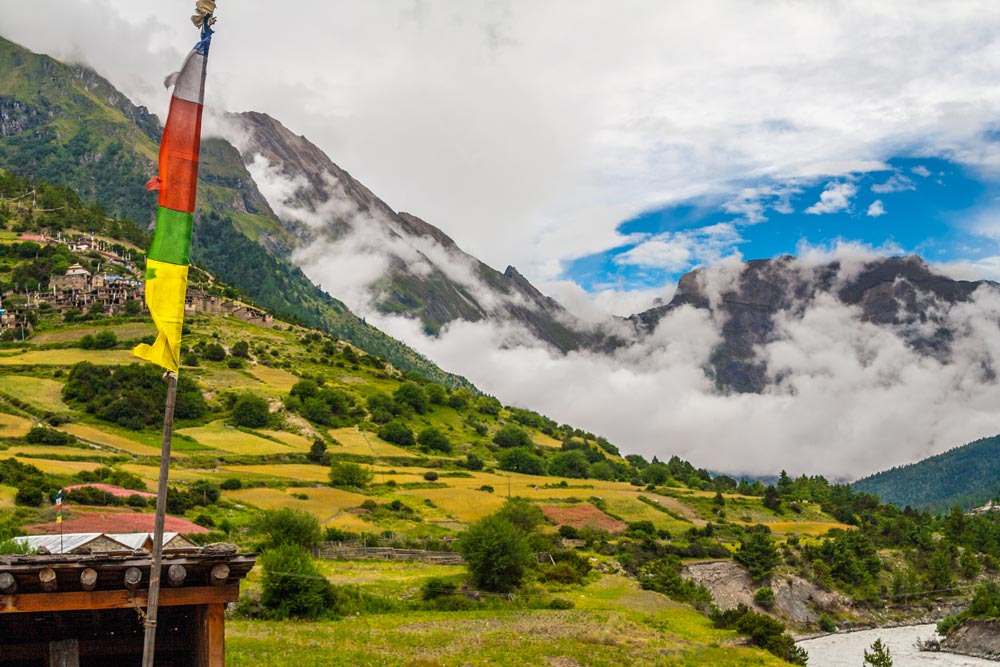
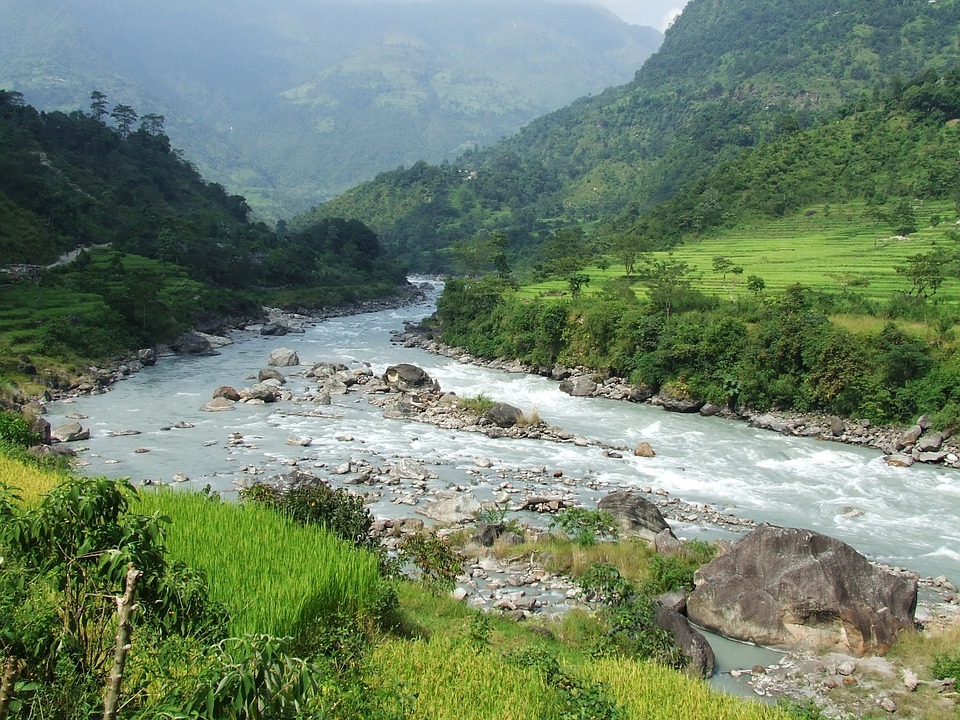
The massif concentrates remarkable diversity within a few days' walk: pine forests, orchards of apples and pears maintained by villagers, hamlets with Tibetan influence, glaciers and high desert plateaus above 4000 metres. The Annapurna Circuit, which circles the range by crossing the Thorung La pass, remains one of the country's most complete high-altitude itineraries.
Beyond trekking, Annapurna retains major alpine significance. Annapurna I remains one of the world's most demanding 8000-metre peaks, with a historically elevated mortality rate that makes it a benchmark for extreme mountaineering.
What to see in the massif
Bounded to the north and east by Thorung La pass, the massif encompasses several summits exceeding 7000 metres, each with its own climbing history.
The main summits
- Annapurna I — 8091 m: according to figures published in 2012, only 191 ascents have been successful, with a cumulative historical mortality rate of approximately 32%, compared to 4% on Everest. It is one of the world's most feared 8000-metre peaks.
- Annapurna II — 7864 m: first ascent by British climber Chris Bonington and his team.
- Annapurna III — 7577 m: pyramidal silhouette visible from Pokhara.
- Annapurna IV — 7525 m: climbed by a German expedition in 1955; the west face is considered the most accessible of the range.
- Gangapurna — 7455 m: first successful ascent in 1965 by a German team.
- Annapurna South — 7219 m: successful ascent in 1964 by a Japanese expedition.
Wildlife and ecosystems
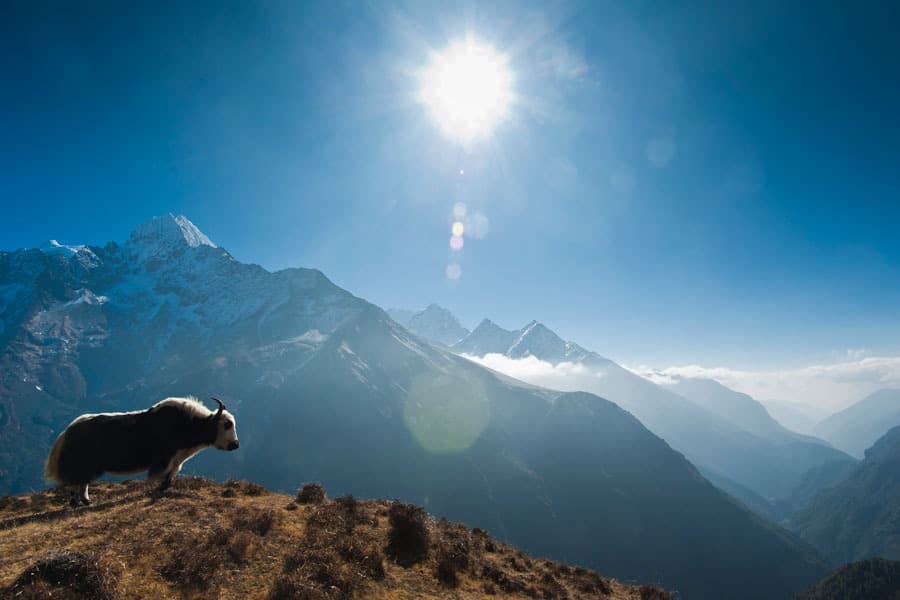
The massif traverses multiple ecological zones, from subtropical forests to high-altitude deserts. Among the endangered species that inhabit it are the Himalayan wolf, yak and snow leopard, a rare sighting and never guaranteed.
Activities
Trekking on foot remains the flagship activity, though it is not the only way to experience the massif. The shorter Annapurna Circuit on horseback allows you to cover part of the route in a few days, on mid-altitude trails. A helicopter flight is also possible from Pokhara for those wishing to see the peaks without undertaking the walk.
Practical information
Altitude is the determining factor: above 3500 metres, acclimatisation conditions the success of the trek. Plan rest days, stay well hydrated and maintain a steady pace to mitigate the risks of acute mountain sickness. An ACAP permit (Annapurna Conservation Area Permit) and TIMS card are mandatory; they can be purchased in Kathmandu or Pokhara.
For equipment, plan for layered technical clothing, a warm down jacket for nights above 3500 metres, broken-in hiking boots and a first-aid kit. Lodges (teahouses) dot the route and provide simple meals and accommodation.
When to go
The recommended seasons are spring (March-May) and autumn (October-November), when visibility on the summits is optimal and trails are passable. Winter brings snow and severe cold to the passes, which can become impassable. Summer coincides with the monsoon: muddy trails, leeches and low clouds obscuring the views.
How to get there
The classic Annapurna Circuit route starts from Kathmandu. Plan a full day of bus travel to reach Besisahar, then approximately half a day by 4x4 to Jagat at 1300 metres altitude, the trekking starting point. The trek then stretches over roughly ten days to Jomosom, in the Kali Gandaki valley.
The return is usually by short flight from Jomosom to Pokhara, then by plane or bus back to Kathmandu. Travel times vary depending on weather conditions and trail conditions: it is wise to allow some margin in your itinerary.
Nearby
The massif sits within a region rich in other mountain sites and cultural stops. Manaslu, a neighbouring peak to the east, offers a less-frequented alternative trek around another 8000-metre summit. In Pokhara, the starting and ending point for many treks, you can visit Devi's Fall and Shanti Stupa which overlooks Phewa Lake. Further south, the Kathmandu valley retains historic cities such as Kirtipur.
Frequently asked questions
Frequently asked questions
Since 2023, hiring an accredited guide is mandatory for independent trekking in Nepal. This enhances safety, particularly on high-altitude sections such as the Thorung La pass.
The trek is accessible to a walker in good physical condition, with no alpine experience required. The main difficulty remains altitude, with the highest point at Thorung La pass above 5400 metres.
Yes, the shorter Annapurna Circuit is well-suited to a horseback option on mid-altitude sections, providing an alternative to walking for discovering part of the massif.
Spring and autumn offer the best conditions: clear skies, manageable temperatures and passable trails. Winter is possible but demanding; summer is not recommended due to the monsoon.
Plan your trip
To include the Annapurna massif in a complete Nepal itinerary, consult our tailor-made circuits in Nepal.
Interested in this visit?
We can include it in your personalised itinerary.