How to Prevent Altitude Sickness?
Located at approximately 4,000 meters above sea level, the Everest region is the highest region in Népal. Each year thousands of travelers venture onto its slopes to push beyond their limits.
Located at approximately 4,000 meters above sea level, the Everest region is the highest region in Népal. Each year thousands of travelers venture onto its slopes to push beyond their limits. One of the main risks in the mountains is the famous altitude sickness…
Health problems are generally explained by inadequate acclimatization linked to oxygen deficiency at high altitude and become more frequent from 2,500 meters (even 2,000 meters in some people). Altitude illness encompasses various conditions including: Acute Mountain Sickness (AMS) - Very common among trekkers, it manifests as headaches, great fatigue and nausea. High Altitude Cerebral Edema (HACE) - An aggravated form of AMS that can be observed through coordination problems, incoherent behavior, extreme fatigue and loss of consciousness due to brain swelling. High Altitude Pulmonary Edema (HAPE) - An accumulation of fluid in the lungs is responsible for the infection. Symptoms include: a faster heart rate than normal, a dry to wet cough, colored secretions ranging from pink to blood red and respiratory distress. This edema is rare but can be fatal
Caution
Your ascent to the Everest base camp for example can worsen pre-existing illnesses or even reveal them, particularly heart and respiratory diseases. Being in good health and training before departure does not reduce the likelihood of developing altitude sickness. However, the risk of developing the condition is greater in certain situations, which include:
a history of altitude sickness during previous stays;
intense exercise, alcohol or sleeping pill consumption before acclimatization;
too rapid an ascent.
Regardless of physical condition, it is advisable to consult a specialist before departure to discuss your health status, travel plans (altitude of stay, destination), availability of medical care along the route taken and treatments to be prescribed. 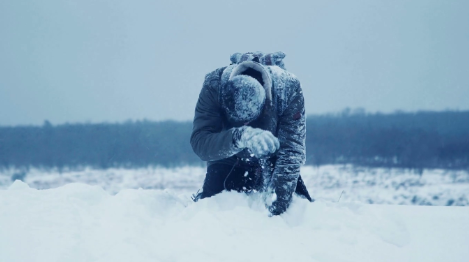
Acute Mountain Sickness (AMS)
AMS is the most common form of altitude sickness, affecting approximately 25% of adults above 2,400 meters and about 40 to 50% of people above 3,000 meters. AMS symptoms appear 6 to 24 hours after arrival at high altitude and last 2 to 5 days after stopping the ascent. AMS symptoms include:
Headaches;
Nausea, sometimes accompanied by vomiting;
Loss of appetite;
Shortness of breath;
Generalized fatigue;
Dizziness;
Insomnia and other sleep disorders.
Prevention
To prevent the effects of altitude, health experts recommend:
Avoid intense exercise and alcohol during acclimatization
Spend 2-3 nights between 2,500 and 3,000 meters before continuing the ascent;
Above 3,000 meters, do not exceed 500 meters of ascent per day;
Above 3,000 meters, avoid certain medications such as sleeping pills, pain relievers, etc., medications that can "mask" altitude sickness
Plan a rest day, that is 2 nights at the same altitude, every 3 to 4 days;
Avoid tobacco.
And above all STAY HYDRATED!
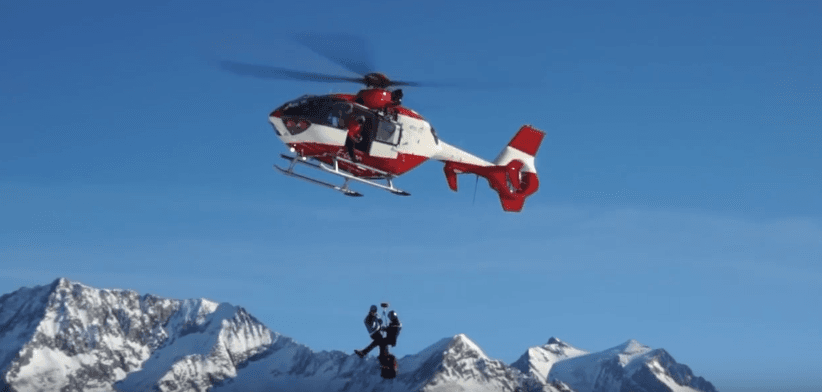
It is particularly recommended for people who have already suffered from altitude sickness in the past or who plan a rapid ascent to altitude, to take medication to prevent AMS. If you are abroad, also plan supplementary insurance or find out about the health coverage terms of your credit card. If you have a VISA PREMIER card for example, it is not necessary to take out additional travel insurance. Also make sure that in case of problems at altitude, your insurance covers the costs of helicopter evacuation.
Treatment
At the first sign of symptoms, stop ascending. Ignoring these initial symptoms would potentially cause serious complications, such as neurological system deterioration or respiratory system failure. Rest and acclimatization at the same altitude must be planned; acclimatization can take 12 hours to 4 days. If symptoms persist or worsen, descend quickly to an altitude at least 500 meters lower than where the symptoms appeared. Quick medical consultation is required if symptoms worsen or do not disappear. Some symptoms may resemble AMS, but actually be the result of intense exercise, the stress of climbing, dehydration, etc. If symptoms similar to those of cerebral or pulmonary edema mentioned above appear, it is important to descend immediately by 500 meters or more and consult a doctor. Delaying descent increases the risk of potentially fatal complications. Before your departure, consult a doctor, a prescription product that prevents and accelerates the acclimatization process could be prescribed to you. Generally Diamox, the most well-known of medications is one of the most effective. 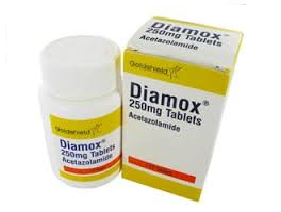
Frequently asked questions
Altitude-related problems can appear as early as 2,000 meters in sensitive individuals, and become frequent from 2,500 meters. Acute mountain sickness (AMS) affects approximately 25% of adults above 2,400 meters and 40 to 50% of people above 3,000 meters.
The first symptoms of acute mountain sickness (AMS) typically appear 6 to 24 hours after arrival at altitude. They include headaches, nausea, significant fatigue, dizziness, loss of appetite and sleep disorders. If symptoms occur, stop ascending immediately.
To prevent altitude sickness, it is recommended to climb gradually (not exceeding 500 meters per day above 3,000 meters), to spend 2 to 3 nights between 2,500 and 3,000 meters before continuing, to avoid alcohol and sleeping pills, to stay well hydrated and to plan rest days. A doctor can also prescribe Diamox as a preventive measure.
Diamox (acetazolamide) is the most well-known medication and one of the most effective for preventing and accelerating acclimatization at altitude. It must be prescribed by a doctor before departure, as it may have side effects and is not suitable for everyone. It does not replace the rules of gradual acclimatization.
High altitude cerebral edema (HACE) is a severe form of AMS causing coordination problems, incoherent behavior and loss of consciousness due to brain swelling. High altitude pulmonary edema (HAPE) is characterized by fluid accumulation in the lungs, cough, pink to blood red secretions and respiratory distress. Both conditions are rare but potentially fatal and require immediate descent.
Yes, it is strongly recommended to obtain insurance covering helicopter evacuation costs, which are essential in case of medical emergency at altitude. Some premium credit cards include this type of coverage, but it is imperative to check the specific conditions (maximum altitude covered, reimbursement ceilings) before departing.