Nepal's Ecological Transition
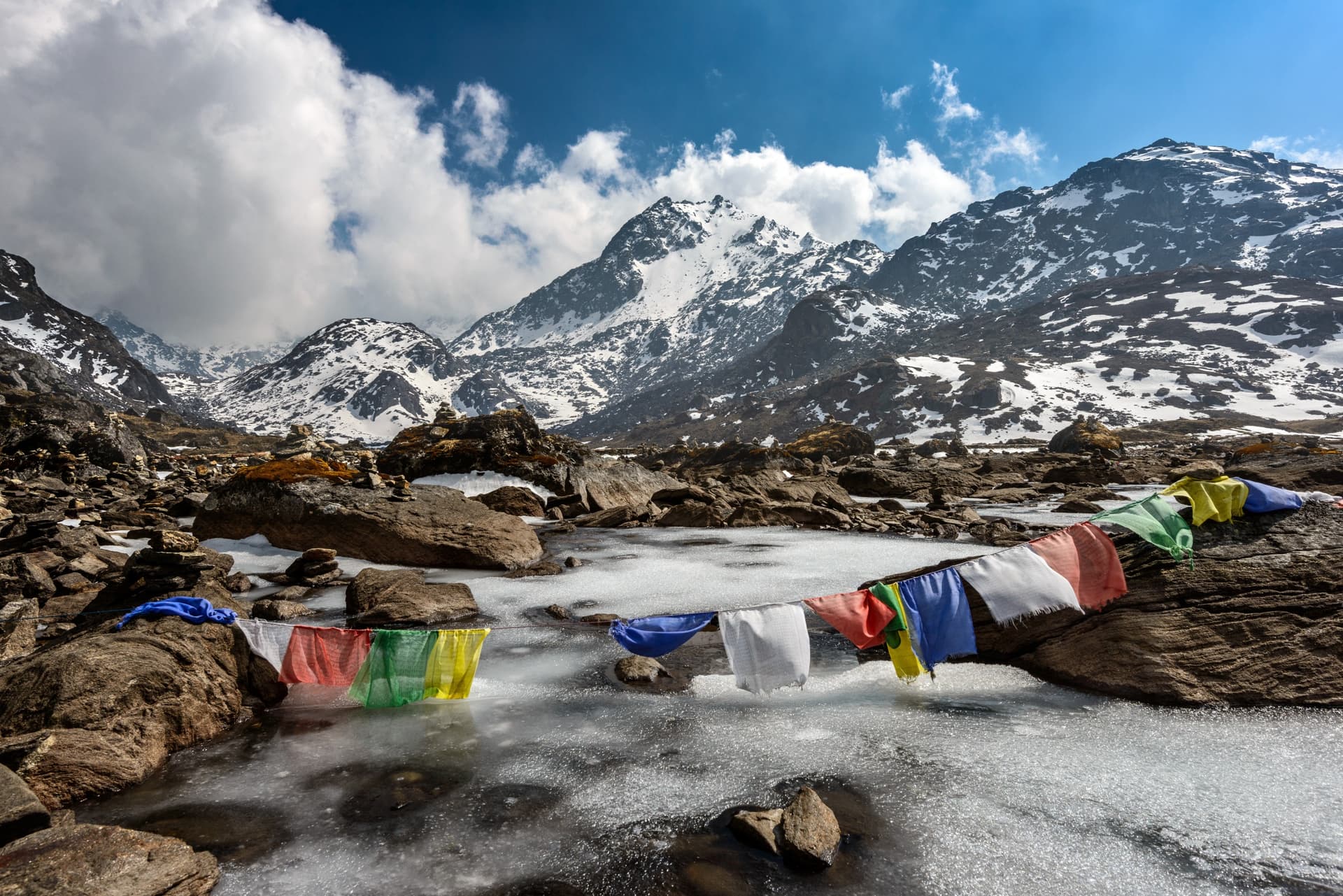
The glaciers of the Himalayas give rise to thousands of rivers that feed dozens of countries such as Nepal, India, Bhutan, Pakistan, Myanmar, China…
The glaciers of the Himalayas give rise to thousands of rivers that feed dozens of countries such as Nepal, India, Bhutan, Pakistan, Myanmar, China… 14 of the world's largest rivers find their sources there. An inexhaustible source of energy that could power the entire country with electricity, yet Nepal continues to purchase fossil energy from its powerful neighbours: China and India. When will this country, which has the potential for it, embrace an ecological transition?
Local initiatives
Nepal is not entirely covered by an electrical grid; the mountains make infrastructure development difficult, and many households lack access to power. To address this shortfall, local initiatives have emerged. With the help of financing support, residents can use their own micro-turbines developed by the NGO CRT Nepal and generate enough hydroelectric energy to power a few lights and charge their phones.
In 1996, the government established the Alternative Energy Promotion Centre. The agency manages international donations and allocates subsidies to these small-scale projects.
A crucial challenge for the country
In 2015, Paris hosted the COP21, where a national renewable energy programme was established. Within this framework, wealthy nations pledged to help finance projects in developing countries like Nepal. With these funds, Nepal plans to install 600,000 domestic solar systems, 1,500 photovoltaic panels for institutional use, and 4,000 hydraulic motors. But that's not all! To harness its remarkable energy potential, the country plans to build a railway network powered by renewable energy by 2040. However, much work remains to be done—Nepal currently has only 53 km of railway track…
What about Bluesheep?
To offer you more environmentally conscious holidays, Bluesheep has acquired a 100% electric vehicle for your airport-to-hotel transfers. A standard vehicle would produce 3 times more CO2 than an electric vehicle. Beyond passenger comfort, this Peugeot Partner assembled in India allows Bluesheep to commit to a greener Nepal! Less pollution but also less noise—a nuisance that is increasingly prevalent and harmful to health in cities. Bluesheep hopes to continue this momentum and offer you more and more ecological and responsible initiatives throughout the year.
Frequently asked questions
The glaciers of the Himalayas feed thousands of rivers in Nepal, from which 14 of the world's largest rivers originate. This hydrographic network represents considerable energy potential, theoretically sufficient to power the entire country through hydroelectric energy.
As part of the national programme resulting from the 2015 COP21, Nepal plans to install 600,000 domestic solar systems, 1,500 photovoltaic panels for institutional use, and 4,000 hydraulic motors. In the longer term, a railway network powered by renewable energy is envisioned by 2040.
In areas not served by the national electrical grid, local initiatives have taken root. The NGO CRT Nepal has developed micro-hydraulic turbines that residents can acquire through financial assistance programmes. These devices produce enough energy to power lights and charge phones.
Although Nepal's hydroelectric potential is immense, infrastructure development in mountainous regions is complex and costly. Many facilities remain to be built, which prompts the country to continue purchasing fossil energy from its neighbours, China and India, while renewable projects take shape.
Bluesheep has invested in a 100% electric vehicle for airport-to-hotel transfers for its clients. This choice reduces CO2 emissions by up to three times compared to a conventional vehicle, while also reducing noise pollution in Nepalese cities.