The 2015 Earthquake: Where Stands Nepal Today?
As you likely know, in April 2015 a 7.8 magnitude earthquake struck Nepal. A disaster that profoundly shook the country.
As you likely know, in April 2015 a 7.8 magnitude earthquake struck Nepal. A disaster that profoundly shook the country. With its epicenter near Kathmandu, which holds the nation's largest population concentration, the damage was enormous, leaving considerable material and human losses in its wake. But what is the reality on the ground today?
Nepal Two Years After the Earthquake
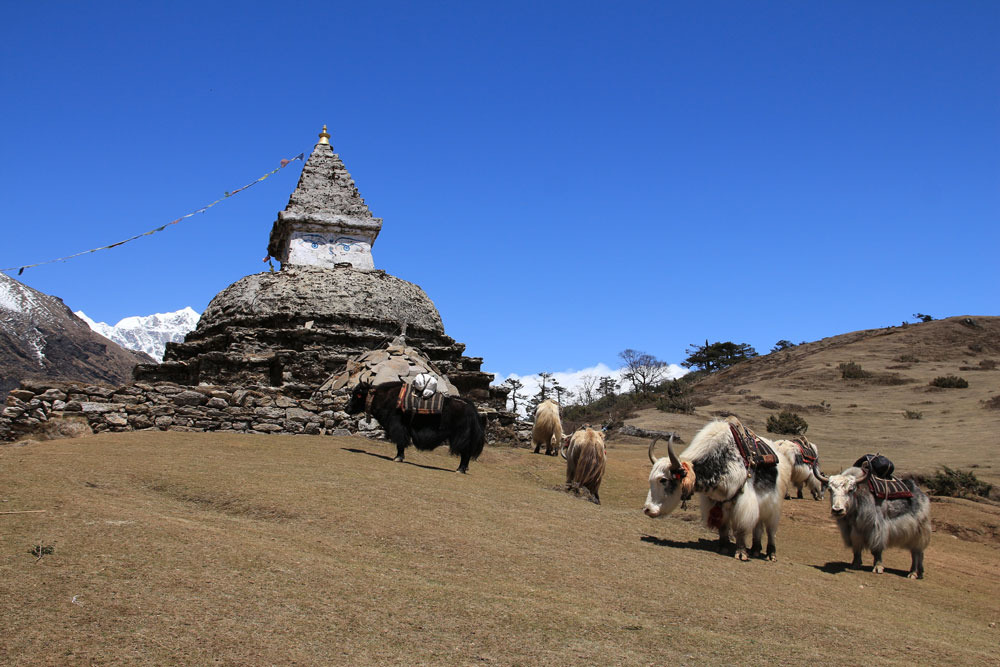
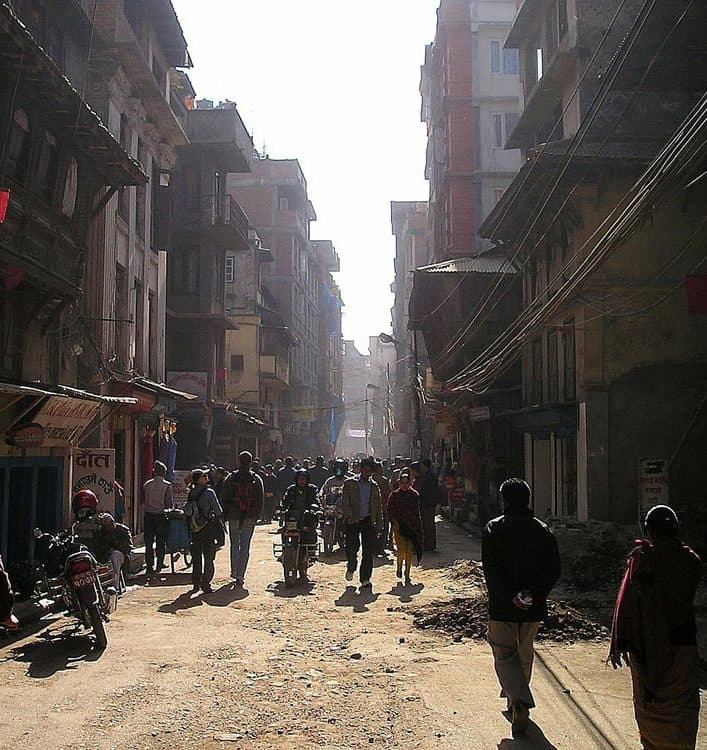
Even today, Nepali citizens carry difficult memories of this event. Yet contrary to what media reports might suggest, the country has recovered, and remarkably quickly at that. Though vestiges of the disaster remain visible through affected regions—collapsed walls, landslide scars along cliff faces, and sites still under reconstruction like the Kathmandu Durbar Square—the people have moved forward and rebuilt their nation. In the cities, it is difficult to perceive the passage of such an event just two years prior. Life has resumed its rhythm, and the few destroyed walls visible in Kathmandu are part of the everyday landscape for residents. Beyond urban centers, the devastated villages have been entirely rebuilt, in their original locations or nearby. In the most affected national parks, such as Langtang, the last trekking trails reopened in early 2016. Today, Nepal appears to be developing faster than ever before. In recent years, numerous projects have been undertaken to improve water conditions, one of the country's principal disease vectors, and the nation is investing to reduce pollution, a serious problem during Kathmandu's winter months. Recent local elections have opened new opportunities for smaller cities. Through them, Nepali citizens hold genuine hope of reducing the capital's outsized importance. Finally, the government is making tremendous efforts toward advancing tourism and improving travel conditions on Nepal's various trekking routes. While earthquakes are part of Nepal's geology, very few are felt at the surface, and even fewer are powerful enough to cause damage. If you hesitated to visit Nepal for this reason, hesitate no longer! Nepal is a magnificent and extraordinary country. Traveling there means not only enjoying some of the planet's most stunning vistas but also having an incredible cultural experience and encountering a resilient people who know how to keep smiling no matter the circumstances.
Frequently asked questions
Yes, Nepal is entirely safe to visit. Two years after the 7.8 magnitude earthquake of April 2015, the country has largely rebuilt itself. Cities, villages, and national parks are open to travelers, and life has returned to normal for the people.
Several iconic sites sustained damage, including the Kathmandu Durbar Square, a UNESCO World Heritage site. Restoration efforts have been undertaken. Beyond Kathmandu, the Langtang National Park was also severely impacted, but its trekking trails reopened in early 2016.
Absolutely. The main trekking routes in Nepal are open and accessible. Langtang National Park, one of the hardest-hit areas, reopened its trails in early 2016. The Nepali government is also investing in improved trekking conditions for travelers.
Nepal is situated in an active seismic zone, and minor tremors are common. However, they are rarely felt at the surface and very few cause significant damage. Seismic risks are part of the country's geology, but they should not discourage travelers.
Tourism in Nepal has experienced a gradual recovery since the 2015 earthquake. The Nepali government has made significant efforts to improve tourist infrastructure and travel conditions on various trekking routes. The country is even developing faster than before the disaster in certain sectors.