What Equipment to Bring on Your Trek in Nepal?
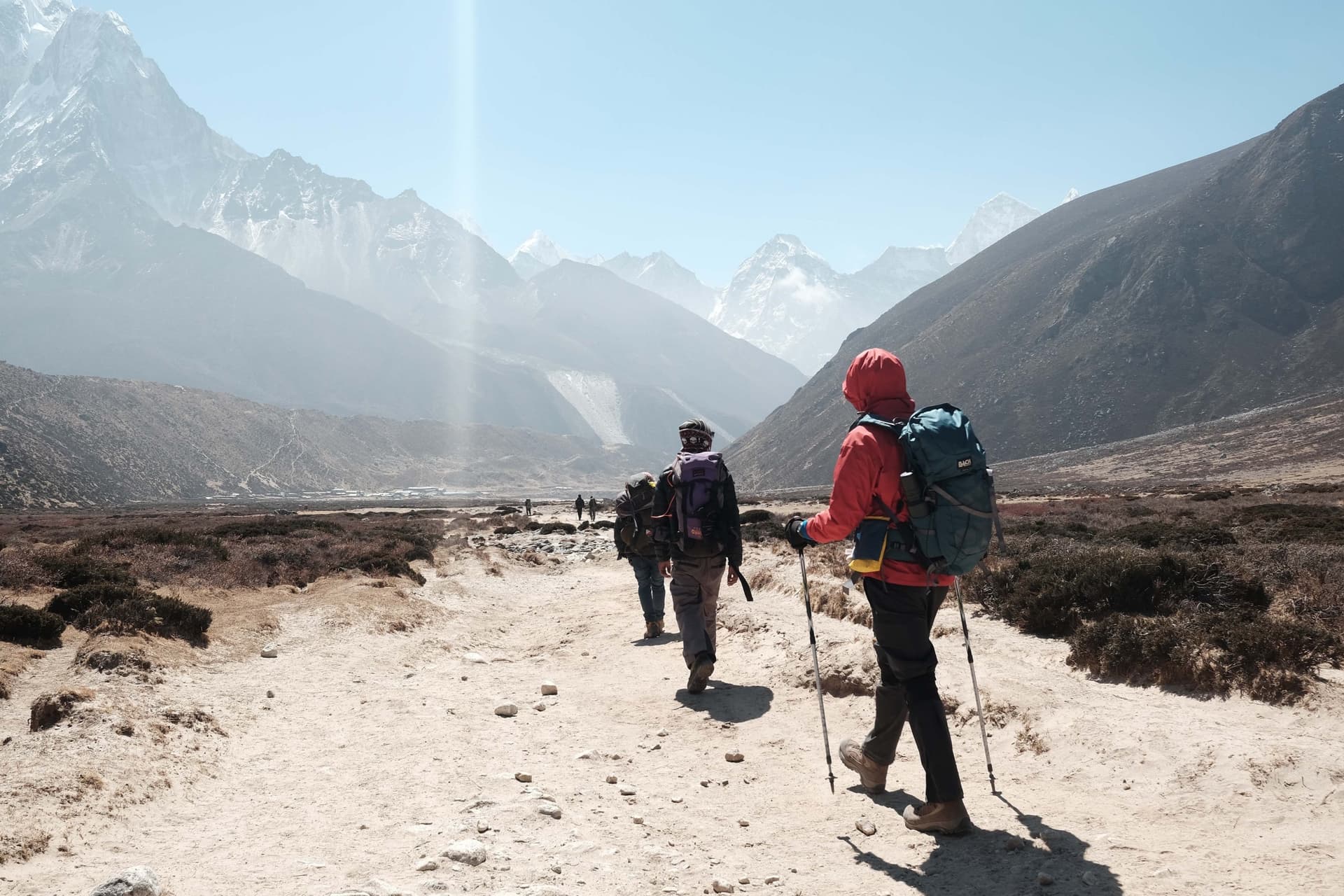
Of course, when you think of mountain trekking, your mind immediately goes to sturdy hiking boots or a warm jacket to withstand the low temperatures of high altitude.
Of course, when you think of mountain trekking, your mind immediately goes to sturdy hiking boots or a warm jacket to withstand the low temperatures of high altitude. But there are small items often overlooked that can make your Nepal trek considerably easier and more enjoyable.
Headlamp
Some lodges lack electricity. You might think it's unnecessary since you have a regular flashlight or even your smartphone's flash will do the trick: think again! Good luck finding your way to the toilet at night with your latest Samsung's flash! The same goes before bedtime, when retrieving items from the bottom of your pack or reading a map—a headlamp offers practicality that traditional flashlights simply don't. Plus, you'll likely be trekking at night. Without a headlamp, it can get challenging.
External Battery Pack
As mentioned earlier, some lodges lack access to electricity. Are you passionate about photography? It would be unfortunate if your smartphone or camera died the day after starting your trek with no way to recharge. How else would you share your Nepal vacation adventures with friends on Facebook or Instagram?
Diamox
This is the high-altitude medication! A headache? A meal, coffee, and Diamox!
Water Purification Tablets
Above 2,000 meters altitude, bottled water prices skyrocket: at least 200 rupees! The ideal solution is to bring a reusable water bottle or flask and fill it from village water sources. Mountain water is indeed cleaner than Kathmandu water, but I wouldn't risk getting traveler's diarrhea on the second day of trekking. Fill your bottle and drop in a purification tablet. After 30 minutes, it's pure! Don't worry if the taste seems odd—that's the chemicals inside doing their job!
Toilet Paper
In the mountains, villagers don't use toilet paper; they use their left hand instead. Fortunately, small shops in villages sell rolls for about 100 rupees.
Hat, Sunglasses, and Sunscreen
Basics! A hat protects your head from the sun, sunglasses protect your eyes, and sunscreen protects your skin. For sunglasses, make sure they come from a reputable optician. Those counterfeit Ray-Ban sunglasses you bought from a street vendor for €5 on the Promenade des Anglais in Nice or at Trocadéro in Paris—skip them: they're actually more dangerous for your eyes! For sunscreen, SPF 50 minimum is essential. At 3,000 meters altitude, even coated in SPF 50, you'll still get sunburned! Imagine without it…
Rain Jacket
I know rain jacket is a brand name, so for the purists, let's say waterproof jacket 😉. Over 15 days of trekking, the odds of facing nature's fury are high! Unless you're from Brittany, Belgium, or Lille, it's always more pleasant to stay dry.
Binoculars
With a pair of binoculars, you can get a closer look at the wildlife : blue sheep in combat, golden eagles in courtship displays, or even the immense snow-capped mountains from one of the many Himalayan base camps.
Hand Sanitizer
Hygiene standards can be inconsistent in Nepal. Minimize risks by washing your hands before eating.
Playing Cards
Without internet or electricity, you need ways to pass the time! A game of Blackjack, card games, or UNO can unite all the travelers in the guesthouse! And why not finish with local rice wine afterward?
Condoms
Rule number one: always be prepared! And getting intimate at 4,000 meters… well, that's the term for it!
And the ultimate complementary equipment… a Bluetooth speaker!
You might not think of it, but it's easier to transport than a guitar and will energize the entire guesthouse or even the whole village! Want to meet fellow travelers and locals? Crank up the sound!
Frequently asked questions
For trekking in Nepal, essential equipment includes: a headlamp (some lodges lack electricity), an external battery pack to charge your devices, Diamox for altitude sickness, water purification tablets, SPF 50 minimum sunscreen, quality sunglasses, a waterproof jacket, appropriate hiking boots, and warm clothing for high-altitude nights.
Diamox is a commonly used medication to prevent and relieve acute mountain sickness during high-altitude treks in Nepal. It's advisable to consult a doctor before departure to obtain an appropriate prescription, learn the recommended dosage, and verify there are no contraindications with other medications you may be taking.
Above 2,000 meters altitude, bottled water becomes very expensive (over 200 rupees). The best solution is to carry a reusable water bottle and water purification tablets. Fill your bottle from village water sources, add a tablet, and wait 30 minutes before drinking. This keeps you well-hydrated at a lower cost while reducing plastic waste.
Not all lodges have electricity, particularly in remote areas or at high altitudes. It's strongly recommended to carry a high-capacity external battery to charge your smartphone, camera, or GPS. In lodges with electricity, charging may sometimes incur an additional fee.
At Nepal's altitudes, ultraviolet radiation is far more intense than at sea level. It's essential to bring SPF 50 minimum sunscreen, a wide-brimmed hat, and UV-protected sunglasses purchased from an optician with certified UV protection. Substandard sunglasses can actually be more harmful to your eyes than wearing none at all.
Yes, it's wise to carry toilet paper, as mountain lodges and villages don't always provide it. You can purchase rolls in village shops for around 100 rupees, but it's better to bring enough in your pack for the more isolated sections of the trek.