Nepali New Year
In Nepal, the Bikram Sambat calendar is used for official and administrative documents. It is based on lunar cycles and ancient Hindu traditions.
In Nepal, the Bikram Sambat calendar is used for official and administrative documents. It is based on lunar cycles and ancient Hindu traditions.
History
The Bikram Sambat was established by a legendary ruler of Rajasthan in India: Bikramaditya. His reign began in 57 BC, just as did the calendar to which he gave
his name. In 2019, we are therefore in the year 2076 of the Nepali calendar! The new year typically falls in mid-April, though the date may vary.
Celebrating Nepali New Year
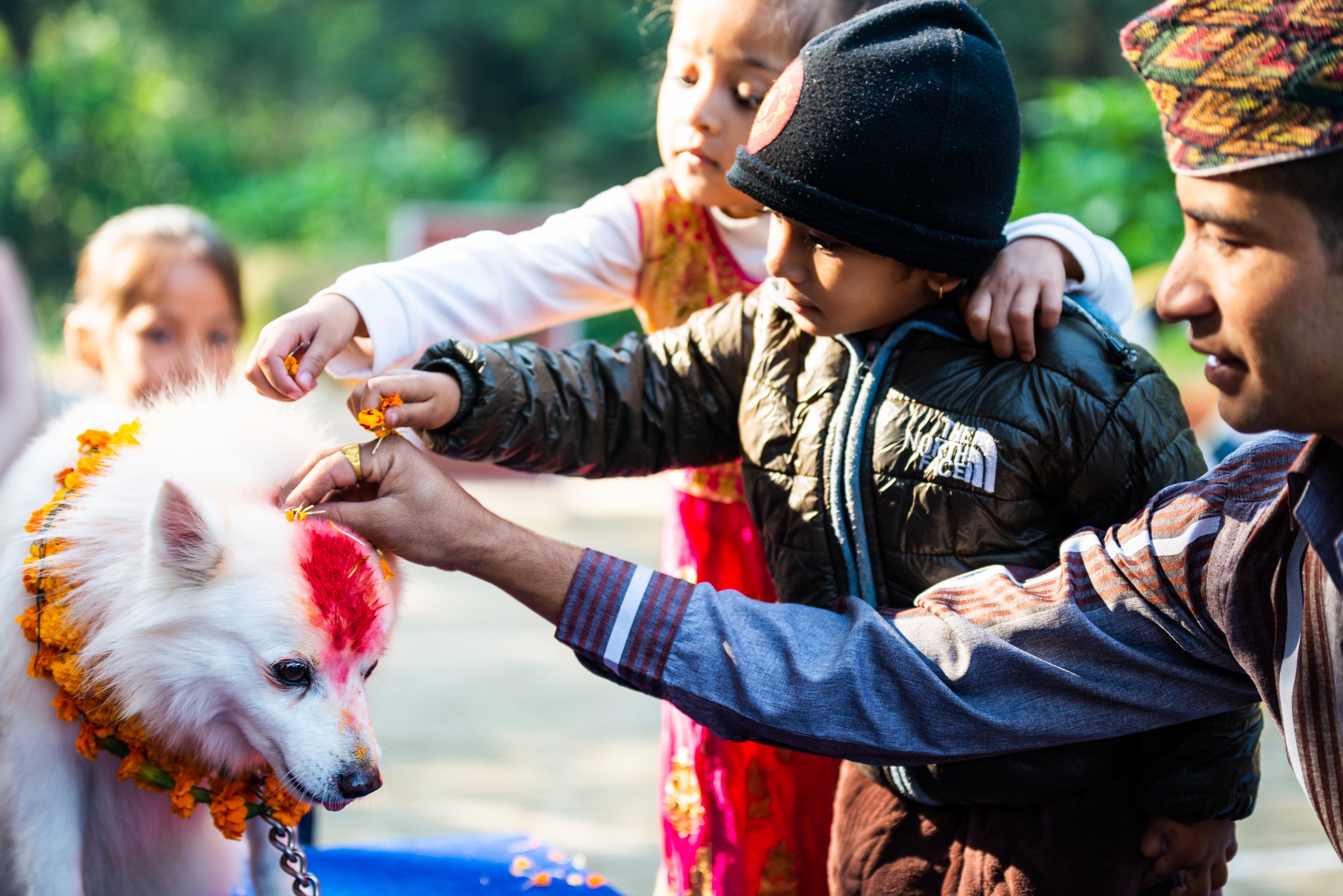
Nepali people take advantage of this holiday to travel around the country or have a picnic in a park. They eat family meals prepared specially for the occasion and decorate their homes. Families and friends exchange gifts while making good resolutions. Hindus visit temples to participate in morning prayer sessions and make offerings.
Numerous parades featuring music, brass bands, dances, traditional games and costumes fill the streets. Events such as Bisket Jatra and Sindoor Jatra are held on the first day of the year.
In Kathmandu, you can join Nepali people and celebrate the new year in the streets or attend a speech by the Nepali president.
Bhaktapur
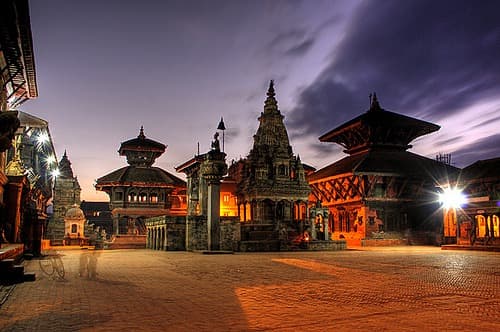
The largest and longest celebrations take place in Bhaktapur, in the Kathmandu Valley. For a week, locals feast and perform various rituals. They place an effigy of Bhairav in one chariot and one of Bhadrakali in another. The locals, divided according to their belonging to the east or west of the city, make the two chariots clash before leading them through the crowd to the river. There, a 25-meter pole is erected. Nepali people must then make it fall, and only from that moment does the new year truly begin. But beware! Depending on how the pole breaks, it can signify good or bad omens for the year ahead.
A few tips:
A mask can be useful for breathing more easily.
Be careful with your personal belongings. In the crush you can easily lose or break your glasses, for example.
The crowd is very dense; if you are claustrophobic, stay away from the main celebration centers.
Be careful if you go out at night! The New Year can lead to clashes and confrontations between locals and police.
Frequently asked questions
Nepali New Year (Bikram Sambat) typically falls in mid-April. The exact date varies each year according to the Hindu lunar calendar. In 2025, it is expected around April 14.
The Bikram Sambat is Nepal's official calendar, based on lunar cycles and Hindu traditions. It was established by the legendary ruler Bikramaditya, whose reign began in 57 BC. In 2019, the year was 2076 according to this calendar.
The most spectacular celebrations take place in Bhaktapur, in the Kathmandu Valley, where festivities last an entire week. In Kathmandu, you can join the celebrations in the streets or attend a speech by the Nepali president.
During Nepali New Year in Bhaktapur, a 25-meter pole (called Lingo) is erected near the river. Locals must make it fall, and only at that moment does the new year officially begin. The way the pole breaks is interpreted as a sign: good or bad for the year ahead.
It is advisable to wear a mask for air quality, watch your personal belongings in the dense crowds, avoid very crowded areas if you are claustrophobic, and be careful in the evening as festivities can lead to tensions between revelers and police.