Nepal Reopens Trekking Permits Starting October 17
After nearly six months of border closures due to the Covid-19 epidemic, Nepal's Cabinet announced the reopening of domestic flights, intercity buses, hotels, and restaurants.
After a border closure lasting nearly six months due to the Covid-19 pandemic, the Nepal Cabinet announced the reopening of domestic flights, intercity buses, hotels, and restaurants starting Thursday, September 17. In parallel, authorities announced they would resume issuing trekking permits beginning October 17. What does this mean, and what are the conditions? Here's what you need to know…
Toward a gradual return of tourism?
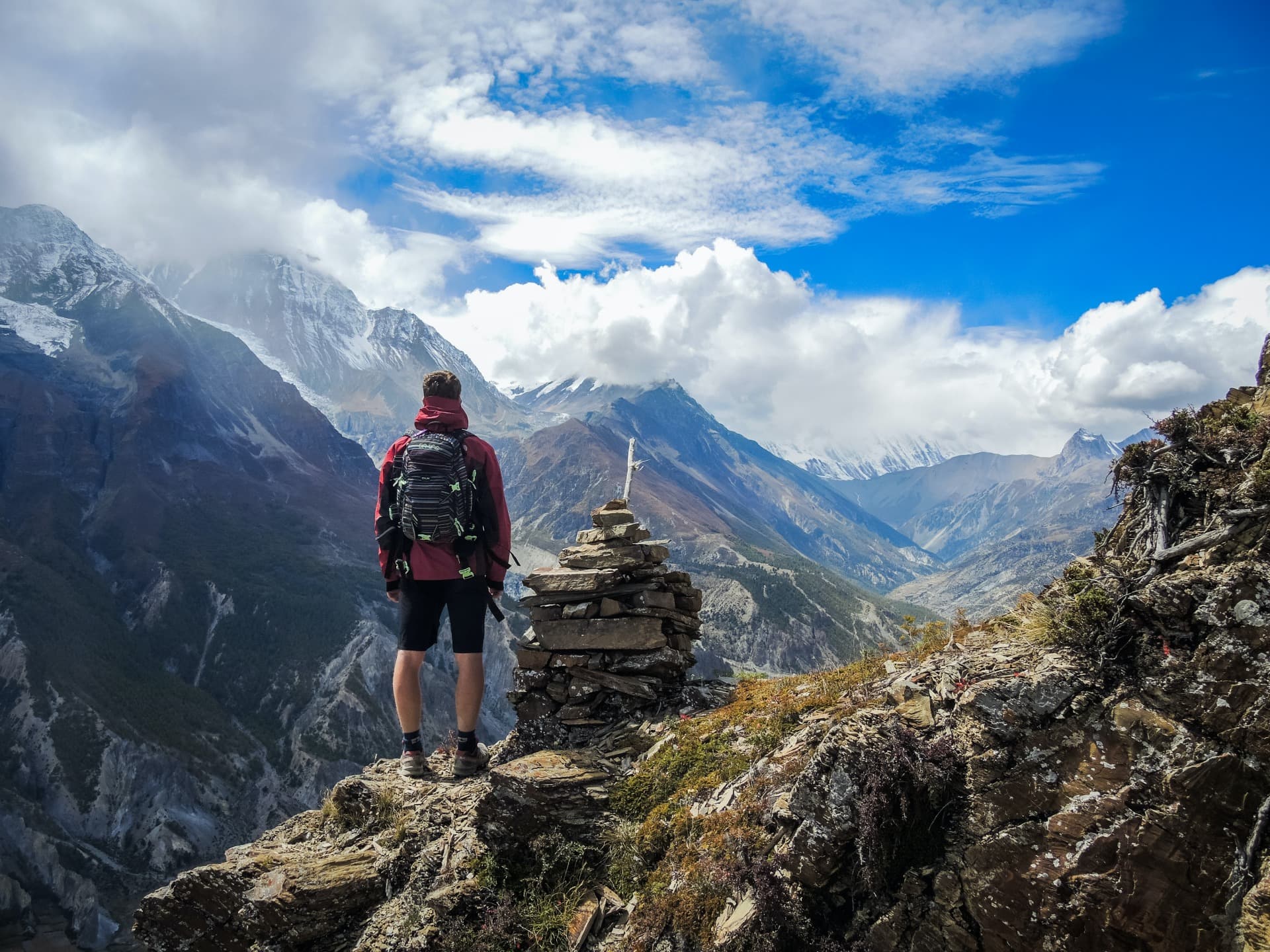
During a Cabinet meeting on the recommendation of the Covid-19 Crisis Management Committee (CCMC), authorities made the decision to once again authorize trekking and mountaineering groups to conduct treks starting October 17, 2020. Government spokesman and Foreign Minister Pradeep Gyawali announced at a briefing that expedition agencies would soon be able to lead their clients into the mountains. Among the permits issued for "trekking peaks," the list includes the famous Mera Peak as well as Baruntse.
Entry conditions to the country
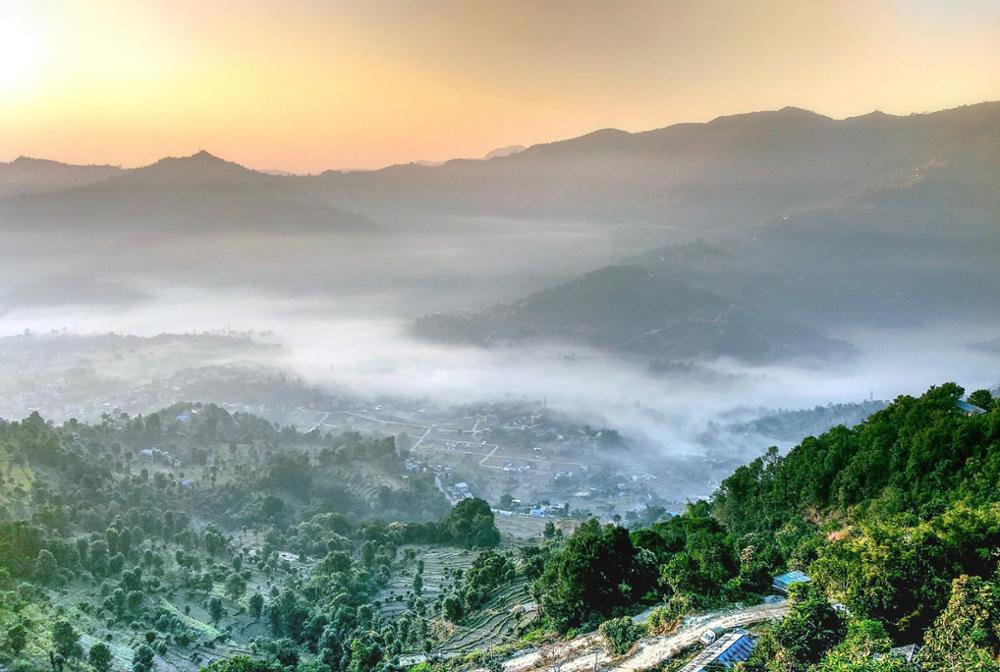
The country is gradually preparing to reopen to tourism. On September 1st, international flights resumed their routes. However, only certain individuals with proper documentation (Nepalese expatriates, staff of diplomatic missions and international NGOs, etc.) can enter the territory, and foreign tourists are not yet authorized to visit Nepal.
Individuals able to travel to the country must have completed a negative PCR test 72 hours before departure. They must also complete an online form and book a 7-day stay at an approved hotel. Upon arrival, travelers must complete 7 days of quarantine and commit in writing to 14 days of home isolation afterward.
Toward a gradual return of tourism?
Even though international flights remain limited, air traffic should nonetheless gradually increase. Indeed, while the maximum number of passengers authorized to land was not to exceed 800, Tourism and Civil Aviation Minister Yogesh Bhattarai hinted that the number could rise to a maximum of 3,000 passengers per day.
In parallel, the Nepal Cabinet recently announced the reopening of domestic flights, intercity buses, hotels, and restaurants starting Thursday, September 17. This should boost domestic tourism…
In order to prevent the spread of the virus while continuing to ease restrictions, Foreign Minister Gyawali nonetheless emphasizes the importance of respecting protocols and barrier measures. Hotels, restaurants, and airlines must therefore observe strict protocols regarding mask-wearing and social distancing. Additionally, long-distance buses will operate at only half capacity.
Frequently asked questions
Nepal announced the issuance of new trekking permits starting October 17, 2020. This decision was made during a Cabinet meeting on the recommendation of the Covid-19 Crisis Management Committee (CCMC).
Among the first expeditions authorized are 'trekking peaks' such as Mera Peak and Baruntse. Expedition agencies will be able to lead their clients into the mountains, provided they comply with current health protocols.
To enter Nepal, you must present a negative PCR test taken within 72 hours of departure, complete an online form, and book a 7-day stay at an approved hotel. Upon arrival, 7 days of quarantine is mandatory, followed by 14 days of home isolation.
As of September 2020, foreign tourists are not yet authorized to enter Nepal. Only certain categories of people (Nepalese expatriates, diplomatic staff, international NGOs) can access the territory. The situation is gradually evolving with the easing of restrictions.
Since September 1, 2020, international flights have resumed to Nepal but remain limited. The number of passengers authorized per day is expected to increase from 800 to 3,000 according to Tourism and Civil Aviation Minister Yogesh Bhattarai, as restrictions continue to ease.