Terai and Chitwan
Nepal's subtropical lowlands, where one-horned rhinoceros and Bengal tigers share sal forests and elephant grasslands with Tharu villages.
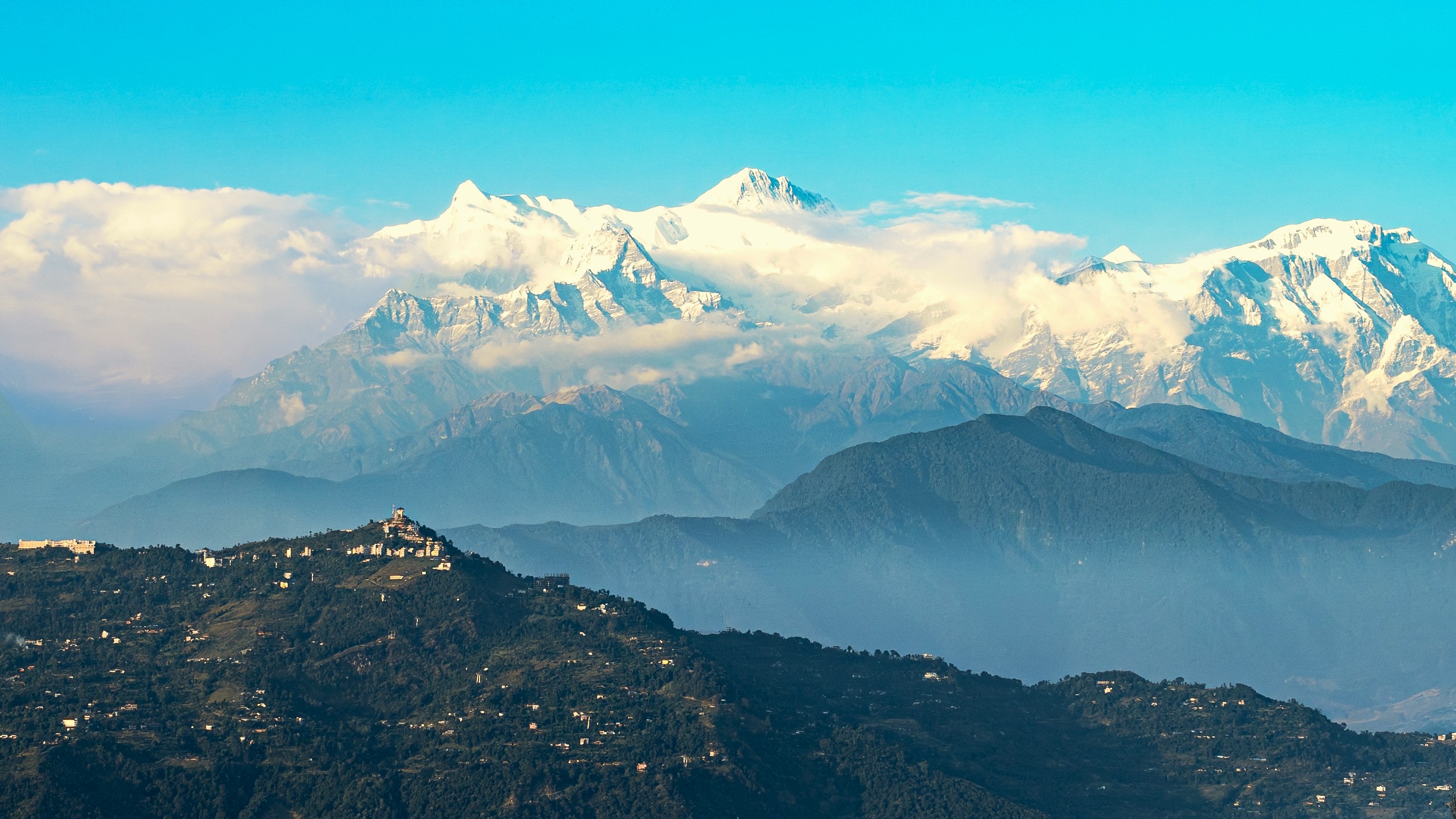
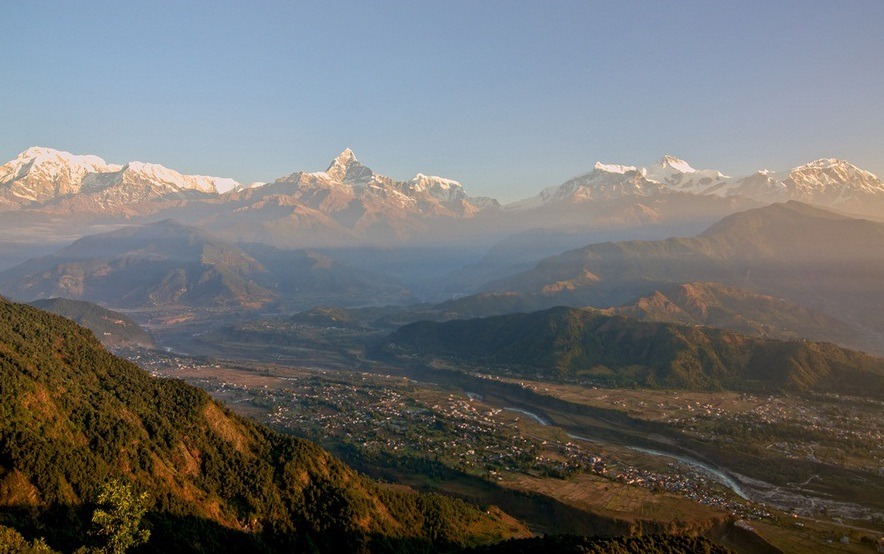
The Terai designates the strip of plains running along the Indian border for nearly 800 kilometers, from the Mechi in the east to the Mahakali in the west. It is lowland Nepal, sitting between 100 and 300 meters elevation, a world away from the images of towering peaks. This alluvial plain, a geological extension of the Ganges basin, nonetheless concentrates nearly half the country's population and most of its agricultural lands: rice paddies, mustard fields and sugar cane plantations, mango groves along irrigation canals.
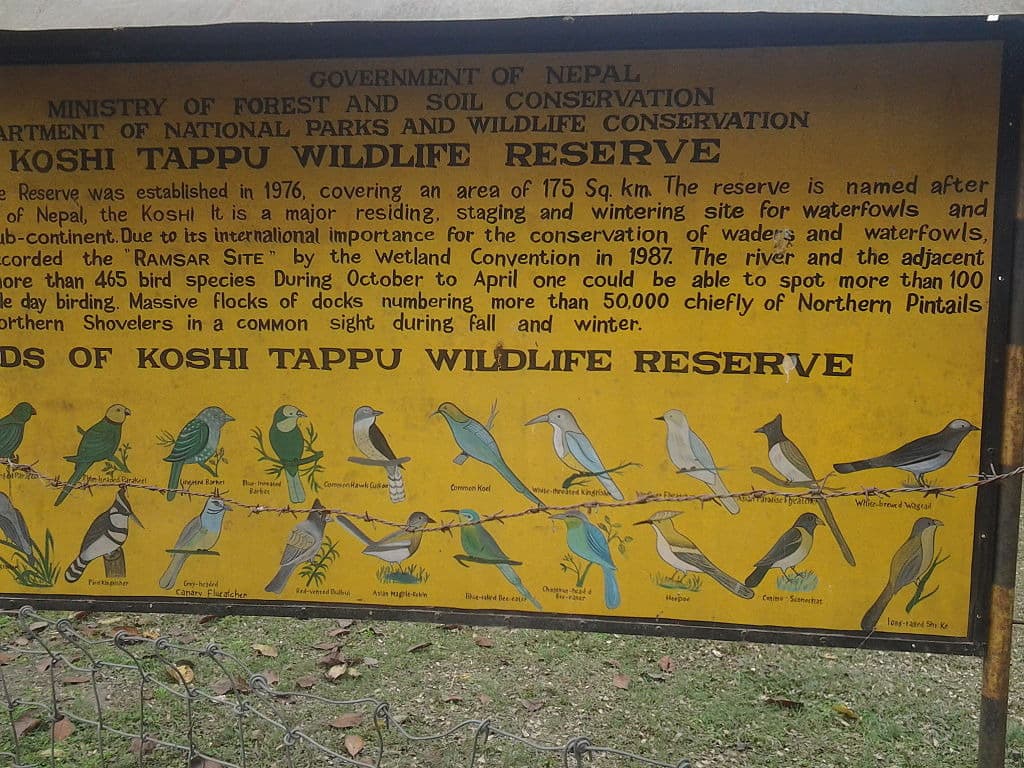
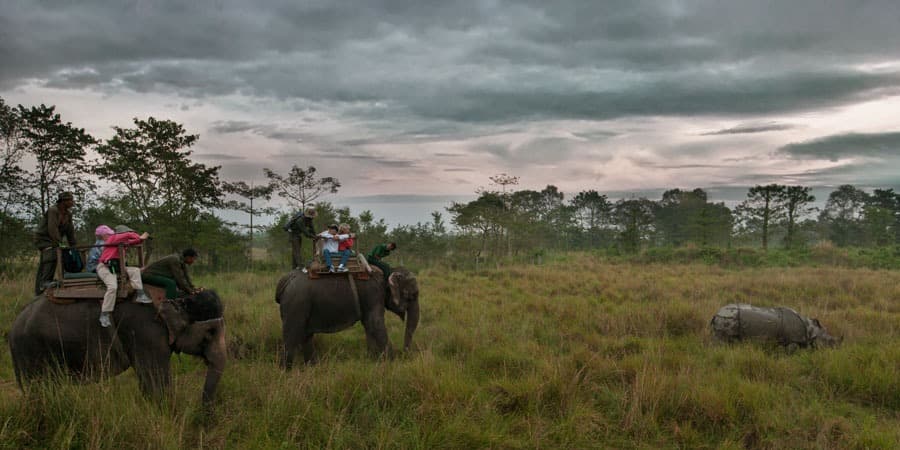
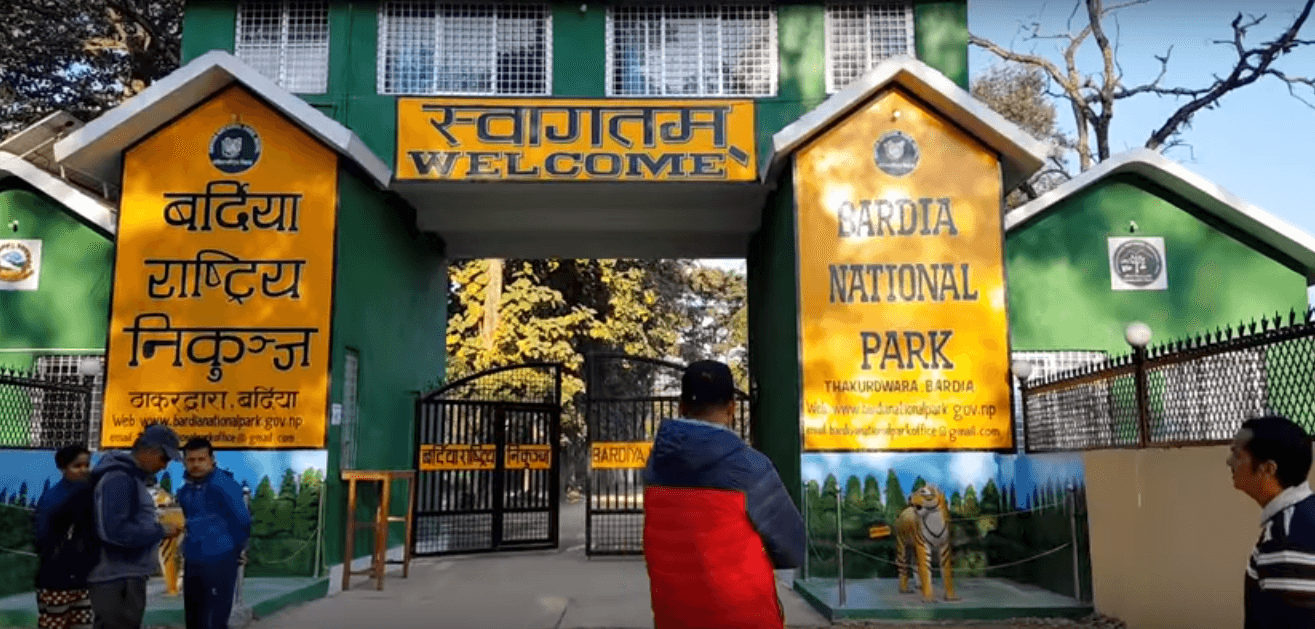
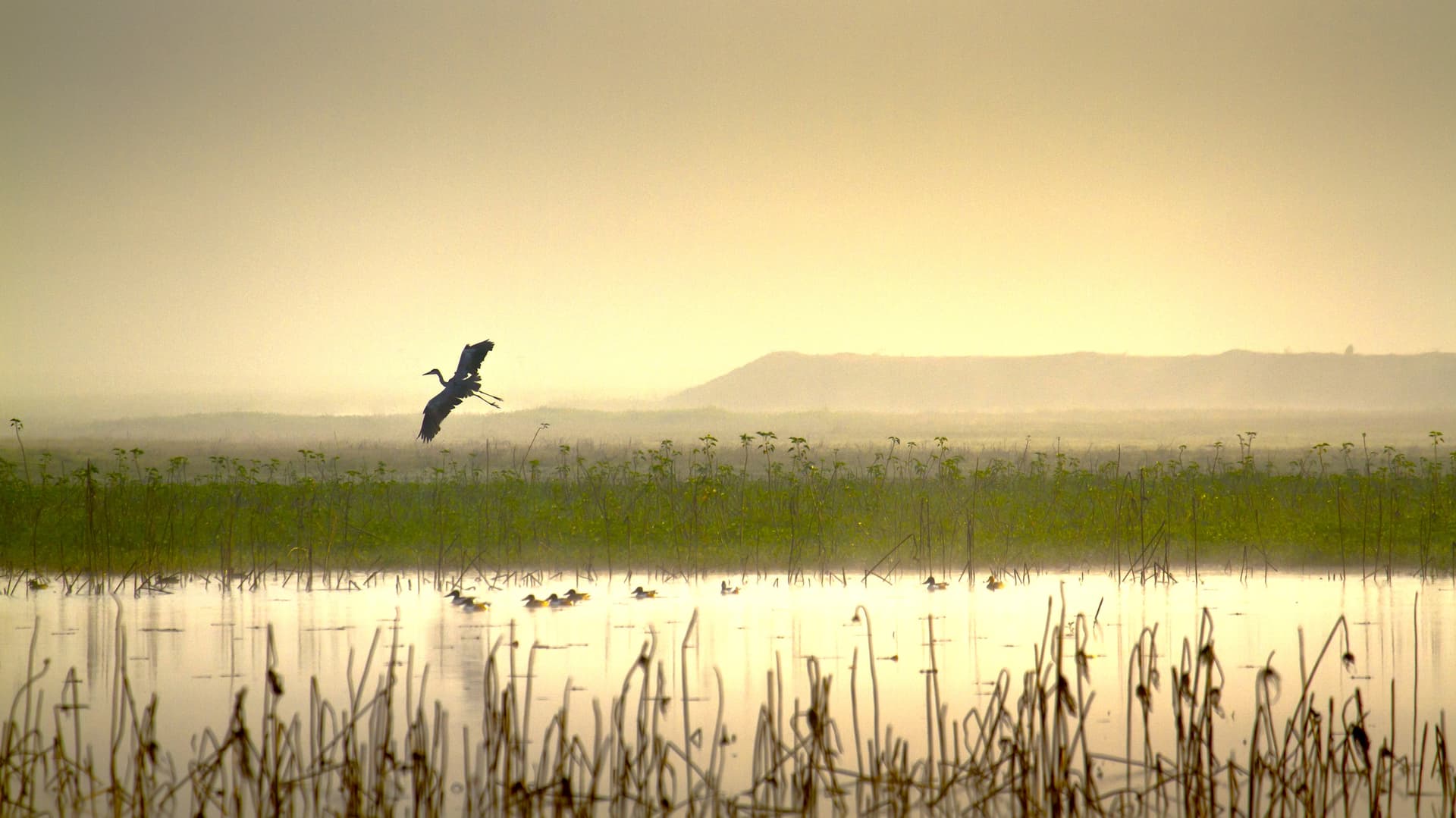
The region we propose to travelers centers on two national parks. Chitwan, designated a UNESCO World Heritage site in 1984, covers 952 km² between the Rapti, Reu and Narayani rivers. Its sal forest (Shorea robusta) alternates with tall elephant grass prairies that can reach 4 meters by the end of the monsoon. In these mosaics live approximately 700 one-horned rhinoceros, the world's second largest population after Assam, as well as 125 Bengal tigers recorded in 2022. Further west, ten hours by road, Bardia National Park (968 km²) offers wilder, less-visited terrain and better statistical chances for spotting tigers.
The Terai is far more than a wildlife sanctuary. It is also the historic territory of the Tharus, the indigenous people of the plains, long the only population naturally resistant to endemic malaria, which discouraged settlement by hill populations before the DDT campaign of the 1950s. Tharu villages around Sauraha, such as Bachhauli or Patihani, preserve mud-brick houses with ochre walls decorated in geometric patterns. Women still wear the white embroidered lehenga for celebrations, and the stick dance (sakhiya) is performed during Maghi, the Tharu New Year celebrated mid-January.
At table, Terai cuisine differs from the dal bhat of the hills. Here you eat ghonghi (freshwater snails simmered in mustard sauce), dhikri (steamed rice balls), and river fish (machha) grilled along the banks of the Rapti. Lumbini, 200 kilometers west of Chitwan, adds a major cultural dimension: it is the birthplace of the historical Buddha, marked by the Ashoka Column erected in 249 BCE and surrounded today by a monastic park where each Buddhist nation has built its temple.
The character of the region lies in this contrast: an hour's flight from Kathmandu, you slip into subtropical Nepal, more Indian in its landscapes and rhythms, where humid heat replaces the dry air of the mountains. Our naturalist guides, trained at Chitwan's biological station, have worked with lodges for over fifteen years and know the paths where sambar deer harems graze at dawn, or the sandbanks where gharials come to thermoregulate in the dry season.
To discover
Jeep safari in Chitwan. A 4 to 6-hour outing on trails in the Kasara or Sauraha sector, watching for one-horned rhinoceros grazing the wet grasslands at sunrise. Observation chances hover around 80% over two outings.
Canoe descent on the Rapti. A dugout carved from a simal tree trunk, gliding silently past immobile gharials on the banks and pied kingfishers. Allow 45 minutes on the water, ideal in late afternoon.
Bachhauli Tharu village. A walk through earthen-floored lanes meeting potters and weavers, followed by a meal at a local home featuring dhikri and smoked tomato chutney.
Lumbini, birthplace of the Buddha. Visit to the Maya Devi Temple housing the sacred stone, and the international monastic park where Thai, Korean and German temples succeed one another across 3 km² designed by Kenzo Tange.
Bardia for tigers. A minimum of three nights in the Thakurdwara buffer zone, with walks along the Karnali. Tiger encounter rates here exceed those at Chitwan, in a far less crowded setting.
When to visit
The best window for visiting the Terai spans October to March. Daytime temperatures remain comfortable, between 22 and 28°C, with cool mornings around 8 to 12°C in December and January, sometimes shrouded in thick fog that can delay morning safaris. February and March become excellent for wildlife watching: tall grasses are cut or burned by villagers during the annual cutting permitted by the park, which opens up visibility.
From April to June, heat builds significantly (35 to 42°C in the afternoon) but animals concentrate around the last water sources, facilitating observation for heat-tolerant travelers. The monsoon, from mid-June to mid-September, brings 1,500 to 2,000 mm of cumulative rainfall, makes certain trails impassable and forces partial closure of Chitwan in July-August. We advise against this period except for birdwatchers, when migrant species are present in numbers.
Practical advice
For Chitwan, plan a minimum of three nights to chain together two jeep safaris, a guided walk and a canoe outing, all without rushing. Access is either by road from Kathmandu (5 to 6 hours via Mugling and Bharatpur), or a 25-minute flight to Bharatpur airport, followed by a one-hour road transfer to the lodges in Sauraha or Meghauli. Bardia demands greater commitment: a flight to Nepalgunj then 3 hours of driving, and a minimum of four nights to justify the journey.
The region combines naturally with the Kathmandu valley at the beginning or end of your trip, and with Pokhara and the Annapurnas for a classic two-week itinerary mixing culture, plains and mountains. The lodges we work with offer comfort ranging from simple mud-brick bungalows to high-end tented camps with pools. The Terai suits families with children from age 7 upward, couples seeking nature as a counterpoint to trekking, and naturalists ready to spend several days in the field. Pure hikers will prefer the high-altitude valleys.