Kathmandu Valley
Three royal Newar cities and seven UNESCO sites concentrated in a 30 km basin, among brick temples, Tibetan stupas and bronze workshops.
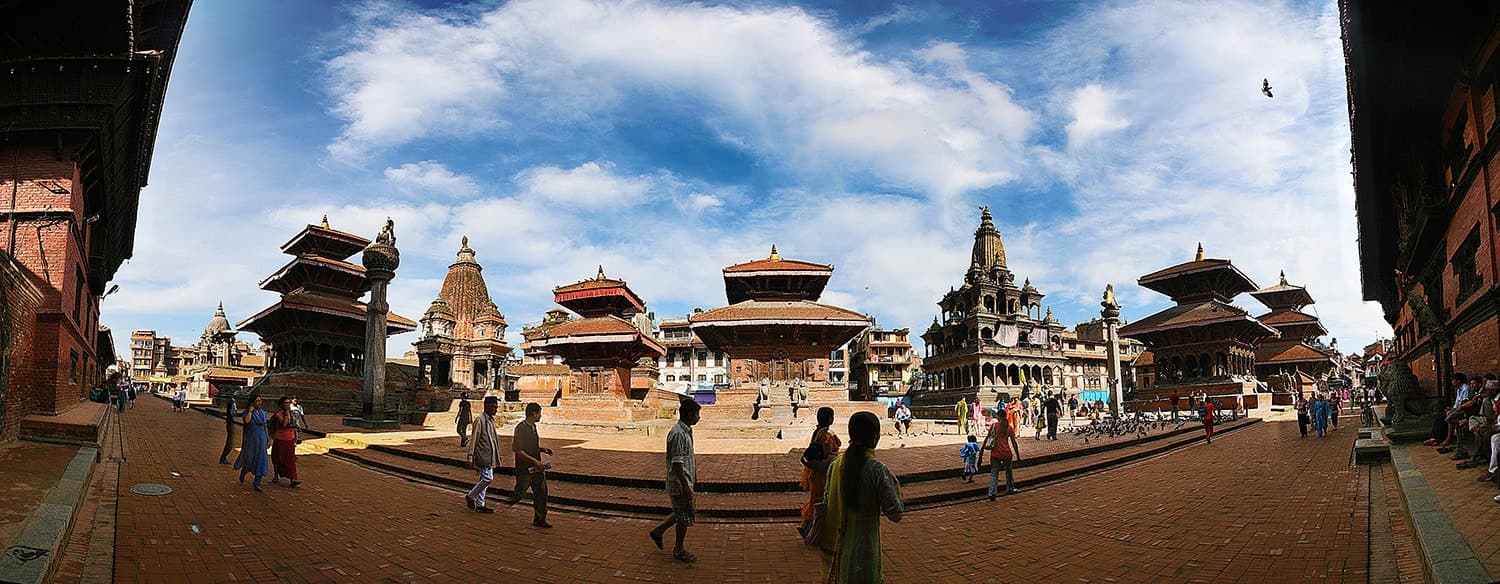
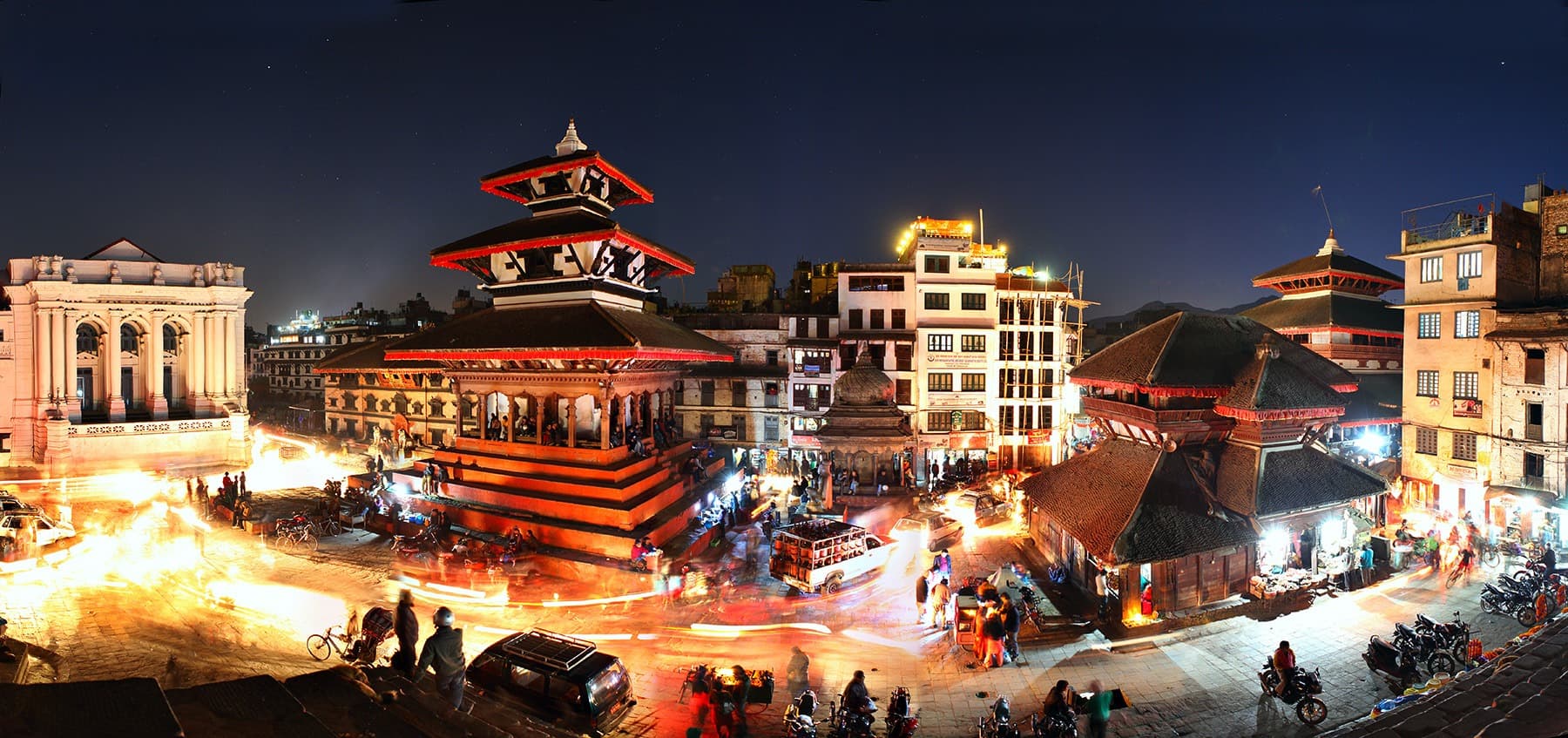
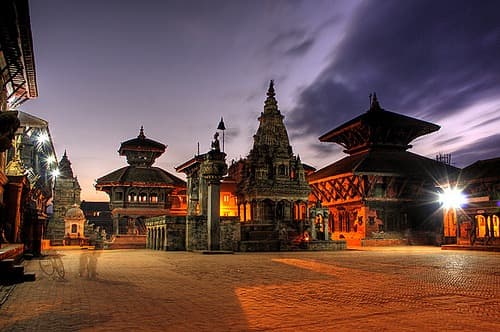
The Kathmandu Valley stretches across roughly thirty kilometers between the foothills of the Himalayas, at an average altitude of 1,400 meters. Three former royal cities—Kathmandu, Patan, and Bhaktapur—coexist within fifteen kilometers of one another, separated today by continuous urban sprawl yet each retaining its durbar square, distinct identity, and network of artisans. The valley concentrates seven of Nepal's ten UNESCO-listed sites, making it the country's densest territory for Newar architecture, the historic ethnic heritage of this basin.
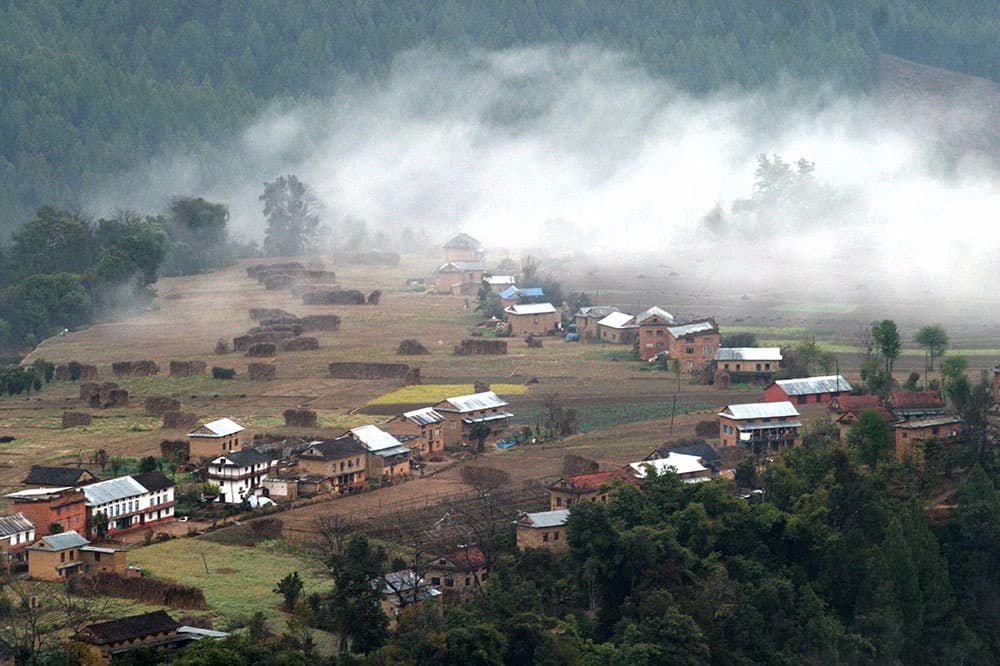
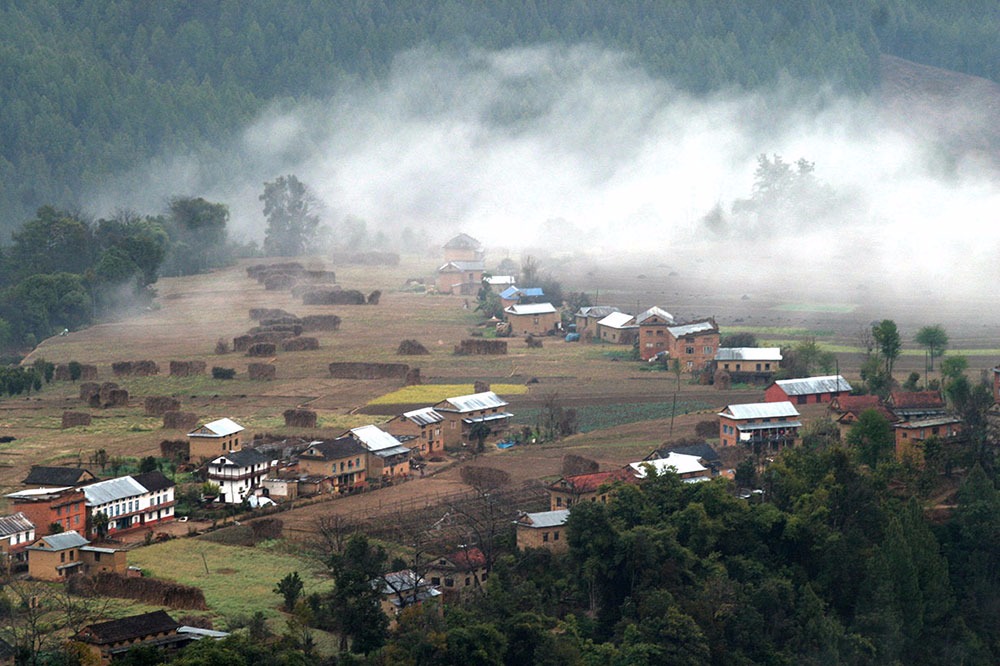
The temperate climate stems from the altitude and the valley's southern exposure. In winter, from December to February, mornings dip around 5°C while afternoons climb to 18 or 20°C under generally clear skies. Early summer, in April-May, sees temperatures reaching 28-30°C with a heat haze that blurs the horizon. The monsoon, from mid-June to mid-September, cleanses the air and greens the rice terraces around Bungamati and Khokana, two Newar villages in the south that have remained apart from urban expansion.
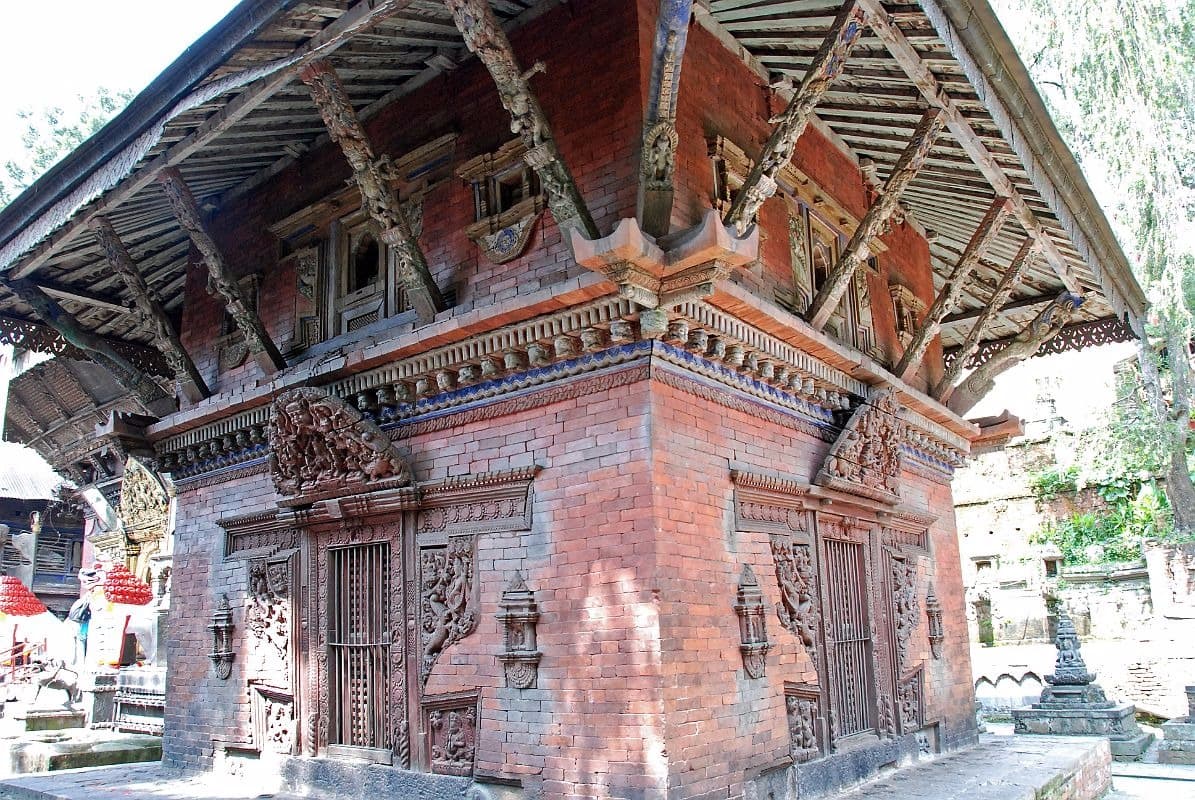
The Newars, approximately 1.2 million people in the valley, have shaped the visual signature of the landscape: red brick, carved wooden frames, stacked pagoda roofs, hidden courtyards behind low doorways. Their festival calendar structures the year. Indra Jatra in September brings out the Kumari, Kathmandu's living goddess, in a wooden chariot drawn through the lanes of Basantapur. Bisket Jatra in Bhaktapur, in April, sees two village teams compete to topple a ritual 25-meter pole. These festivals are not tourist reconstructions—they remain integral to neighborhood life.
Spiritually, the valley juxtaposes Hinduism and Buddhism without rigid boundaries. Pashupatinath, on the banks of the Bagmati River, remains the country's primary Hindu cremation site, frequented daily by sadhus from northern India. Three kilometers to the northeast, the Bodnath Stupa, one of South Asia's largest at 36 meters in diameter, draws the Tibetan diaspora settled around it since 1959. Swayambhunath, perched on a hill west of Kathmandu, blends tantric chapels, Hindu statues, and Buddhist chaityas on the same promontory, reached by 365 steps.
Craftsmanship remains a vibrant economic sector. Patan still counts hundreds of bronze casters working the lost-wax technique in the Oku Bahal quarter, supplying Tibetan monasteries in exile across India and Nepal. Bhaktapur's thangka painters apply mineral pigments to canvases prepared with buffalo dung and kaolin, following precise iconographic canons. Thimi's potters fire pieces with rice straw on the village square. A workshop visit takes an hour or two and transforms how you later read the objects displayed in museums.
Logistically, Thamel concentrates trekking agencies, equipment rentals, and permit offices. It's also where subsequent travel is arranged—flights to Lukla, overnight buses to Pokhara, or jeeps to the Terai. The valley thus functions both as a destination in itself and as a gateway to other regions of the country.
To Discover
Bhaktapur Durbar Square. An ensemble of brick and carved wood temples from the 15th to 18th centuries, closed to motor traffic. Potter and thangka painters still work in adjacent lanes, and the center maintains a neighborhood life far from Kathmandu's bustle.
Bodnath Stupa and Tibetan Quarter. Circumambulate the stupa at dusk with pilgrims turning prayer wheels. The Shechen and Ka-Nying monasteries open their courtyards to visitors during morning pujas, around 6:30 am, with deep chanting and long horns.
Cremations at Pashupatinath. The Bagmati's ghats, visible from the opposite bank, operate throughout the day. The daily presence of ash-covered sadhus and the precise unfolding of Hindu ritual are best understood with a guide who explains without voyeurism.
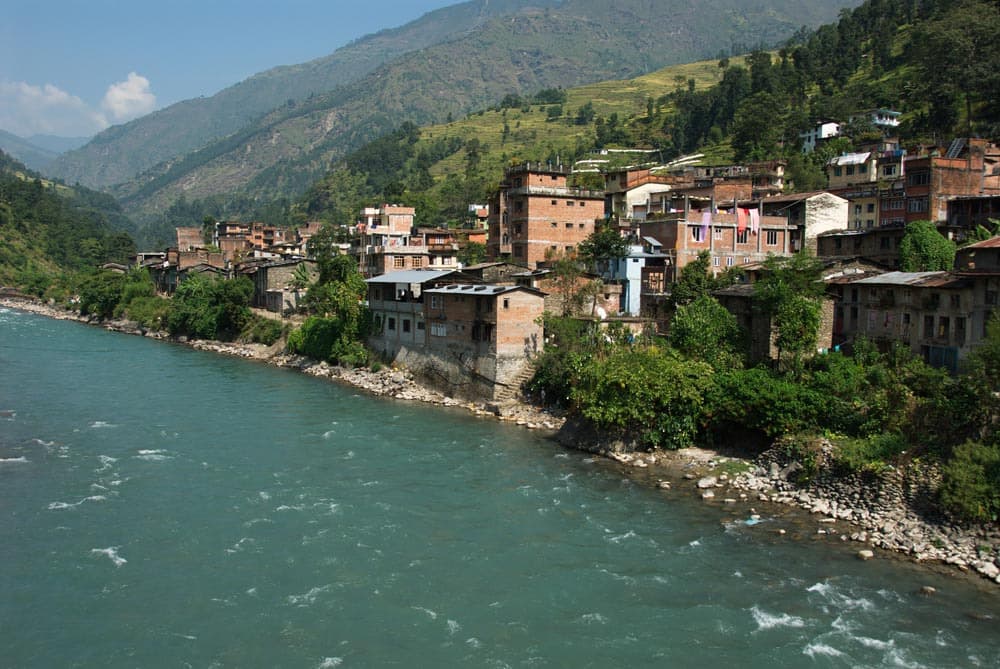
Newar Villages of Bungamati and Khokana. Fifteen kilometers south of Patan, two agricultural villages linked by a two-kilometer trail through mustard fields. Traditional oil presses, drying chili and paddy rice on the squares, with no souvenir shops.
Bronze Foundry in Patan. A family workshop in the Oku Bahal quarter, where you follow the lost-wax process from clay mold modeling to final polishing. A 30-centimeter Buddha takes six to eight weeks of work.
When to Go
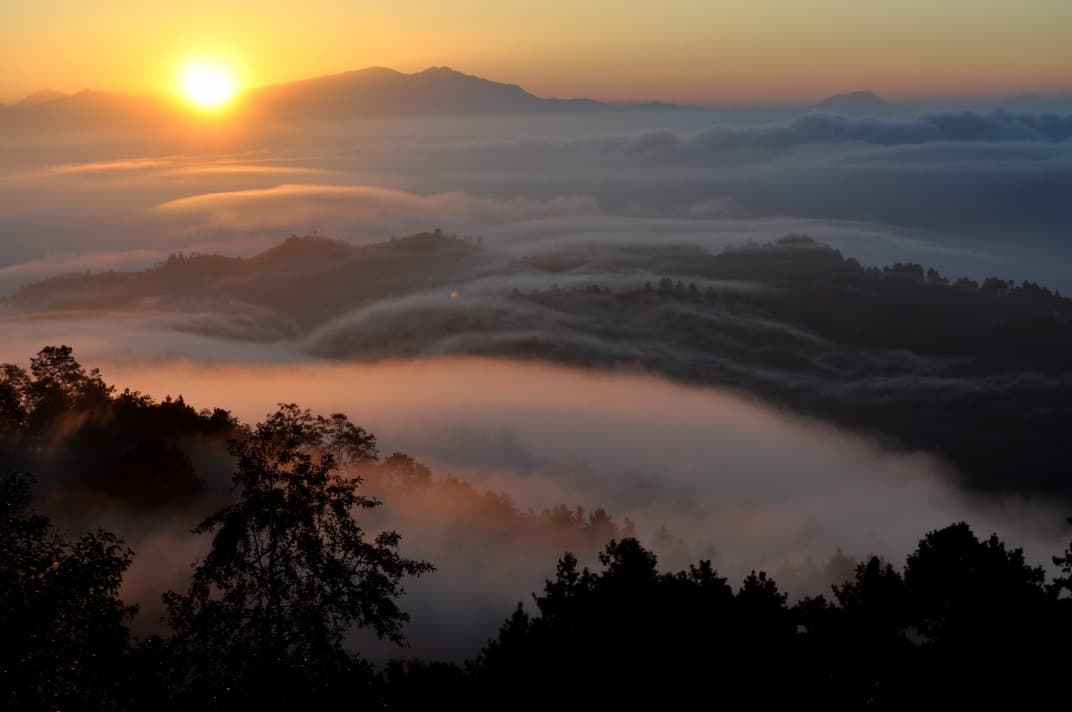
From October through late November, the air is cleared by the monsoon's end, temperatures swing between 10°C in the morning and 23°C in the afternoon, and the Himalayan range appears to the north on clear days. This is the best window, though also the most crowded, particularly around Dashain and Tihar, the two major Hindu festivals of October-November. From March to mid-April, rhododendron blooms on the peripheral hills (Nagarkot, Phulchowki) and temperatures of 12 to 26°C offer a second favorable season, with a hazier horizon.
From late June through mid-September, the monsoon brings 250 to 350 mm of rainfall monthly, concentrated in late afternoons and at night. Site visits remain feasible in the morning, but roads to surrounding villages become muddy and domestic flights to Lukla or Jomsom are frequently cancelled. December and January are cold in the mornings (3 to 6°C), requiring a sleeping bag in traditionally heated accommodations, but offer the clearest skies and few crowds at sites.
Practical Advice
We recommend a minimum of three nights in the valley, four if you wish to dedicate a full day to Bhaktapur rather than a half-day and an excursion to Bungamati or Nagarkot. Tribhuvan International Airport lies six kilometers from Kathmandu's center, a journey of 30 to 60 minutes depending on traffic. The valley is best explored by car with driver, distances being short but traffic dense, especially on the Kathmandu-Patan corridor during business hours.
The natural pairing is with Pokhara and the Annapurnas, reachable in 25 minutes by air or 6 to 7 hours by road, for a contrast between urban heritage and trekking. For a longer itinerary, continuing from the valley to Chitwan in the Terai (25-minute flight or 5-hour drive) adds wildlife and lowland dimensions. Departures to the Khumbu and Mustang pass necessarily through Kathmandu. The valley suits both contemplative travelers interested in architecture and craftsmanship and families, as sites are compact and walkable, provided you accept the noise and air pollution of central Kathmandu, which is real during dry season.