Annapurnas and Pokhara
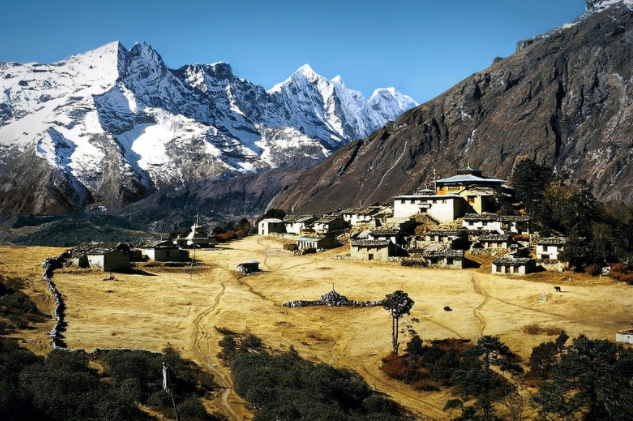
The base for treks at the foot of a Himalayan arc rising 7,000 to 8,000 metres, Pokhara opens onto Gurung villages, rhododendron forests and the glacial sanctuaries of the Annapurna massif.
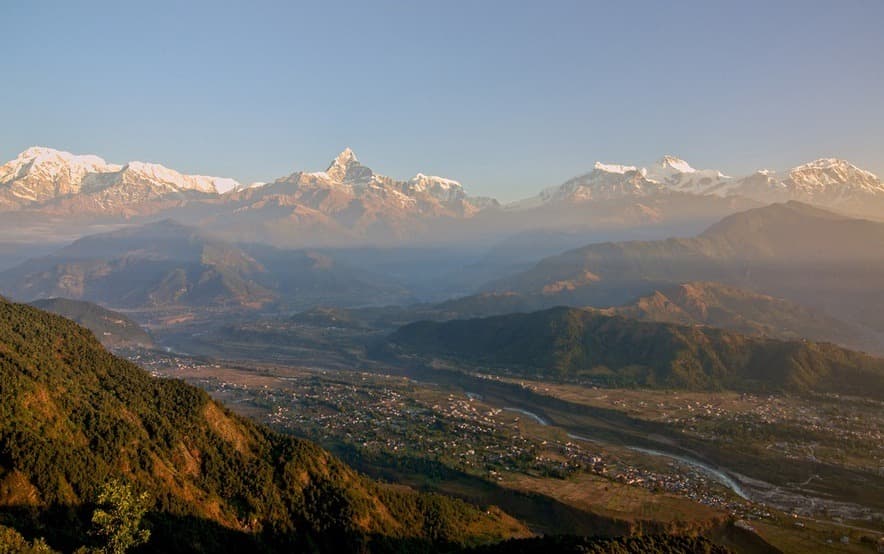
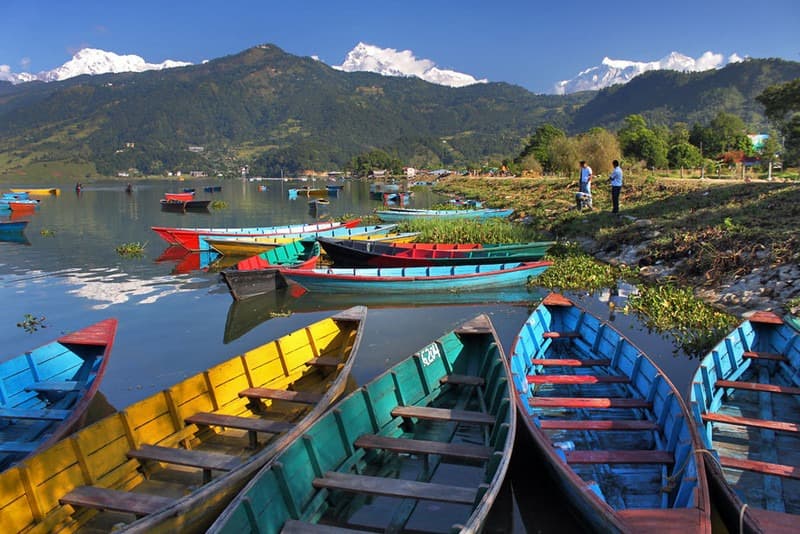
Pokhara sits in a basin at 820 metres altitude, along Phewa Lake, where the peaks of Annapurna South (7,219 m) and Machapuchare (6,993 m), the "Fish Tail" forbidden to climbers out of respect for its sacred character, are reflected. Since the 1970s, the city has become the logistics base for treks in the Annapurna massif, which extends over nearly 7,600 km² between the Kali Gandaki valley to the west and the Marsyangdi to the east. Our English-speaking team organises everything from four-day walks to three-week loops.
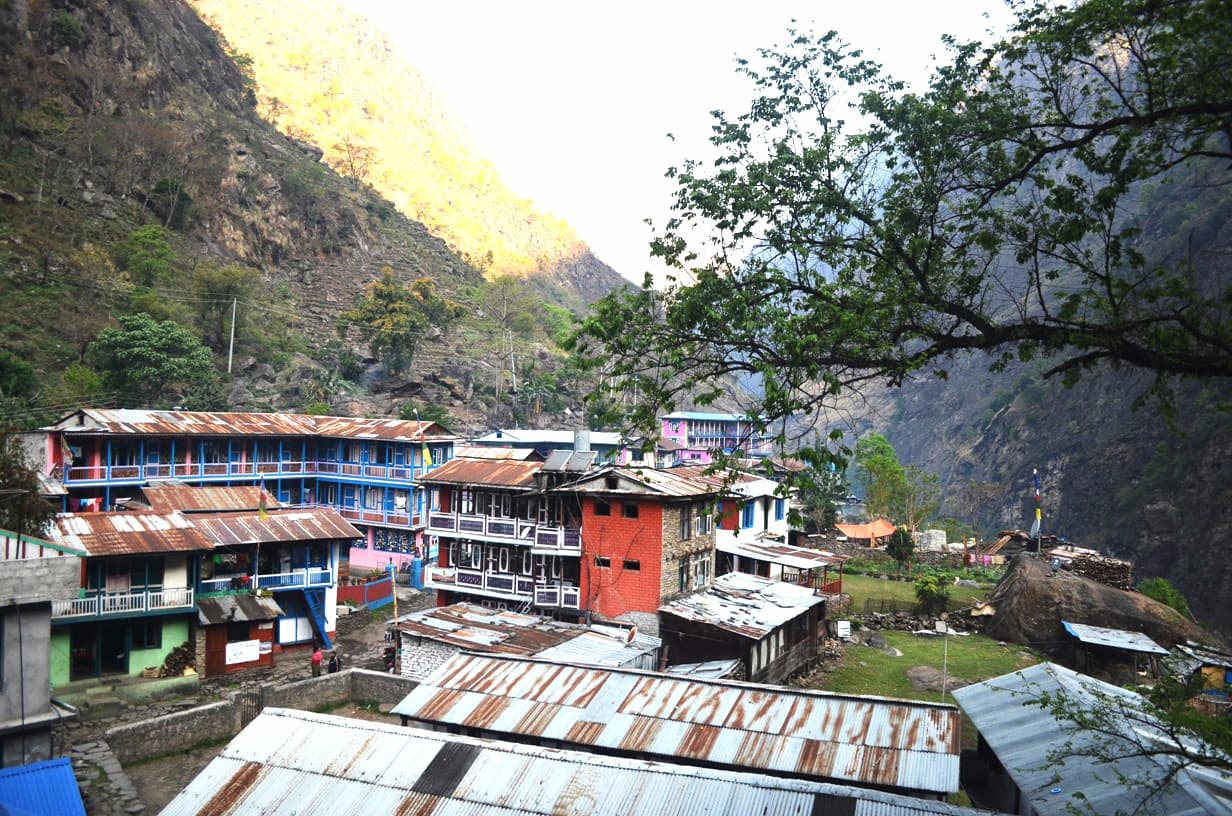
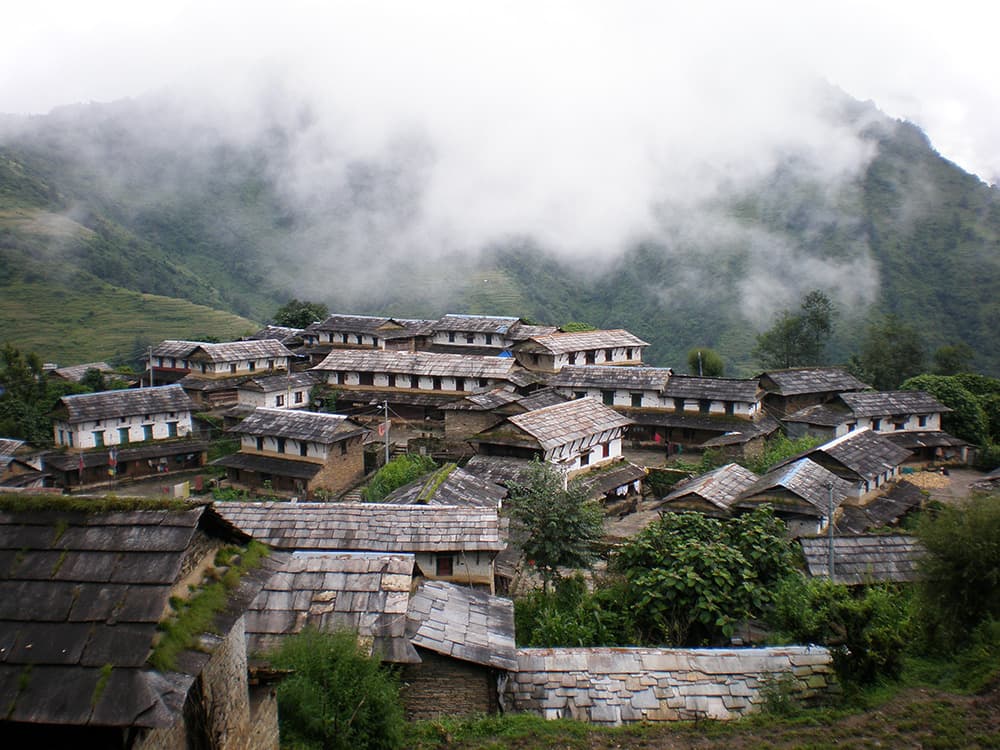
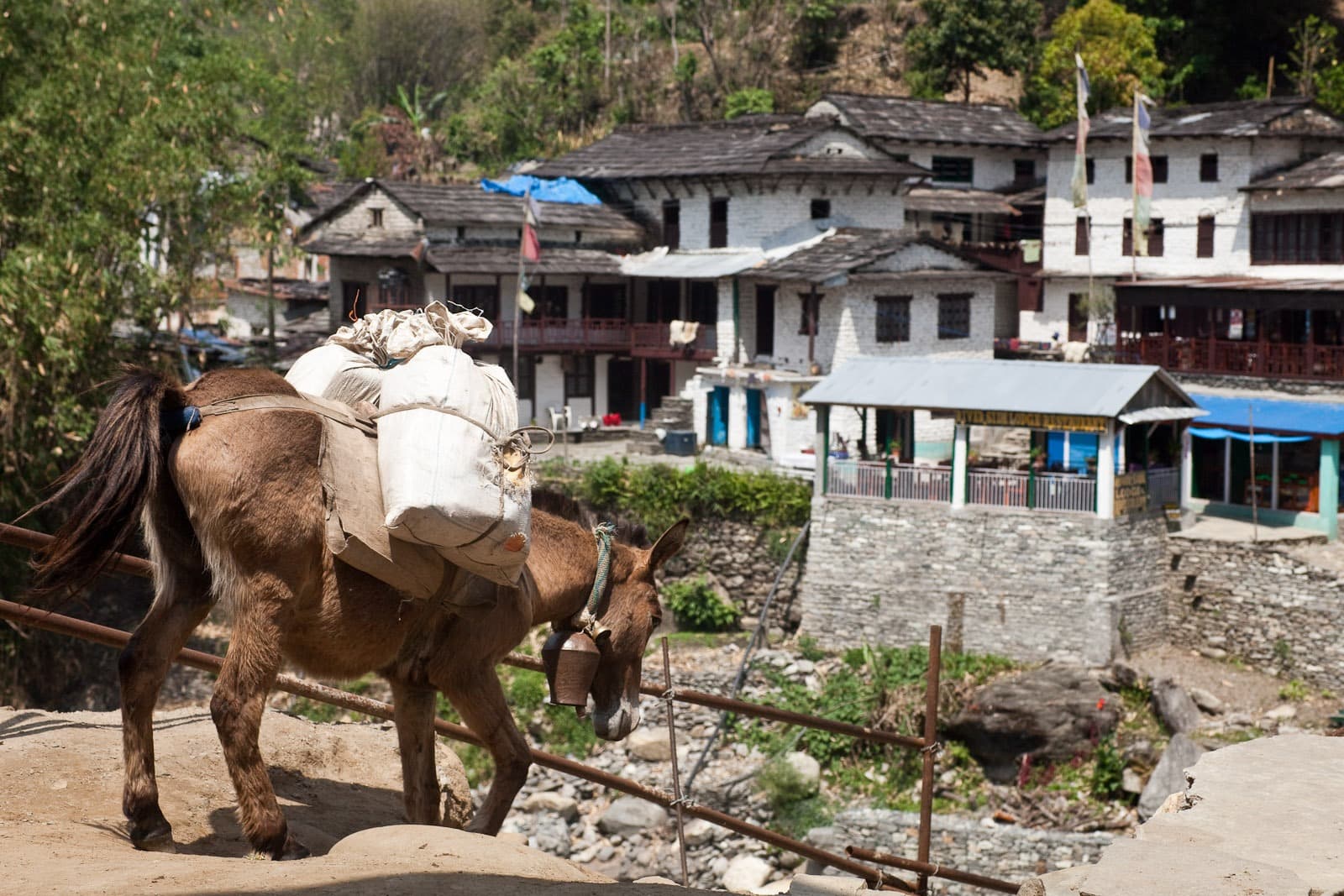
The region is inhabited mainly by Gurungs and Magars, two ethnic groups of Tibeto-Burmese origin settled on the middle slopes between 1,500 and 2,500 metres. Villages like Ghandruk, Landruk and Sikles retain their stone houses with slate roofs, their grain stores and a tradition of recruitment in British and Indian Gurkha regiments. Many of the family lodges we use on the trails are run by former soldiers or their families. Local cuisine revolves around dal bhat (lentils, rice, vegetables), gundruk (fermented leaves) and, in cold season, dhindo, a buckwheat or millet polenta.
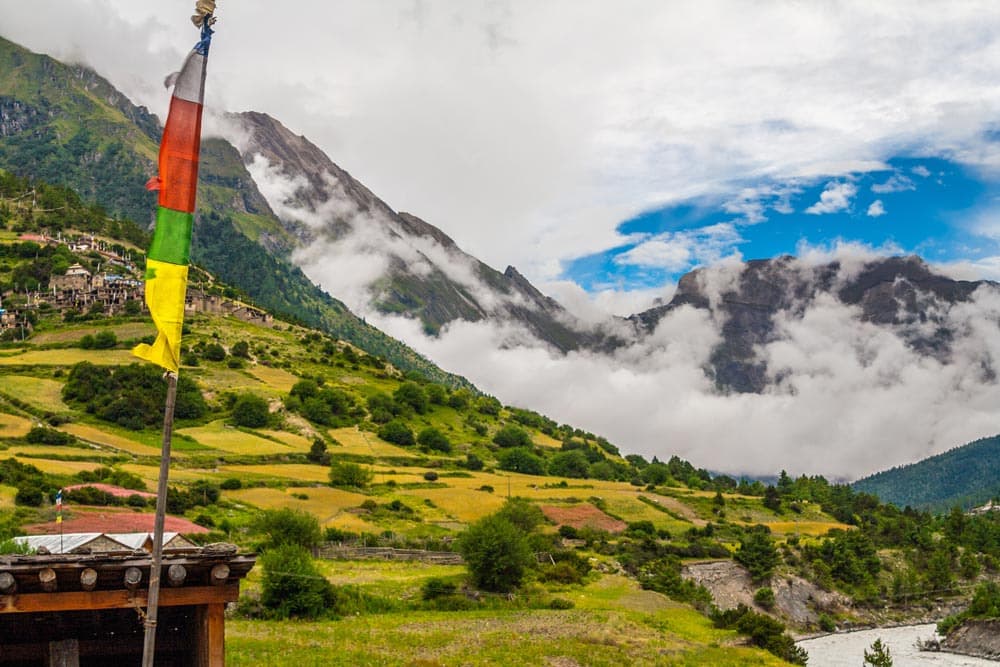
Geographically, the area is divided into three levels. Below, the Pokhara valley is home to Phewa Lake, Begnas Lake (quieter, 15 km to the east) and several karst caves such as Mahendra and Gupteshwor. Above, the middle mountain between 1,500 and 3,000 metres concentrates rhododendron, oak and bamboo forests, where Himalayan langurs nest and, more rarely, the spotted leopard. Beyond 3,500 metres, you enter the mineral high mountain, with the glacial sanctuaries of Annapurna Base Camp (4,130 m) and Thorong La Pass (5,416 m), the highest point of the Annapurna Circuit.
The most popular trekking itineraries are divided according to fitness and available time. The Annapurna Sanctuary, in a loop from Nayapul or Jhinu Danda, takes 10 to 12 days and passes through Chhomrong, Bamboo, Deurali and Machapuchare Base Camp before reaching the glacial amphitheatre. Mardi Himal, shorter (5 to 6 days), climbs a wooded ridge to a High Camp at 3,550 metres facing Machapuchare. Ghorepani-Poon Hill completes in 4 days and remains accessible to occasional walkers, with a sunrise from the Poon Hill viewpoint (3,210 m) over Dhaulagiri and Annapurna I. The complete Annapurna Circuit, now shortened by the road, takes 12 to 16 days depending on starting and ending points.
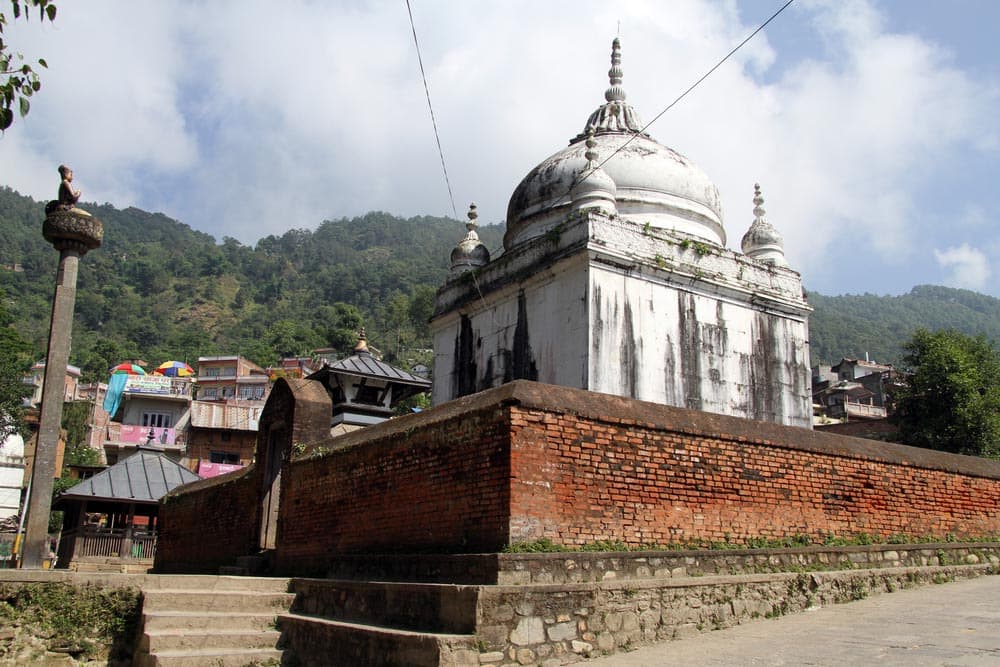
Pokhara itself deserves two to three days. The Lakeside shore concentrates agencies, restaurants and boat piers, but we often guide our clients to the heights: the World Peace Stupa above the lake, the village of Sarangkot for sunrise over the Himalayan arc, or the Tashiling Tibetan sanctuary, which recalls the settlement, in the 1960s, of refugees who fled Tibet via the Mustang passes. The International Mountain Museum, on the outskirts, provides a good introduction to Himalayan peoples and the history of mountaineering in the massif.
For travellers who do not wish to trek, we organise one-hour scenic flights from Pokhara airport over the range, paragliding from Sarangkot (the city is one of the world's best spots for this activity, thanks to its regular thermals), and full days kayaking on Phewa or mountain biking to Kaski villages.
To discover
Annapurna Sanctuary in 10 days. Trek from Jhinu Danda to the glacial cirque at 4,130 metres, flanked by ten peaks over 6,500 metres. Lodge nights at Chhomrong, Bamboo and Deurali, with dal bhat in the evening and ginger tea at sunrise.
Sunrise from Sarangkot. 30 minutes' drive from Lakeside to the village perched at 1,600 metres. At dawn, light first touches Dhaulagiri (8,167 m) before descending towards Machapuchare and Annapurna South.
Gurung villages of Ghandruk and Sikles. Stone houses with slate roofs, terraces of millet and corn, ethnographic museum run by former Gurkhas. Sikles, more remote, remains accessible in two days' walk from Pokhara.
Paragliding above Phewa Lake. Takeoff from Sarangkot, 30-minute flight in the thermals, with a sweeping view over the rice paddies and landing by the lake shore. Best conditions run from November to March.
Poon Hill in spring. 4-day loop via Ghorepani and Tadapani, through flowering rhododendron forests between 2,500 and 3,200 metres in March-April. Viewpoint at 3,210 m facing Dhaulagiri and Annapurna I.
When to go
The two main windows for trekking in the Annapurnas are October-November and March-April. Autumn offers the best visibility after the monsoon, with dry days around 18-22°C in Pokhara and 5-10°C at bivouac altitudes (3,500-4,000 m), dropping below freezing at night at the ABC. Spring remains favourable, warmer (up to 27°C in Pokhara in April) and marked by rhododendron blooms between 2,500 and 3,500 metres, sometimes with afternoon haze that reduces visibility on the peaks.
The monsoon, from mid-June to mid-September, brings 800 to 1,000 mm of rain per month to Pokhara, one of Nepal's wettest areas. Trails become muddy, leeches frequent in forests, and scenic flights rarely operate. Winter (December-February) remains practicable for lower treks (Poon Hill, Mardi Himal up to 3,000 m), but high passes such as Thorong La are closed by snow. Pokhara itself maintains 15-20°C during the day even in January, making it a pleasant stop off-season.
Practical advice
For Pokhara alone, allow 2 to 3 days. For a short trek like Poon Hill, plan 6 to 7 days total from Kathmandu (25-minute flight or 6-7 hours by road, 200 km). The Annapurna Sanctuary requires 12 to 14 days, the full circuit 16 to 20 days. Pokhara airport, renovated in 2023, welcomes daily domestic flights from Kathmandu; we favour this option to save two days on the road. The region combines very well with the Kathmandu valley at the start of your trip, then with the Terai and Chitwan heading south for a jungle-mountain contrast. Travellers wishing to continue to Mustang find in Pokhara the logical departure point, with a flight to Jomsom.
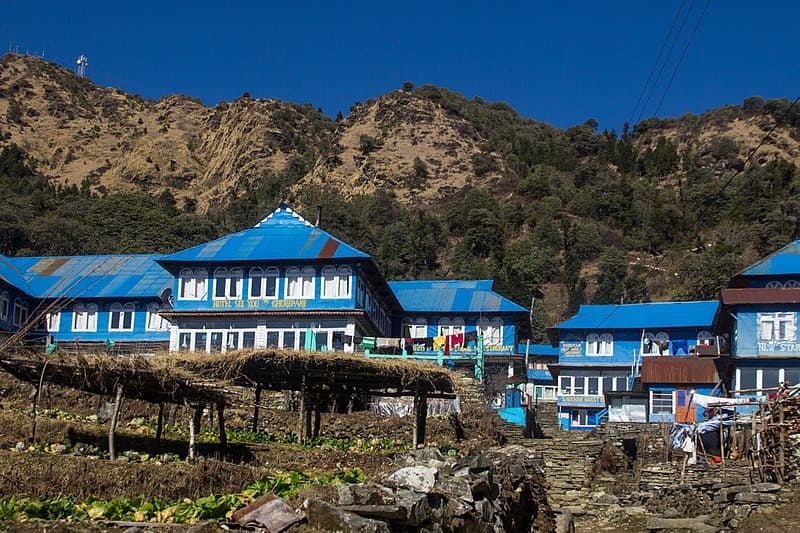
Comfort on the trails remains rustic: wooden or stone lodges, twin-bed rooms, hot showers for a fee (200-500 rupees), electricity sometimes solar above 3,000 metres. Walkers seeking more comfort can opt for premium lodges in the Ker & Downey chain at Ghandruk or Majgaon, which we integrate into our circuits. The region suits regular hikers (4-6 hours of walking per day, elevation gains of 800-1,200 m), families with children from 10-12 years on short itineraries, and contemplatives who will stay in Pokhara and its surroundings with day excursions.