Tibet
Tibet
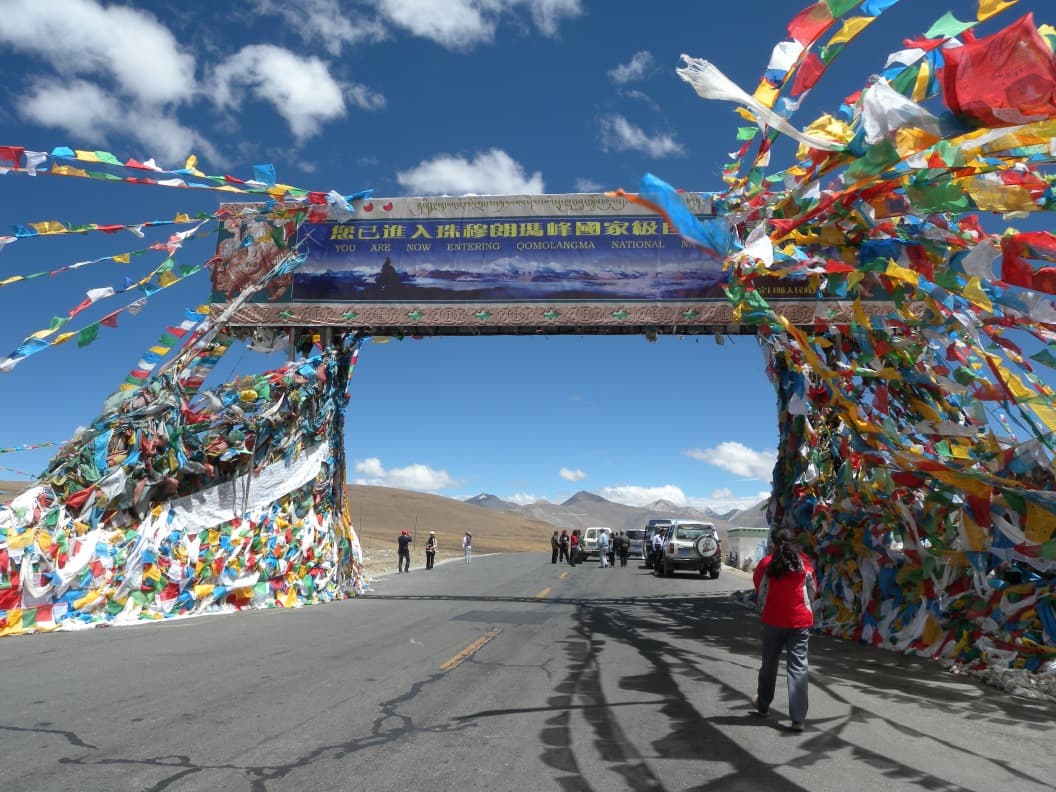
The roof of the world at an average altitude of 4,900 m, Tibet combines Buddhist spirituality, perched monasteries and breathtaking front-row views of Mount Everest. Your complete travel guide.
Tibet is a plateau region located north of the Himalaya in Asia, traditionally inhabited by Tibetans as well as other ethnic groups such as Monbas, Qiang and Lhobas, and today also including a significant population of Hans and Huis. Tibet is the highest inhabited plateau on the planet, with an average altitude of 4,900 m.
Under the designation of "Historic Tibet," this area, claimed by the Tibetan government-in-exile, is composed of three traditional regions: Ü-Tsang (the greater part of its territory lies within the Tibet Autonomous Region), Amdo (scattered across the provinces of Qinghai, Gansu and Sichuan) and Kham (its territory shared between the provinces of Sichuan and Yunnan and the Tibet Autonomous Region). According to the 2000 census, the number of Tibetans across all these regions was 5,020,000 according to China's statistics bureau, and approximately 6 million according to the Tibetan government-in-exile in Dharamsala (India). Some 150,000 Tibetans currently live in exile, principally in India, largely following the 1959 Tibetan exodus.
Tibetans speak one of three dialects of Tibetan, a language of the Sino-Tibetan language family, and are predominantly Buddhist, practicing more specifically Vajrayana Buddhism.
Want to discover this destination?
Our local advisors design your tailor-made trip.