Sankhu
Sankhu
An hour from Kathmandu, Sankhu retains its medieval character: Newar alleyways, ritual gateways, and the Bajrayogini Temple—far from the crowds.
Name: Sankhu
Nepali name: सक्व
Status: ancient town
District: Kathmandu
Population: 4,333 inhabitants (2011)
Sankhu is an ancient waystation for porters heading toward Tibet. It preserves its medieval character with narrow streets and rural dwellings. Perched on a rocky spur, the Changu Narayan temple is said to be the oldest temple in the valley, nestled to the east of the Kathmandu Valley and dating to the 4th century.
History
Before the Malla dynasty in Nepal, legend tells that Sankhu was a kingdom in its own right. According to local lore, Manisailamahavadana tasked the priest Jogdev and King Sankha Dev with building the city of Sankhu in the shape of a conch shell.
The oldest inscription found within the city dates to 538 CE. Archives also contain accounts affirming that the first temple in the city was built by King Raja Prakas Malla in 1655. It remains among the city's celebrated attractions.
Sankhu was also known as Shankharapur, owing to its ancient structure resembling the form of a Sankha—a shell-shaped conch cut like a hunting horn. It was formerly divided into three wards named Pukhulachhi, Suntol, and Bajrayogini.
Today
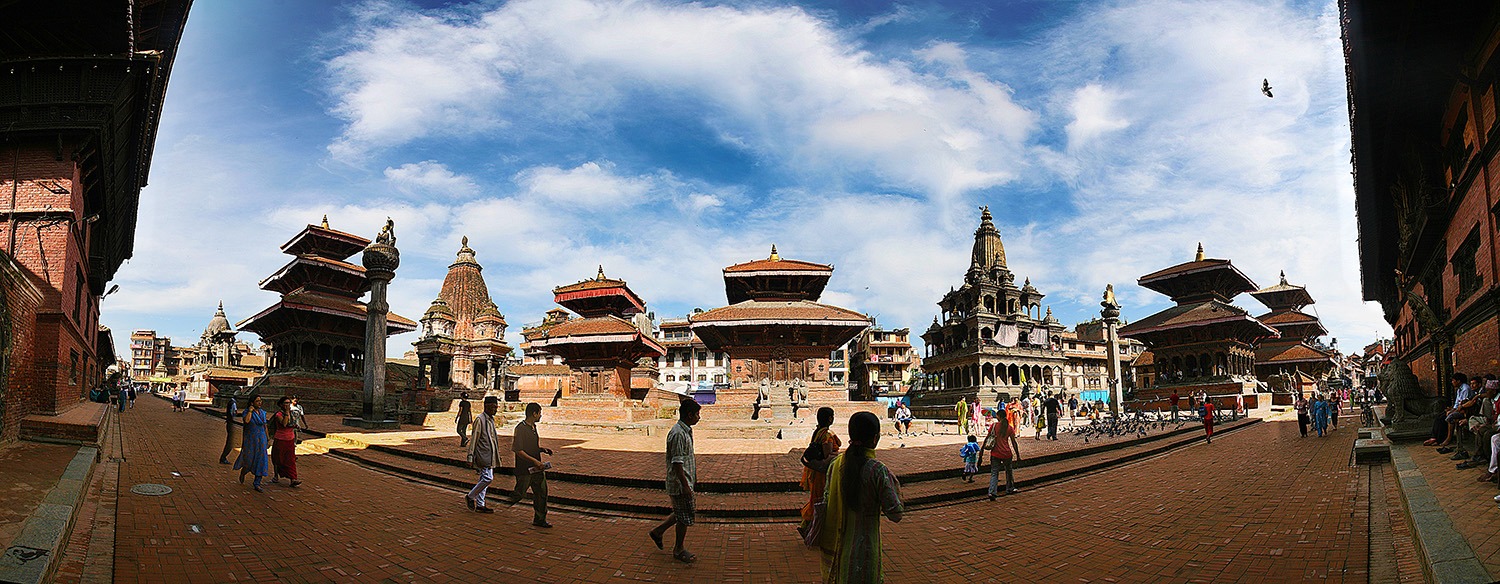
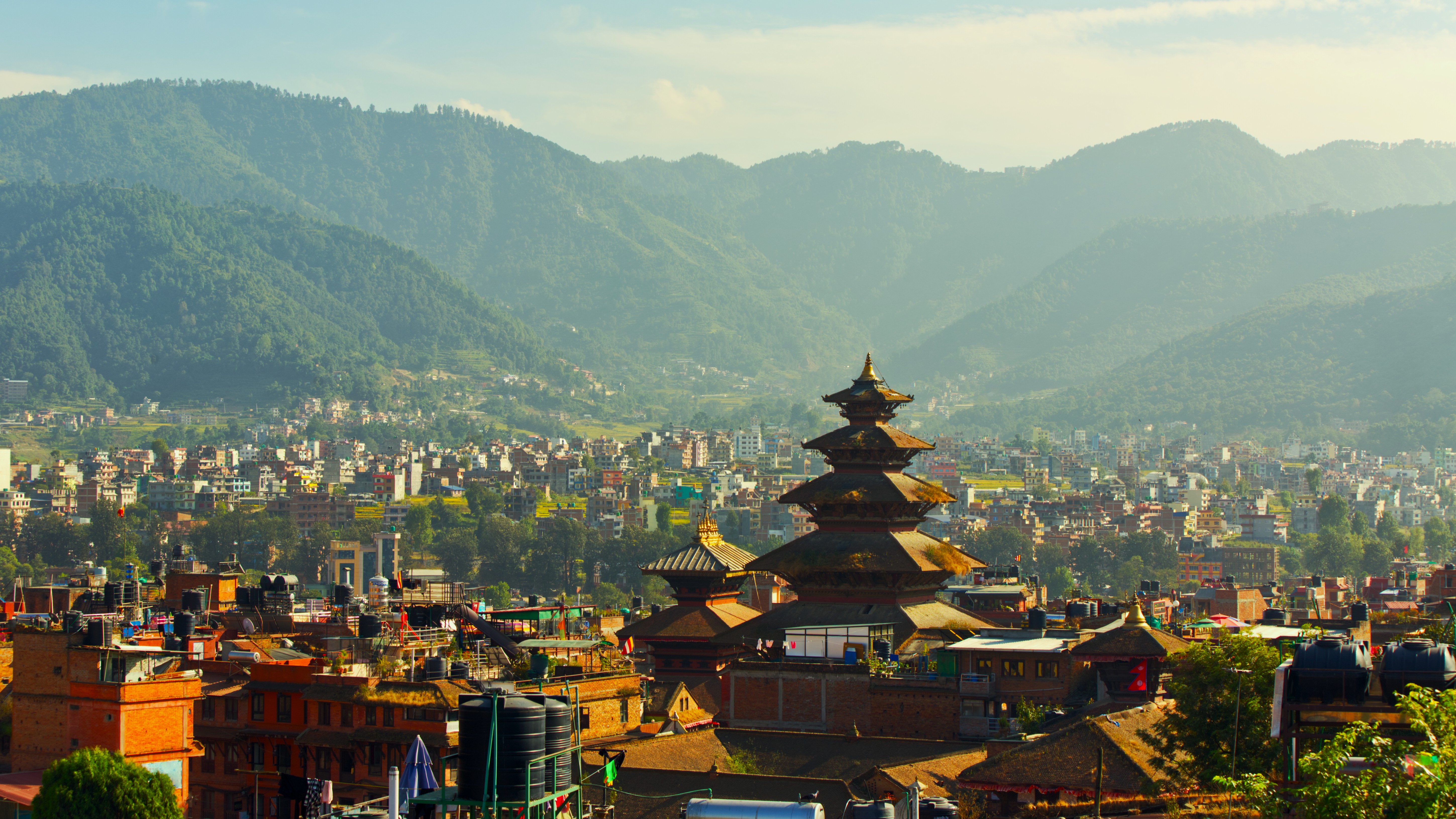
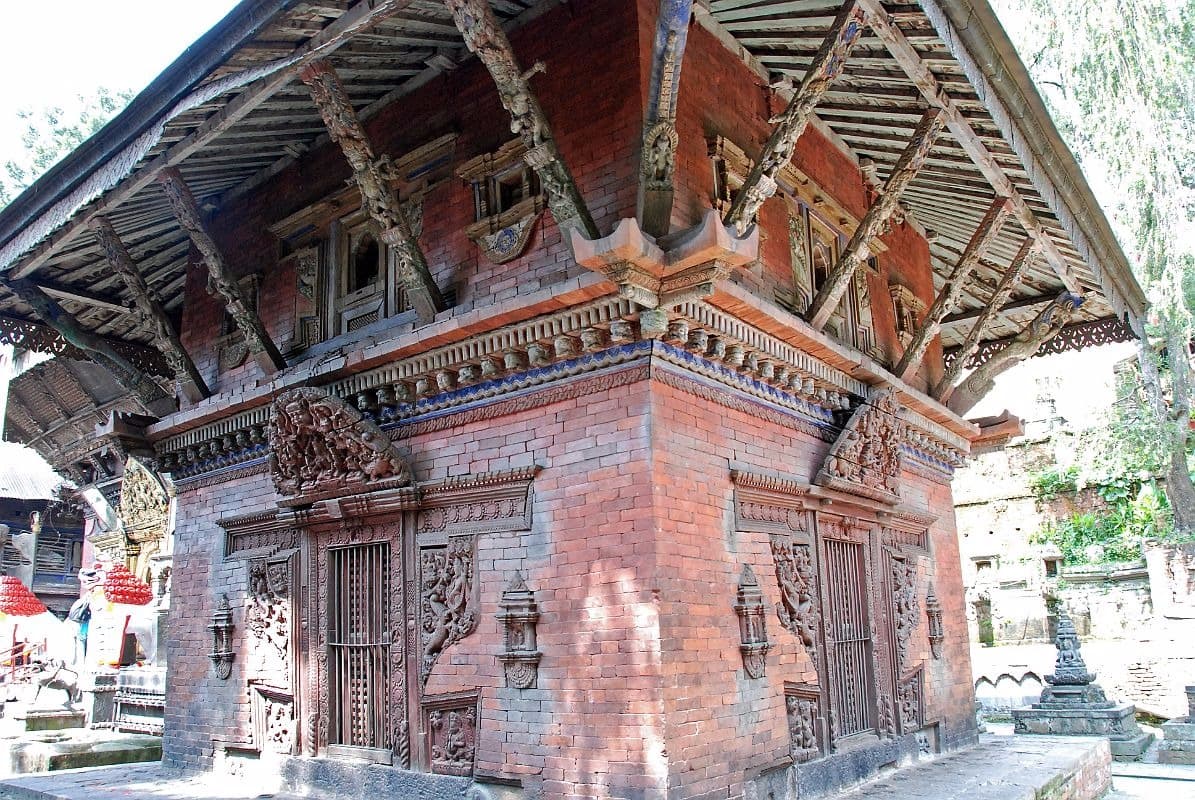
Even now, Sankhu retains the appearance of a medieval town. Time seems to have stopped here, with little changing from one era to the next.
The city of Sankhu is home to four caves where eighty Siddhas from India once meditated. One of these caves is particularly renowned as the place where Nagarjuna once practiced yoga. A portrait of a great yoga master can still be found there.
Originally, Sankhu had a total of 8 entrance gateways positioned at each extremity of the city. Only 5 remain standing today.
The Bhau Dhwaha: the main gateway of Sankhu. Legend says this is where newlyweds enter.
The Sangal Dhwakha or Mhyamachaa Dhwakha: through this gate, farewells are bid to a daughter after marriage.
The Dhunlla Dhwakha: the famous chariot of Bajrayogini passes through this gate during the festival.
The Mahadyo Dhwakha: the deceased (after funeral rites) pass through this gate.
The Naari Dhwakha: during the Shalinadi festival, a representation of the god Madhav Narayan and his worshippers pass through this gate.
What makes Sankhu so charming and authentic are also its small streets lined with picturesque shops.
Behind the hill that surrounds the city flows a spring that never runs dry, called the "Water of Kalpa".
The Bajrayogini Temple is another of Sankhu's attractions. Situated midway up the hillside, the temple is dedicated to the goddesses Mhasukhwamaju, the yellow-faced mistress, and Hyaukhwaamaju, she of the red face, venerated by local residents.
As a result, believers traditionally organize a ceremony lasting nine days according to the jatra tradition of Mhasukhwamaju and others of Baghini and Singhini. It begins on a full moon day. After nine days, inhabitants process through the city, carrying the goddesses through all the streets to the gates of the city.
Climate
Sankhu experiences a warm, humid subtropical climate during summer, with dry winters. Its proximity to Kathmandu means the climates are similar. Expect average temperatures between 5°C and 30°C, with fairly heavy rainfall during summer.
Local buses depart from central Kathmandu to reach Sankhu, a journey of approximately one hour.
Since Sankhu is quite small, visitors can explore the town and visit sites on foot.
What to do in Sankhu?
- Visit the caves where yoga practitioners from India once meditated.
- Admire the beauty of the city's gateways and understand the rich culture they embody.
- Take a short trek to the hilltop to discover the "Water of Kalpa" and the "Fire of Kalpa".
- Visit the Bajrayogini Temple, which draws visitors to the town.
Want to discover this destination?
Our local advisors design your tailor-made trip.