Patan
Patan
A former Newar royal capital, Patan concentrates temples, monasteries and artisan workshops 6 km from Kathmandu. The complete guide to the City of Beauty.
Name: Patan
Nepali Name: ललितपुर उपमहानगरपालिका
District: Lalitpur
Status: City
Population: 226,728 inhabitants
Area: 15.43 km²
Patan, an ancient royal city and former capital, represents one of Nepal's most artistically significant settlements. Lalitpur—the City of Beauty—sits 6 kilometers south of Kathmandu's center. Historically a major center of Buddhist learning, the city remains scattered with monasteries that testify to its spiritual heritage.
Often conflated with Lalitpur due to shared nomenclature, the city derives its name from the Sanskrit "Lalitapattan." Patan's reputation rests on its remarkable museum and traditional fine arts. It stands as the ideal destination for acquiring exquisite jewelry, Buddhist statues, and ceremonial masks.
History
Tradition holds that Patan was founded in the 3rd century BCE by the Kirat dynasty. The city came under Licchavi control and expanded in the 6th century, later enlarged significantly by the Mallas during the medieval period.
Patan carries many legends, the most popular involving the deity Rato Machhindranath, whom an agriculturist named Lalit invited to the valley. According to local lore, Lalit brought the god from Assam, India, to overcome a devastating drought. The deity responded with rain, saving the valley. Many attribute the city's name to this courageous farmer.
Today
Patan presents visitors with numerous exhibitions of traditional and religious artwork alongside remarkable architecture. Travelers can explore the landscape via hiking trails, bicycle tours, or venture onto waterways for rafting and mountain slopes for climbing.
Considered the heart of Buddhist spirituality and Hindu culture, Patan overflows with temples and monasteries. With fortune, you may participate in the city's annual religious festivals. Notable celebrations include Jestha Purnima and Dashain. The Hindu Krishna's birthday celebration at the Krishna Temple in Patan Durbar Square (August-September) warrants special attention. During this festival, devotees gather at the temple for nighttime vigils before journeying at dawn to Krishna sanctuaries in Patan.
City Description and Surrounding Sites:
Upon arrival, you cannot miss the four Ashoka stupas marking Patan's corners, representing the Wheel of Righteousness—the "Dharma Chakra" in Buddhist tradition. Atop three hillocks—Pulchowk, Lagankhel, and Teta—stand stupas erected by India's Buddhist emperor.
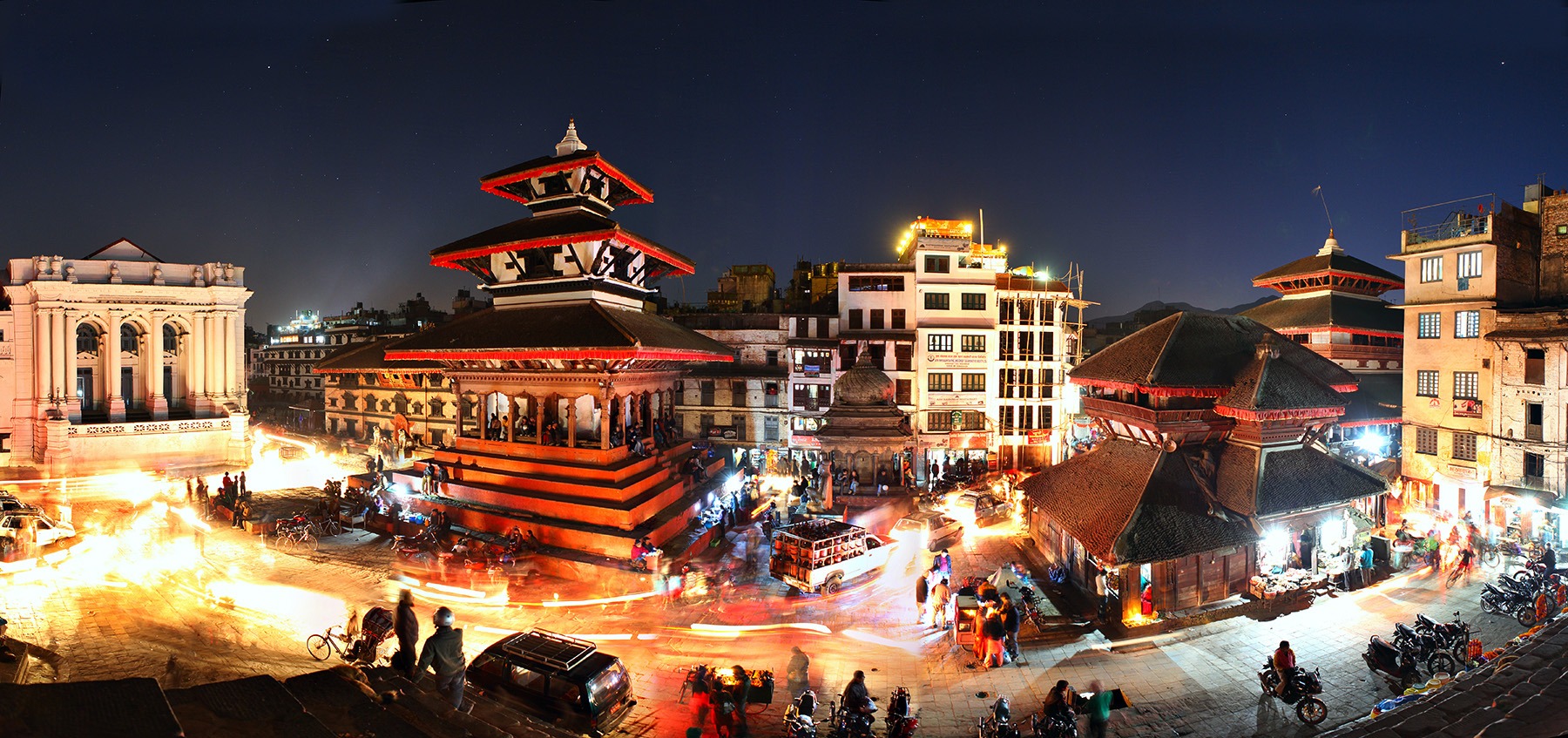
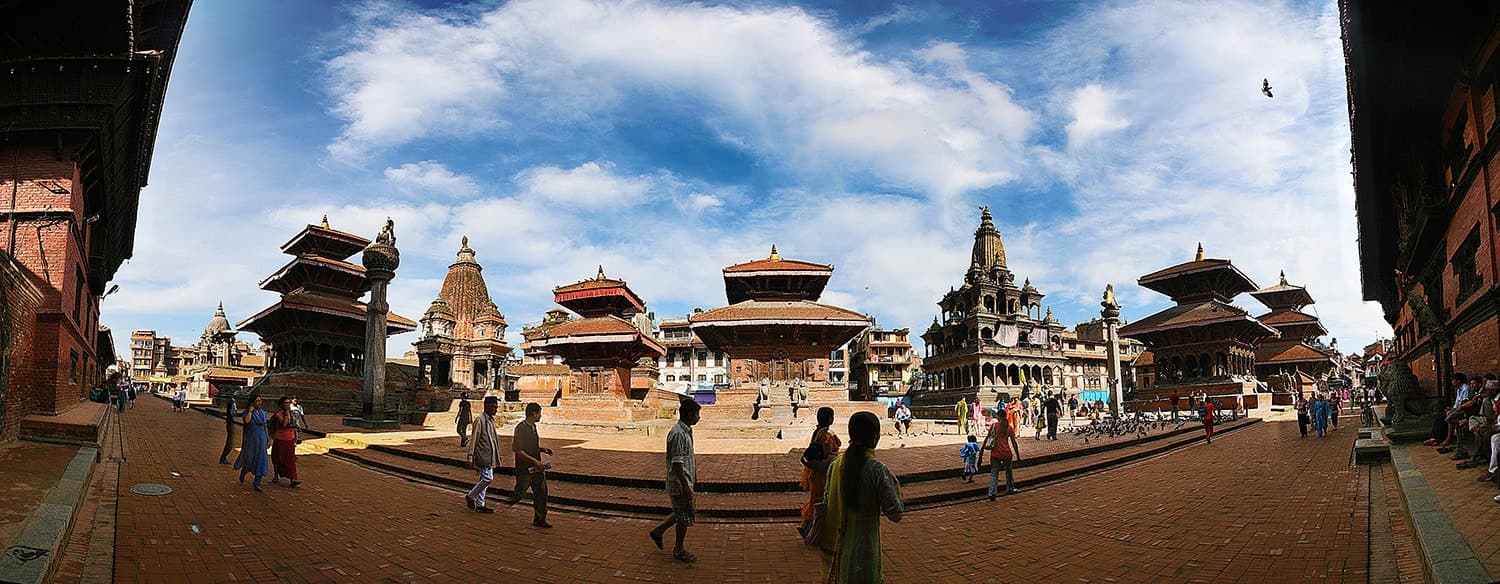
At Patan's center, Durbar Square hosts a bustling marketplace overflowing with palaces, pagodas, Hindu and Buddhist statues, and striking bronze engravings and sculptures. The historic and spiritual atmosphere pervades immediately. Patan Durbar Square ranks among the seven zones containing most of the Kathmandu Valley's historical monuments, designated a UNESCO World Heritage Site.
The Malla Kings' Palace will undoubtedly impress through its beauty and grandeur. Within this imperial complex, you'll discover the emperor Krishna's stone temple, adorned with 21 spires and scenes depicting the Mahabharata and Ramayana epics. Inside the palace lies Tushahity, the royal bathing chamber, a masterpiece of the complex.
Formerly known as the Malla Palace, the Patan Museum ranks among the most sought tourist destinations. Bronze statues and religious objects dating to the 11th century are displayed here. Museum exploration provides excellent understanding of the city and valley's history before discovering palaces, temples, and monasteries.
Patan, a City of Artisans
Most of Patan's population works in traditional craftsmanship and small-scale artisanal industry. Patan is recognized as having produced Nepal's most renowned artists and skilled artisans throughout Nepali art history.
Remaining far from Kathmandu's urbanization, Patan has preserved its traditional arts with numerous small workshops dedicated to creating exquisite objects.
This retained richness and historical significance increasingly attract visitors, allowing the city to maintain a relatively stable economy.
Patan holds many surprises during your stay and will not disappoint the journey.
Climate
Patan enjoys a warm, temperate climate. Precipitation reaches high levels during summer months, with annual rainfall averaging 1,430 mm. The average annual temperature is 17.8°C.
After arriving at Kathmandu's Tribhuvan International Airport, buses and taxis can take you directly to Patan.
From Kathmandu, you can also take taxis or buses from the Gongabu bus terminal.
Bus fare costs only 20 NPR and stops near Patan Durbar Square. Taxi fares can reach up to 350 NPR.
Within Patan, bicycle rental is available, as are motorcycle-taxis and rickshaws.
What to Do in Patan?
- Immerse yourself in the city's history by visiting Patan Durbar Square, where the Malla rulers' residence now houses a major museum.
- See Patan Dhoka, the historic entrance to the old city.
- Marvel at the grandeur of the Buddhist temple Bhaskerdev Samskarita Hiranyabarna Mahavihara, better known as the Golden Temple.
- Visit the Ratnakar Mahavihar complex, the official residence of Patan's Kumari.
- Admire the magnificent stonework of Krishna Mandir.
- Explore Parc Gallery, an artist-managed space founded in 1970.
Attractions in Patan
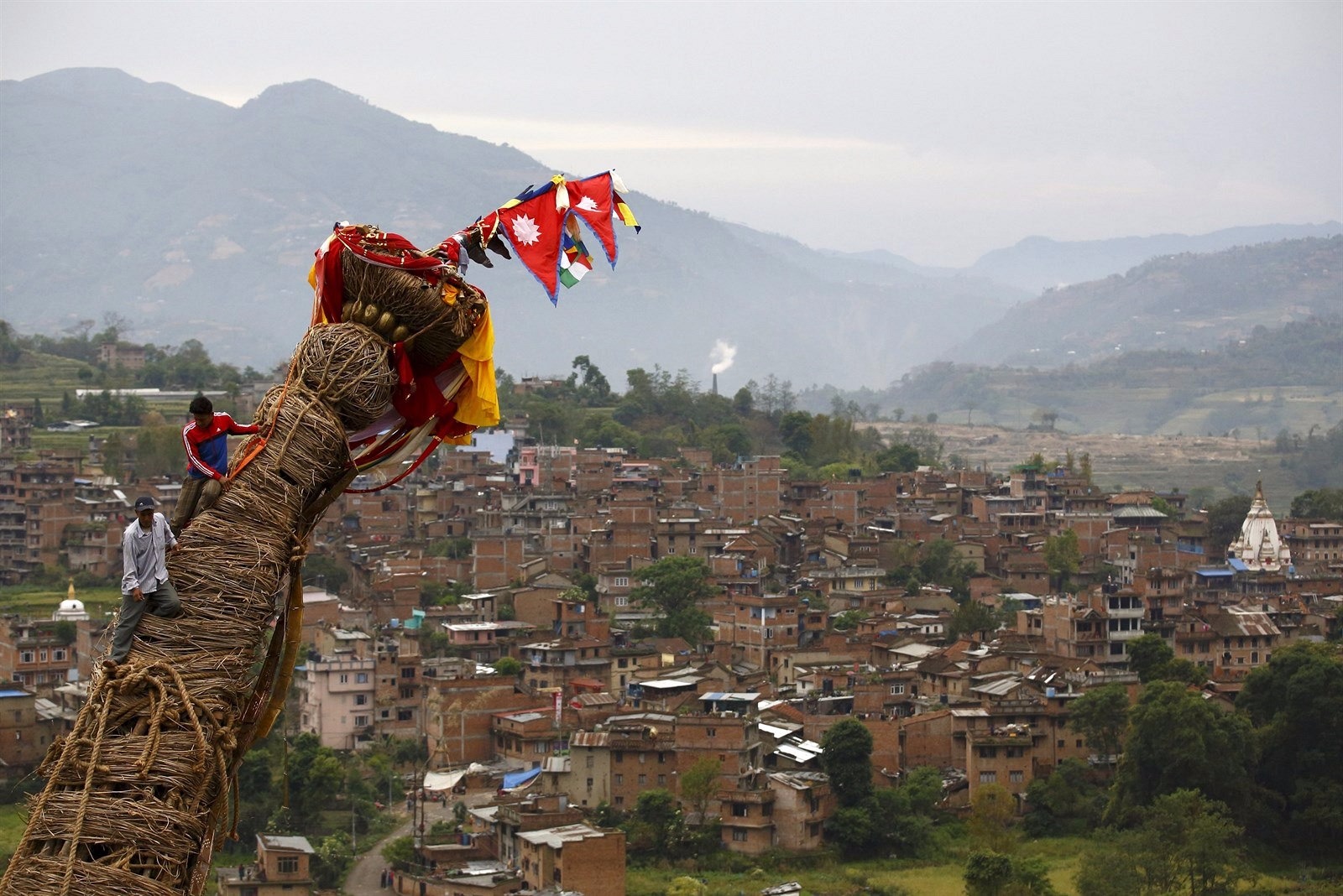
Bungamati
Village newar à 6 km de Patan, Bungamati conserve ses traditions d'artisanat sur bois, ses temples et ses rues piétonnes au milieu des rizières en terrasses.
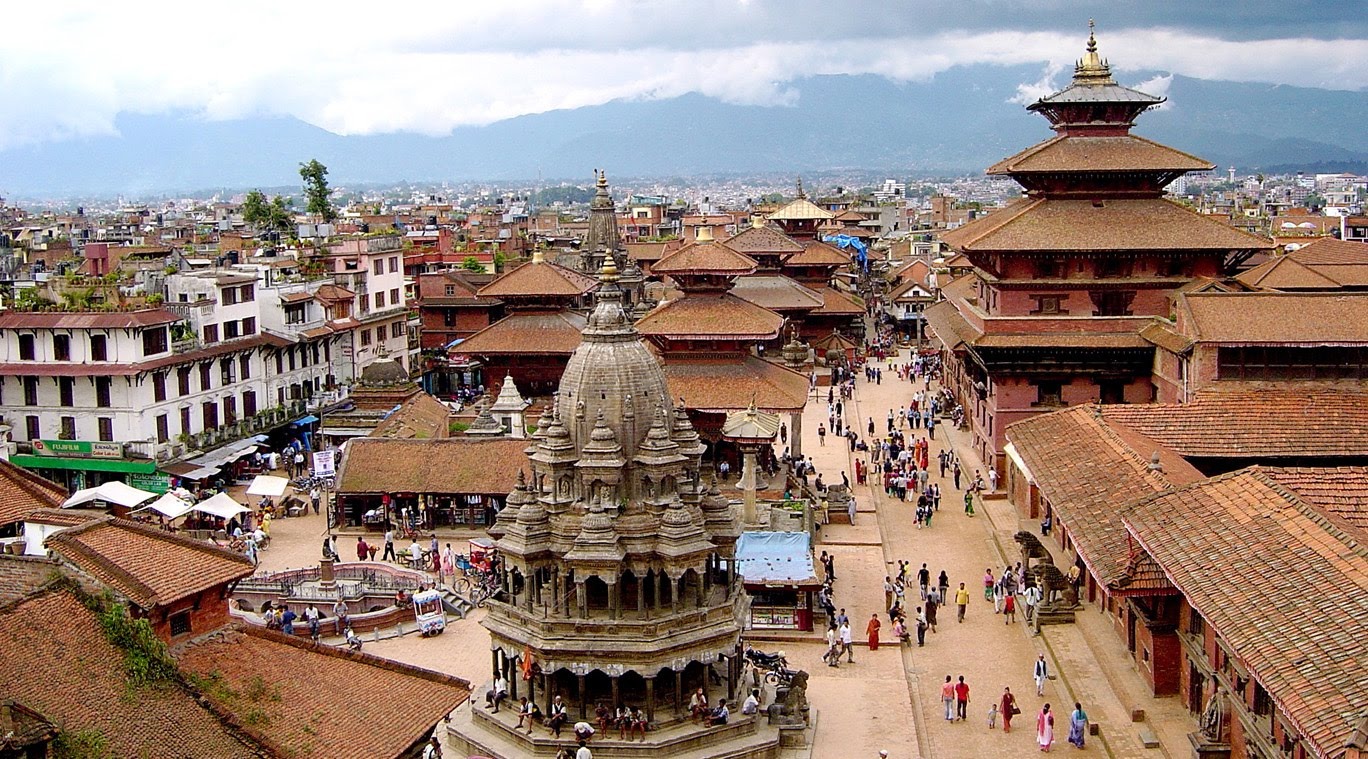
Patan Durbar Square
Place royale newar de Patan, classée à l'UNESCO : ancien palais Malla, cours intérieures, musée et temples sur quelques centaines de mètres.
Accommodation in Patan
Want to discover this destination?
Our local advisors design your tailor-made trip.