Sagarmatha National Park
Sagarmatha National Park
UNESCO World Heritage Site since 1979, Sagarmatha National Park is home to Everest, Sherpa culture and 1148 km² of high Himalayan terrain in Nepal. Here's how to experience it.
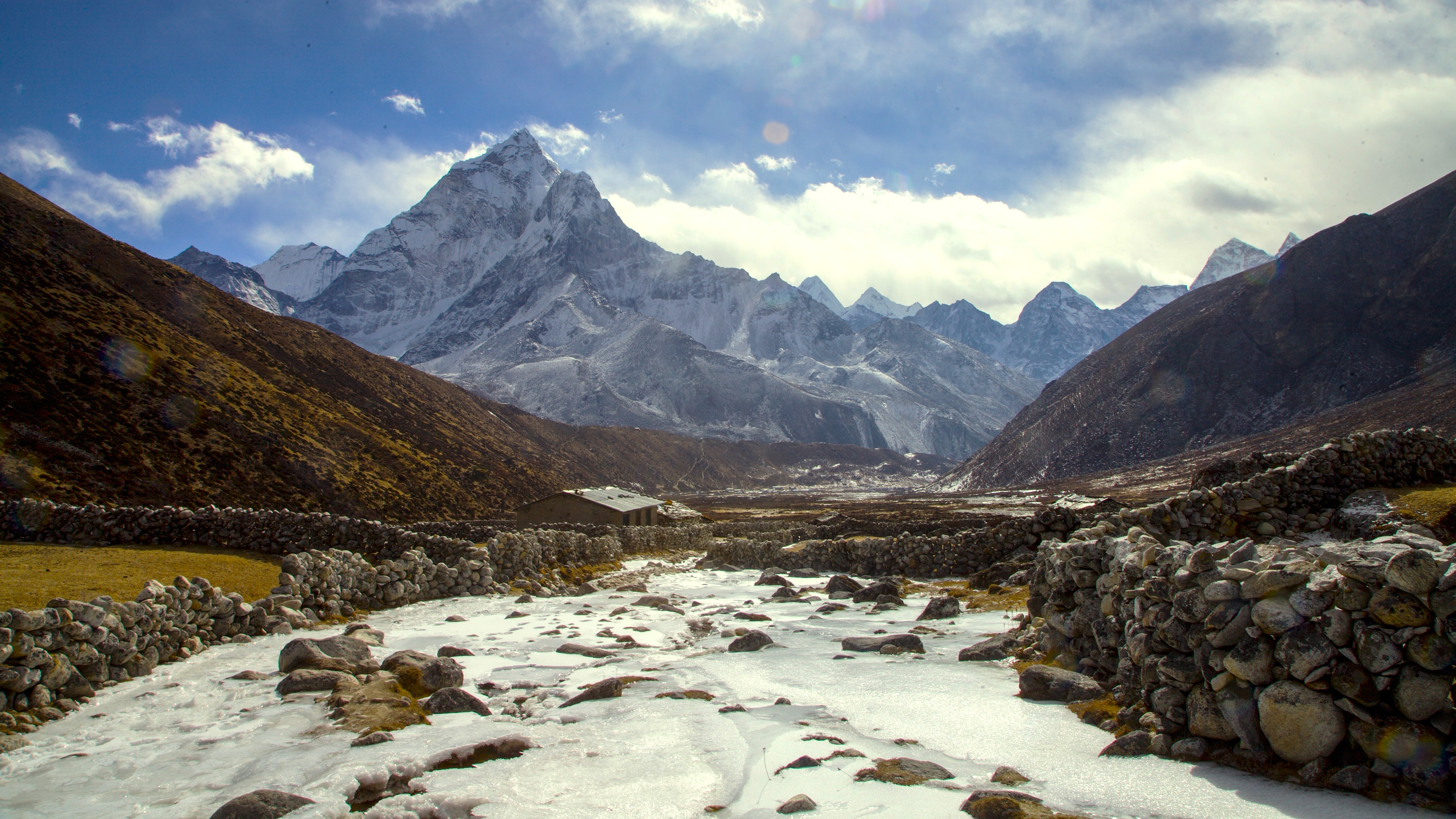
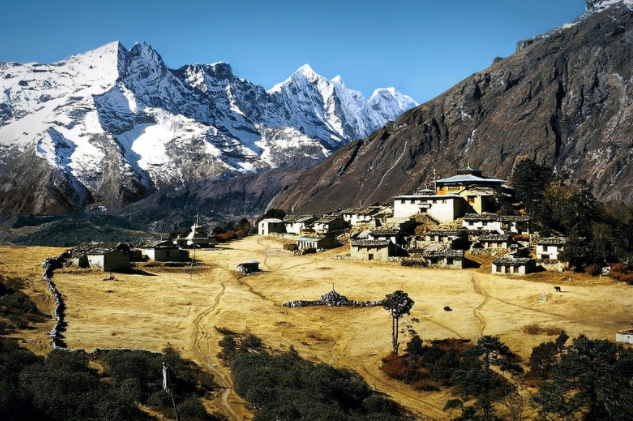
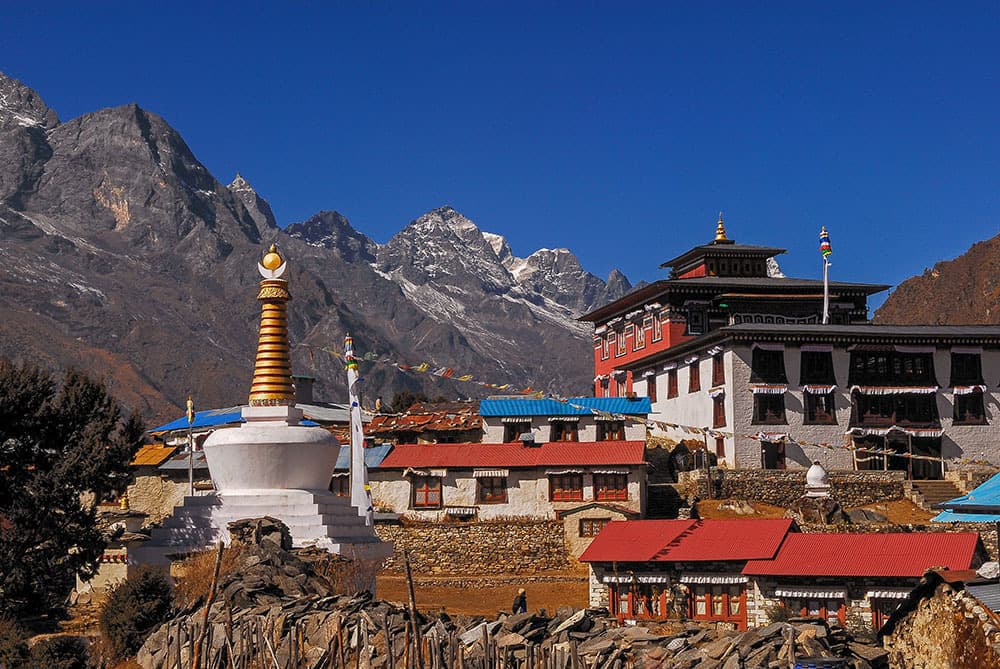
"Beyond Namche, as the silhouettes of the Himalayas take shape, our steps wind through flower-dotted meadows adorned with rhododendrons. As magnificent panoramas unfold, I feel the oxygen grow thin. We pause frequently—sometimes to let yak caravans pass, sometimes to capture towering peaks transformed into monoliths: Thamserku (6608 m), Ama Dablam (6856 m), Tobuche (6367 m)… Moving slowly, dwarfed by these geological giants that seem to challenge the clouds themselves, surrounded by the drone of rescue and supply helicopters, we press on through lodges and monasteries, including Tengboche, a place of breathtaking beauty and spiritual mystery. Fatigue and obstacles render us silent. Our Sherpa signals us to stop. With a smile, they point a finger at a grey giant. Masked at its base by an azure glacier, the roof of the world, Everest reveals itself to us—magical and menacing all at once."
Sagarmatha National Park
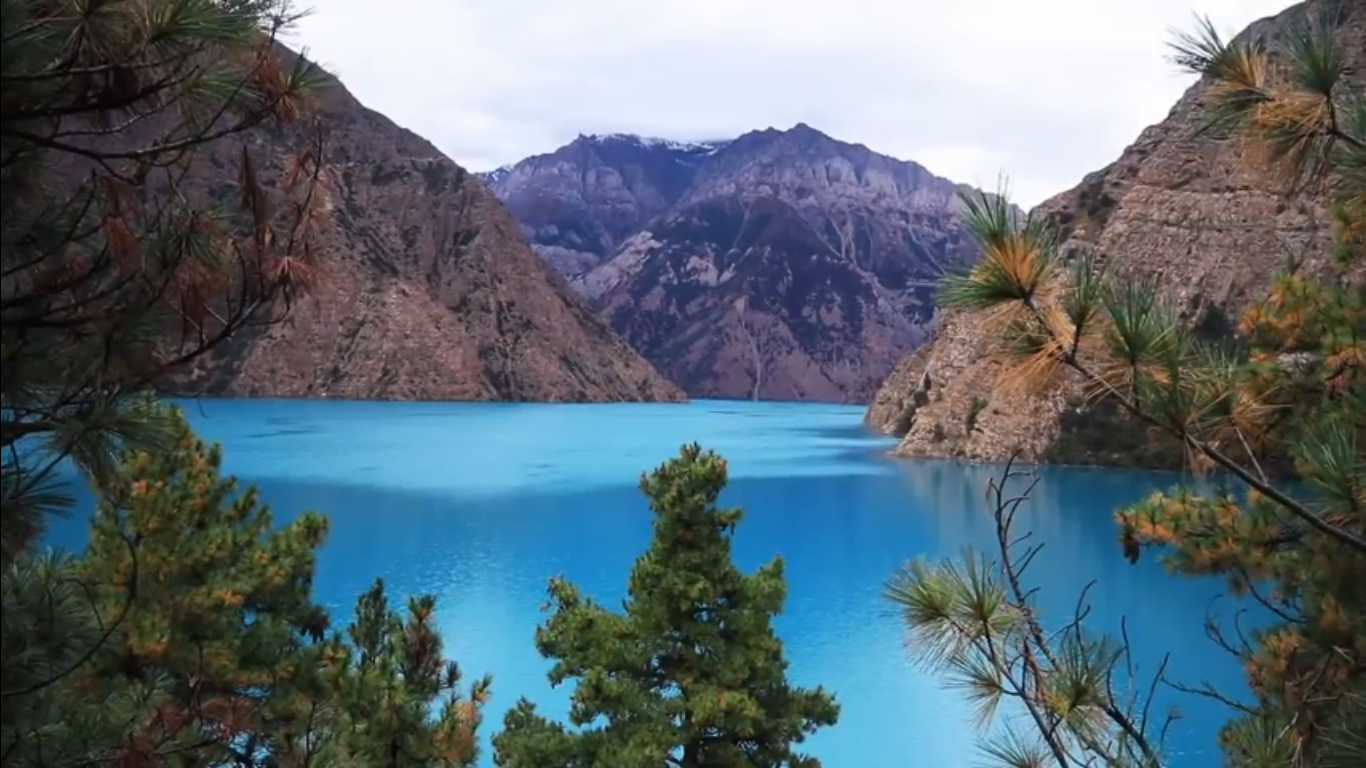
Listed as a UNESCO World Heritage Site, Sagarmatha National Park is located in the northeastern region of Nepal. Against a landscape of majestic mountains, glaciers and deep valleys, the park is home to rare species such as the snow leopard and red panda. The presence of Everest (8848m) and the Sherpa ethnic group add significant tourism appeal to the site.
History
Sagarmatha National Park was established in 1976, and in 1979 it became Nepal's first national park to be inscribed on the World Heritage list. In January 2002, an additional area of approximately 275 km² was added to the park. The number of tourists visiting the site grows slightly each year, rising from 3,600 entries in 1979 to 25,000 in 2010.
Visiting Sagarmatha National Park
The park covers a total area of 1148 km² throughout the Solukhumbu district. It is bounded to the north by the Tibetan border and the Qomolangma Reserve, to the south by the Dudh Kosi River, and to the east by Makalu Barun National Park.
Traversed by the Dudh Kosi and Bhote Kosi rivers, Sagarmatha National Park is studded with glaciers and the towering peaks of the Himalayas. The park entrance is located at the summit of Namche Bazaar hill, a horseshoe-shaped village carved into the mountainside where a Nepali military outpost is stationed.
Vegetation
The park consists of three distinct climate zones, featuring a temperate forest at lower altitudes, a subalpine zone above 3000 m, and an alpine zone above 4000 m. The lower section of Sagarmatha National Park is covered by forests of birch, juniper, pine, bamboo and rhododendrons. As altitude increases, the flora becomes increasingly limited to lichens and mosses.
Fauna
The park is home to approximately 118 species of rare birds, including the blood pheasant and red-billed chough. Mammal species inhabiting the park include the musk deer, snow leopard, Himalayan black bear and red panda. The park also shelters Langur monkeys, Himalayan tahr and wolves.
Climate
Despite the significant difference in altitude, seasonal patterns apply consistently across the park. During winter, cold, snow and mist settle in the mountains, making the park difficult to access.
In spring, temperatures become mild, rhododendrons bloom across the mountainsides and migratory birds return to their nesting grounds as other species emerge from hibernation. Although climbing high peaks remains challenging due to snow, spring is the best season for exploring the lower elevations of the park.
Summer brings the rainy season and high temperatures. Rainfall levels make trekking hazardous.
Autumn temperatures mirror those of spring—mild and pleasant—but the summer weather has reduced snow cover on the summits. This is therefore the most favorable time to attempt the major peaks.
To reach Sagarmatha National Park most quickly, take a domestic flight to Lukla, then continue trekking to Namche Bazaar.
Alternatively, you can reach the town of Jiri by bus from Kathmandu, then continue by trek to Phakding before entering Sagarmatha National Park.
Hours and Fees
The entry fee for Sagarmatha National Park is 20 USD per person.
Want to discover this destination?
Our local advisors design your tailor-made trip.