Gorkha
Gorkha
Birthplace of modern Nepal and gateway to Manaslu, Gorkha blends Gurkha history, Himalayan vistas and authentic mountain villages.
Name: Gorkha
Zone: Gandaki region, Western Nepal
Status: City
Area: 3,610 km²
Population: 32,500 inhabitants (2011 census)
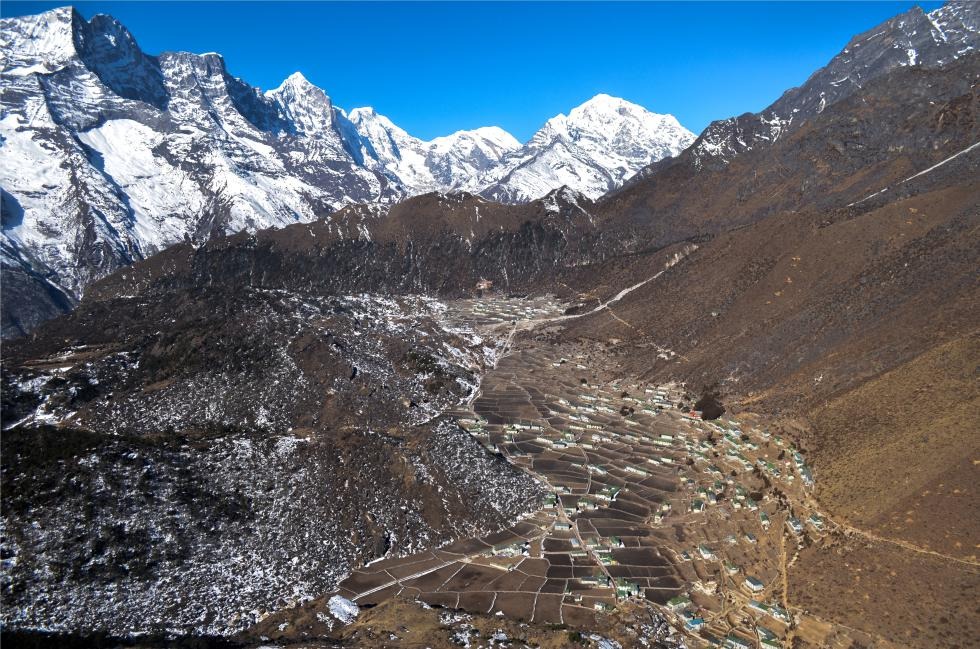
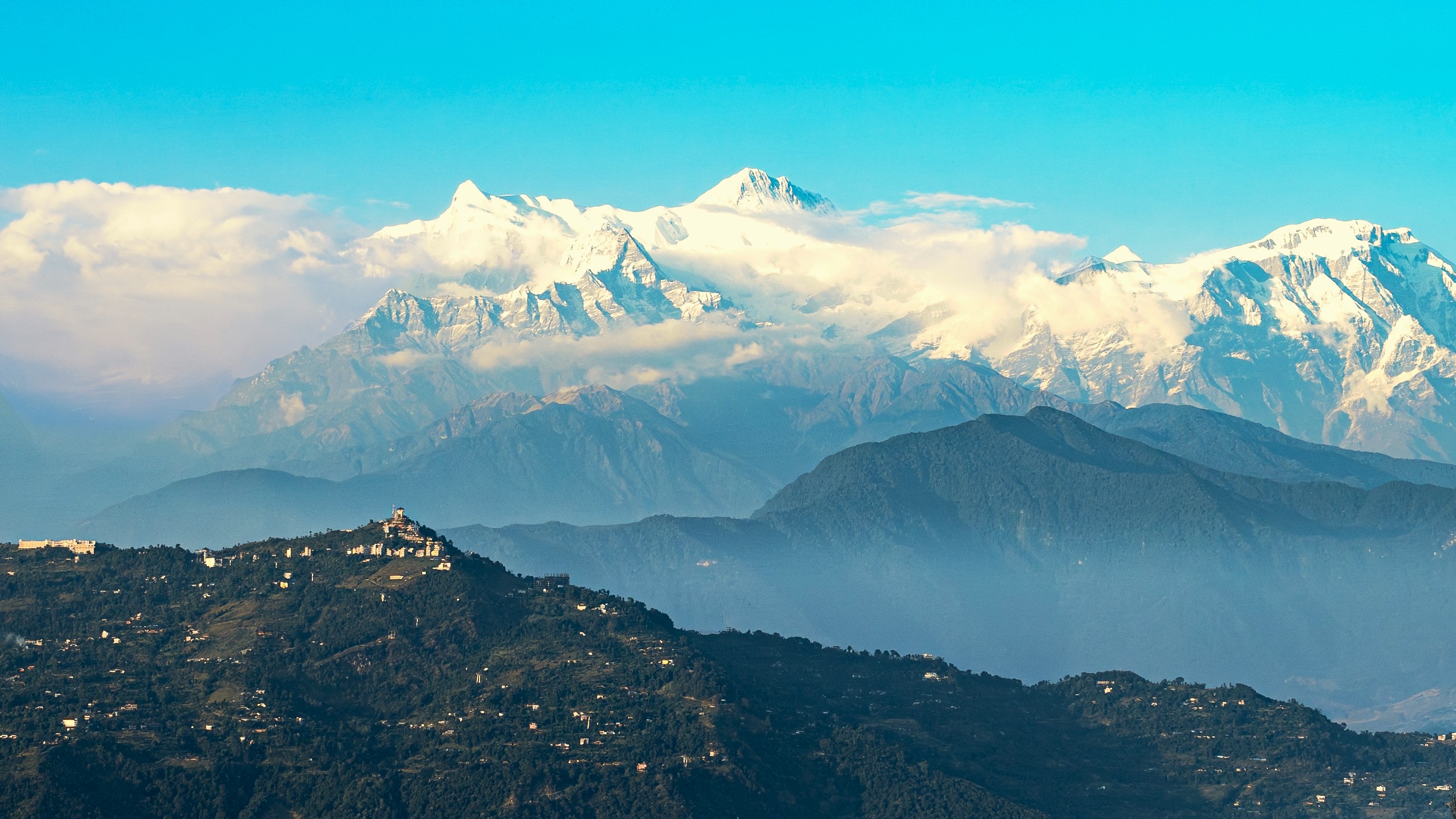
Gorkha is a high-altitude city situated on the route connecting Kathmandu and Pokhara. Nestled at the foot of the Himalayas at 1,130 metres, Gorkha appeals more for its strategic location and mountain landscapes than for its historical and cultural significance.
History
Gorkha was once a kingdom within the confederation of 24 states known as the Chaubisi rajya. It served as the capital of the royal family of the Gurkhas from 1559 onwards. In the second half of the 18th century, around 1768, one of the descendants of King Dravya Shah, named Prithivî Narayan Shah, united several kingdoms across the Himalayan foothills and established modern "Nepal". Gorkha ranks among Nepal's seventy-five districts and remains historically significant to the formation of modern Nepal. The district of Pokharithok, also known as Gorkha, was formerly called Prithivi Narayan Nagarpalika. Gorkha remained an ancient kingdom under the rule of King Gyanendra Shah until 2008. In 2015, the city fell victim to Nepal's most powerful earthquake on record.
Today
Gorkha is a small city blessed with a highly advantageous geographical position on the road linking Kathmandu to Pokhara. Despite its glorious past and a name once used to designate Nepal itself, Gorkha is not a city of major historical interest. Nevertheless, the city does possess several appealing features worth discovering, such as Gorkha Durbar and the numerous trekking trails in its surroundings. The city will undoubtedly captivate you with its authentic charm and sweeping views of the Himalayan mountains.
Activities in Gorkha
Gorkha Durbar:
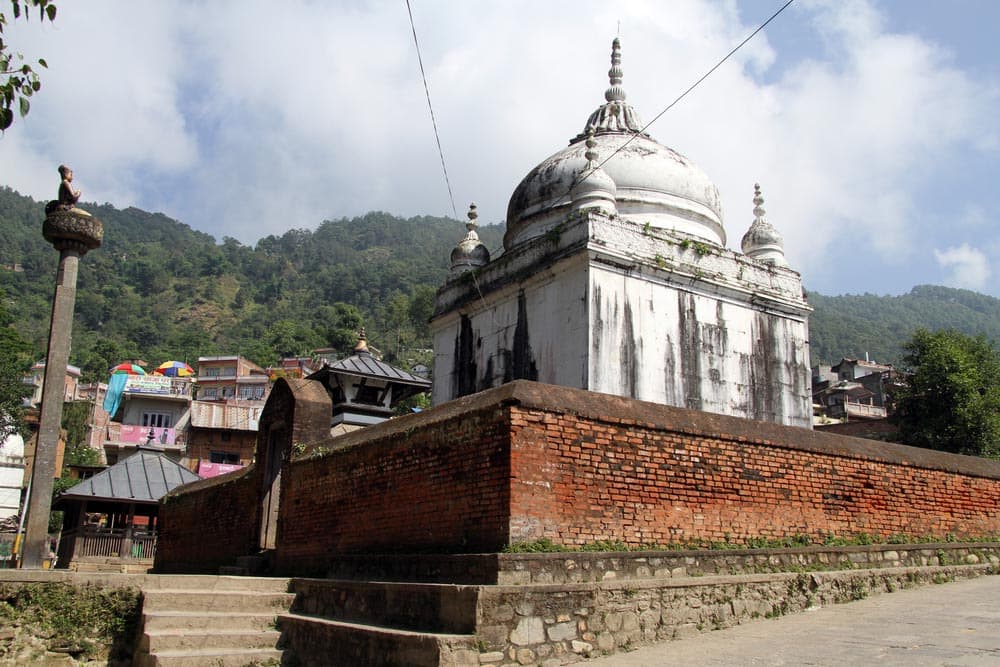
Gorkha Durbar is the former palace of King Ram Shah of Gorkha. Perched on a hilltop, it commands magnificent views of the Himalayas. The palace is accessible from Gorkha Bazaar via a grand staircase of 1,500 steps. It stands as a perfect example of traditional Nepalese architecture.
Gorkha Bazaar:
Gorkha's bazaar is a bustling market street where local vendors trade and residents conduct their daily shopping. It's an excellent opportunity to experience local life and pick up a few souvenirs.
Manakamana Temple:
This temple was constructed to honour the goddess Durga. It attracts nearly 3,000 visitors on an ordinary day, with significantly more during festivals. Located at 1,300 metres altitude, it offers breathtaking Himalayan panoramas, much like the Durbar. You can reach it by cable car. A stop in Gorkha is particularly worthwhile for the abundance of trekking trails departing from the city. Don't hesitate to wander into the countryside and savour the untouched natural beauty. You'll encounter remote villages and meet families rarely exposed to foreign visitors, creating opportunities for authentic human connections and meaningful cultural exchanges.
Climate
Gorkha enjoys a warm subtropical humid climate with dry winters. The average annual temperature is 18.5°C, with average precipitation of 555.9 mm. The best times to visit Gorkha are April, May, June, September and October, when temperatures range from a minimum of 14°C to a maximum of 28°C.
To reach Gorkha, daily buses operate from Kathmandu, Pokhara, Birjun and Saunali. Buses tend to be crowded, though faster and more comfortable microbuses are also available. Journey times range from three to ten hours depending on your departure point. A microbus from Kathmandu to Gorkha costs 300 NPR per person. Gorkha is located approximately four hours by road from Kathmandu, three hours from Pokhara and two hours from Chitwan.
You can explore the city on foot and undertake short trekking excursions in the surrounding areas.
What to Do in Gorkha?
- Visit Gorkha Durbar to admire the beauty of Nepalese architecture and enjoy panoramic mountain vistas.
- Browse and shop for souvenirs at Gorkha Bazaar.
- Explore the Manakamana Temple and take in views of the Himalayas.
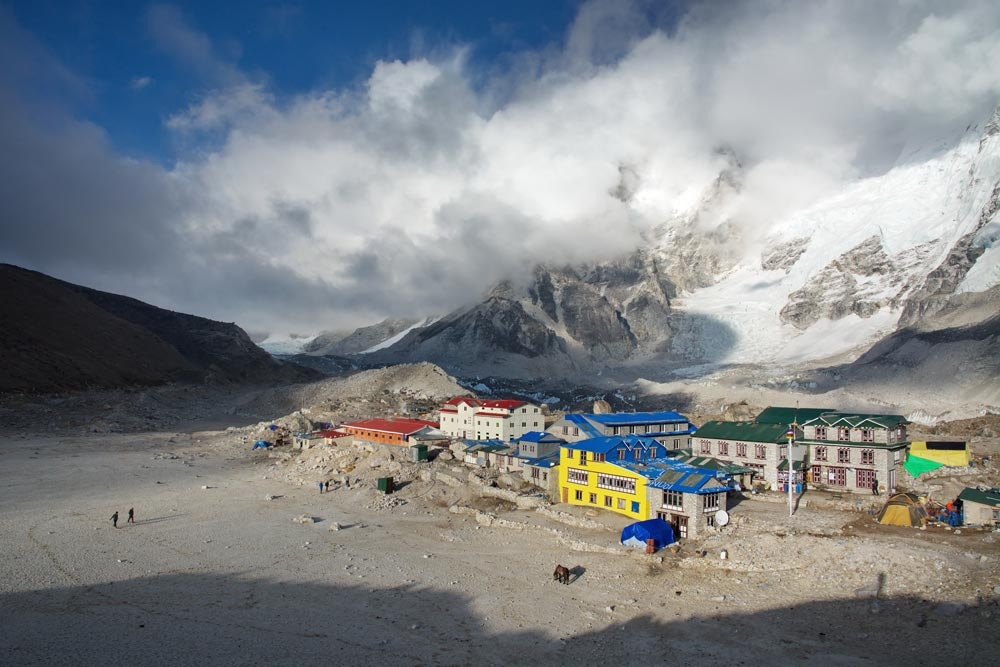
- Trek in the surrounding areas, including the Tsum Valley and around Mount Manaslu.
- Experience the Dashain Festival during spring.
- Savour a peaceful moment enjoying tea in Gorkha's traditional teahouses.
Want to discover this destination?
Our local advisors design your tailor-made trip.