Lobuche Peak
Lobuche Peak
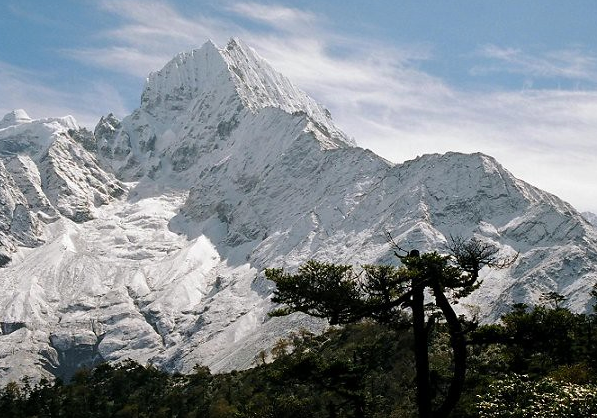
Lobuche Peak (6,119 m), a trekking peak in the Khumbu: approach route, technical level, permits and weather windows to plan your ascent.
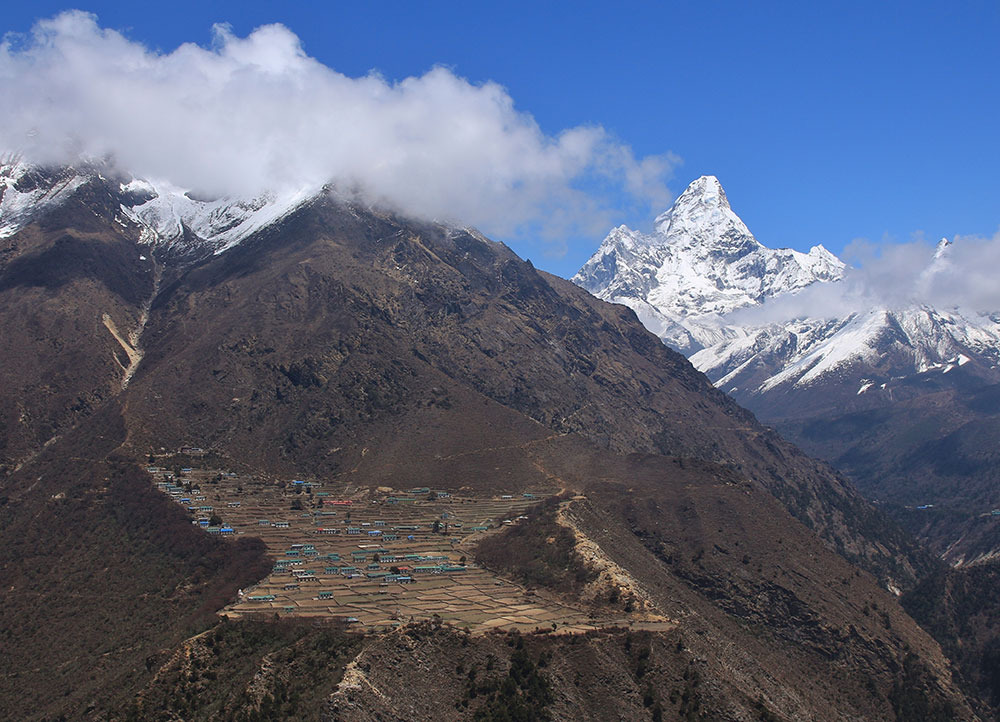
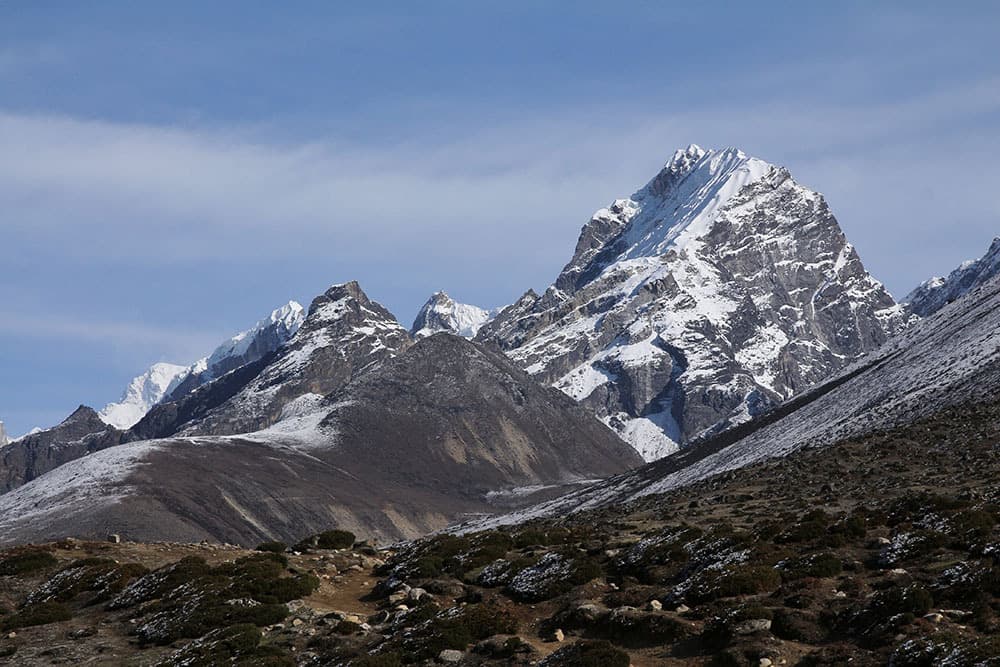
A summit in the Everest region, Lobuche Peak rises near the Khumbu Glacier, in the heart of Sagarmatha National Park. Classified among Nepal's trekking peaks, it attracts experienced mountaineers and seasoned trekkers seeking to complement an Everest Base Camp approach with a genuine technical climb.
Why climb Lobuche Peak
Lobuche Peak comprises two main summits: Lobuche East and Lobuche Far East. Connected by a continuous ridge yet separated by a marked col, they reach 6,119 meters and 6,145 meters respectively. It is the East summit that constitutes the trekking peak open to commercial expeditions; the West summit (6,145 m), technically more demanding, is classified as an expedition peak and requires a separate permit.
From the summit, the panorama embraces several Himalayan giants: Lhotse, Everest, Nuptse, Makalu and Ama Dablam. The climb can be combined with other major Nepal treks or integrated into a broader itinerary toward Everest Base Camp.
History of ascent
The first recorded ascent of Lobuche Peak was achieved on April 25, 1984 by American Laurence Nielson and Sherpa Ang Gyalzen. Since then, the summit has become one of the regular objectives of commercial expeditions in the Khumbu, notably because it offers excellent acclimatization and an alpinism experience before attempting higher peaks.
Route and points of interest
The approach to Lobuche Peak traverses several classic stages of the Khumbu Valley:
- Namche Bazaar: Sherpa capital, an essential acclimatization stop after Lukla.
- Gokyo Lake and Gokyo Ri: a scenic variant before heading east.
- Cho La Pass: a glaciated crossing linking the Gokyo Valley to the Khumbu.
- Dzonglha then Lobuche village: the last settlements before base camp.
- Gorak Shep and Kala Pattar (5,364 m): a frequent extension to enjoy a close-up view of Everest.
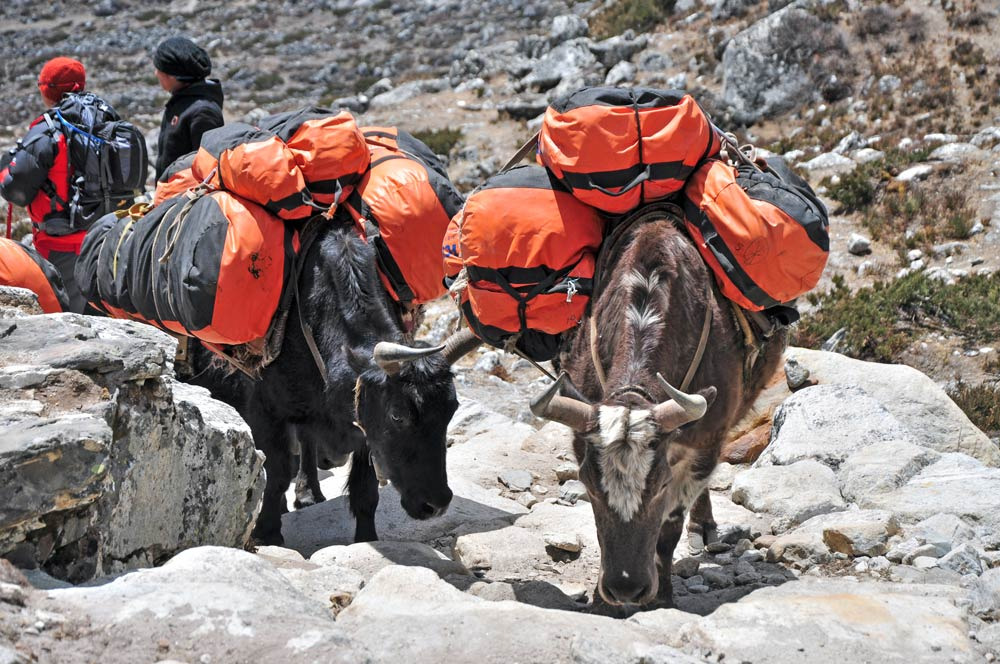
At base camp, you will find a few lodges for mountaineers and trekkers, as well as porters who stop for tea or rakshi, the grain alcohol typical of the Sherpa people. The atmosphere remains rustic yet lively during the high season.
Practical information
Required level
The ascent of Lobuche East is rated technically moderate (equivalent to PD to AD depending on the chosen route on the face). It involves ice and snow climbing with crampons, ice axe, harness and roped progression along an exposed summit ridge. Good physical fitness, prior alpinism experience and careful acclimatization are essential.
Permits
Lobuche East falls under the NMA peaks (Nepal Mountaineering Association): an ascent permit is mandatory, in addition to the Sagarmatha National Park entrance permit and the TIMS Card for trekking approach. A certified guide is required.
Equipment
Beyond standard trekking gear for altitude, plan for mountaineering boots compatible with crampons, technical clothing for sub-zero temperatures, glacier goggles, helmet, harness and roped climbing equipment, typically supplied by the expedition agency.
When to go
Two weather windows are suitable for the ascent:
- Pre-monsoon (April-May): milder temperatures, stable snow, often clear skies. Warming begins in early April.
- Post-monsoon (October-November): maximum visibility, but very cold nights. In October, temperatures already dip below freezing at night; by late November, they can reach -20°C at high camp.
Winter and monsoon season should be avoided, the former for extreme cold and winds, the latter for precipitation and reduced visibility.
How to get there
The classic approach combines flight and walking:
- Flight Kathmandu-Lukla (approximately 30 minutes, weather dependent).
- Trek from Lukla to Namche Bazaar, then climb toward Gokyo Lake.
- Cross Cho La Pass to Dzonglha.
- Stop at Lobuche village then ascend to peak base camp.
Allow 12 to 18 days total depending on your acclimatization profile and chosen extensions (Kala Pattar, Everest Base Camp).
What to see in the region
The Khumbu Valley and the rest of Nepal offer numerous possible extensions before or after the ascent:
- Annapurna, another emblematic range for trekkers.
- Annapurna Conservation Area, for a gentler approach to the Himalayas.
- Swayambhunath and Bouddhanath, two major Buddhist sites to visit in Kathmandu before flying to Lukla.
Frequently asked questions
Frequently asked questions
No. Although classified as a trekking peak, Lobuche East demands prior alpinism experience: mastery of crampons, ice axe, and roped climbing. Good physical fitness and rigorous acclimatization are essential.
Three documents are required: the ascent permit issued by the Nepal Mountaineering Association for NMA peaks, the Sagarmatha National Park entrance permit and the TIMS Card. A certified guide is mandatory.
The complete itinerary, from Kathmandu and including acclimatization, typically requires 18 to 21 days. A shorter version without the Gokyo detour can fit in 14-16 days, but reduces acclimatization quality.
Prepare your Nepal expedition
Lobuche Peak is part of a broader experience of the Khumbu and Nepalese Himalaya. To build a tailor-made itinerary combining trekking, climbing and Sherpa culture, explore our Nepal trips designed with local partners.
Nearby

Interested in this visit?
We can include it in your personalised itinerary.