Norbulingka
Norbulingka
Summer residence of the Dalai Lamas in Lhasa, Norbulingka brings together palaces, gardens and frescoes across 40 hectares. Inscribed as a UNESCO World Heritage Site since 2001.
Norbulingka, whose name means "park of jewels" in Tibetan, is a 40-hectare enclave located in the western suburbs of Lhasa. This ensemble of gardens, pools, pavilions and palaces long served as a summer residence for the Dalai Lamas. Inscribed as a UNESCO World Heritage Site in 2001 as an extension of the Potala Palace historic ensemble, it constitutes the second religious, political and cultural centre of Tibet.
Why visit Norbulingka
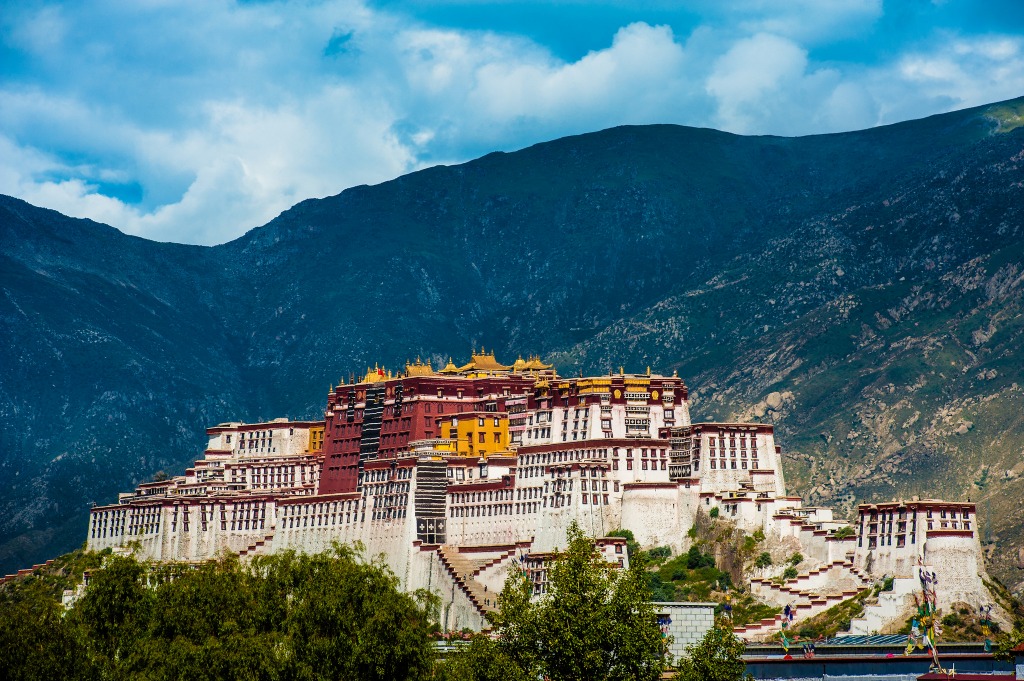
The site combines three dimensions rarely found in the same place: a Tibetan-style landscaped park, a palatial complex spanning the 18th to 20th centuries, and a major site of spiritual memory for the Dalai Lamas. Unlike the Potala, perched on its hilltop and more austere, Norbulingka offers a relaxed atmosphere, frequented by Lhasa residents themselves during traditional festivals.
History enthusiasts will find the private apartments of the 14th Dalai Lama, preserved as he left them in 1959. Travellers with an appreciation for art will enjoy the mural frescoes, among the most complete that can be seen in Tibet. Those seeking leisurely strolls simply savour the shade of willow trees and the coolness of the pools, at more than 3,600 metres altitude.
A history in three palaces
The creation of Norbulingka dates back to the mid-18th century. The Kelsang Phodrang, palace of the 7th Dalai Lama, was built in 1755 and established the domain's vocation as a summer residence. Successive sovereigns enriched the site with new buildings, but most of the major palaces visible today date from the 20th century.
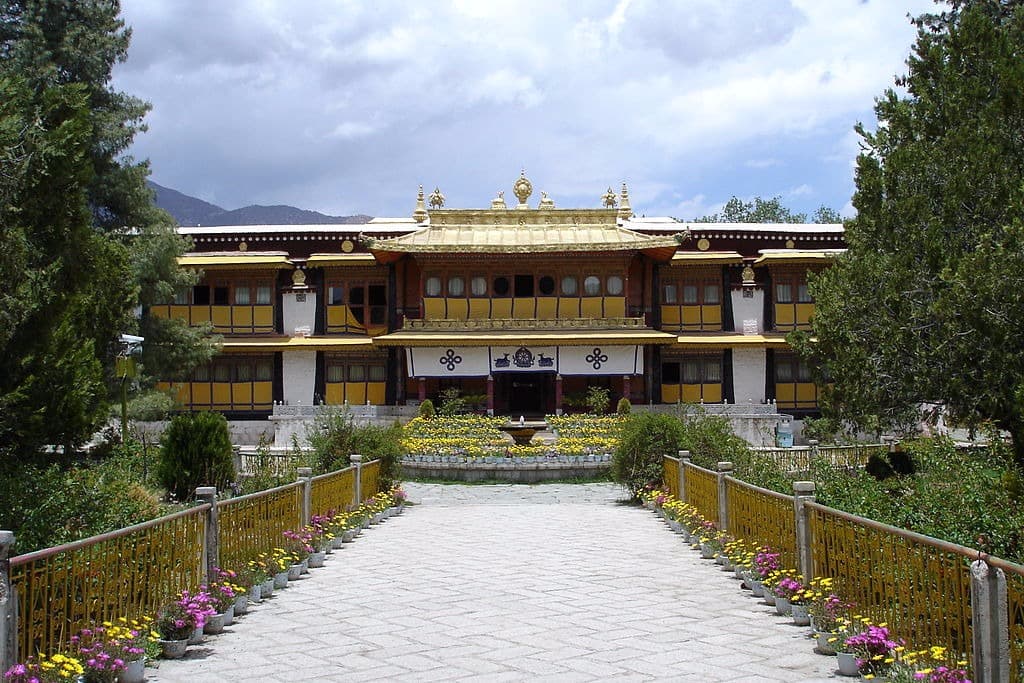
The Chensel Phodrang was erected by the 13th Dalai Lama in the early 20th century, in a style blending Tibetan tradition with outside influences. The Takten Migyür Phodrang, built for the 14th Dalai Lama and completed in 1956, displays more modern architecture and painted decoration of great narrative refinement, recounting Tibetan history and the life of the Buddha.
After 1959, Norbulingka lost its residential function but retained its symbolic role. The 2001 UNESCO inscription, as an extension of the Potala Palace historic ensemble, consecrated its patrimonial value.
What to see on site
The palaces
- The Kelsang Phodrang: the oldest, with sober architecture, marking the birth of the domain.
- The Chensel Phodrang: ensemble of the 13th Dalai Lama, with its annexe pavilions.
- The Takten Migyür Phodrang: the "new palace", remarkable for its mural frescoes and private apartments.
The gardens and pavilions
Beyond the palaces, the park unfolds on foot along shaded paths that connect pools, kiosks and small temples. This walk, to which you should devote at least two hours, offers a rare perspective on Tibetan landscape art, where water and local plant species play a central role.
The Shoton festivals
If you visit Norbulingka during the Shoton festival, at the end of summer, you will see Tibetan families picnicking beneath the willows, attending performances of Tibetan opera (lhamo) and drinking butter tea. It is one of the most vibrant times of the year in Lhasa.
When to visit
Norbulingka can be visited year-round, but visitor numbers and atmosphere vary significantly with the seasons. The most pleasant period runs from May to October, when the gardens are in full bloom and daytime temperatures are mild. The Shoton festival, held in August according to the Tibetan calendar, is a highlight worth prioritizing if your itinerary allows. In winter, the park remains accessible but loses its botanical appeal.
Practical information
- Location: western suburbs of Lhasa, approximately 3 km from the historic centre, accessible by taxi or on foot from the Potala neighbourhood.
- Duration of visit: allow 2 to 3 hours to tour the main palaces and stroll through the gardens.
- Admission: moderate fee, with possible surcharge for certain palaces. Enquire on the day itself.
- Permit: as everywhere in Tibet, access requires a specific permit organised in advance by your agency.
- Altitude: 3,650 m. Plan a leisurely visit, especially in your first days after arriving in Lhasa.
What to see nearby
Norbulingka fits naturally into a multi-day circuit in Lhasa. The Potala, of which it forms the UNESCO extension, should be seen first. The Sera Monastery, famous for its philosophical debates among monks, ideally complements the discovery of the city. To extend the Buddhist experience beyond Tibet, travellers often continue to neighbouring Népal, where Bouddhanath and Swayambhunath offer another facet of Himalayan Buddhism.
Planning your trip
Norbulingka is visited as part of an organised stay combining Lhasa, its major monasteries and, depending on the itinerary, an extension to Népal. To build your custom project, consult our trips to Népal and Tibet.
Interested in this visit?
We can include it in your personalised itinerary.