Devi's Fall
Devi's Fall
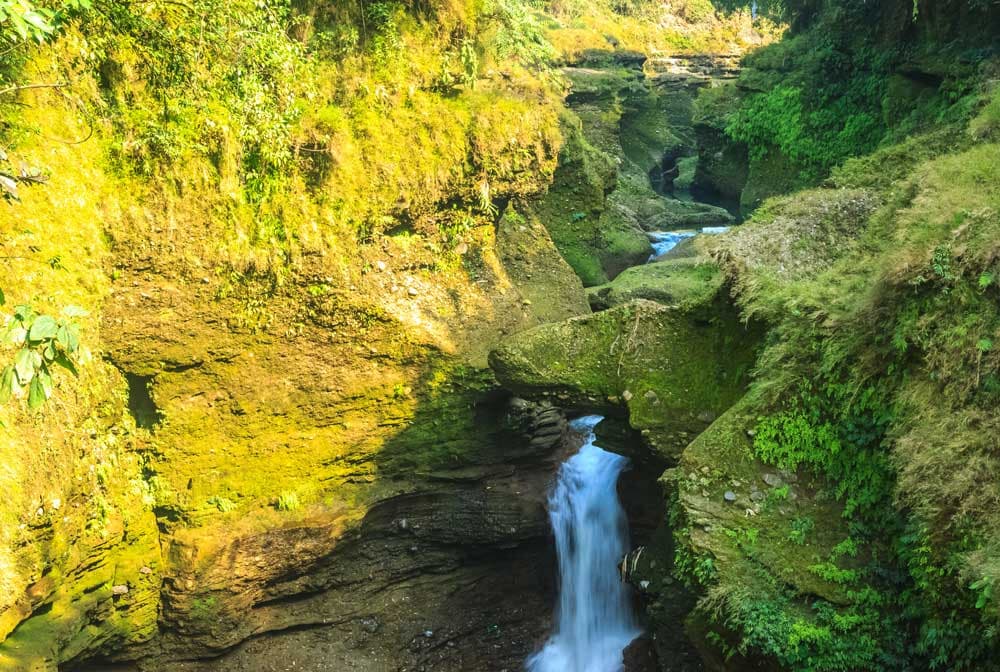
Located 2 km southwest of Pokhara, Devi's Fall (Patale Chango) marks the point where the Khola Pardi river disappears into a 1 km underground tunnel.
Devi's Fall, known locally as Patale Chango ("underground waterfall"), sits 2 km southwest of central Pokhara, in Kaski district. This singular cascade marks the point where the Khola Pardi river, fed by Phewa Lake, suddenly vanishes into an underground tunnel to join the Phurse Khola further downstream.
Why Visit Devi's Fall
Pokhara is Nepal's city with the highest concentration of waterfalls, and Devi's Fall stands out for its unique geological character. Unlike a conventional cascade, water here plunges into a fissure and disappears underground, producing, during the monsoon season, a distinctive rumbling sound deep within the gorge. The site can be visited quickly (30 to 45 minutes) and easily combines with the Gupteshwor Mahadev cave located directly across. It's a brief stop yet highly representative of the underground hydrology of the Pokhara valley.
History and Legend of the Name
The official Nepali name remains Patale Chango. The designation "Devi's Fall" (sometimes spelled "Davis Fall") stems from a local legend, unverified historically, passed down since the 1960s. According to this account, a Swiss tourist named Devi allegedly drowned in July 1961 at the waterfall along with his companion. Their bodies were supposedly found three days later in the Phurse river downstream. The cascade was then renamed in memory of the couple. This legend, recounted to every visitor, has become part of the site's identity today, though no official source documents it precisely.
What to See on Site
The Waterfall and Its Tunnel
Water from Phewa Lake plunges into a tunnel approximately 150 meters long and 30 meters wide, carved below ground level. This tunnel extends nearly a kilometer before converging with the Phurse Khola. Several viewing platforms allow visitors to observe the waterfall from different angles.
The Wishing Pond
Near the cascade, a small basin called the "wishing pond" collects coins tossed by visitors making wishes, following a local tradition.
Gupteshwor Mahadev Cave
After the tunnel, water passes through Gupteshwor Mahadev cave, whose name means "underground cave." This cavity houses a Shivite shrine and can be visited separately, across from the waterfall site.
Chhorepatan Cave
A two-minute walk away lies Chhorepatan cave, through which water from the fall also flows. A small temple is situated within.
Rock Formation in Winter
During the dry season, Phewa Lake's discharge decreases and so does the waterfall's flow. The rock wall, sculpted by erosion, becomes visible, offering a very different perspective of the site.
When to Visit
The site is accessible year-round, but the experience varies significantly by season:
- Monsoon (June to September): maximum water flow, spectacular roar, but frequent rain and sometimes slippery walkways.
- Autumn (October-November): best compromise, sustained flow, clear skies.
- Winter (December to February): low water flow, but the rock formations sculpted by water become visible.
- Spring (March to May): pleasant visit, moderate flow.
Practical Information
- Visit Duration: 30 to 45 minutes, or 1 hour including Gupteshwor Mahadev cave across the way.
- Entrance Fee: modest entry, payable in Nepali rupees; a separate ticket is required for the neighboring cave.
- Hours: open daily during daylight hours, from morning through late afternoon.
- What to Bring: non-slip shoes during the rainy season, some loose change for the wishing pond.
How to Get There
Devi's Fall is located on Siddhartha Road, approximately 2 km southwest of central Pokhara. From the Lakeside area:
- By Taxi: short journey, the simplest option.
- By Bike or Scooter: feasible, paved road.
- On Foot: possible but lengthy (approximately 30-40 minutes from Lakeside).
- By Local Bus: routes serving Chhorepatan pass nearby.
What to Combine Nearby
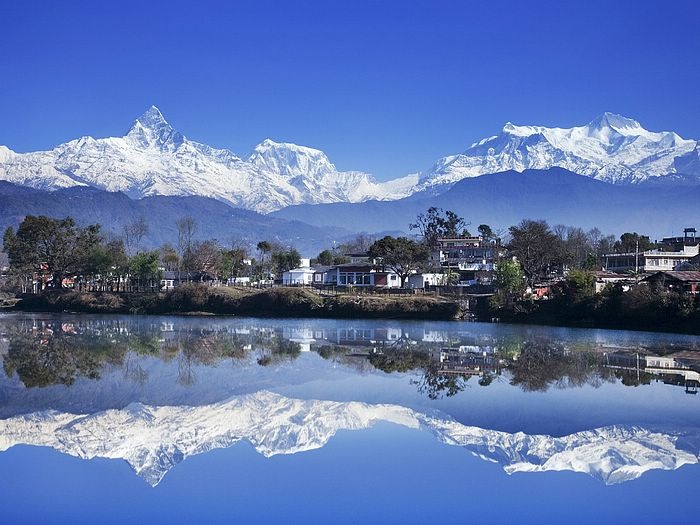
- Pokhara and its Phewa Lake, the source of the waterfall.
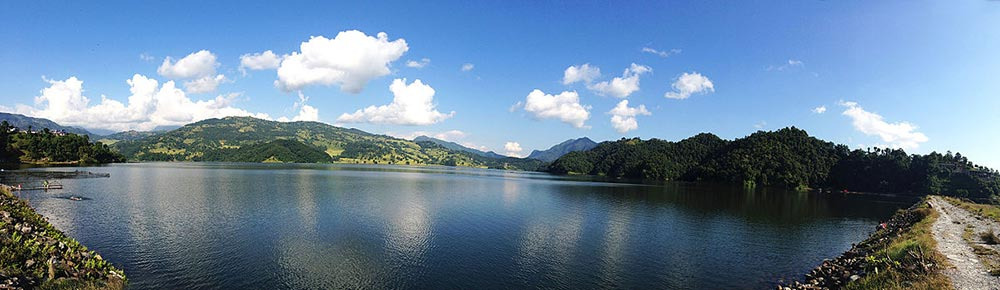
- Begnas Lake, quieter than Phewa, east of the city.
- Gupteshwor Mahadev cave, just across from the site.
FAQ
Frequently asked questions
According to local legend, a Swiss tourist named Devi allegedly drowned with his companion at the waterfall in July 1961. However, the official Nepali name remains Patale Chango, which means "underground waterfall."
The monsoon (June to September) offers the most impressive water flow, but autumn remains the best compromise between sustained flow and comfortable visiting conditions. In winter, the site reveals its rock formations sculpted by erosion.
Plan for 30 to 45 minutes for the waterfall alone, and approximately 1 hour if you include Gupteshwor Mahadev cave across the way.
Yes, the waterfall is located about 2 km southwest of the city center. Walking is possible, but a taxi remains the most convenient option from Lakeside.
The water plunges into an underground tunnel approximately 1 km long, converges with the Phurse Khola, then flows through Gupteshwor Mahadev cave before continuing downstream.
Planning Your Trip
Devi's Fall integrates naturally into a stay in Pokhara, an essential stop on an itinerary through the Annapurnas region. To build an itinerary including Pokhara, Phewa Lake, and surrounding sites, explore our Nepal travel suggestions.
Nearby
Interested in this visit?
We can include it in your personalised itinerary.