Nagarjun Hill
Nagarjun Hill
At 2,128 metres elevation, Nagarjun Hill overlooks Kathmandu and forms part of Shivapuri-Nagarjun National Park, rich in wildlife, trails and Buddhist sites.
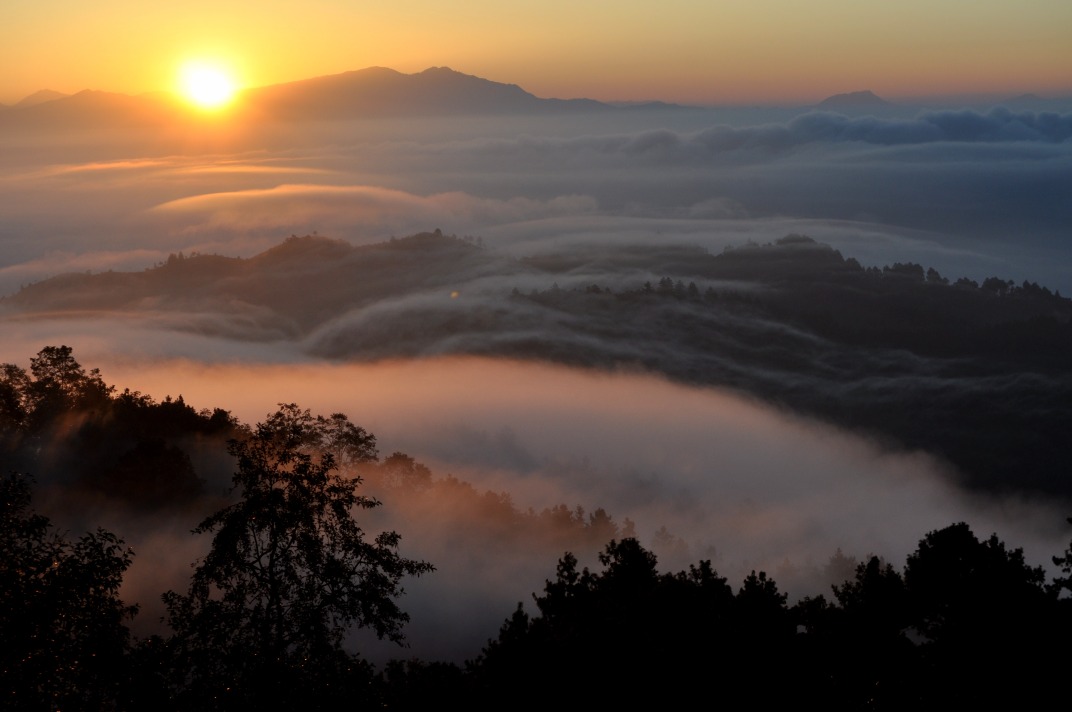
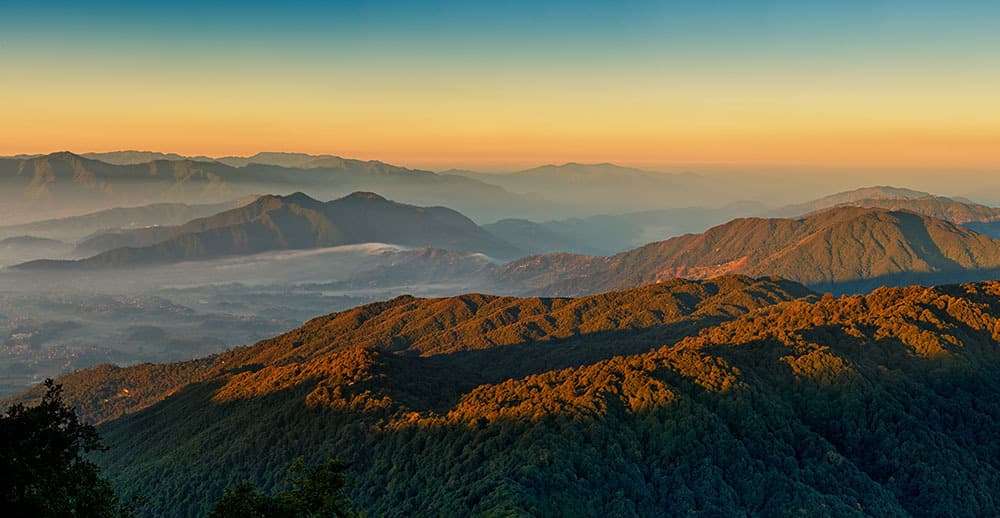
Some ten kilometres north-west of Kathmandu, Nagarjun Hill rises to 2,128 metres and marks the western boundary of Shivapuri-Nagarjun National Park. Carpeted with rhododendron and pine forests, its summit commands sweeping views across the Manaslu, Ganesh and Langtang massifs. The site combines natural appeal, Buddhist heritage and easy access from the capital.
Why visit Nagarjun Hill
Nagarjun brings together multiple attractions on a single slope. The hill sits within a nationally protected park celebrated for its biodiversity, home to over 318 recorded bird species. It shelters stupas, monasteries and the former summer palace of Nepal's royal family. Its moderate elevation and proximity to Kathmandu make it an accessible day's walk for regular hikers, requiring no expedition logistics.
- Panoramic views of three major Himalayan massifs from the summit (Jamacho)
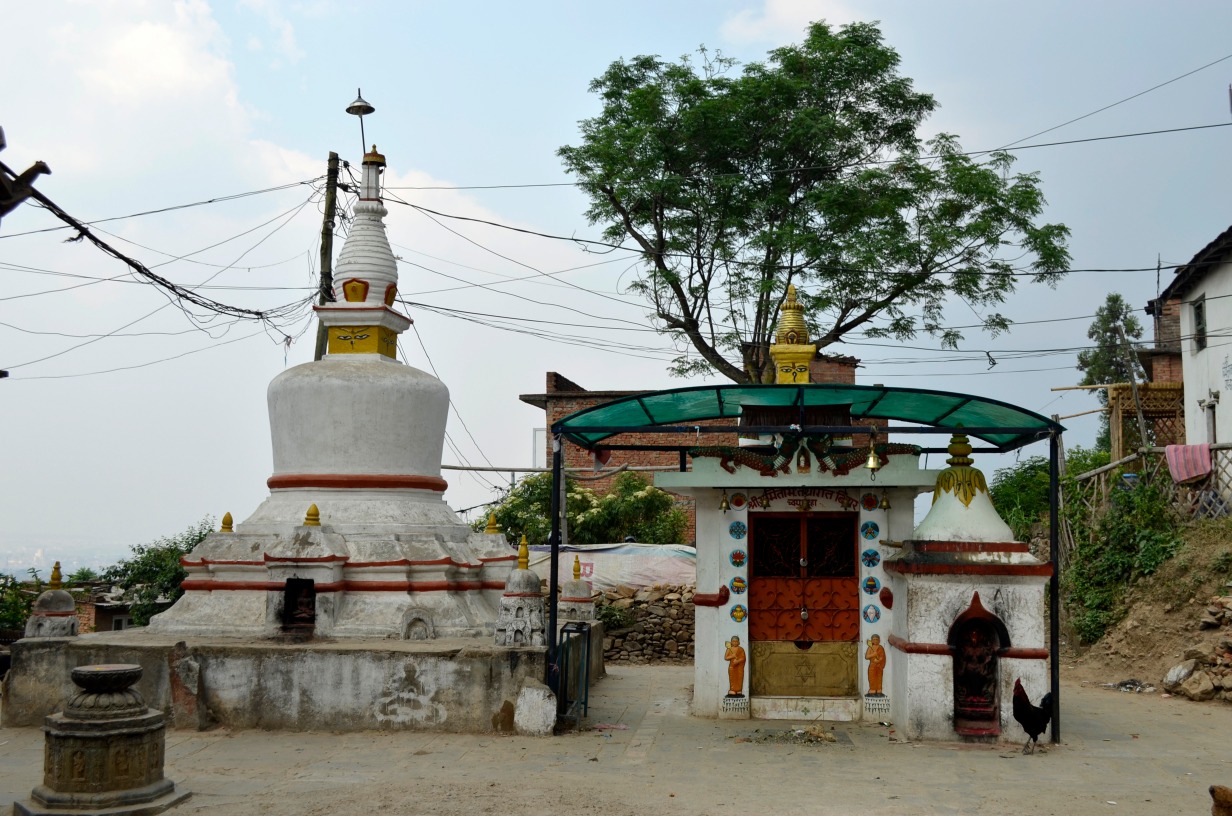
- Active Buddhist site with stupas and prayer flags
- Diverse wildlife and exceptionally rich birdlife
- Marked trail accessible from the capital
History and naming
The hill takes its name from the saint Mahasiddhas Nagarjun, who is said to have meditated in a cave on the slope. Local tradition also associates the site with his disciple, sometimes called the Buffalo Buddha in popular accounts. Each year the hill hosts festivals commemorating the Buddha's birth, drawing pilgrims and valley residents together.
As for protection, the Shivapuri area was classified in 1976 as a protected watershed and nature reserve, given its role in supplying water to Kathmandu Valley. National park status was granted in 2002, initially covering 144 km². In 2009, the Nagarjun Forest Reserve was incorporated into the larger reserve, which has since borne the official name Shivapuri-Nagarjun National Park.
What to see and do
The Jamacho Summit
The highest point, known as Jamacho, hosts a Buddhist stupa surrounded by prayer flags. On clear days the view extends to Manaslu (8,163 m), Ganesh Himal and the Langtang range. An observation tower offers elevation above the forest canopy.
Meditation caves
The trail passes near the cave attributed to the saint Nagarjun and that associated with his disciple. These places remain frequented by Buddhist practitioners and form important waypoints on the walk.
The former royal summer palace
On the slope, ruins of the summer palace used by Nepal's royal family testify to the site's use before its designation as a protected area.
Fauna and flora
The park shelters several elusive large mammals: Indian leopard, spotted-necked otter, Himalayan black bear. Ornithologists have recorded over 318 bird species here, among them the Golden Eagle, Red-billed Owlet and Bay-headed Bee-eater. Forests blend rhododendrons, pines and oaks according to elevation.
Practical information
- Summit elevation: 2,128 metres
- Access: paid national park entry, modest rate for foreign visitors (payable at Phulbari or Budhanilkantha entrance)
- Walking time: allow 4 to 6 hours return depending on pace and route chosen
- Elevation gain: approximately 800 metres from the lowest entrance
- Level: hike suitable for walkers in good physical condition
Bring water, snacks, hiking shoes and an extra layer for the summit, which is noticeably cooler than the valley. Trails are marked but lightly used on weekdays.
When to go
The climate shifts between subtropical and temperate influences. In winter, temperatures range from 2 to 17 °C; in summer, from 19 to 30 °C. The monsoon brings most precipitation, averaging 1,400 mm between May and September, when trails become slippery and visibility limited.
October and November offer the best conditions: generally clear skies, mild temperatures and excellent visibility of the peaks. March and April, warmer months, coincide with rhododendron bloom.
How to get there
From central Kathmandu or Thamel, allow roughly 30 to 45 minutes' drive depending on traffic. The main access is via the Phulbari entrance to the west. Several options are available:
- Taxi: the most direct solution, negotiate in advance for round-trip with waiting time
- Hired car with driver: convenient for combining with other valley sites
- Local bus: connections from Kathmandu to Balaju, then short walk or taxi to the park entrance
Nearby
Nagarjun Hill pairs well with other valley attractions:
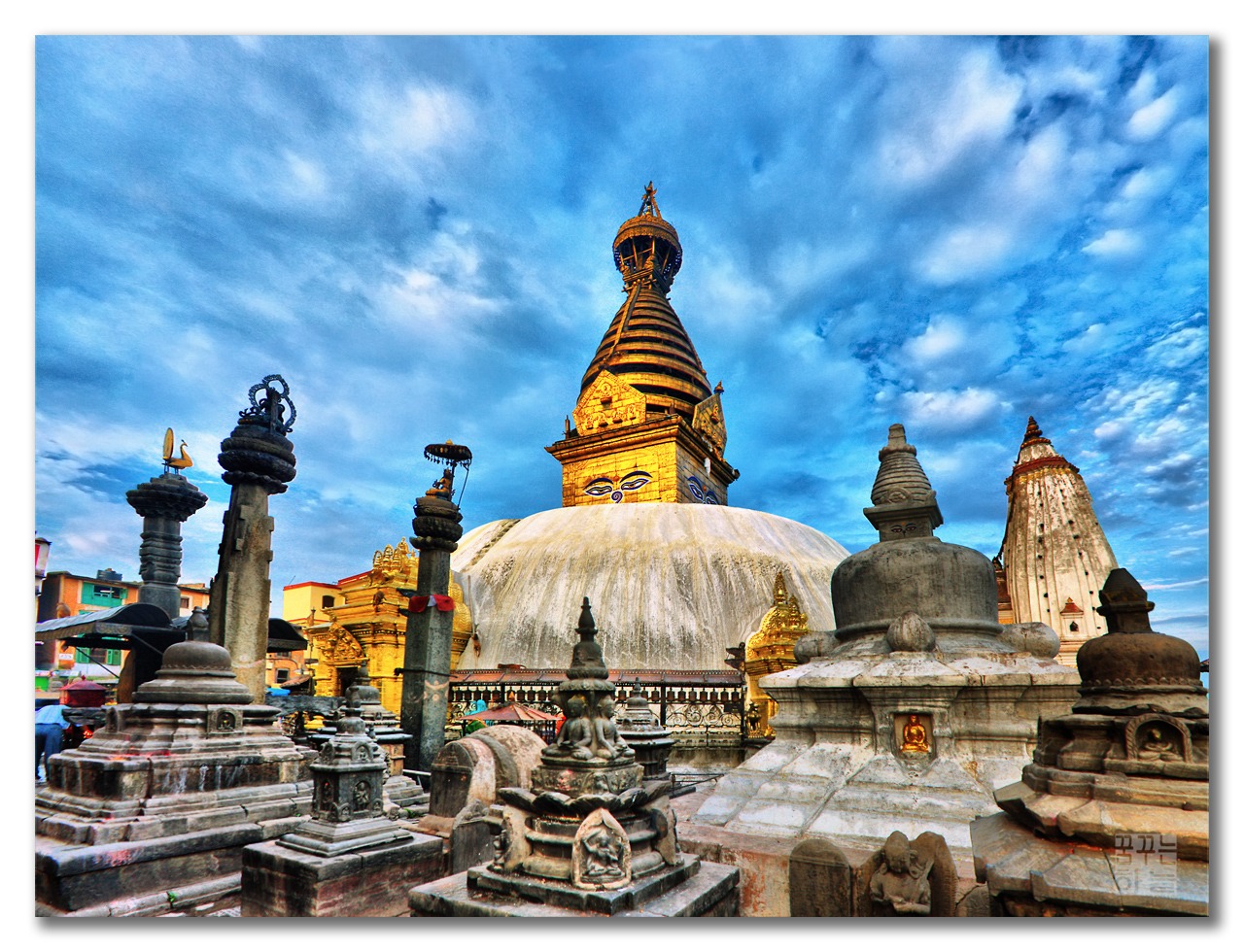
- Swayambhunath, the stupa-monastery perched west of Kathmandu
- Kirtipur, ancient Newari city to the south of the valley
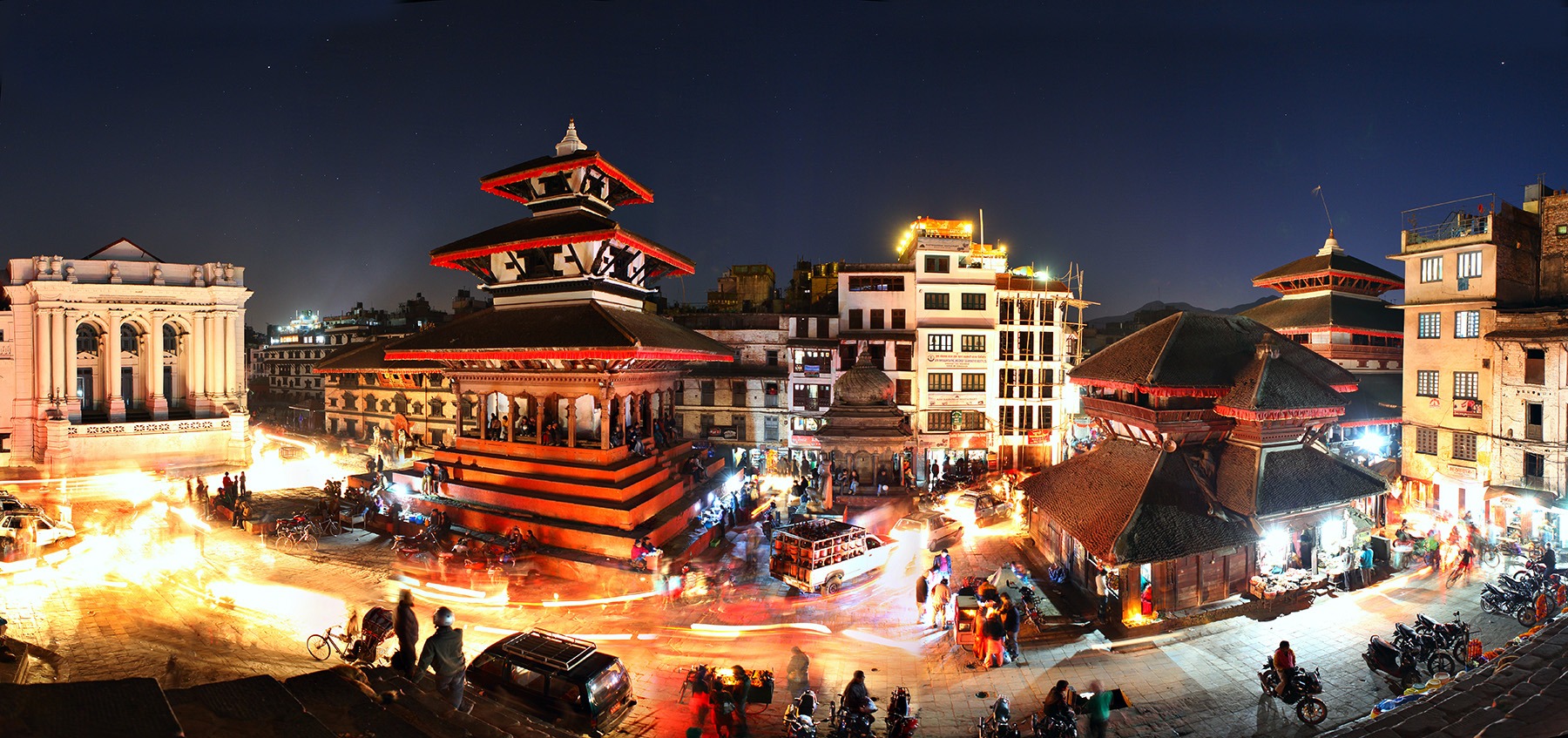
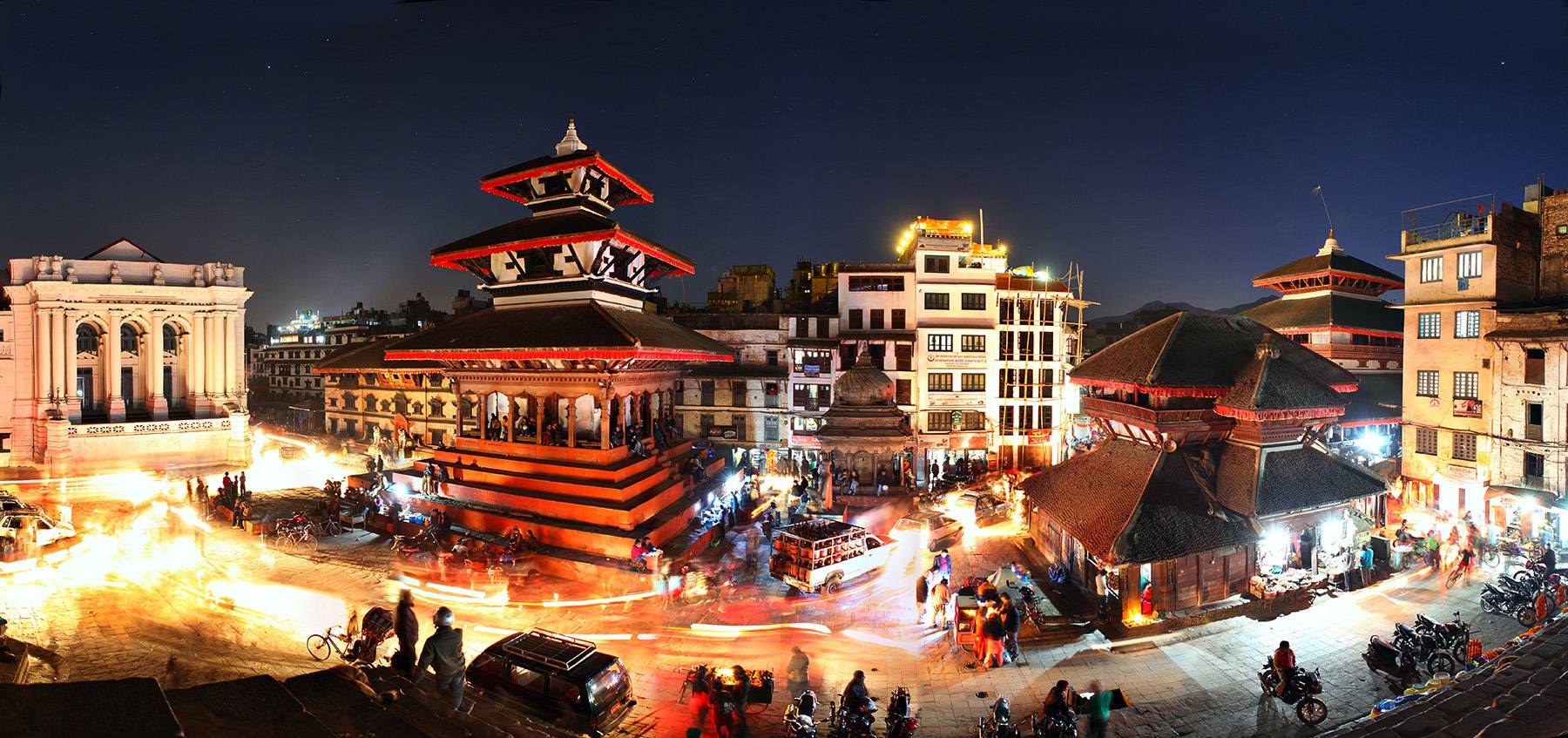
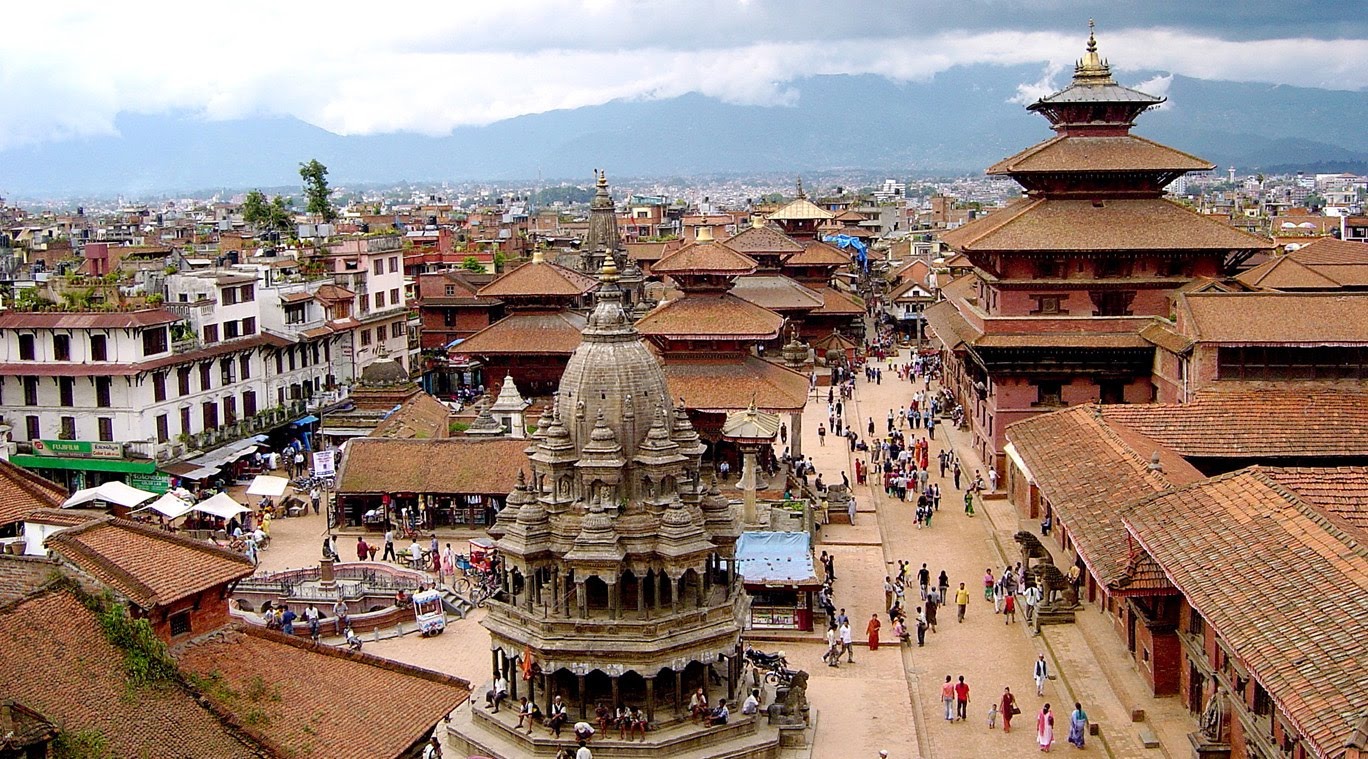
- Kathmandu and its historic quarters
Frequently asked questions
Frequently asked questions
To incorporate Nagarjun Hill into a full itinerary across Kathmandu Valley and beyond, explore our Nepal travel suggestions.
Nearby
Interested in this visit?
We can include it in your personalised itinerary.