Bagarchhap
Bagarchhap
On the slopes of Lamjung Himal, Bagarchhap is a key stage on the Annapurna Circuit, blending Tibetan heritage, the Diki Gompa monastery and breathtaking Himalayan panoramas.
INFORMATION:
Name: Bagarchhap**,** बगरछाप
District: Manang
Population: 544 inhabitants in 2011
Discovering the Village
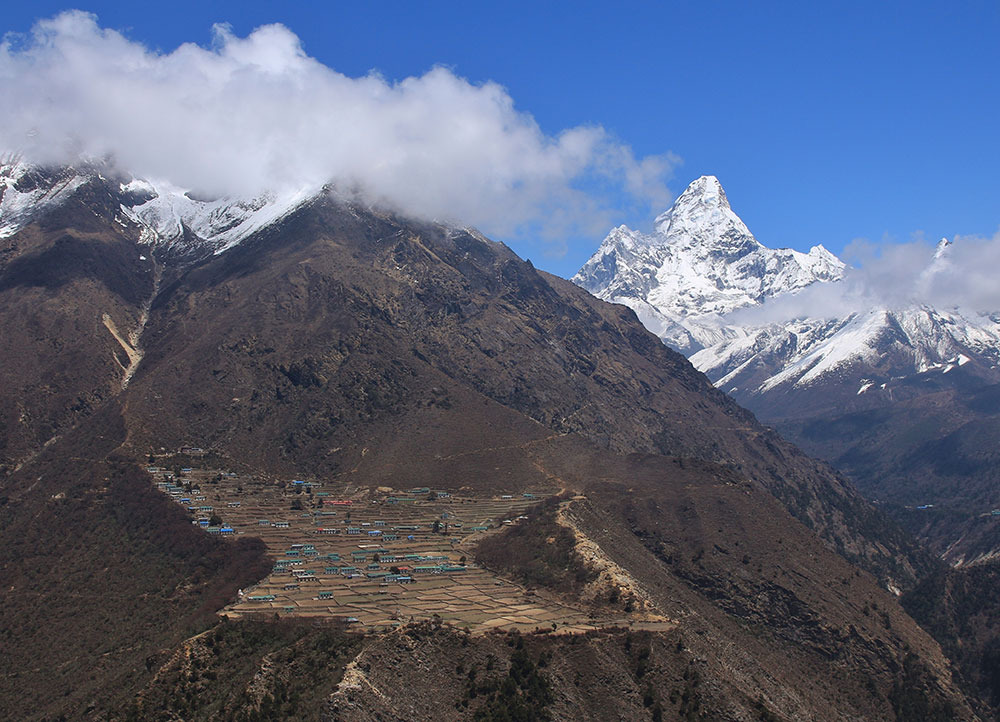
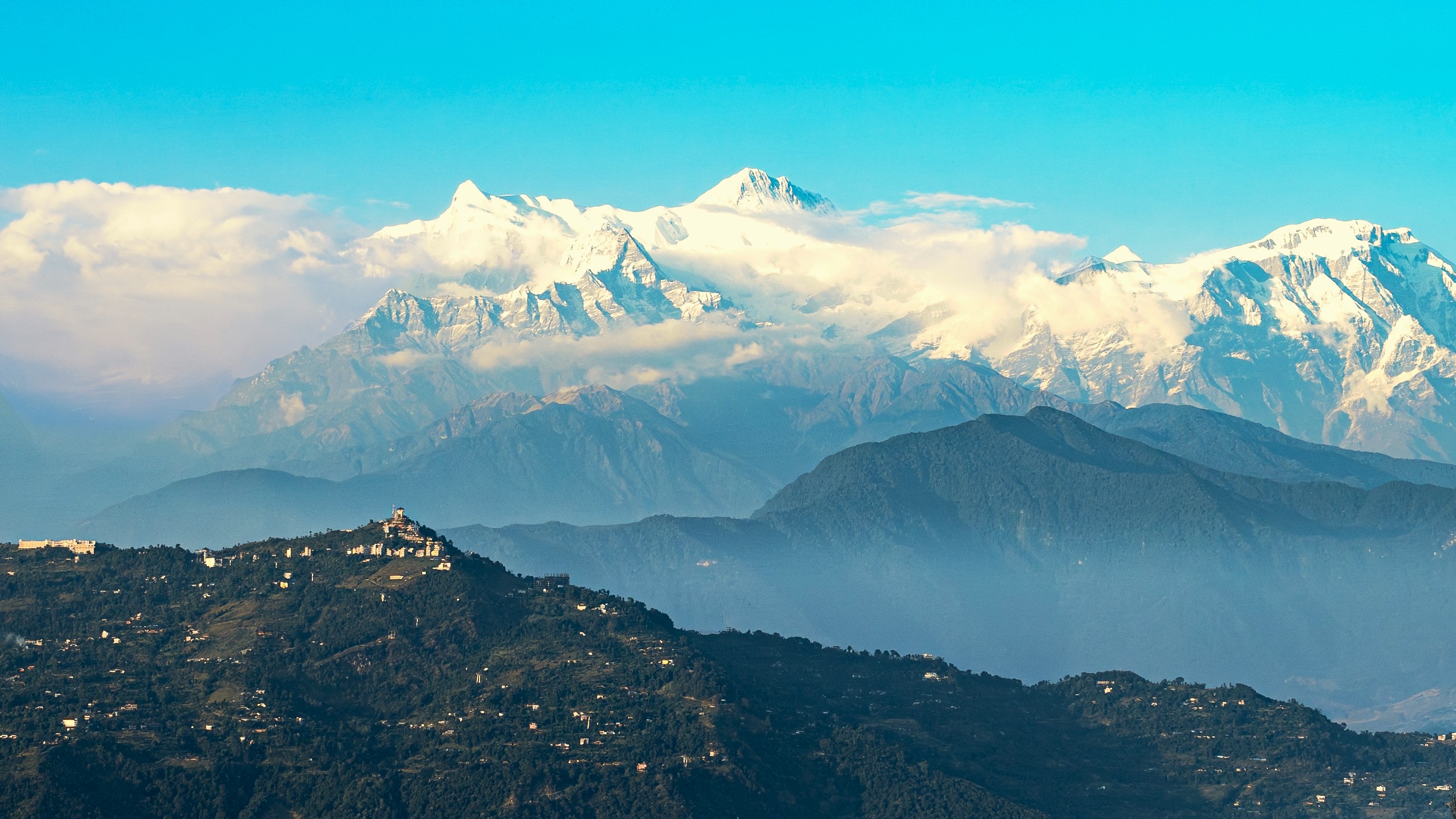
Nestled on the northern slopes of Lamjung Himal (6,983m), Bagarchhap is one of the essential stages in exploring the mountain ranges of the Annapurnas.
Perched at 2,115 meters altitude, amid pristine wilderness and a preserved natural environment, it is first and foremost these landscapes that take your breath away. In the background, snow-capped peaks glisten in the sunlight, a vast valley traversed by crystal-clear waters, and forest cover carpeting the steep flanks of a natural park that shelters the snow leopard and the Himalayan black bear—transporting you to another era, another world. At the village entrance stands a memorial to the victims of the 1995 earthquake, reminding us how this same nature can be as magnificent as it is unforgiving.
Between the Diki Gompa monastery overlooking the Marsyangdi valley, quaint houses with flat roofs and chortens symbolizing the six virtues or "paramitas," characteristic Tibetan architecture paints a portrait of peace and harmony—a spiritual reflection of Buddhism. It's on a purple-hued woven wool carpet that you finish your cup of Tchang, the traditional regional tea, before resuming your trek through a panorama as vast as it is spectacular.
Geography and Climate
Along the route from Besisahar to Chade, this small village at the entrance to the Annapurna Conservation Area sits 50 kilometers as the crow flies northeast of Pokhara, rising to 2,115 meters altitude. The climate is temperate, remarkably mild and dry in spring and autumn, with temperatures ranging between 5 and 20°C, but experiencing heavy rainfall in summer, particularly July and August.
Bagarchhap enjoys a subtropical climate that is both humid and warm, with a dry winter. The average annual temperature hovers around 18.5°C with 555.9 mm of precipitation. January is the driest month; conversely, August, during monsoon season, sees the most abundant rainfall. June is the warmest month, averaging 31°C, while January is the coldest with an average of 21°C.
Transport
You can reach Besisahar from Kathmandu by bus along a navigable mountain road.
What to Do in Bagarchhap?
- Wander among the small traditional Tibetan houses that make Bagarchhap distinctive.
- Spiritual visit to Diki Gompa.
- Stay in village lodges or those in Danaque.
- Take a stroll along the Danaque River.
- Watch the sunrise with views over Lamjung Himal.
Want to discover this destination?
Our local advisors design your tailor-made trip.