Koshi Tappu Wildlife Reserve
Koshi Tappu Wildlife Reserve
Marshes, grasslands and river channels in eastern Terai: Koshi Tappu is Nepal's confidential haven for birdwatchers and nature enthusiasts.
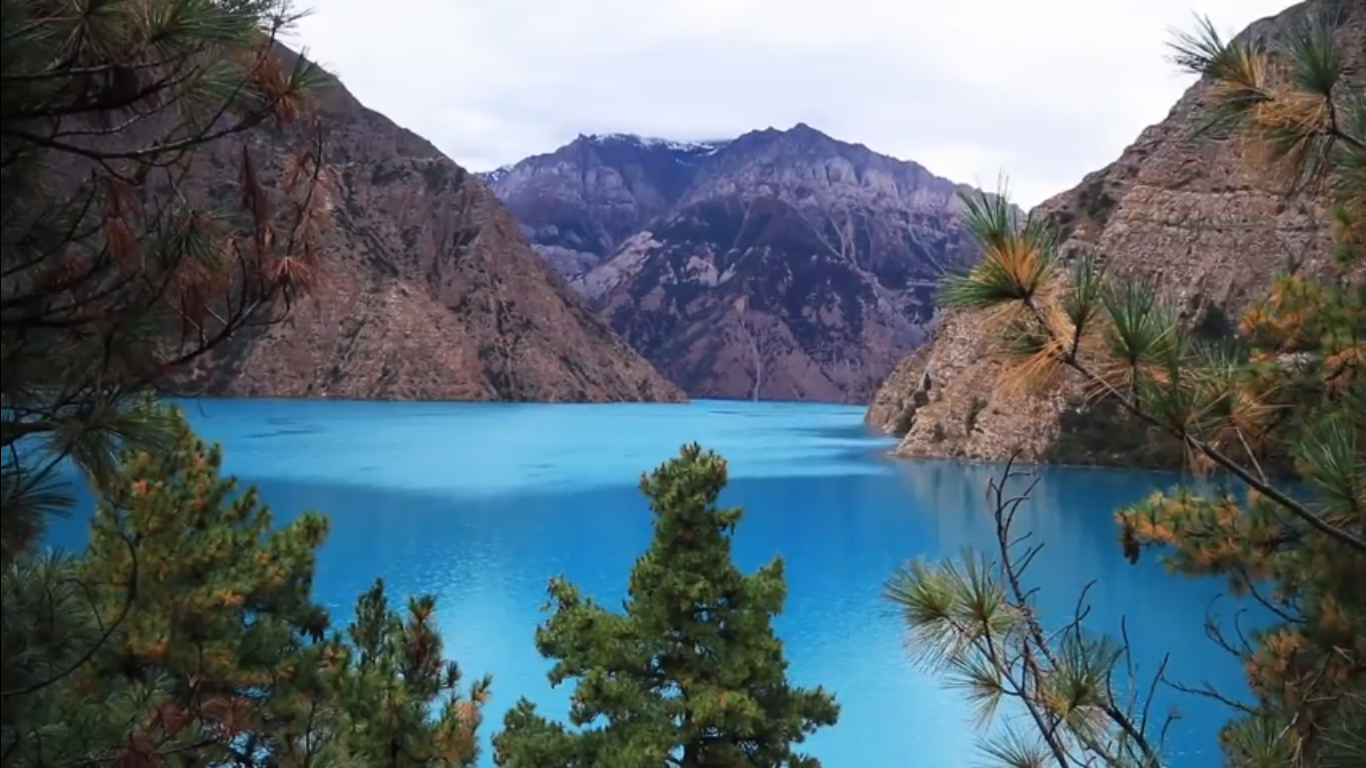
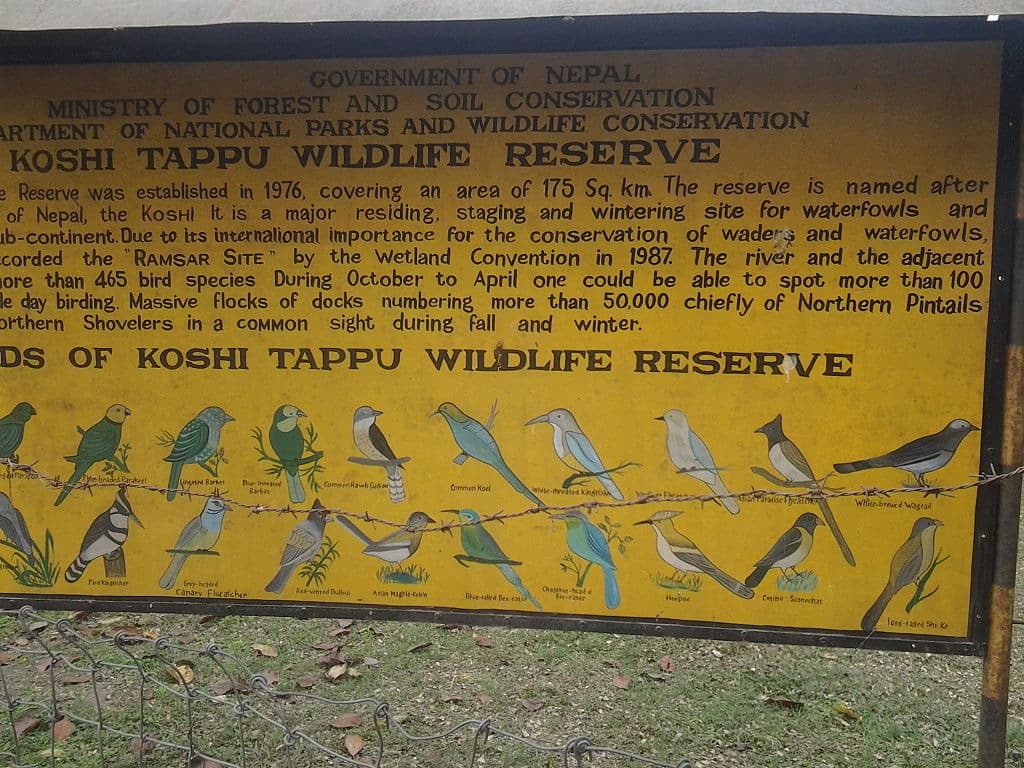
Koshi Tappu Wildlife Reserve sits in southeastern Népal near the border with India. This state-protected territory spans 175 km² and is home to numerous animal and plant species facing extinction. The reserve shelters many migratory bird species that delight ornithologists from around the globe. Visiting Koshi Tappu reserve will be a truly memorable discovery during your stay in Népal.
History
The reserve was established in 1976 to protect the small islands of Phanta and Tappu in the plains near the Sapt Kosi river. During 1997 and 1998, a study was undertaken to demarcate the reserve's boundaries with the resident population. In fact, conflicts existed between local communities and wildlife, particularly with water buffalo and wild boar that destroyed and plundered crops. The government decided to protect the zone and forbade inhabitants from exploiting the forest, poaching, and fishing within the site. The Koshi Dam and the entire reserve were designated as protected areas.
Visiting Koshi Tappu Reserve
Koshi Tappu Wildlife Reserve covers an area of 175 km² and comprises marshland as well as several grasslands. Koshi Tappu literally translates as "river islands." A true kingdom for nature and wildlife lovers, it harbors 493 bird species and numerous other animals, some of which are endangered.
Fauna and Flora
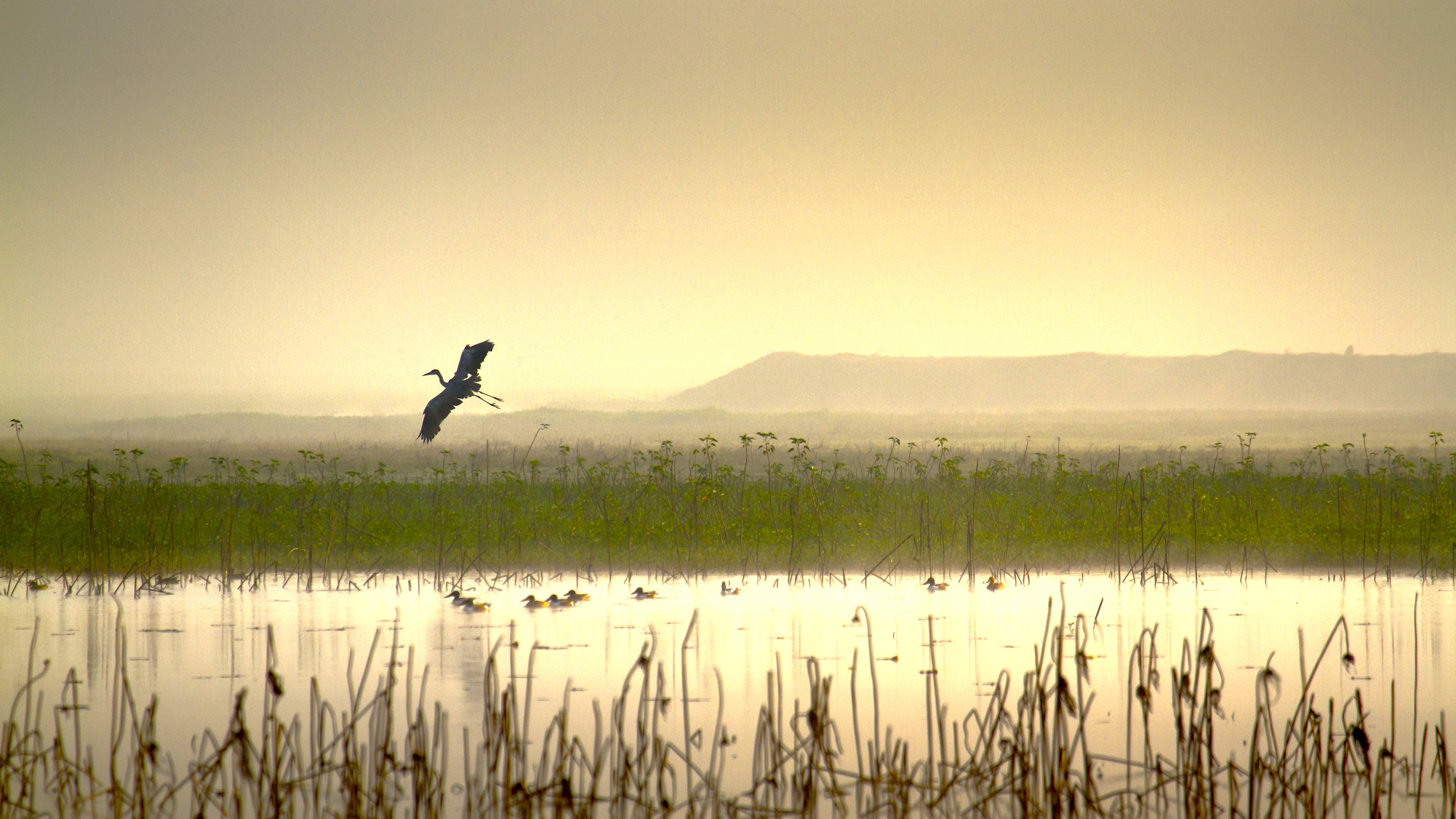
The site is a genuine sanctuary for wildlife and consequently attracts many nature-passionate travelers. A paradise for ornithologists, the reserve is home to several endemic bird species such as the Bengal Florican, the Bengal Bustard, and the Sarus Crane. From November to February, it's possible to observe migratory birds arriving from Siberia and Tibet. Beyond birds, Koshi Tappu is also a reserve for mammals. Nearly 159 water buffalo have been recorded, a figure sadly in decline. Deer, golden jackals, and even elephants have also been identified. The lucky few may spot Ganges dolphins near the Koshi Dam. The reserve's waterways and ponds contain approximately 200 fish species. Two toad species, nine frog species, six lizard species, five snake species, and eleven turtle species have been documented. You may also observe Gharial crocodiles, which contribute to Nepal's wildlife fame. A truly wild safari awaits you at Koshi Tappu. As for flora, the reserve has several patches of high-grass grasslands occupying 68% of the space. In some parts of Koshi Tappu, you'll also find scrub forests known as Khair-Sissoo. Approximately 514 plant species have been recorded, such as kapok, sugarcane, reeds, cattails, and water lilies.
Climate
Koshi Tappu Reserve features three distinct seasons. From February to May is the summer season. During this period, temperatures reach their peak at around 40°C, and rainfall is relatively low. The monsoon arrives in late May and lasts until September. During this season, weather is stormy and rainfall is very frequent. In winter, from October through January, the sky is generally clear most days, though temperatures are cold.
Best Times to Visit the Park:
The reserve can be visited year-round, but it's advisable to avoid the monsoon period. Winter is an excellent option to enjoy and observe thousands of migratory birds.
To reach the park, you can take buses from Katmandu to Kakarbhitta and Biratnagar. You'll then get off at Jamuha station, 4 km from Laukhi, and walk approximately 2.5 km to reach the site in the Kusaha Sunsari district.
Entry Fees:
There are entry fees for SAARC nationals and foreign visitors at Koshi Tappu Wildlife Reserve. Fees vary depending on your visit: from 50 to 1,000 NPR per person.
Want to discover this destination?
Our local advisors design your tailor-made trip.