Gorak Shep
Gorak Shep
At 5,164 m, Gorak Shep is the ultimate gateway to Everest Base Camp and the sweeping vistas of Kala Patthar. Our complete guide to planning your trek.
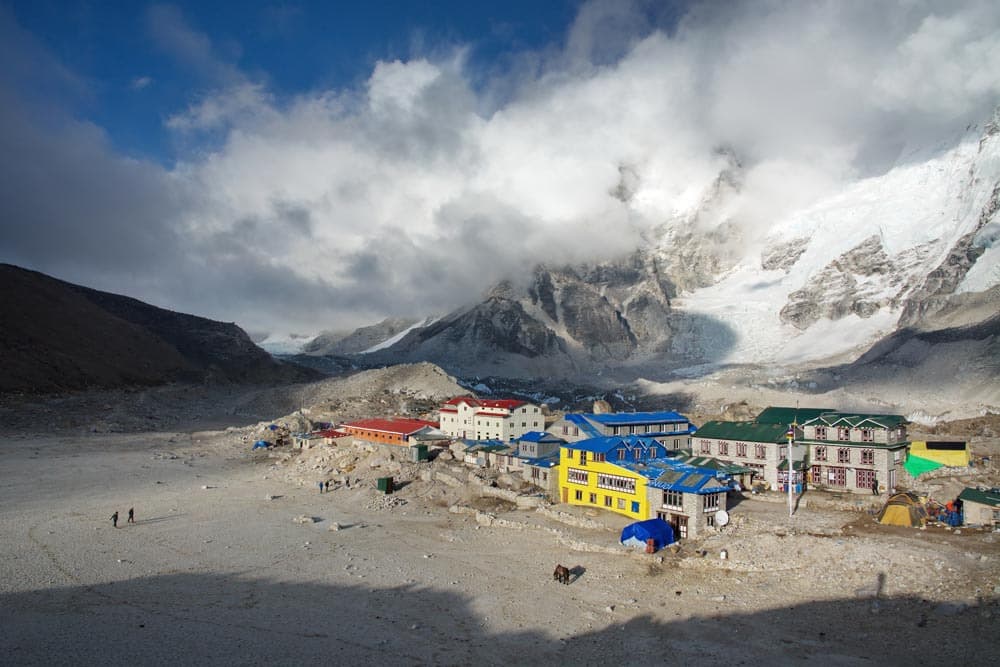
Gorak Shep is a remarkable natural formation. It is the bed of an ancient frozen lake that has been buried beneath sand over the centuries. The site lies in the heart of the Sagarmatha National Park, in the land of the Sherpas. More precisely, it sits at 5,164 meters altitude, near Mount Everest.
Discovering Gorak Shep
Visiting this site ranks among the most sought-after treks for travelers coming to Nepal. The location offers a vast open expanse where trekkers can camp and enjoy high-speed internet connectivity via satellite.
Gorak Shep is also one of the final stages before reaching Everest Base Camp.
The former lake bed of Gorak Shep has transformed into a sprawling sandy plateau, flanked by the immense Khumbu Glacier.
As for wildlife, you may spot yaks and various high-altitude bird species. Flora is sparse, with only a few trees scattered among the glacial moraines.
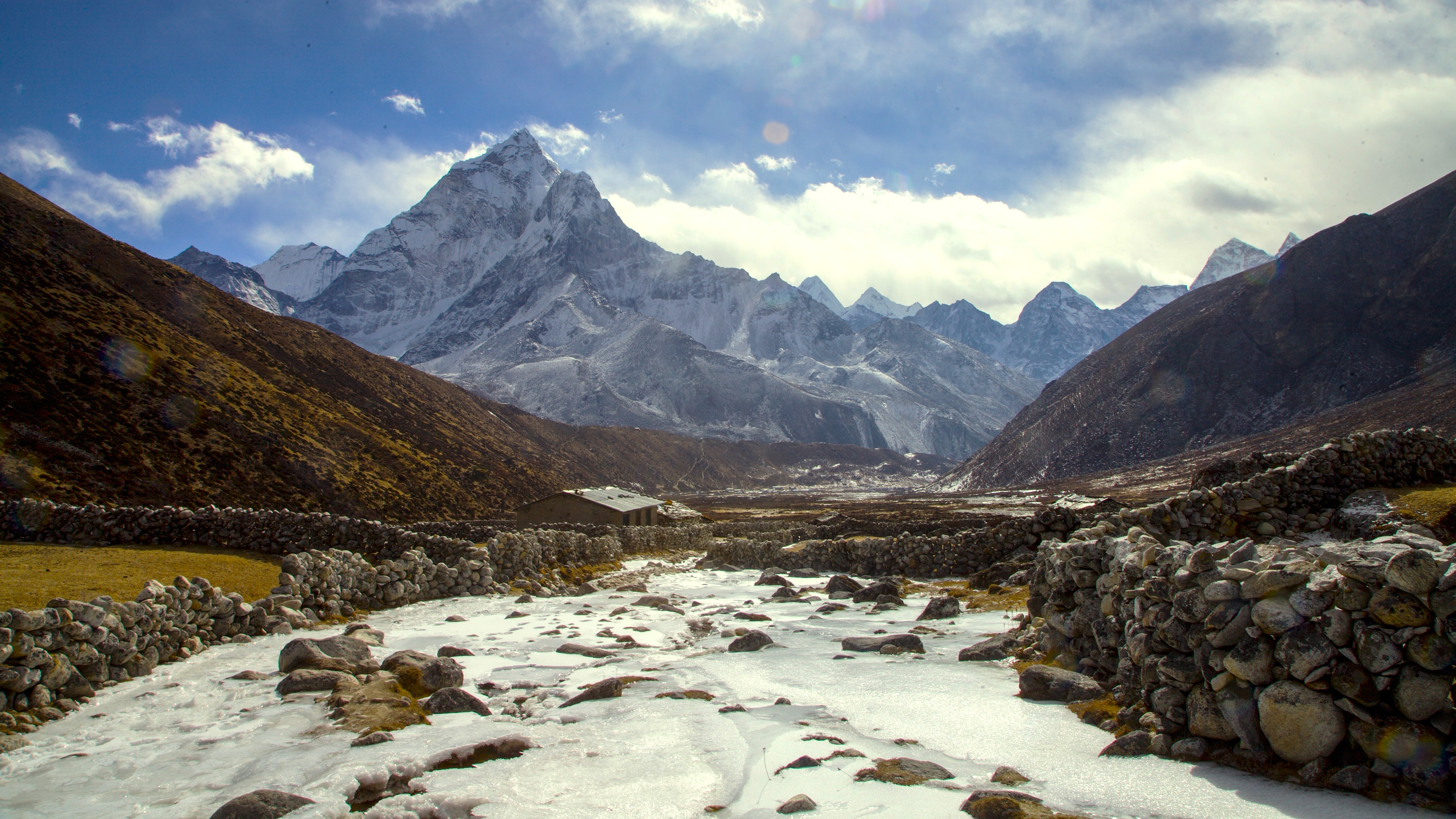
The landscape of Gorak Shep is typically blanketed in snow and dust.
Trekking to Gorak Shep
The trek to Gorak Shep is relatively straightforward and suits any trekker in good physical condition with reasonable altitude adaptation. Modern equipment is readily available for the journey nowadays.
The trek draws increasing numbers of trekkers from around the world each year. Even if your goal isn't to summit Everest as some have done, you can still celebrate having had the chance to trek at the foot of the world's highest mountain, and the landscape alone is reward enough.
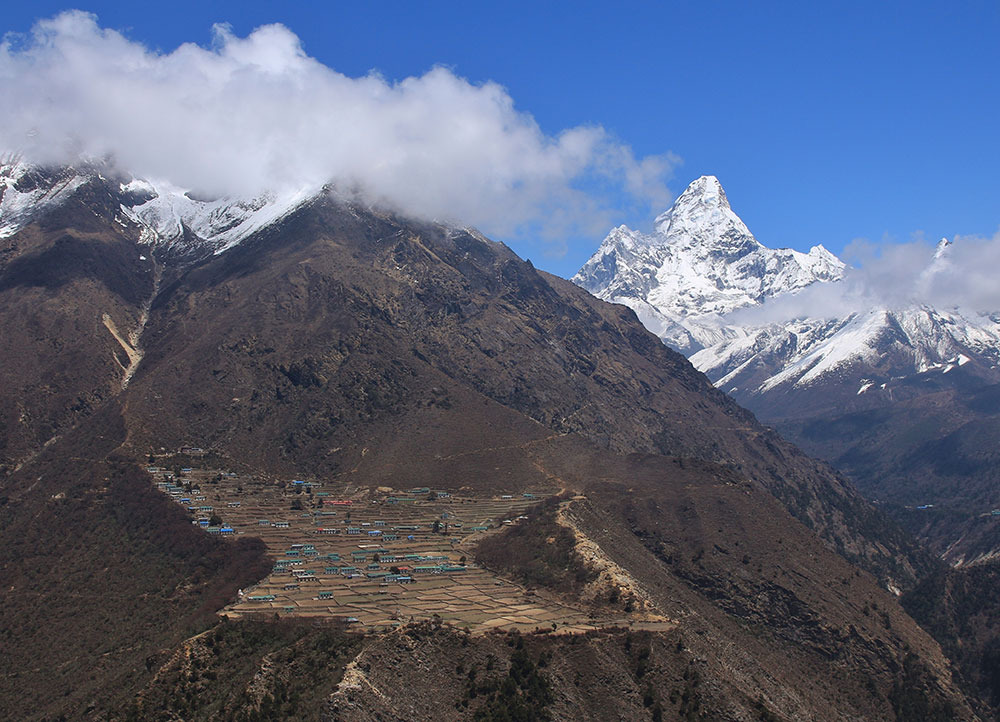
The trek itinerary is itself an adventure through Sherpa country, departing from Lukla to Namche Bazaar, Tengboche, Pangboche, Dingboche, Lobuche, and finally arriving at Gorak Shep. Climbers settle in at Gorak Shep to acclimatize to the altitude before heading toward Everest.
Best Seasons for Trekking to Gorak Shep
The ideal times for trekking in this region, like much of Nepal, are spring and autumn. Peak season falls in October and November, when you'll enjoy clear skies and pleasant weather. Alternatively, you can trek in spring between April and May. During this period, you'll appreciate the stunning landscape adorned by rhododendron forests and an abundance of wildlife along the trail.
Want to discover this destination?
Our local advisors design your tailor-made trip.