Thamel
Thamel
Thamel, Kathmandu's historic district and Nepal's trekking hub: equipment, accommodation, restaurants and access all in one place.
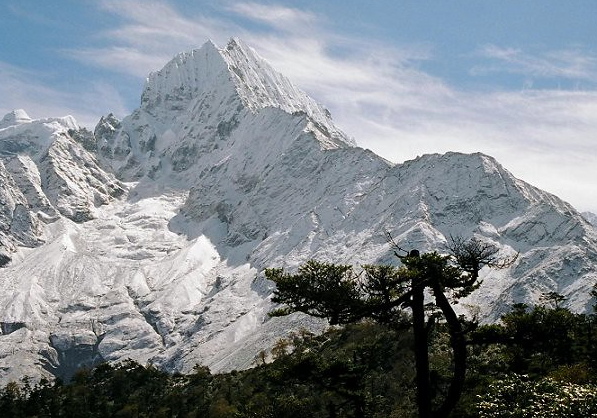
Thamel is the historic tourist district of Kathmandu, capital of Nepal. Packed with hotels, trekking shops, restaurants and travel agencies, it serves as a gathering point for trekkers and mountaineers before and after their expeditions into the Himalayas. Its nickname, the "Mecca of Trekkers," sums up its purpose: everything related to high-altitude mountaineering is found here, from topographic maps to down jackets.
Why visit Thamel
Thamel concentrates the essentials of Kathmandu's tourist infrastructure within just a few city blocks. Travelers will find trekking gear (new or secondhand), diverse dining options blending Nepali and international cuisine, as well as agencies to organize departures to the Annapurna or Langtang. It's also an ancient quarter with narrow streets lined by Newari buildings, offering an accessible gateway to the urban culture of the Kathmandu Valley.
History
Thamel is one of Kathmandu's oldest quarters, but its tourist vocation dates back to the 1970s, when backpackers and early Western trekkers made it their neighborhood of choice. The boom in Himalayan expeditions later transformed it into the hub of adventure tourism in Nepal.
The March 2015 earthquake caused significant damage to the district: several traditional buildings and religious sites were destroyed or severely damaged. Reconstruction allowed Thamel to regain its vitality, though some historic structures have permanently vanished from the landscape.
What to see and do in Thamel
Trekking shops
A large share of Thamel's commercial activity revolves around mountaineering: down jackets, sleeping bags, footwear, trekking poles, headlamps, maps and guidebooks. You'll find both major international brands and local copies, new or secondhand. Negotiation is customary for most purchases.
Newari architecture
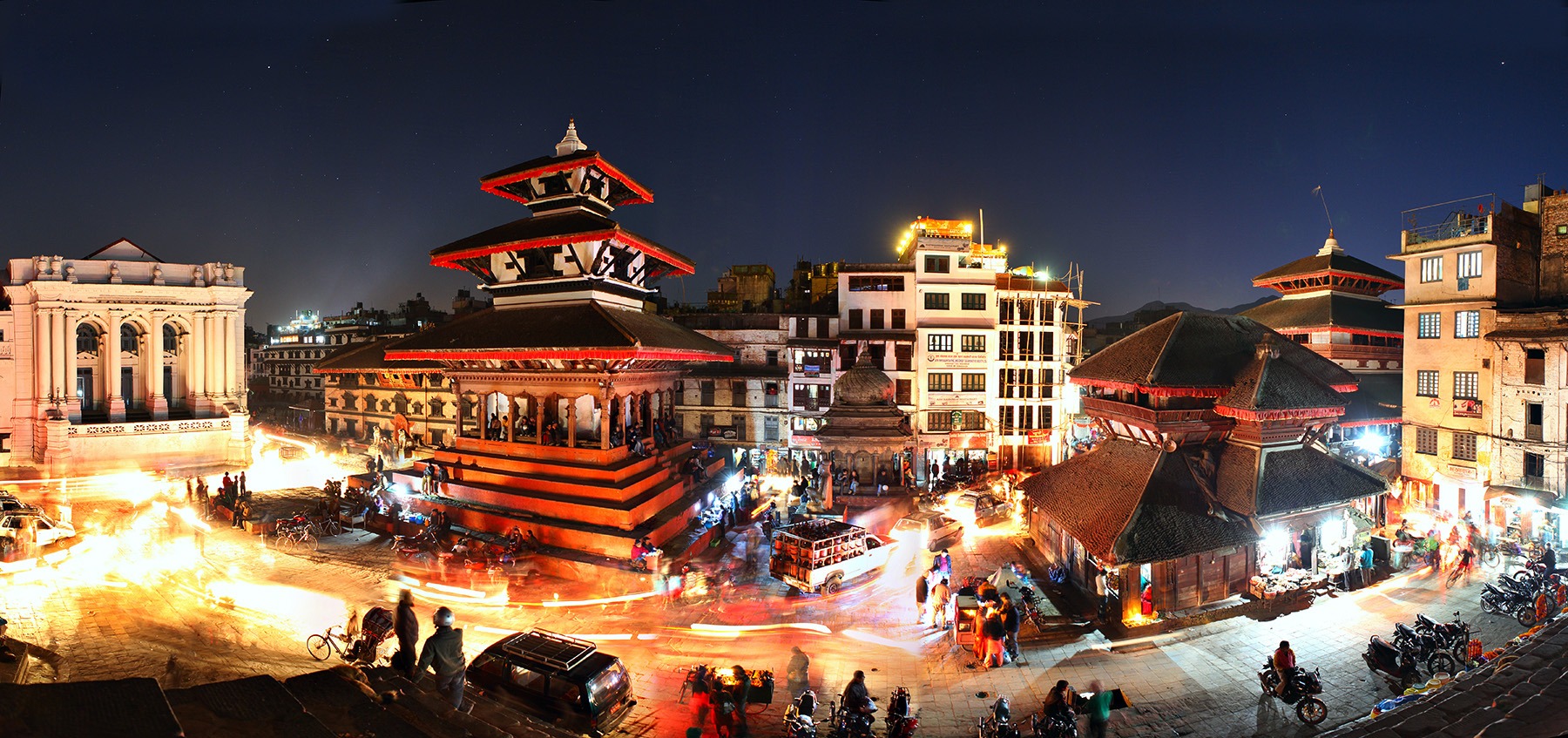
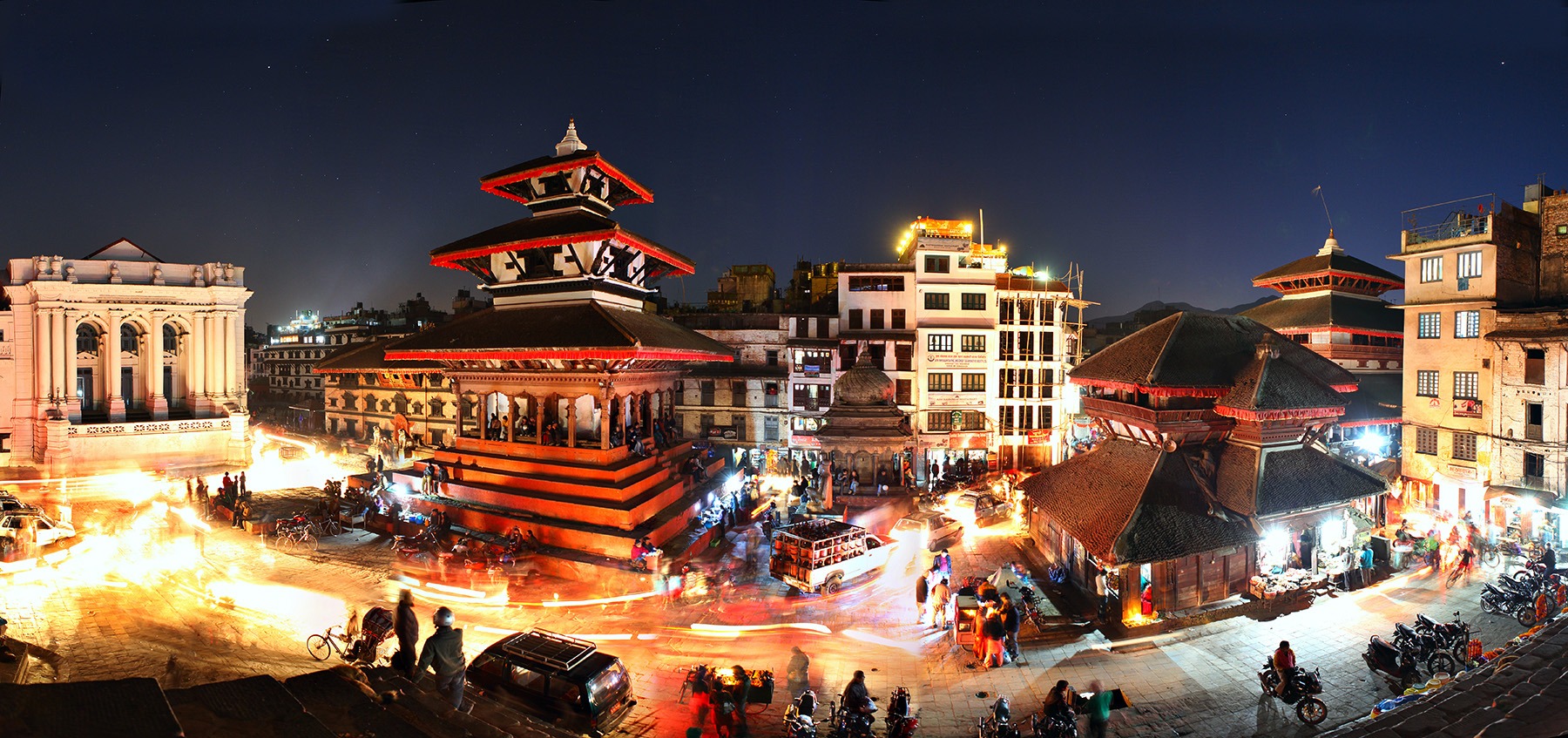
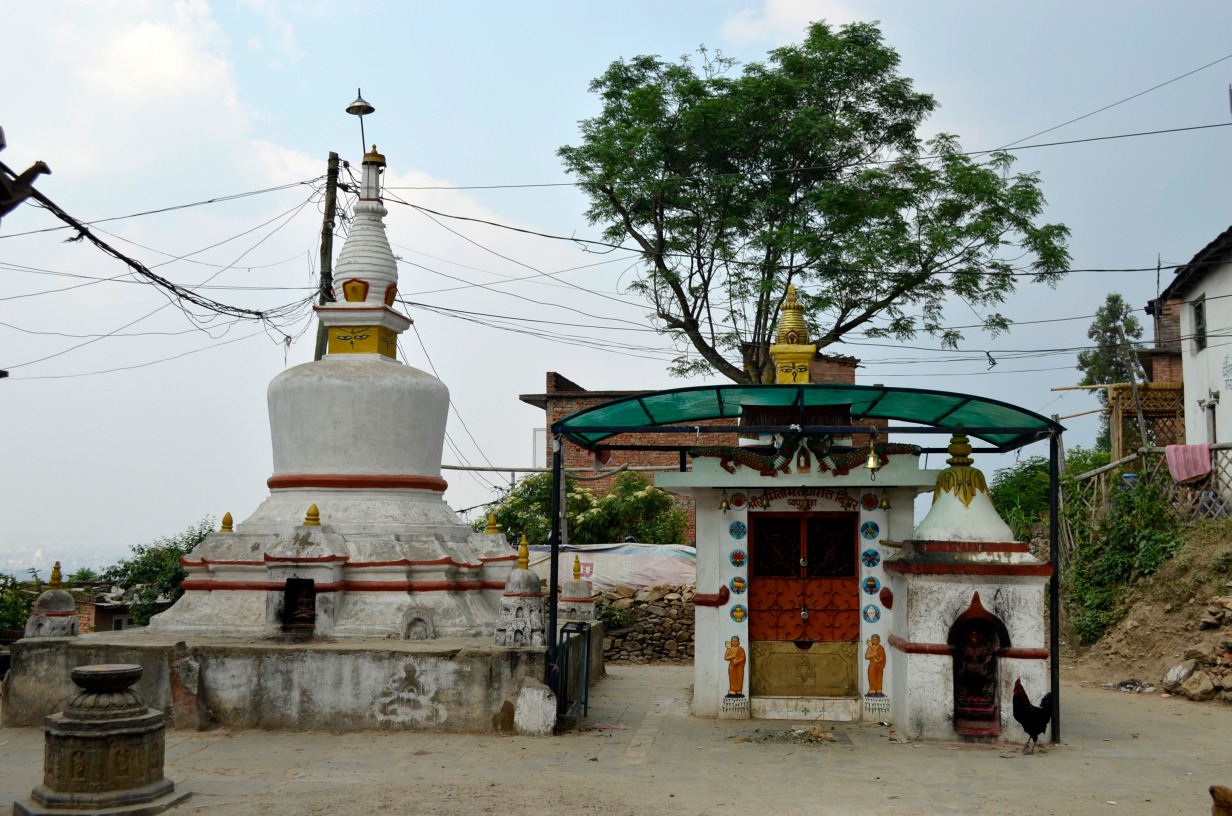
Red brick facades, intricately carved wooden windows and small roadside shrines bear witness to the Newari architectural style unique to the Kathmandu Valley. Looking beyond the shop signs, you'll discover traditional ornaments that made local artisans famous.
Bookshops and stationery stores
Several independent bookshops stock works in English, French and other European languages: trekking guides, books on Hinduism and Buddhism, detailed maps of mountain ranges, Nepali language manuals. It's one of the country's best places to prepare the rest of your journey.
Restaurants and nightlife
Dining options range from Nepali cuisine (dal bhat, momos, thukpa) to Tibetan and Indian specialties, plus Western fare for travelers in transit. Prices are higher than elsewhere in the city. A few live music bars and rooftop venues animate evenings, especially during peak season.
Practical information
- Safety: the district is generally safe during the day and early evening. Stay alert to pickpockets in crowded alleyways.
- Payment: most shops accept Nepali rupees in cash. A few ATMs are available in the district. Credit cards are sometimes accepted at hotels and restaurants, often with an added fee.
- Languages: English is widely spoken by shopkeepers, guides and hotel staff.
- Negotiation: practiced for souvenirs, equipment and tourist services. Restaurants generally display fixed prices.
When to visit Thamel
Thamel follows Nepal's trekking seasonality. The busiest periods align with the two main trekking seasons: October-November and March-April, when travelers flock before or after an expedition. The monsoon (June to September) is quieter, with accommodation prices often negotiable. Winter (December-February) remains active, though higher-altitude treks see fewer visitors.
How to get there and get around
From the airport
Thamel is about twenty minutes by taxi from Tribhuvan International Airport, depending on traffic, which can be heavy during peak hours. The fare is negotiable before departure; expect a moderate amount for a standard trip.
From the bus station
The main bus station is about 15 minutes from the district under normal conditions. A local bus station is located at Tridevi Marg, next to Ratna Park, immediately adjacent to Thamel.
Getting around the district
Driving is not well-suited here: the alleys are narrow and often congested. Walking is by far the most practical way to get around. For longer distances, you can negotiate a rickshaw, a pulled cart, or hail a taxi from the edge of the district. Motorcycle and bicycle rentals are also available.
Nearby attractions
- Kathmandu Durbar Square: the former royal plaza, about 15 minutes' walk to the south.
- Pashupatinath: major Hindu temple on the banks of the Bagmati River, accessible by taxi.
- Patan Durbar Square: remarkable Newari complex in the neighboring city of Patan.
- Kirtipur: traditional Newari town in the southern heights of the valley.
Frequently asked questions
Frequently asked questions
To incorporate Thamel and the Kathmandu Valley into a broader journey, explore our Nepal itineraries.
Nearby
Interested in this visit?
We can include it in your personalised itinerary.