Mount Dhaulagiri
Mount Dhaulagiri
The world's seventh summit at 8,167 m, Dhaulagiri is crossed via expedition trek from Pokhara, via French Pass or Thapa Peak.
The world's seventh-highest summit at 8,167 metres, Mount Dhaulagiri rises its snow-capped silhouette to the west of the Annapurna massif, in central-western Népal. Its name, derived from the Sanskrit Dhavali giri, means "white mountain" and perfectly captures the appearance of this Himalayan giant with its sinuous ridges and suspended glaciers. For trekkers and mountaineers, it represents one of the country's most demanding challenges, accessible from Pokhara via two distinct approach routes.
Why visit Mount Dhaulagiri
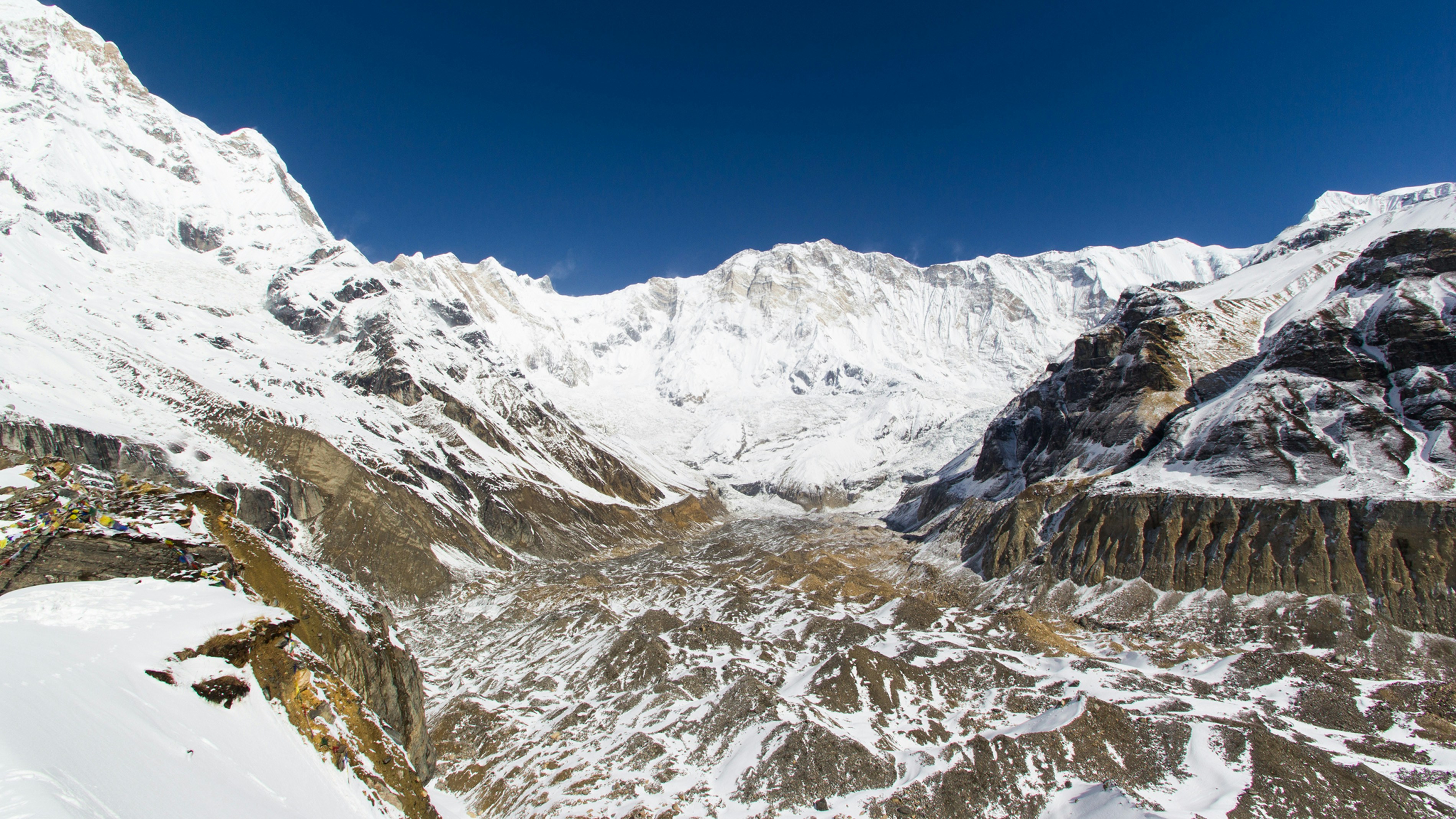
Dhaulagiri attracts experienced hikers seeking a wilder, more confidential experience than the classic Annapurna or Everest circuits. A sense of isolation is pronounced here: few villages, few lodges, many glaciers. The visual reward lies in the verticality of the landscape, where the main summit and its secondary peaks form a continuous ridge of approximately 120 kilometres, from the Kali Gandaki to the east to the Bheri River to the west.
Another appeal of the area lies in its proximity to Annapurna I, whose peak stands only 34 kilometres from Dhaulagiri I. The two 8,000-metre peaks are separated by the Kali Gandaki gorge, considered one of the world's deepest valleys when measuring the elevation drop between the river bed and surrounding summits.
History and exploration
The massif was spotted by European observers as early as 1808, a time when Népal remained closed to foreigners. For over a century, the mountain was known only from a distance. In 1949, Swiss geologist Arnold Heim flew over and photographed Dhaulagiri, providing the first detailed aerial images of the massif.
Népal's opening to foreign expeditions in 1950 marked the beginning of summit attempts. The peak was finally reached for the first time in 1960 by a Swiss expedition. Since then, the mountain has established itself as a serious but feared objective: approximately 360 successful ascents were recorded by 2007, for 58 deaths, making it statistically one of the most dangerous 8,000-metre peaks.
What to see and do
The structure of the massif
Dhaulagiri is not an isolated summit but a collection of peaks. The main ridge aligns five numbered summits from east to west, four of which exceed 7,500 metres. In addition to these five high points are three summits named Churen Himal, at the western extremity. Together, they form a continuous glacial barrier, punctuated by seracs and active moraines.
The Dhaulagiri Circuit trek
For non-mountaineering hikers, the Dhaulagiri Circuit is the most popular option. Plan for 18 to 21 days of trekking from Pokhara, with two main approach routes to base camp:
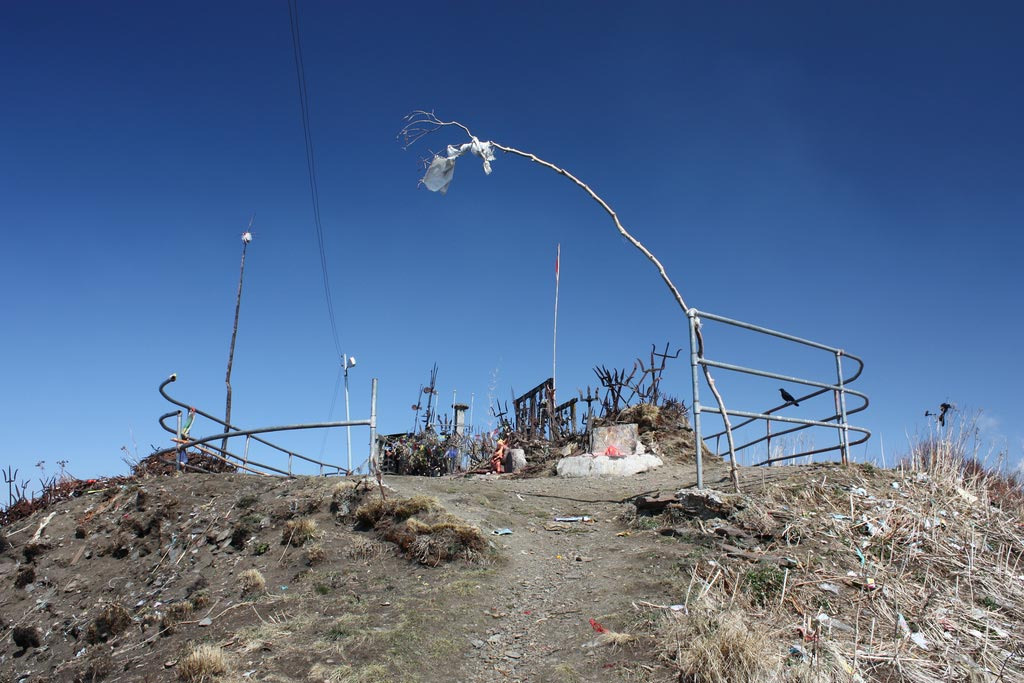
- French Pass (5,360 m): less frequented, more challenging route that crosses terraced valleys before giving way to high mountain terrain amid glaciers. Views of Dhaulagiri's north face are spectacular here.
- Thapa Peak (Dhampus Pass, 5,244 m): more progressive approach, considered technically more accessible. The route offers sweeping panoramas over surrounding Himalayan peaks and traverses moraine fields at length.
Both variants can be combined on a complete itinerary, which involves glacier traversing and the use of light mountaineering equipment (crampons, ice axe, rope).
When to go
Two weather windows suit the trek:
- Pre-monsoon (April-May): milder temperatures at altitude, rhododendrons in flower on lower slopes, though visibility is sometimes reduced by late afternoon haze.
- Post-monsoon (October-November): the most stable period, with clear skies and good snow conditions on the passes.
Winter (December-February) remains possible for very experienced teams, but snow often blocks the passes. Monsoon (June-September) is best avoided: slippery trails, rockfall risk and virtually no visibility.
Practical information
- Difficulty: expedition-grade trek, classified as demanding. Good high-altitude experience required and careful acclimatization essential.
- Permits: Dhaulagiri restricted area permit and TIMS card mandatory, to be arranged from Kathmandu or Pokhara via an authorized agency.
- Guidance: crossing the passes and base camp is undertaken only with English-speaking guides and porters equipped for glacier work.
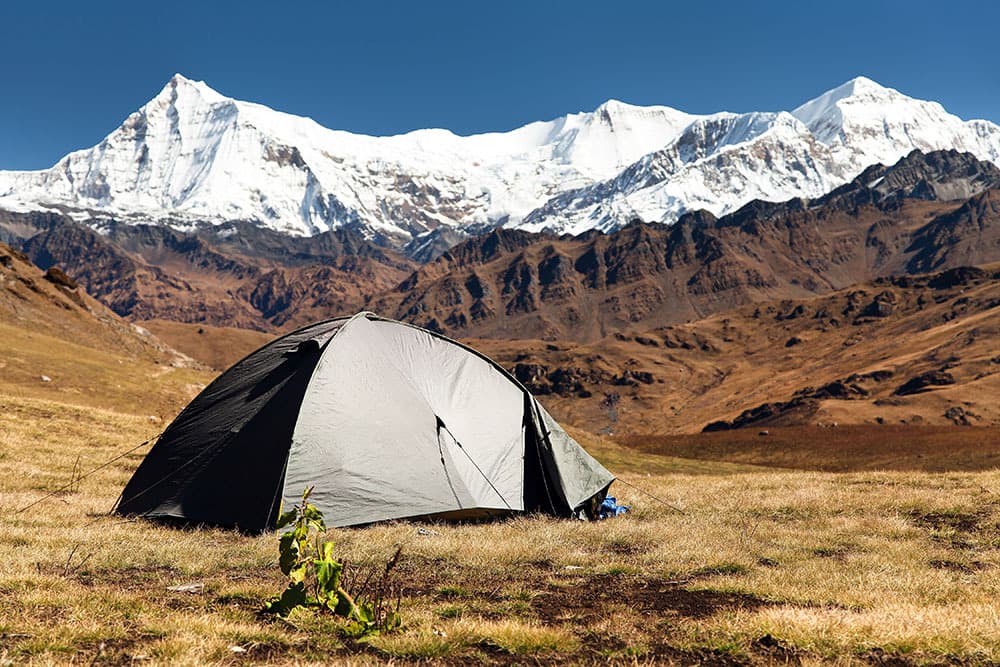
- Accommodation: lodges for the first days, then tent camping from higher villages onwards. Bring a sleeping bag suited to below-freezing temperatures.
How to get there
The logistical starting point is Pokhara, approximately 200 km west of Kathmandu. The bus journey from the capital takes 6 to 8 hours depending on road conditions, while an internal flight of about 30 minutes is the faster alternative. From Pokhara, one reaches by vehicle the village of Beni, then Darbang, the actual starting points for the trek to Dhaulagiri base camp.
What to see in the region
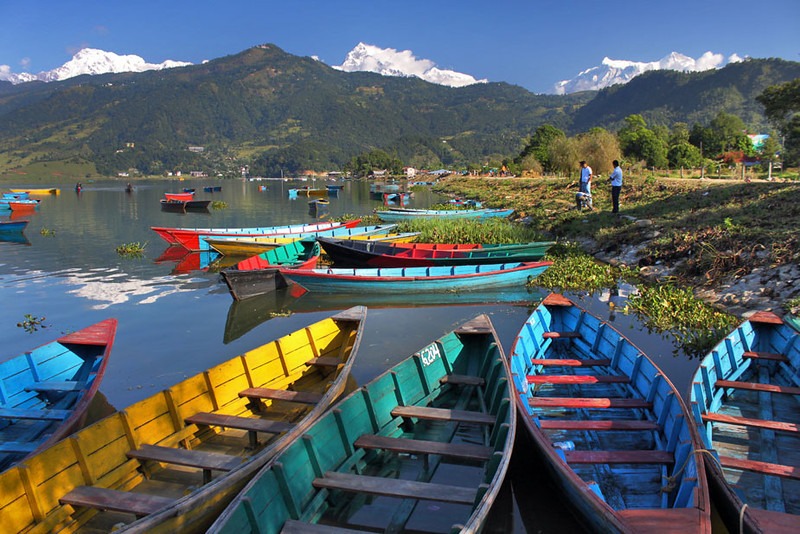
If you extend your stay in Pokhara before or after the trek, several sites pleasantly complement the itinerary:
- Begnas Lake, off the beaten tourist trail, for a peaceful day by the water.
- Swayambhunath in Kathmandu, a must-see during a stopover in the capital.
- Kirtipur, an ancient Newar city perched above the Kathmandu valley.
Frequently asked questions
Frequently asked questions
Planning your trip
Dhaulagiri fits into a broader Népal journey, between the Kathmandu valley, Pokhara lakes and high Himalayan valleys. To tailor an itinerary incorporating this altitude trek, check out our Népal trip suggestions.
Interested in this visit?
We can include it in your personalised itinerary.