Nepalese Workers Exploitation in Qatar, Where Does It Stand
On Thursday, December 2, 2010, the 2018 and 2022 FIFA World Cups were awarded to Russia and Qatar respectively. While organizing in Russia, with its already-existing infrastructure and football culture, could justify this decision, hosting the tournament in Qatar quickly became controversial due to corruption allegations, scheduling issues, and wage abuse.
On Thursday, December 2, 2010, the 2018 and 2022 FIFA World Cups were awarded to Russia and Qatar respectively. While organizing in Russia, with its already-existing infrastructure and football culture, could justify this decision, hosting the tournament in Qatar quickly became controversial due to corruption allegations, scheduling issues, and wage abuse.
A Silent Death
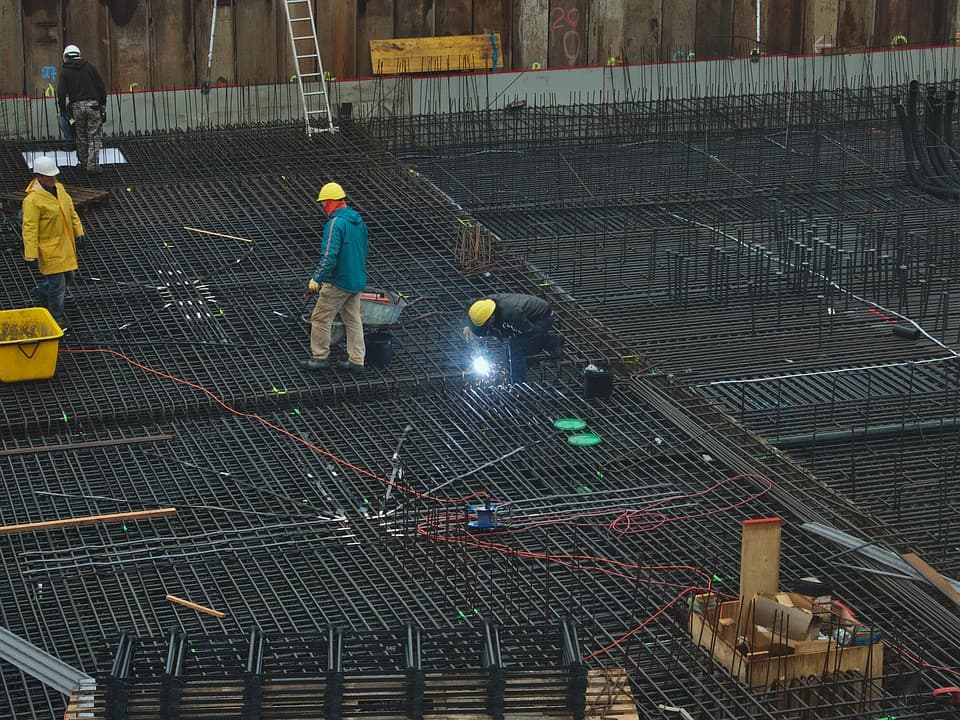
As early as 2013, the NGO Human Rights Watch denounced serious labor exploitation issues. International media investigated the appalling conditions of foreign workers, particularly those from Asia. 550,000 Indians, 400,000 Nepalis, 200,000 Filipinos: foreigners represent 94% of Qatar's population, with 16% being Nepalese. The New York Times reported 1,200 deaths: forced labor under 50°C heat, passport confiscation, denial of access to drinking water, multiple violations of international labor standards, and deplorable sanitary conditions. In 2015, the Washington Post cited 4,000 deaths—a figure immediately denied by the petro-monarchy's authorities. In 2018, Amnesty International noted an improvement in working conditions while emphasizing the need for further progress. Conversely, a report commissioned by the organizing committee indicated the continued existence of modern slavery, with shifts exceeding 14 hours per day without a single day off. A government investigation was eventually launched and concluded that nearly all migrant deaths were due to "natural causes"—surprising when most victims were under 25 years old.
Is the Nepalese Government Share Some Responsibility?
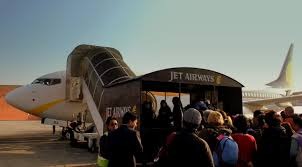
Following the scandals, the Nepalese government seems powerless against the might of the oil-rich state. First, economically, Nepal is heavily dependent on Qatar. Nearly 22% of Nepal's GDP comes from remittances sent by its massive diaspora in Gulf countries. Nepal thus turns a blind eye. However, the government is not the sole culprit; there are also Nepalese recruitment agencies and intermediaries acting as criminal networks. Aware of the hardships their compatriots will endure, they send them by the hundreds daily from Kathmandu Airport. Often extremely poor, these workers obtain loans at exorbitant rates to pay for their plane tickets and face numerous intermediaries who pocket substantial commissions. They are promised good salaries but upon arrival in Doha, they often earn half of what was promised, with payment delays exceeding six months. According to Mexican newspaper RECORD, Qatar's selection as host country could well be annulled. The region's geopolitical situation and various documented cases of corruption and "modern slavery" are the reasons cited by RECORD. By 2022, if FIFA or the international community fails to pressure Doha, hundreds more Nepalese and Asian migrants will pay the price for this excess.

Frequently asked questions
Figures vary by source: the New York Times cited 1,200 deaths during the early construction years, while the Washington Post mentioned 4,000 deaths in 2015. Qatari authorities disputed these figures, concluding via an official investigation that nearly all deaths were due to "natural causes"—a conclusion heavily criticized by NGOs.
The kafala is a sponsorship system in force in Gulf countries that legally binds a migrant worker to their employer. Practically speaking, the worker cannot change jobs or leave the country without their 'sponsor's' authorization. This system is regularly condemned by human rights organizations as a form of modern slavery, as it deprives workers of any freedom of movement and exposes them to abuse.
Nepal is heavily dependent economically on remittances sent by its diaspora in Gulf countries, representing approximately 22% of its GDP. This economic dependence pushes the government to turn a blind eye to the abusive working conditions suffered by its citizens. Additionally, local recruitment agencies play a key role in sending migrants, often without honestly informing them about the real conditions awaiting them.
FIFA has faced intense pressure from NGOs and the international community to act against human rights violations in Qatar. Commitments were made by Qatari authorities and FIFA regarding improved working conditions, but organizations like Amnesty International continue to point out major shortfalls in implementing these reforms.
Nepalese migrant workers in Qatar face extremely harsh conditions: labor under temperatures exceeding 50°C, shifts of over 14 hours per day without a single day off, passport confiscation, payment delays of several months, denial of access to drinking water, and deplorable sanitary conditions. These facts have been documented by Human Rights Watch, Amnesty International, and several major international media outlets.